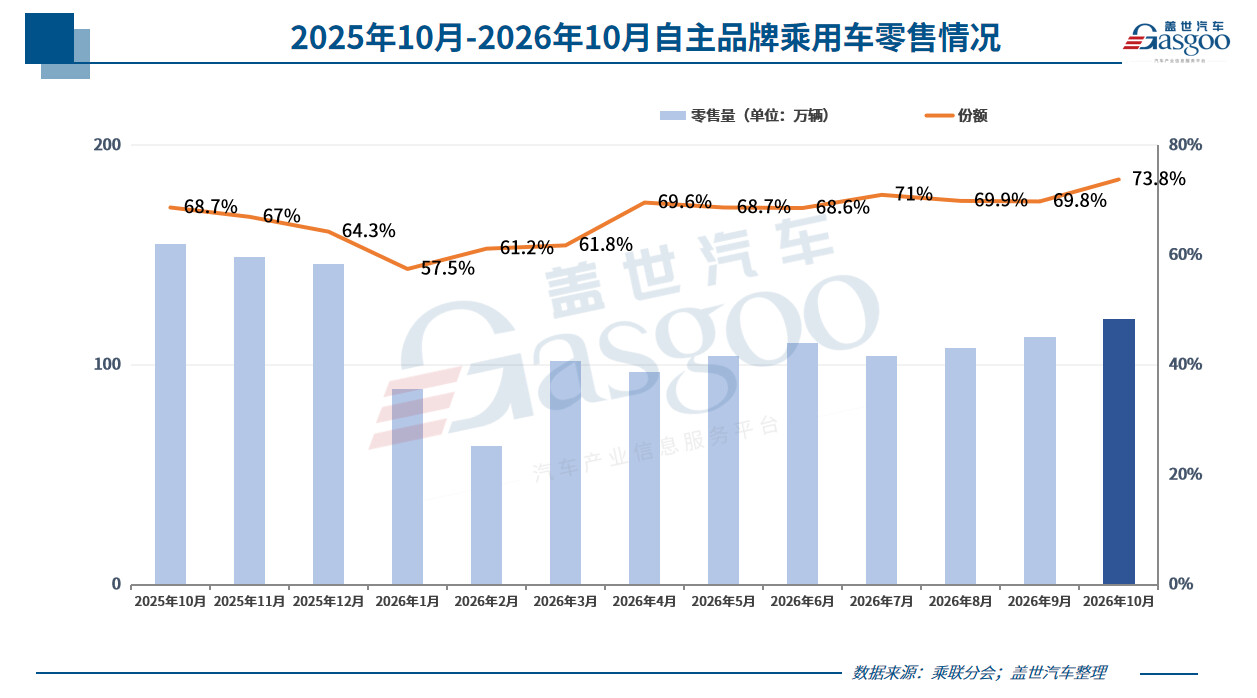
We already know from the numbers that China’s domestic new car market is experiencing a slowdown. We also already know that Chinese firms have been making very little, if any, profit on each car sold due to their price war strategy and the resulting super-thin margins. By volume, China’s car industry is winning. By value, it’s a different story. According to a Bloomberg Auto Monitor newsletter, Chinese car exports are on track for around 10 million vehicles this year, yet the companies behind the boom have lost about $270 billion in market value since their peak late last year. That’s investor money, not profit or sales, but it points to a real problem: China is exporting so aggressively partly because nobody is buying at home. Trouble At Home Bloomberg says retail sales in China fell for a 13th straight month in October, blamed on the property crisis and rolled-back subsidies. More than 100 brands are still chasing buyers, and consolidation hasn’t happened. The price war has been built on cars sold at a loss, and the result is excess capacity. “In China, they’re killing each other,” said Edmund Harriss of Guinness Global Investors. “Outside China, they’re killing the incumbents.” The Old Guard Pays That pressure is now moving abroad. Europe’s listed automakers have lost about $250 billion in market value since their 2024 peak, per Bloomberg. Mercedes-Benz, Volkswagen and Porsche each reported third-quarter China sales declines of more than 30%. Volkswagen is planning about 100,000 job cuts across the group, and BMW, Renault and Jaguar Land Rover are also cutting costs. What It Means For You The picture is mixed for drivers. Tianlei Huang of the Peterson Institute for International Economics told Bloomberg that China is “exporting a new competitive benchmark for how quickly and cheaply vehicles can be developed and produced,” which could benefit consumers and speed up EV adoption. But it could also make weak profits permanent across the industry. Chinese EV makers are eyeing America on price, though this report doesn’t say when or whether they’ll arrive here. The takeaway: cheaper, faster-developed cars are coming, but the companies making them aren’t getting rich, and the ones competing with them are shrinking.

 Liked by Ava Labelle, Camille Tremblay












 Liked by Ava Labelle, Camille Tremblay