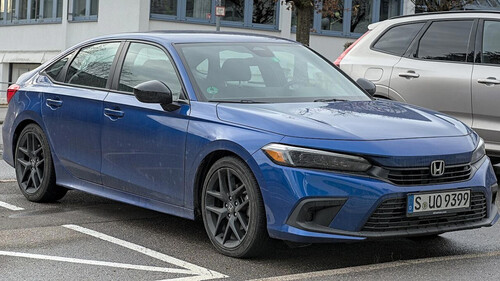
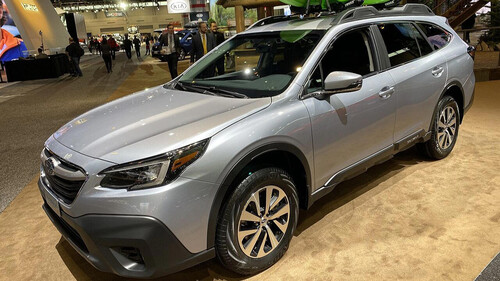
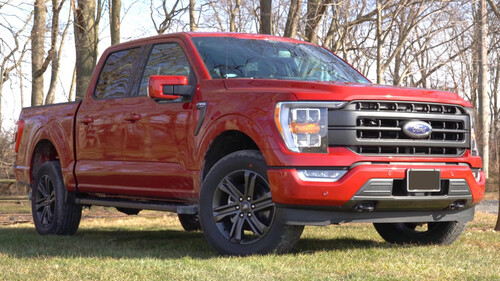
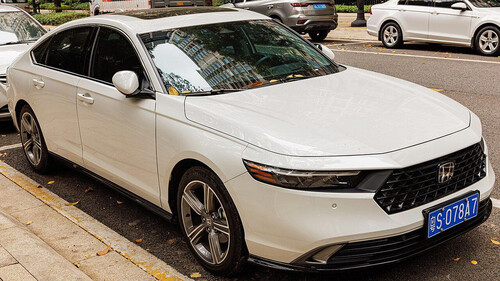
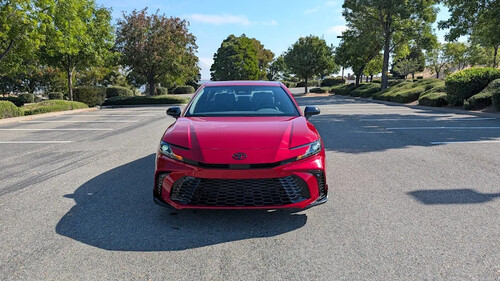
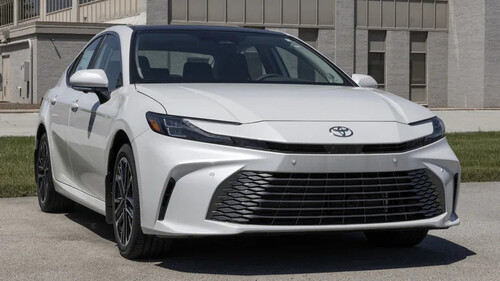
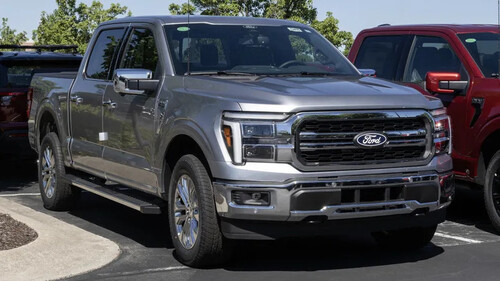
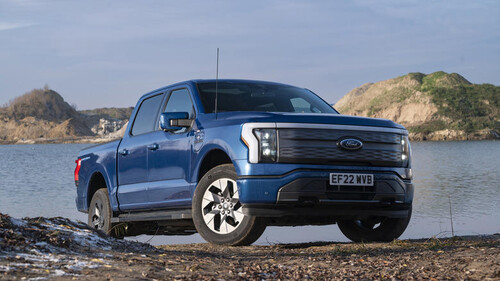
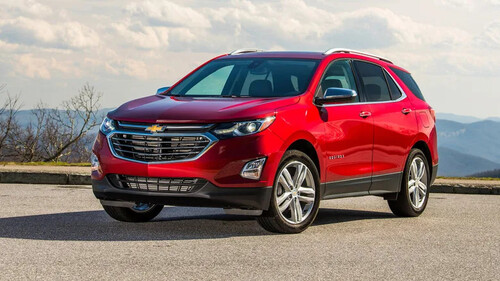
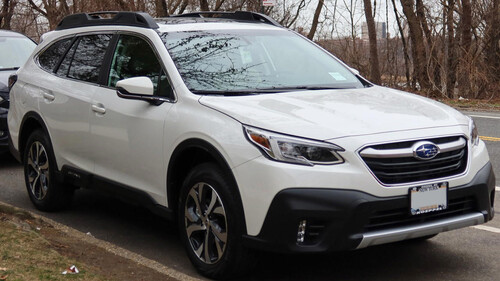
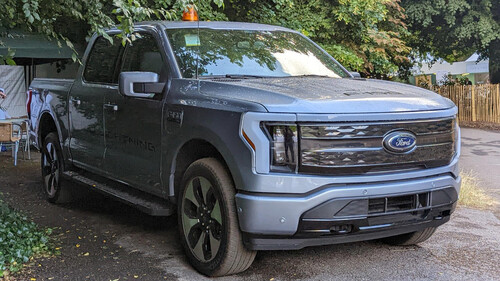
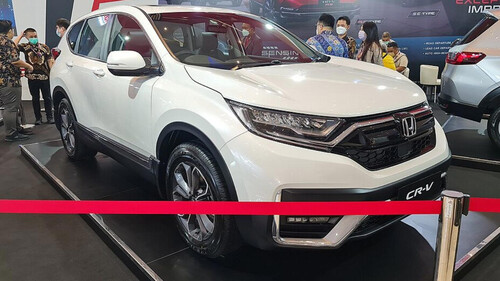
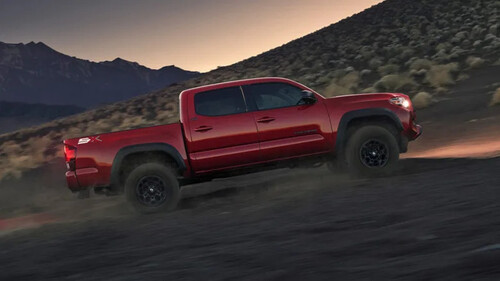
Catalytic converter thefts are rising again, and certain cars are targetsCatalytic converter theft never really disappeared, but it is climbing again and hitting some drivers harder than others. Thieves are zeroing in on specific models whose converters are easier to reach, richer in precious metals, or both, leaving owners with repair bills that can rival a used car price. The pattern is national and persistent, from family hybrids to workhorse pickups, and the latest data shows that the same categories of vehicles keep showing up on police reports and insurance claims. Why thieves are back under cars At the center of the surge is the converter itself, a metal canister in the exhaust that scrubs pollution using platinum, palladium, and rhodium. State and local officials explain that catalytic converters are attractive because those metals can be cut out in minutes and sold for fast cash with little traceability. When rhodium and other metals spiked in value, thefts exploded, and even though prices have eased from their peak, recent reporting shows that despite the brief decline, the crime is rising again as commodity markets heat up. Security specialists describe a simple business model: a small crew can jack up a car, slice the exhaust with a battery-powered saw, and be gone in under two minutes, often netting hundreds of dollars per part while leaving the owner with a far larger repair bill. The models thieves like most Although any gasoline or hybrid vehicle with a converter is a potential target, thieves are not picking at random. Analysts who track claims say that large pickups, popular hybrids, and certain SUVs dominate the lists of most stolen vehicles. One national estimate found roughly 153K catalytic converters in a single recent year, with Ford F-Series pickup trucks, Honda Accord, Toyota Prius, and Honda CR-V among the most frequently hit vehicles. Another research Dataset ranked Ford F-Series Trucks at the top of a national list, reflecting how often thieves crawl under full-size pickups that sit high off the ground and are easy to access without a jack. Security firms that specialize in protecting commercial lots echo that pattern. Their breakdown of which vehicles are highlights Chevrolet Silverado 1500, Ford F-150, Toyota Prius, and Honda Accord, and stresses that pickup trucks like the Ford models are particularly vulnerable because of their height and open undercarriage. Consumer-focused data on the 10 most targeted points to a similar mix, listing popular models such as the 2025 Ford F-150, 2026 Toyota Prius, 2024 Ford Expedition Platinum, and several Sub models, and tying the trend to demand for those vehicles on American roads. Regional patterns also matter. In the Midwest, analysts report that the Chevy Equinox and other mainstream crossovers figure prominently among most stolen vehicles, showing that thieves adapt to whatever is common in local driveways and parking lots. Specialty manufacturers that build protective shields for converters have their own view from the ground. Their breakdown of most commonly targeted notes that hybrids and late-model trucks are frequent customers, and that Worried owners often learn only after a theft that their particular Prius or pickup is a favorite among local crews. Experts also flag a few technical reasons why some models are hit repeatedly. Hybrids such as the Toyota Prius tend to have converters with higher concentrations of precious metals because their engines run cooler, which preserves the catalyst and makes each stolen part more valuable. Large trucks and SUVs, including Ford F-Series and Chevrolet Silverado, often have multiple converters along the exhaust, so a single vehicle can yield two or more units in one quick cut. Why is the crime still happening and coming back?” Lawmakers in dozens of states have passed rules that require scrap yards to log seller IDs or limit cash payments, and some cities have held free etching events to mark converters with vehicle identification numbers. Yet specialists who monitor the market say Catalytic Converter Theft remains profitable and that Why It is Still Happening and Why It is Coming Back has a lot to do with gaps in enforcement and the continued demand for scrap metal. Their explanation is blunt. Many drivers think the wave of thefts ended when early arrests and new laws made headlines, but organized crews shifted to new buyers or moved across state lines, and the underlying economics did not change. Security companies that work with fleets describe a similar cycle. They warn that higher demand for catalytic converters in both legitimate and gray markets keeps prices elevated, which in turn draws in new thieves even as some older players are arrested. Earlier in the pandemic era, one analysis found that reported catalytic converter thefts increased by 325% between 2019 and 2020, and while those specific figures are historical, the same structural forces that drove that spike are again visible in current police case files. The cost to drivers and fleets When a converter disappears, the damage is immediate and loud. The car starts with a roar, spews exhaust under the cabin, and often cannot pass inspection until the system is repaired. Insurers and repair shops say that replacement parts are still hard to find for some models, and that Delays for Replacements even where Thefts Are Falling in certain regions, leaving vehicles sidelined for weeks. For large operators, the stakes are even higher. Fleet managers describe how the loss of a few converters can sideline work trucks, delay deliveries, and force companies to rent temporary vehicles while they wait for parts. Security consultants point to cases where dozens of trucks in a single yard were stripped overnight, creating six-figure repair costs and months of disruption. How owners can respond There is no foolproof defense, but specialists recommend a layered approach that starts with parking choices. Vehicles that sit in a closed garage, a well-lit driveway, or a fenced lot with cameras are much less likely to be hit than those left on dark streets or remote corners of parking lots. Police departments and state programs encourage drivers to engrave the vehicle identification number on the converter and paint it with bright, high-heat paint, both to deter thieves and to help scrap yards recognize stolen parts. Aftermarket shields and cages are another option, particularly for models that show up repeatedly in theft statistics. Companies that build such parts, including those that publish lists of Most Popular Cars, say demand has surged among owners of pickups and hybrids who have already experienced one theft. Some insurers now offer discounts for vehicles equipped with alarms that trigger when the car is jacked up or tilted, and for fleets that install perimeter security around parking areas. Why certain cars will stay in the crosshairs Looking ahead, analysts expect thieves to keep favoring the same core categories: high-riding trucks, popular hybrids, and mass-market SUVs. As long as parts of the scrap market remain opaque and the metals inside converters retain significant value, those vehicles will represent easy money. Regulators and automakers are experimenting with solutions, from stricter rules on scrap buyers to redesigned exhaust systems that tuck converters deeper inside the vehicle. Yet even advocates for tougher laws concede that enforcement will take time to catch up with the ingenuity of organized crews. For now, the most realistic approach for owners of Ford F-Series, Chevrolet Silverado, Toyota Prius, and other high-profile models is a mix of awareness, physical protection, and insurance coverage that explicitly addresses converter theft. The crime may feel like an abstract trend until the morning a driver starts the car and hears a deafening roar. The data shows that for certain vehicles, the risk is rising again, and the smartest move is to act before thieves do. More from Fast Lane Only Unboxing the WWII Jeep in a Crate 15 rare Chevys collectors are quietly buying 10 underrated V8s still worth hunting down Police notice this before you even roll window down