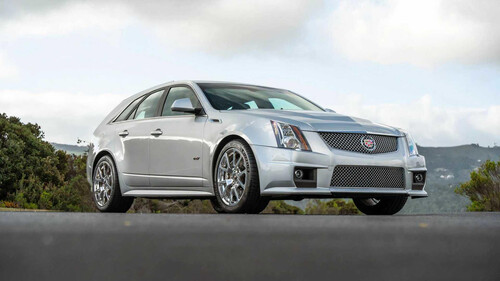
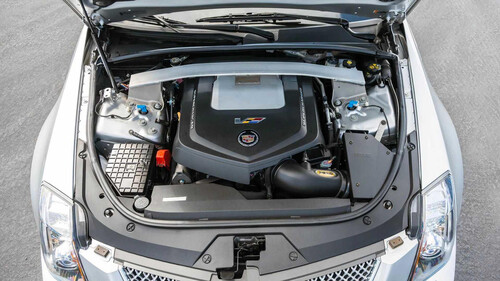
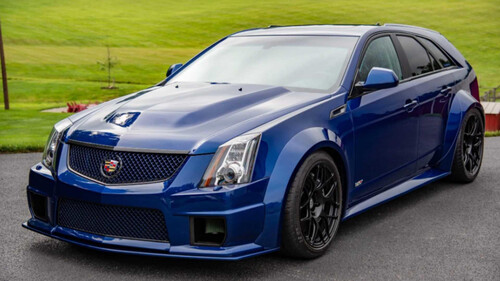
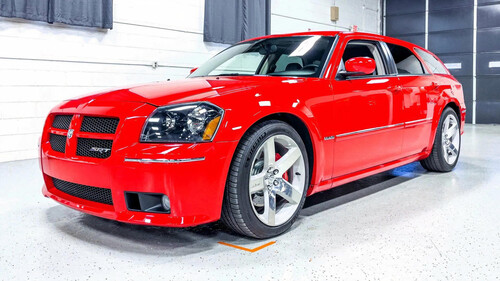
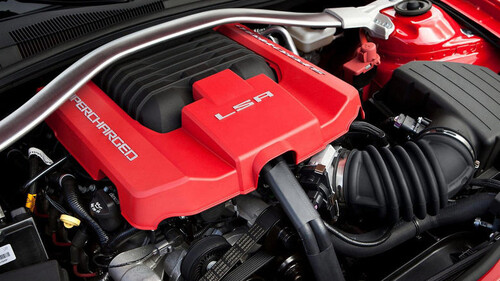
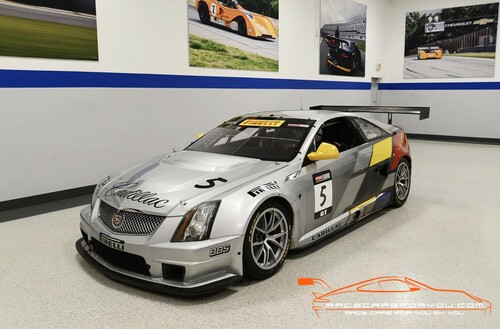
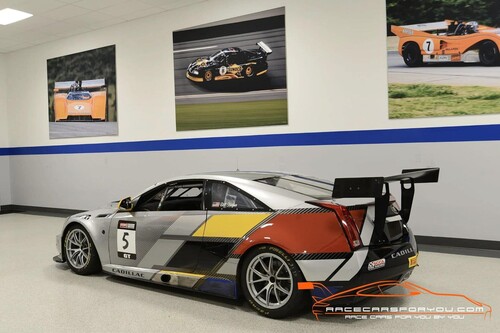
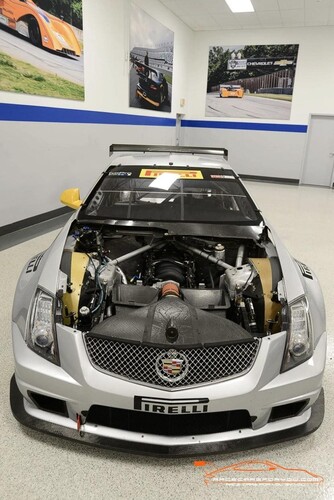
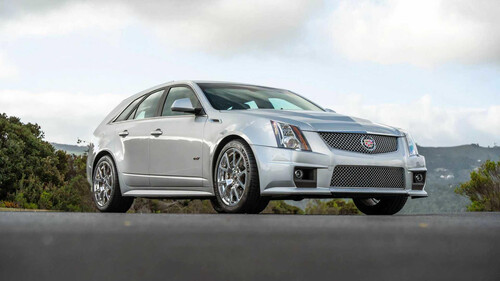
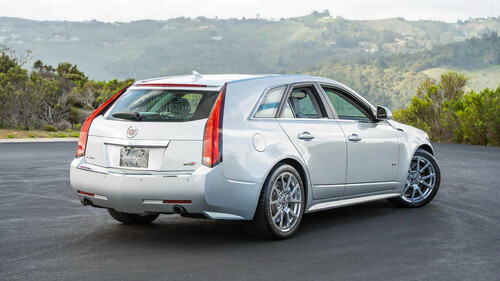
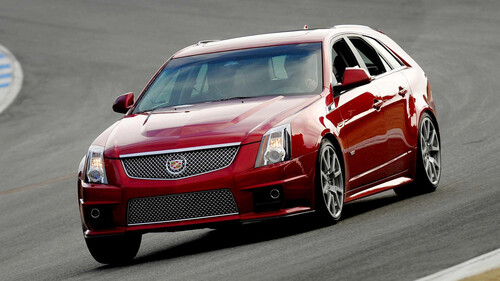
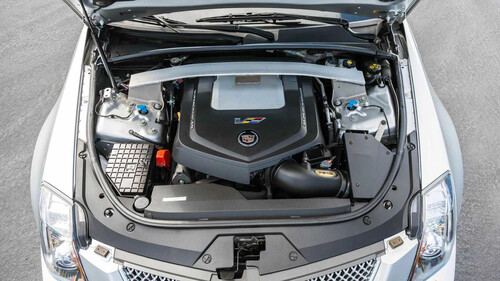
Performance cars always had one formula for burning tires into smoke—Plonk the biggest engine into the smallest and the lightest chassis. A big V8 paired with a two-door, two-seater, low-slung, wide-tired, flared-fender car is the image that comes to mind when thinking about a performance car.Well, this formula for performance has been as old as time itself, but from the mid-2000s to the 2010s, a quiet revolution took hold of classic muscle cars, driven by the needs of modern times. Engineers took the good old family station wagon and quietly started turning it into a powerful beast.This new breed of performance wagon took no time to win over enthusiasts' hearts, adding a raw power boost to a package so practical that even going to the grocery store felt special. The unassuming looks of the mundane-looking station wagon hid a quarter-mile-ripping monster under the hood during this special era of automotive history. The Performance Wagons Had A Competitor Via: Bring a Trailer The golden era of modern performance wagons had a new challenge in the shape of the SUV. The autobahn-ripping wagons from Europe were quite popular, and so were the Americans with their ability to store loads of cargo, haul a full family, and still hold their ground at 120 MPH.Well, the one thing that a station wagon could never have was the commanding driving position of the SUV. Enthusiasts were willing to trade the dynamics for a higher ride height. The wagon was low to the ground, and its low ride height worked to its advantage, keeping it stable at high speeds and during high-speed maneuvers.To take on the SUV, engineers understood that practicality would not be enough; they had to double down to come out on top of their new off-road rival that was taking over paved roads. They understood that to eat the SUV, the wagon had to be not only good but excellent. The engineers at Cadillac were developing something that would leave its mark on the American performance-wagon market. A Corvette-Powered Stealth Missile Via: Bring a Trailer Cadillac set out to make the ultimate performance wagon for the American market, and to achieve that goal, they didn't use any run-of-the-mill V6 or V8; they went into the GM back catalog and chose an engine so proven to be effective and deadly, a true heavyweight fighter: the 6.2 LSA supercharged engine for their brand new CTS-V wagon.This resulted in a mind-bending 556 hp and 551 lb-ft of torque from a station wagon that could haul 58 cubic feet of cargo with the rear seats folded down in a 5-seater configuration. The CTS-V outperformed many compact and midsize luxury crossover SUVs that were a direct threat to the wagon. What made the CTS-V wagon even more special for enthusiasts was that Cadillac decided to offer a 6-speed manual alongside the automatic. Though very rare to find, the idea of a wagon with a three-pedal setup and a stick with over 500 hp was something enthusiasts could only dream of. Cadillac CTS-V, The Ultimate Sports Wagon Via: Bring a Trailer The CTS-V was the ultimate expression of American performance, but it wasn't only fast on the straights. Cadillac tuned the wagon to handle curves and bends, as the CTS-V was perfected on the corners of the track known as the Green Hell, the Nürburgring. It ran a sub-8-minute time: 7 minutes and 59.32 seconds, precisely. In 2008, the CTS-V sedan made history by breaking the 8-minute mark, becoming the first sedan to do so. Cadillac shared the mechanical and engine components between the wagon and the sedan, so performance was nearly identical across both models.The wagon has excellent handling characteristics due to GM’s groundbreaking Magnetic Ride Control Suspension, which utilizes magneto-rheological fluid in the shock absorbers, so the car can adjust damping rates independently at all four corners in a matter of milliseconds and read the road at all times to eliminate excess body roll without ruining the ride quality by using a stiffer suspension setup. This kept the comfort of the wagon still alive. Cadillac CTS-V Wagon Specs The CTS-V wagon could be compared only to one domestic rival of its time: the Dodge Magnum SRT8. The Hemi-powered Magnum was a much-loved, iconic engine. It was the American image of a performance car. But the SRT8 rode on an older, heavier platform, which made it lumpy, and it lacked the sophisticated adaptive suspension and the chassis stiffness of the CTS-V wagon. The Magnum SRT8 was just a drag strip ripper rather than a well-rounded package. The CTS-V wagon, on the other hand, was a true sports car with world-class performance and added truck capability. Living with the Super-charged Fury Via: Bring a Trailer Living with a car that is incredibly special and rare also comes with its own challenges. The problems of the CTS-V wagon are well known now, as it has been around for almost 15 years. The Magnetic Ride shocks, while they do their intended job brilliantly, are notoriously expensive to replace. The earlier models also had supercharger isolation issues that made the supercharger snout rattle. GM later addressed that issue through its warranty programs.The reality of owning a high-performance car means dealing with daily situations like low fuel economy, around 14 mpg in the city and 19 mpg on the highway. Still, the truth is, floor the car and see the fuel economy drop to single digits. The hefty curb weight of 4,300 lbs led to heavy wear on the brake pads, rotors, and especially the rear tires. All these things add up bit by bit while owning a car of such nature.Enthusiasts always talk about the CST-V wagon on forums and share their opinions. One user on Reddit said, “Best car I've ever owned, bar none. Does everything. Only car I've ever had that never feels slow, even heat-soaked in the middle of summer. I drooled over it since they announced it.” Another user called it the “Holy grail of sport wagons.” The dual nature of the CTS-V makes it a truly unique car for enthusiasts. The Legend Lives On Via: Bring a Trailer The CTS-V wagon was produced from 2011 to 2014, with 1,767 units sold in total, making it a very rare car. Only 514 examples were sold with the 6-speed manual transmission, making it ultra-rare and in very high demand. Auction prices show that used manual examples can be $20,000 to $30,000 more expensive than the equivalent 6-speed automatic version. Examples of CTS-V sold at auctions The CTS-V's price trajectory clearly reflects a broader market trend. Performance wagons are having a comeback as new performance cars move towards heavily hybridized powertrains with tons of electronic aids. The feel of an analog car is what enthusiasts truly crave. The CTS-V wagon is proof of that: the old-school formula of a big V8 paired with a manual transmission has been and will always be the ultimate expression of performance.