China’s electric vehicle (EV) makers have had a lot to contend with over the past week: slumping shares for market leader BYD, cooling sales and margins and a warning from authorities in Beijing amid a punishing price war.
BYD’s Hong Kong-listed shares lost as much as 17 per cent of their market value, or HK$122.3 billion (US$15.6 billion), on Monday after falling to HK$378.20 from an all-time high of HK$477.80 on May 23. The company’s shares recovered 4 per cent on Tuesday. Analysts attributed part of the decline to a weak earnings report for the most recent quarter.
The Shenzhen-based firm, the world’s largest maker of new energy vehicles (NEVs), delivered 382,476 units in May, a 0.6 per cent gain from April. On the mainland, which is plagued by unrelenting discounts, its May sales stalled from a year earlier and weakened 2.5 per cent from April, according to a report released on Sunday.
Around a week earlier, BYD said it would reduce prices of 22 models to promote sales, which cast doubt over the earnings outlooks of China’s EV makers.
“The price move reinforces BYD’s strategy to favour scale over temporary per-car profitability in the domestic EV market,” HSBC analysts including Ding Yuqian said in a report last week. “This round of seasonal promotion coincides with soft domestic demand, weak consumption sentiment and intense competition.”
Left unchecked, China’s EV price war and profitability problem could nudge the industry into a China Evergrande-style liquidity crunch, said Wei Jianjun, the chairman of Great Wall Motor, last week. He was referring to the beleaguered property developer.
Li Yunfei, who oversees branding and public relations at BYD, took issue with the comparison.
“There is no Evergrande in the auto industry among China’s mainstream carmakers,” Li said on social media platform Weibo on Friday. “Any remarks that belittle China’s [NEVs] are unacceptable.”
Chinese carmakers slashed prices by 16.8 per cent in April, according to JPMorgan Chase, which was more than double the average cut across the market in 2024. The US investment bank said the price war had likely squeezed the industry’s profit margins even further, after they fell to 3.9 per cent in the first quarter from 4.3 per cent in 2024.
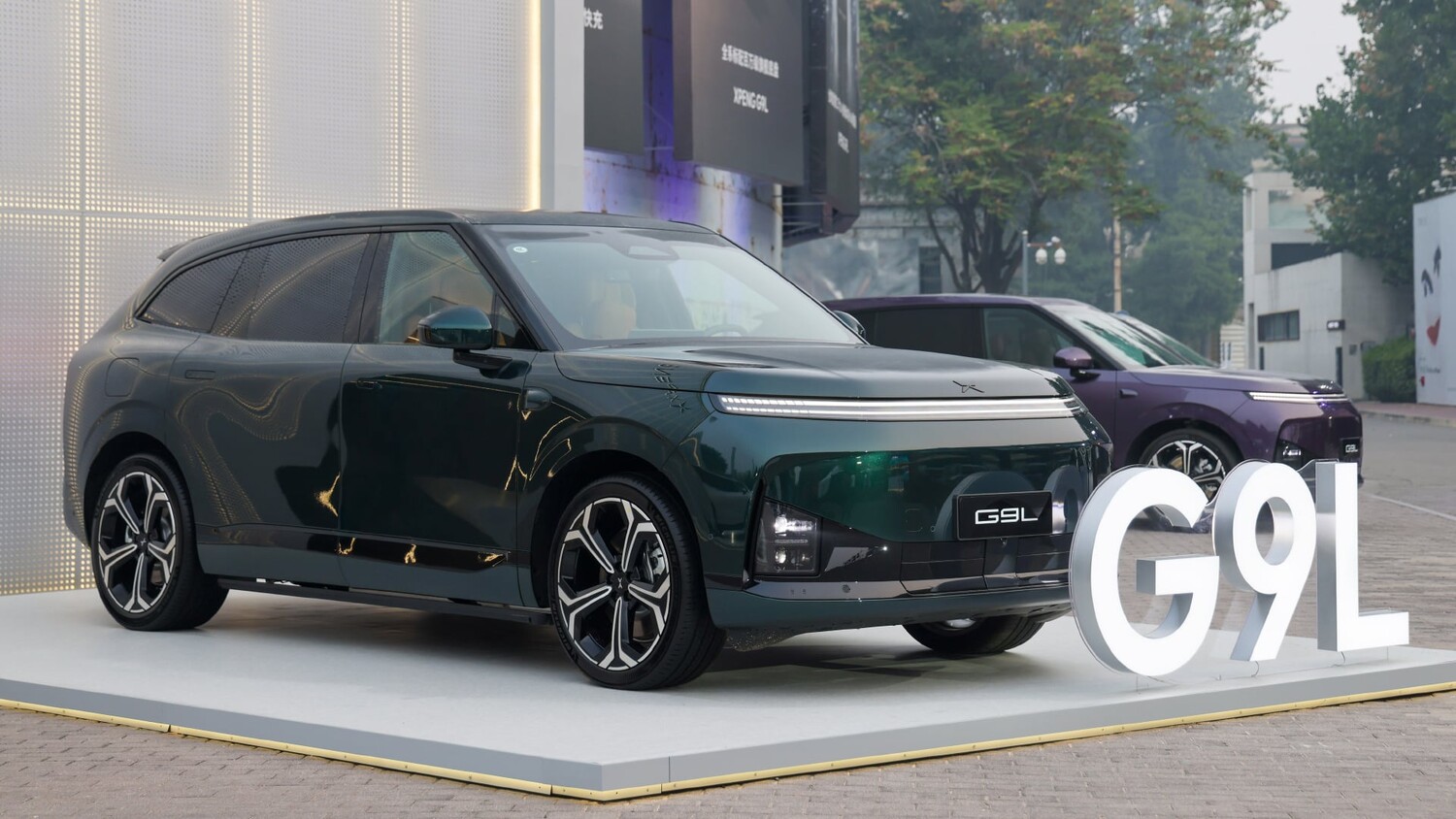
Although some carmakers reported strong sales growth last month, led by Leapmotor and Geely, other producers struggled. Nio’s deliveries fell 2.8 per cent in May from April, while Xpeng suffered a 4.3 per cent decline, according to recent reports.
BYD’s price cuts of up to 34 per cent on 22 of its models spurred rivals like Leapmotor and Geely to follow suit. The battle over prices has potentially gone too far, judging by recent commentaries published in People’s Daily.
The Communist Party newspaper said the price war had “severely affected the industry ecosystem and market order and impacted the safety of the supply chains”. Without singling out an EV manufacturer, it urged carmakers to embrace a “long-term development mindset” and not engage in price wars for short-term gains.
Beijing would scrutinise competition and tighten rules, the newspaper added, citing the Ministry of Industry and Information Technology. The China Association of Automobile Manufacturers, which represents the country’s largest producers, urged its members to ensure fair competition, prevent monopolies and avoid dumping.
“The latest car price competition underscores how a supply-demand imbalance continues to fuel deflation,” said Robin Xing, Morgan Stanley’s chief China economist, in a report last week.
“There is growing rhetoric about the need for rebalancing [to more consumption], but recent developments suggest the old supply-driven model remains intact,” he said. “Thus, reflation is likely to remain elusive.”