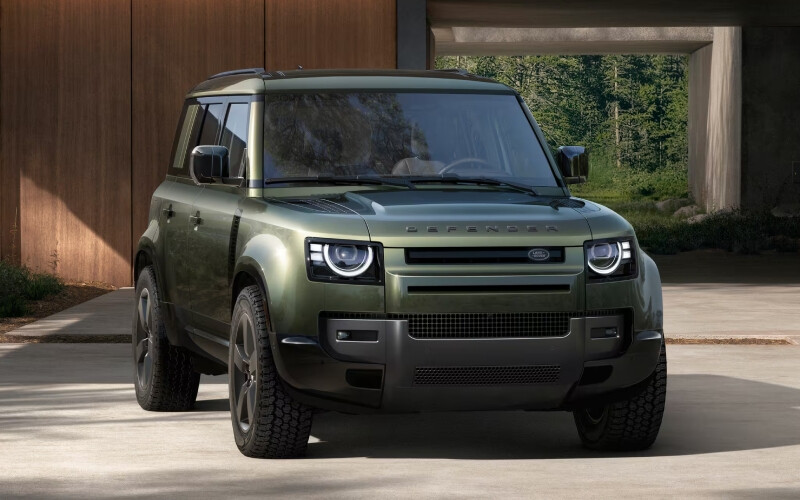
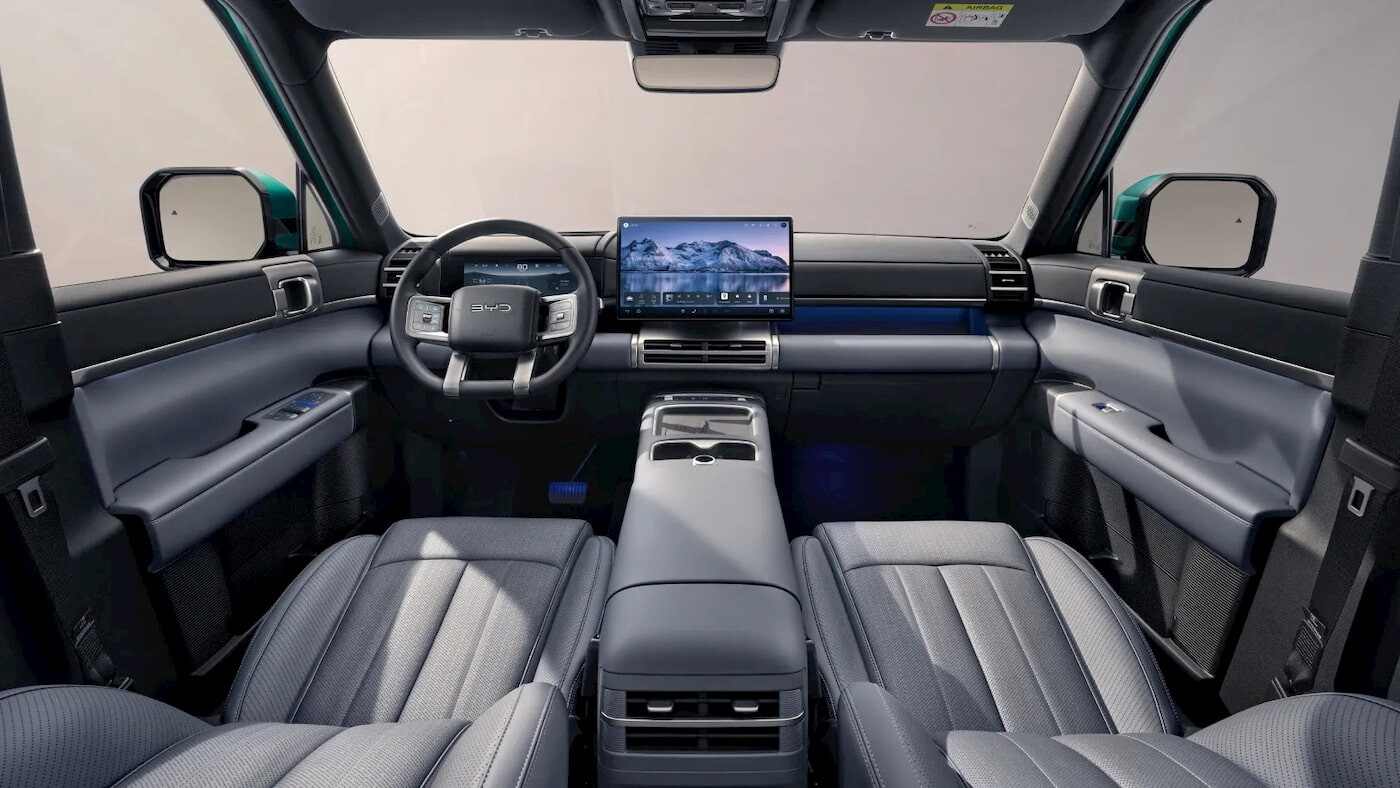
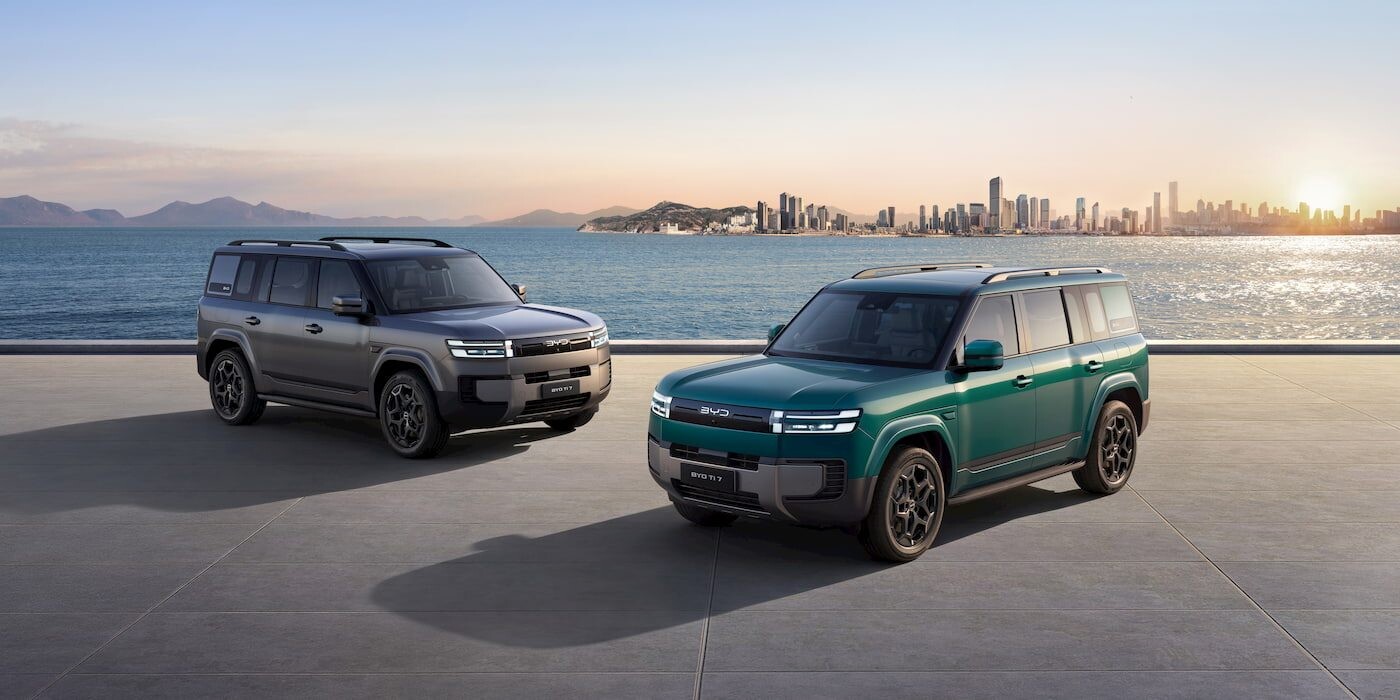
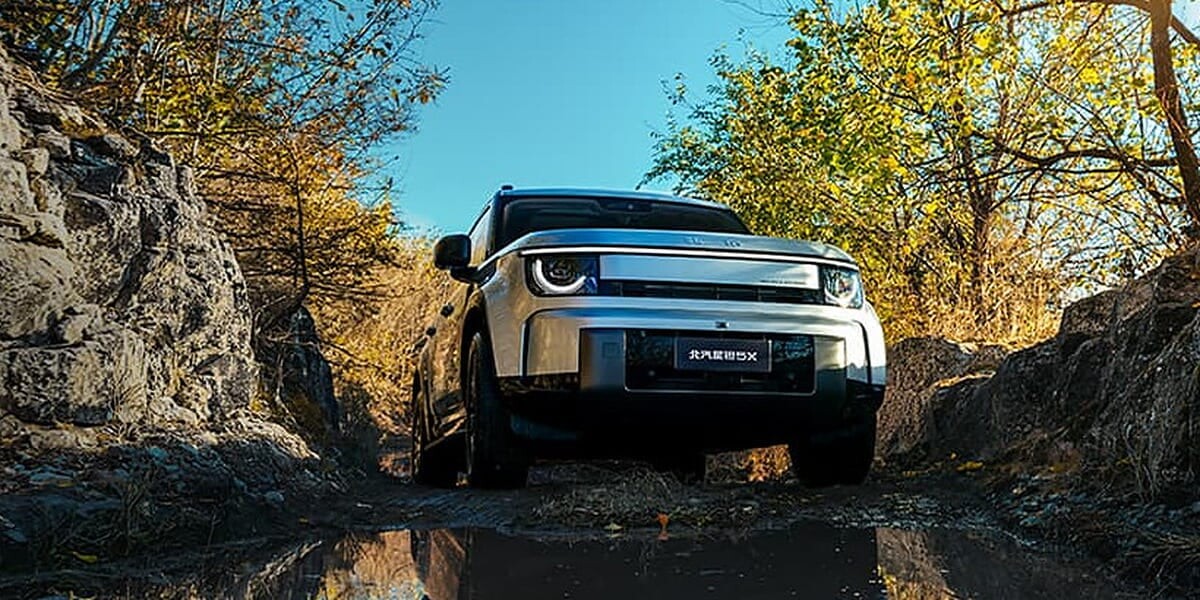
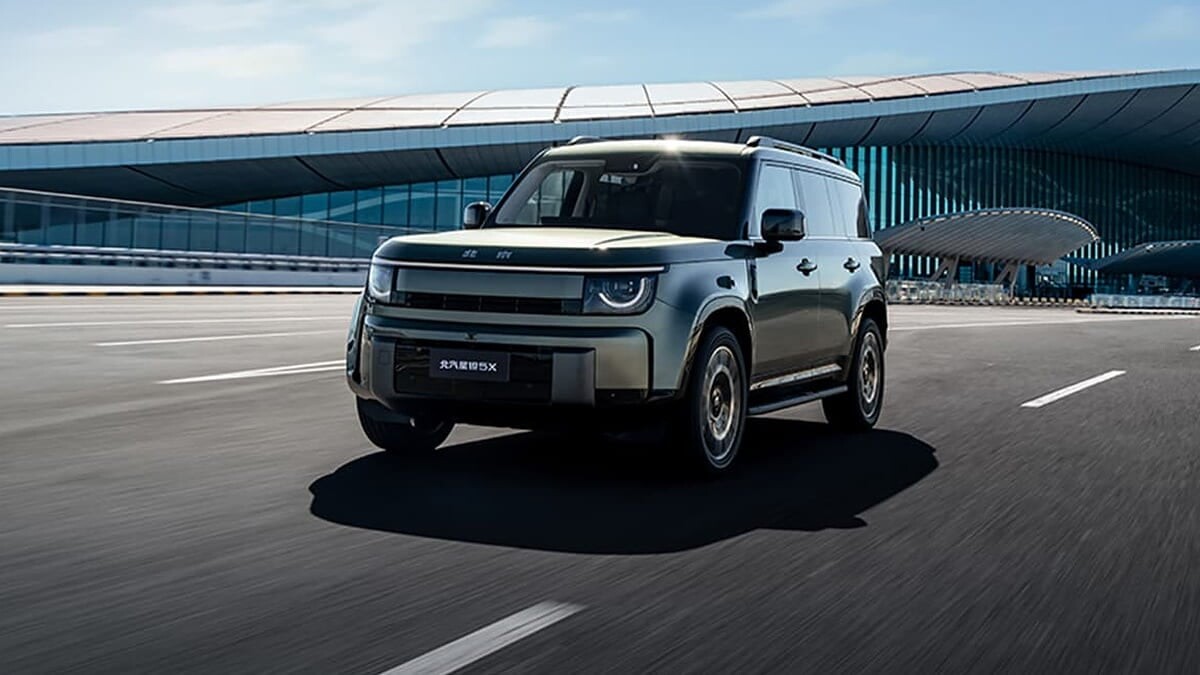
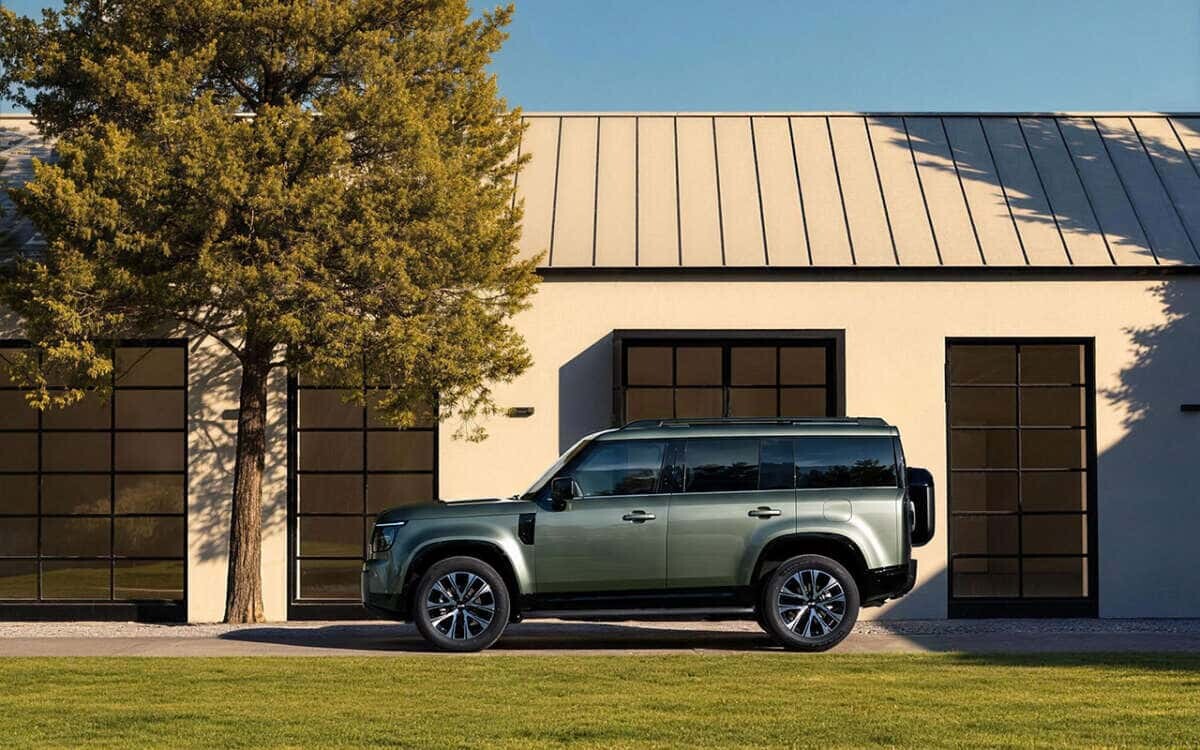
Jaguar Land Rover’s (JLR) attempt to collect 553,850 USD (500,000 euros) in penalties from BYD over an August 24 evidence seizure in the Netherlands failed after the District Court of The Hague found that BYD had met its cooperation obligations. The court’s judgment describes disputes over laptops, local storage, Microsoft cloud data and Tencent WeCom messages. The court also found that the bailiffs’ reports did not specify what BYD had been asked to do or set reasonable deadlines for compliance. A corrective judgment on November 12 confirmed that JLR must pay BYD 28,110 USD (25,376.57 euros) in legal costs. JLR did not oppose the correction. Why JLR’s penalty claim failed At 12:20 pm on August 24, bailiffs asked BYD employees at its Hoofddorp office to hand over their laptops. Four employees arrived with laptops at 3:10 pm. The court noted that the original seizure order did not set a deadline for providing physical storage devices. The bailiffs also sought access to a Synology network-attached storage (NAS) device. It was physically located at the office so that the bailiffs could have seized it directly. BYD was not required to provide access to a Synology account. Microsoft 365 access required help from BYD’s China-based IT team. The local employee could not grant access through Microsoft Purview independently. A Chinese employee provided access at 5:15 pm on August 24. Access was temporarily restricted on August 27 and 28, but BYD restored it promptly. For Tencent WeCom, BYD supplied login codes and passwords. These allowed the bailiffs to access the accounts but did not let them export or preserve the messages. The court found that BYD had met its obligation by providing the available credentials. BYD’s Dutch staff could not administer every cloud service themselves, and the WeCom credentials did not overcome the platform’s export limitations. The court considered BYD’s efforts to involve its China-based IT team and provide the available access information. The bailiffs’ reports did not clearly record what further assistance they had requested or give BYD reasonable deadlines to provide it. The court therefore found that the reports did not establish a failure to comply that would trigger the claimed penalties, as detailed in published Dutch IP case records. The Land Rover Defender 110 is the vehicle whose design is the subject of JLR’s claims against BYD. The Dutch court ruling did not determine whether infringement occurred. Credit: JLR. The IP dispute continues The court separately lifted the evidence seizure because it was not necessary for JLR’s EU registered design claims. JLR had argued that the records could help calculate potential damages, rather than establish whether the BYD Ti 7 infringed its designs. The parties agreed that BYD had not offered or sold the Ti 7 in the EU, and the possibility of future sales had not yet caused financial damage. Under Article 194 of the Dutch Code of Civil Procedure, an evidence request must relate to an existing legal relationship. A possible future infringement claim was not enough. The seized data was held by a judicial custodian rather than automatically handed to JLR for inspection. When the court lifted the seizure, it also ended that custody under Article 860(2) and ordered JLR to arrange the destruction of the material, as we previously reported. The ruling does not decide whether the Ti 7 infringes JLR’s intellectual property. Separate cases cover EU-registered design claims in The Hague and copyright infringement and slavish imitation claims in Rotterdam. Both BYD entities involved have a Dutch presence. BYD Nederland B.V. is based in Hoofddorp, where the evidence seizure took place, while BYD Europe B.V. is registered in Schiedam. Vehicle dimensions and JLR’s Q2 financial results The UK-bound export BYD Ti 7 is a three-row, seven-seat SUV measuring 5,146 mm long, 1,995 mm wide and 1,865 mm high, with a 2,920 mm wheelbase. The domestic five-seat Fang Cheng Bao Tai 7 measures 4,999 mm long, with the same width, height and wheelbase. The Land Rover Defender 110 measures 5,018 mm long including its spare wheel, 2,008 mm wide with its mirrors folded and 1,967 mm high, with a 3,022 mm wheelbase. The figures compare their exterior dimensions but do not establish infringement. JLR reported an after-tax loss of 573 million USD (451 million GBP) for the three months to September 30, 2026, compared with a loss of 710 million USD (559 million GBP) a year earlier. The result included 673 million USD (530 million GBP) in exceptional items, according to the company’s second-quarter results. JLR’s retail sales in China fell 40.6% year on year to 6,300 vehicles. The company attributed much of the decline to the end of local production by its Chery Jaguar Land Rover joint venture in June 2026. China EV DataTracker recorded locally built Land Rover deliveries falling from a 3,283-unit peak in June to 733 in July, 171 in August and just three in September. The Dutch court rejected JLR’s penalty claim and lifted the evidence seizure. The infringement claims remain before the courts in The Hague and Rotterdam.