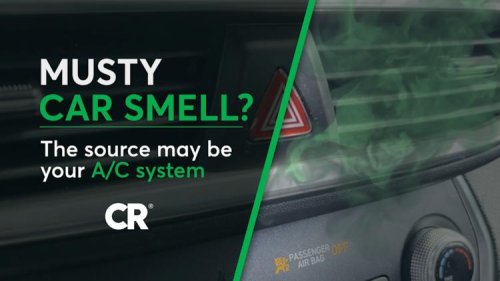
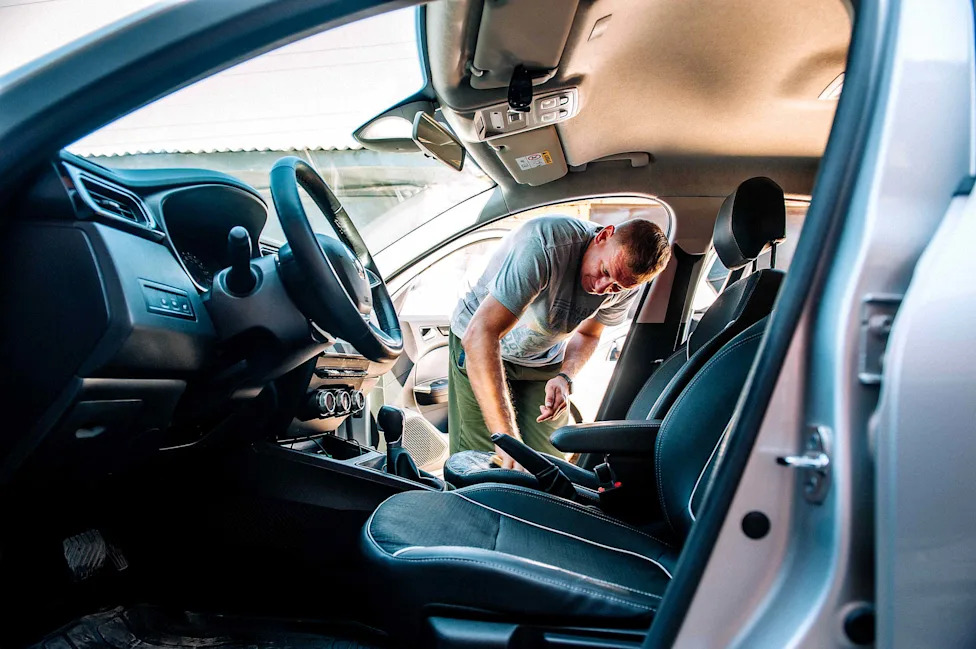
Credit: Elena Kalfa/Getty ImagesYou've tried the air fresheners. You've tried the sprays. And yet, every time you open your car door in summer, it hits you. A smell, coming from somewhere, and you were only out of your car for a few minutes. The problem, according to odor experts, is that most people are masking the smell rather than eliminating it, and heat actually accelerates odor-causing bacteria, making the problem worse the longer you ignore it. Lauren Houser, the Vice President of Marketing at Atlanta-based Zep Inc., says that when armed with the right knowledge and a little help from science, you can fix one of summer's most universal and under-talked-about annoyances for good. Meet The ExpertLauren Houser, the Vice President of Marketing at Atlanta-based Zep Inc.Hot In HereCredit: Getty ImagesThink about how warm objects and places, such as sweaty shoes and hot attics, emit certain unpleasant scents. While heat doesn't cause odors, it definitely intensifies them. Odors themselves are actually caused by mold and bacteria. As items warm, they put off gas, which inevitably tickles your nostrils. Heat does this in two ways: It speeds up bacterial and mold growth, and it causes materials to release volatile compounds more rapidly, so the warmer your car gets, the faster the problem compounds. "You've got plastic, leather, vinyl, abandoned drinks, sweat, and food crumbs. All release odor molecules when they get hot," says Houser. There are, of course, other culprits, such as used pool towels or damp carpet, but no matter the source of the smell, heat will accelerate it. Ditch The Pine TreeYour first thought for combating a sour scent might be to pick up an air freshener, but Houser says to think again before you reach for that rearview mirror pine tree. "Air freshener just freshens the air for a short amount of time; it's acting as a perfume." Fragrance is a temporary solution for a long-term problem, and ultimately, it's simply masking the scent, not correcting it. "Spraying the perfume over the bacteria doesn't stop the bacteria; it just temporarily hides it from your nose," says Houser. How To Kill OdorCredit: Getty ImagesTo make a permanent and improved change, you have to eliminate the source of the smell. "Use a malodor counteractant. It actually chemically changes the odor molecules to eliminate them while also replacing them with a scent," says Houser. "So, it's doing double duty." When shopping for a cleaner, look for ingredients like hydrogen peroxide and activated charcoal, or phrases like "odor neutralizing" or "odor eliminating" on the label. Products designed specifically for this purpose, like the Zep Freshen line, take the guesswork out of it. Start At The SourceThe easiest way to avoid a smelly car is to prevent it from happening in the first place. Try not to leave items in your car for long periods of time or overnight, but if that's not feasible, set a weekly routine. "Every Saturday, I go through my car with the garbage can and pick up everything in sight," says Houser. Make a concerted effort to ensure used towels and other damp items aren't left behind, and regularly vacuum pet hair and food crumbs. If you spill something prone to spoiling or stickiness, such as milk or soft drinks, clean it the same day. And, a good rule of thumb is to do a deep clean of your car monthly. Your nose, and the noses of others, depend on it.Read the original article on Southern Living



















 +56 others