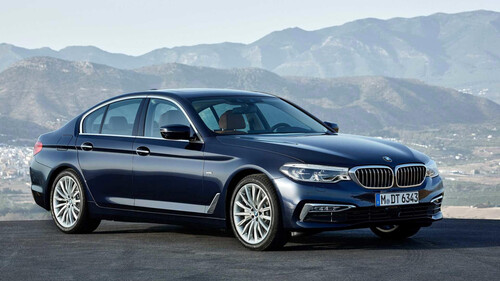
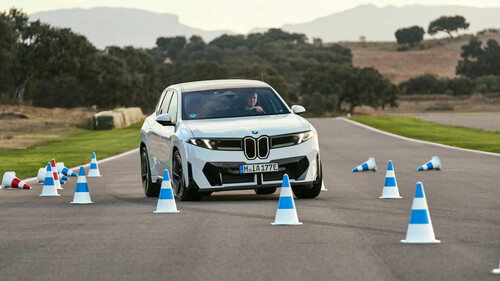
BMW plans to launch a Level 2 driver-assistance system that can handle turns, lane changes and roundabouts in city traffic, with the required hardware becoming standard on several key model lines from 2027.
The automaker expects to launch the enhanced system in Germany, pending regulatory approval that is anticipated in early 2027, the automaker said in a statement on Nov. 2.
BMW said the technology will be rolled out to other European markets afterward but did not provide a timetable.
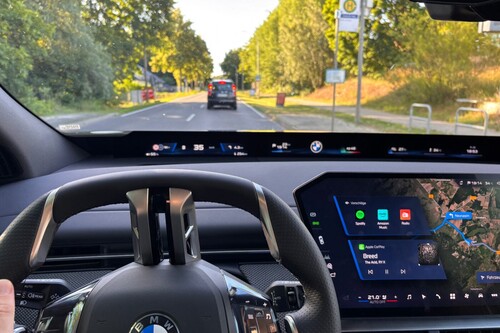
When route guidance is activated through BMW Maps, the system will assist with turns, lane changes, right-of-way situations and navigating roundabouts.
BMW says the update aims to make assistance consistent across different types of roads. In Germany, BMW’s existing City Assistant can already stop at traffic lights and move off automatically when traffic resumes.
The system will remain at SAE Level 2, meaning drivers must continuously monitor the driving environment and be prepared to take control at any time.
BMW said an independent technical service has completed the required real-world testing, while final approval under updated United Nations regulations governing driver-assistance systems is still pending.
Hardware will be standard on key vehicles
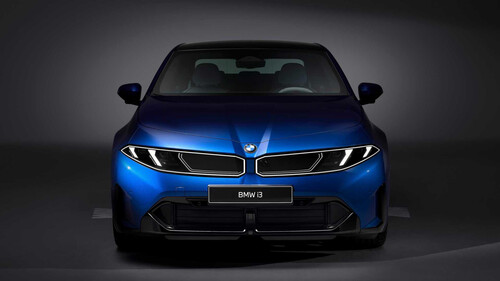
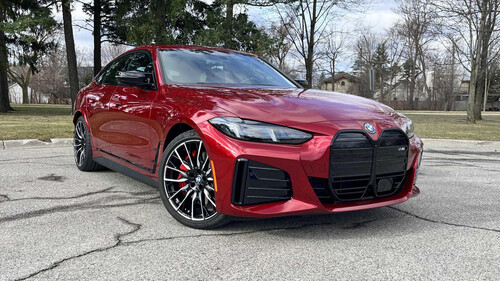
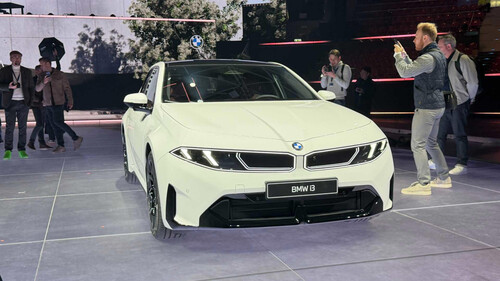
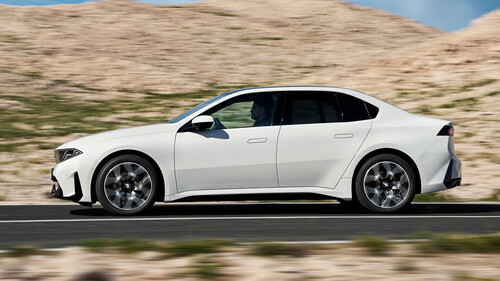
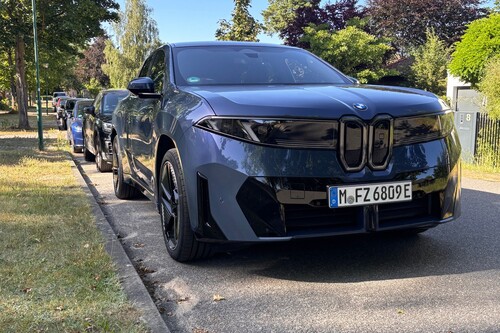
BMW plans to make the necessary hardware standard on the new iX3 and iX4, as well as all versions of the next-generation X5, 3 Series and 7 Series. Future vehicles based on the automaker’s Neue Klasse architecture will also receive the equipment.
Software features will be delivered over the air, allowing customers to activate available functions after purchase. BMW has not disclosed pricing or said whether all capabilities will be included in the vehicle’s purchase price.
BMW also introduced a concept called ‘Symbiotic Drive’ that can support turning and right-of-way situations, urban lane changes and navigating roundabouts.
The system monitors the driver’s steering behavior and gaze direction to create a symbiotic interaction between driver and vehicle, with the goal of reducing unnecessary warnings and steering interventions.
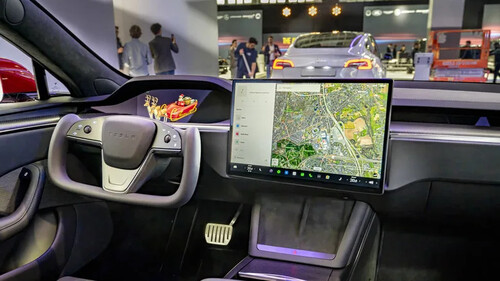
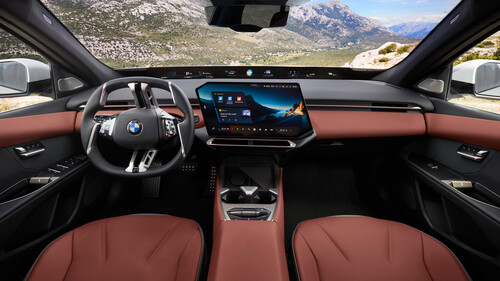
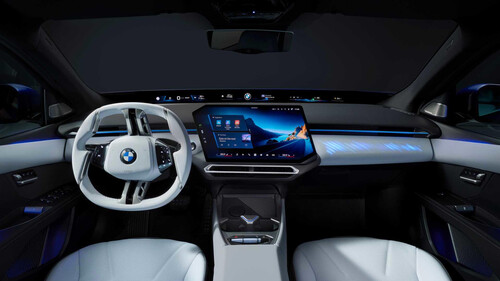
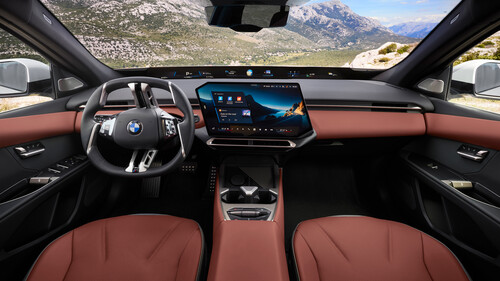
A redesigned central display will combine navigation guidance, information about surrounding traffic and driver-assistance status in a single 3D view.
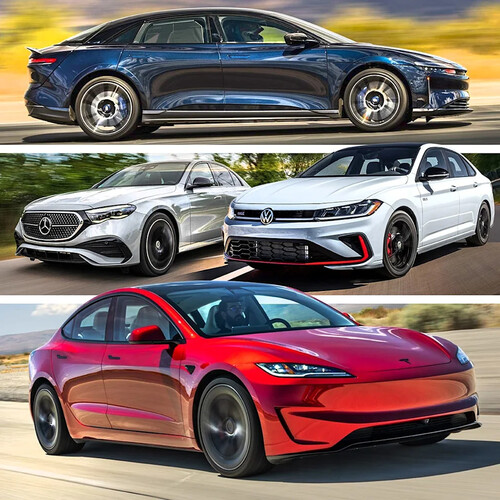
Mercedes, Tesla accelerate race for urban-driving automation
BMW’s plans increase competition with Mercedes-Benz as the automakers push driver-assistance systems beyond the more predictable environment of highway driving.
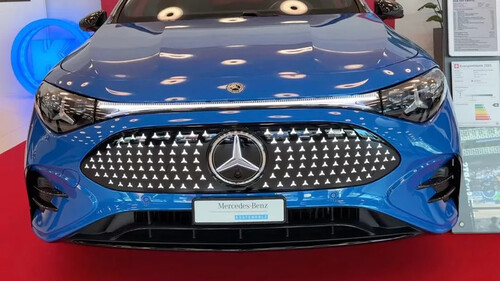
Mercedes expects to open orders for its MB.Drive Assist Pro system in Germany in the first half of 2027. Selected customers in Stuttgart and Munich are scheduled to gain access by the end of 2026.
Developed with Nvidia, the system is designed to assist with intersections, lane changes and traffic lights while following a navigation route.
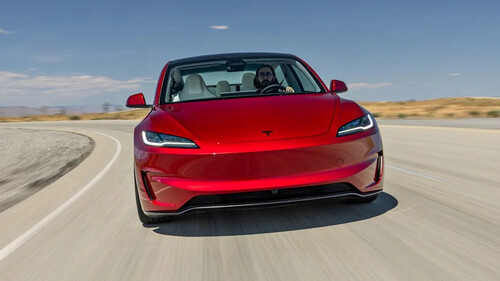
Tesla has also advanced its efforts to secure regulatory approval for its Full Self-Driving system in Europe. The Dutch vehicle authority, RDW, approved FSD Supervised for deployment in the Netherlands in April 2026.
Marketed in Europe as Tesla Assisted Driving. The system is not fully autonomous and requires drivers to remain attentive. Several other EU countries, including the Czech Republic, Belgium and Denmark, have granted Tesla national approvals for the technology.
Europe’s rules and rollouts vary by automaker
Ford, meanwhile, has received approval for its BlueCruise hands-free highway-driving system in 16 European markets, according to an announcement made in November 2025. The technology is limited to designated highway sections and requires drivers to keep their eyes on the road.
The differing approaches underscore the fragmented nature of Europe’s driver-assistance market, where regulatory approvals, geographic coverage and supported driving functions vary widely among manufacturers.
BMW’s strategy combines broader urban-driving functionality with standard hardware across high-volume model lines and the ability to unlock software features after purchase.
Its competitive position will depend on the timing of regulatory approval, the cost of additional software functions, the pace of expansion beyond Germany and the system’s performance in real-world traffic.