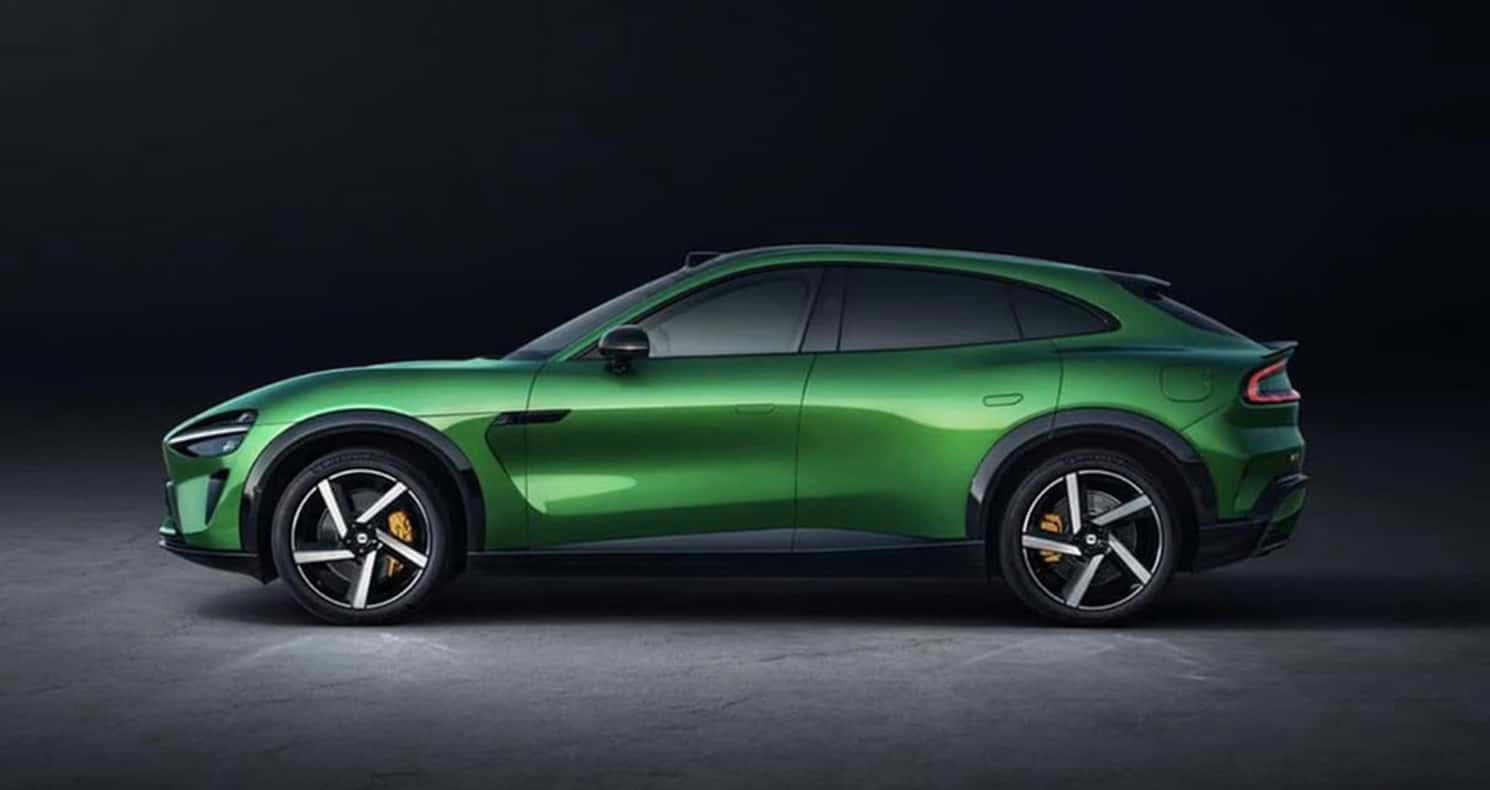
・CEOs from electronics firms warn capacity is being redirected away from car makers to AI data centres ・Tech bosses say AI data centres taking priority for electronics is causing "bottle necks" in the auto industry ・The lack of vital electronics components could cause a return to car buyers experiencing lengthy delays on delivery AI data centres are hungry for electronics and the car industry could pay the price. There are warnings from the tech bosses themselves that these facilities’ hunger for electronic chips could be disastrous for the auto industry, and could leave people waiting months for their new car. A report by Reuters this week featured CEOs two chip making companies sounding the alarm that electronics manufacturing capacity was being redirected to service AI data centres over traditional clients such as car brands. The CEO of Dutch chipmaker Nexperia Stefan Tilger told Reuters the car manufacturing industry was already feeling the effects. "The automotive industry is suffering at the moment quite heavily," he told Reuters this week. Supply bottlenecks already forming Nexperia specialises in the semiconductors used in vehicles and supplies to the Volkswagen Group, BMW Group, Mercedes-Benz, Toyota, Nissan, Ford, Honda and Volvo. Next up Tilger says with so many semiconductor makers now switching to supplying to the lucrative AI industry rather than car manufacturers his company is now overwhelmed saying they were “totally oversubscribed.” STMicroelectronics supplies semiconductors to Volkswagen, along with Tesla and Geely, but is evolving to serve the growing AI data centre boom. STMicroelectronics CEO Jean Marc Chery warned that AI was causing delays in supplying chips to car manufacturers. “We see many bottlenecks,” he said. 2026 Toyota RAV4 Not the same semiconductors It’s not even as though the electronics makers can just produce more semiconductors, because the AI industry uses different, newer tech, which the car industry can’t use. AI data centres are basically huge warehouses filled with servers handling requests from users. When you ask Chat GPT or Claude to analyse a load of data, edit an image or make a fart noise the request is processed at a data centre either in Australia or off shore. The use of AI has exploded. The 2026 Australian Artificial Intelligence Study by tech analyst Telsyte found that 17.4 million Aussies were using AI in May 2026, which is about 77 per cent of Australians. Xiaomi YU7 Not the same semiconductors - Part 2 Globally 18.8 per cent of adults were using AI according to Microsoft’s AI Economy Institute report from June 2026. That processing requires unfathomable amounts of sophisticated electronics and AI has big bucks to pay for it. You can hardly blame the electronics industry for turning its attention away from selling chips to car brands. Xiaomi YU7 More money in AI than cars So what does this mean for the car makers? Well it’s simple, there is more money in selling electronics to the AI industry than the car industry. And with less electronics makers building tech for cars then the auto industry will have to wait, and that means new car buyers will, too. Do you remember back in 2022 when people were waiting months for the car they had already bought to arrive? It was the COVID-19 pandemic that was to blame then, with it shutting down car manufacturing, paralysing freight and logistics, plus a shortage of these vital semiconductors. Semiconductors are a material vital for electronics chips. Cars have up to 3500 chips which run everything from power windows to advanced safety tech like autonomous braking. 2026 XPeng G6 More money in AI than cars - Part 2 At the start of COVID nearly all car companies cancelled their semiconductor orders thinking there would be a massive sales downturn in vehicles. But there wasn’t and when the car brands returned their orders had already been reallocated to businesses in entertainment electronics which was booming with everyone at home isolating. The situation the car brands face in 2026 with AI is very different but the lack of semiconductors will likely have a very similar effect on wait times for cars. 2026 XPeng G6 More money in AI than cars - Part 3 Which brands will be affected most? Well as I said this is a very different situation. Chip makers such as Nexsperia are supplying to a multitude of brands and will continue to do so, while Geely and Tesla are being supplied by a company which appears to be getting tempted away from business with the auto industry. During COVID it was Toyota, Kia, Volkswagen, Jaguar, Isuzu, Volvo, Audi and Nissan that had the longest wait times for vehicles. 2026 XPeng G6 More money in AI than cars - Part 4 Buyers of a Kia Sorento for example had a wait time of 274 days in January 2022 after purchasing the vehicle, while those waiting on a RAV4 had to hold on for 258 days. Kia Sorento More money in AI than cars - Part 5 It’s impossible to say if the same brands or models will be affected. The car landscape in Australia has changed so much since then and we have more than 20 Chinese brands here now that weren’t here then or didn’t even exist in 2022. Kia Sorento Chinese brands might avoid delays The twist that might shield the Chinese brands is that some like BYD, XPeng, Xiaomi are electronics giants already and build their own semiconductors. But they’ll still be competing with the AI industry for memory storage, which is cloud based and an increasingly major part of connected electric vehicles. Chinese brands might avoid delays - Part 2 So what will happen if car makers can’t get the electronics they need? Well, we know from the last shortage that three things happen: First you will see delays in the delivery of vehicles with some brands hit harder than others. Chinese brands might avoid delays - Part 3 Second, some brands will produce ‘special edition’ models with features omitted such as power tailgates. And third, the cost of second hand cars will increase dramatically and supply of the new car market diminishes. Chinese brands might avoid delays - Part 4 Here’s hoping we don’t see any of this happen and you might think twice now about asking Chat GPT to make a fart noise...

 Liked by Mia Hall, Adam Martin















 Liked by Mia Hall, Adam Martin