BAIC Powertrain, the wholly owned subsidiary, intends to divest its assets through a public auction at the Beijing Equity Exchange. The package includes inventory, fixed assets, ongoing construction projects and intangible assets related to the operation of the 112 battery swap stations. The minimum price, set at approximately 278 million yuan, corresponds to the appraised value as of 30 September 2026 and is around 1.5 per cent above the book value of roughly 274 million yuan.
According to reports from CarNewsChina, no buyer has yet been confirmed. If the sale is completed in 2026 at the set price, BAIC expects a positive impact of around 3.5 million yuan (approx. €480,000 euros) on the group’s profit after deducting transaction costs. BAIC classifies these facilities as non-core assets.
With the sale, the group aims to free up tied-up capital and use the proceeds for its core operations and further development. BAIC is one of China’s early providers of battery swap solutions. As early as 2015, its New Energy division introduced the concept for taxis and ride-hailing vehicles in Beijing. Starting in 2016, the company collaborated with swap station provider Aulton, among others.
However, the original expansion targets were significantly more ambitious. Under its ‘Optimus Prime Plan’, unveiled in 2017, BAIC aimed to establish a total of 3,000 swap stations with solar and storage technology by 2022 and deploy 500,000 vehicles equipped with swappable battery technology. This target was not met. The stations now up for sale are primarily designed for fleet customers such as taxis and ride-hailing services, as well as BAIC’s own technical standards. With a stronger focus on CATL’s Choco-Swap system, these legacy facilities are losing strategic importance for the automaker.
The sale comes just weeks after BAIC and CATL deepened their cooperation. In October, the companies agreed to make more BAIC models compatible with CATL’s Choco-SEB system and support the construction of new swap stations using BAIC’s dealer network. The goal is to create a battery swap ecosystem for up to one million vehicles.
CATL continues to expand Choco-Swap network
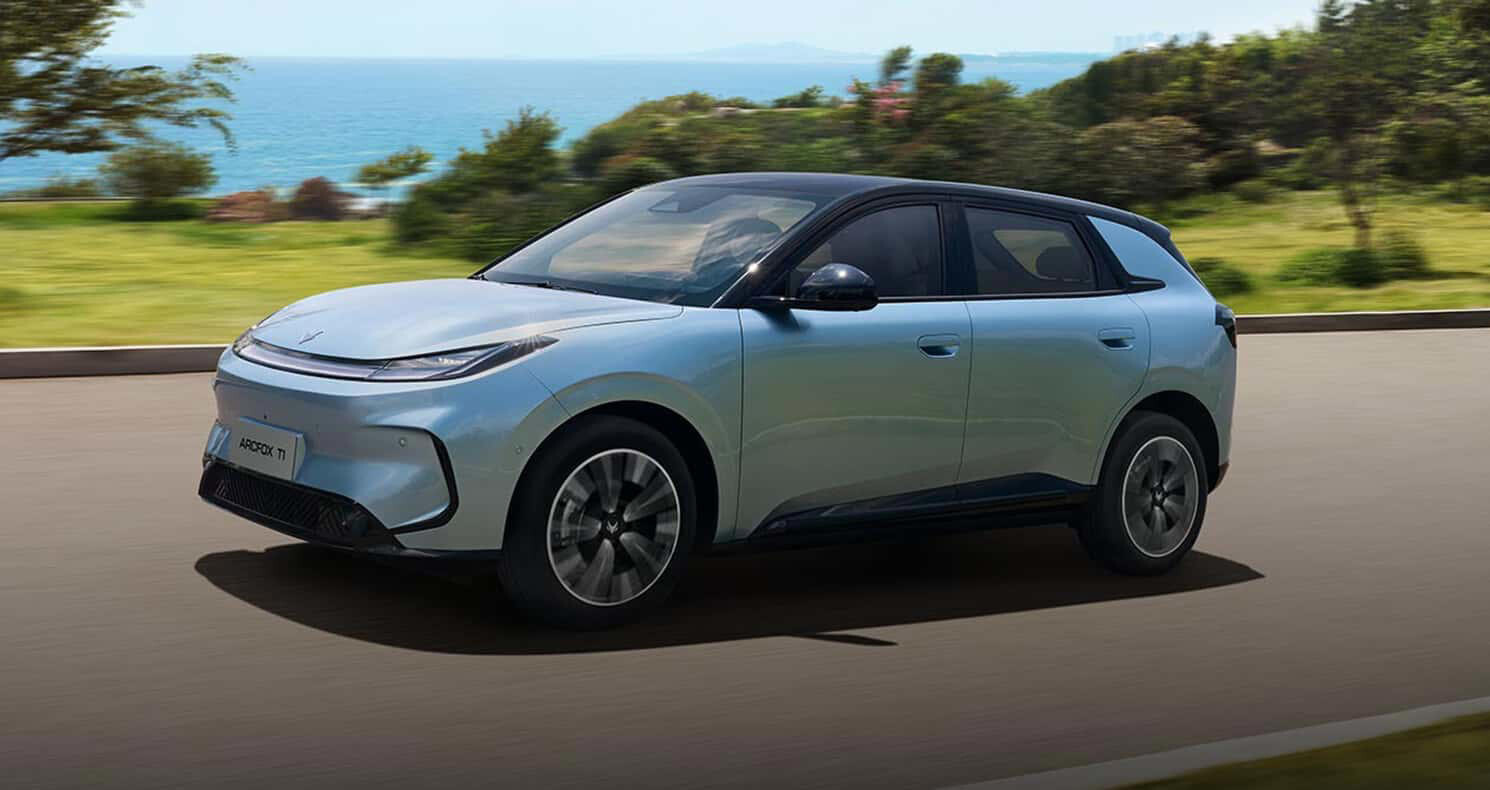
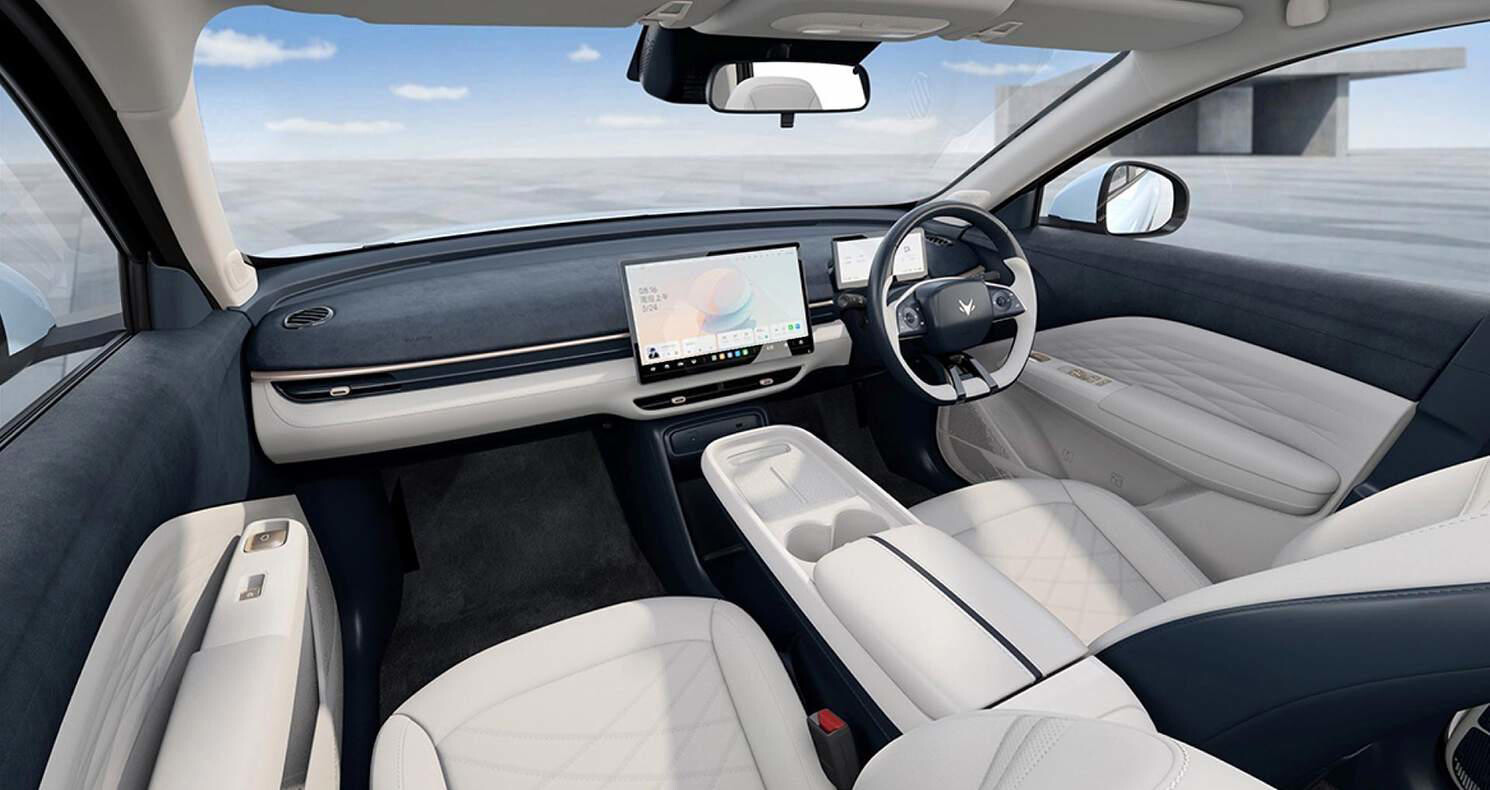
BAIC CEO Zhang Jianyong justifies the stronger focus on CATL, citing the high costs of building and operating its own swap stations. Battery manufacturers could benefit more from economies of scale in this area. The first compatible models are already on the market. In November, BAIC’s Arcfox brand launched swappable battery versions of the Beta T1 and Beta S3 in China. Arcfox also announced that it will offer a swappable battery version for every model in its lineup next year.
CATL’s Choco-Swap system relies on standardised battery modules that can be used by various automakers. This approach differs from older proprietary systems used by individual manufacturers like BAIC.
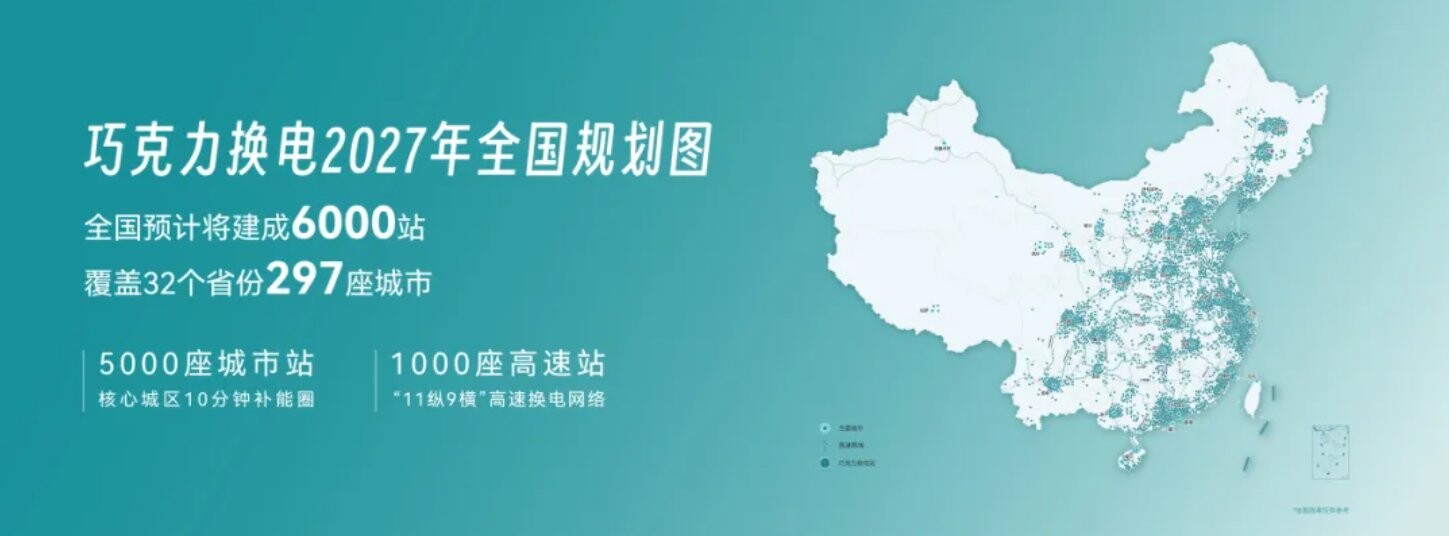
As of late September, the Choco-Swap network reportedly had more than 2,500 stations in around 200 Chinese cities, according to Chinese industry media. By 2027, this number is expected to grow to 6,000 stations in 297 cities. In the long term, CATL aims for 30,000 locations.
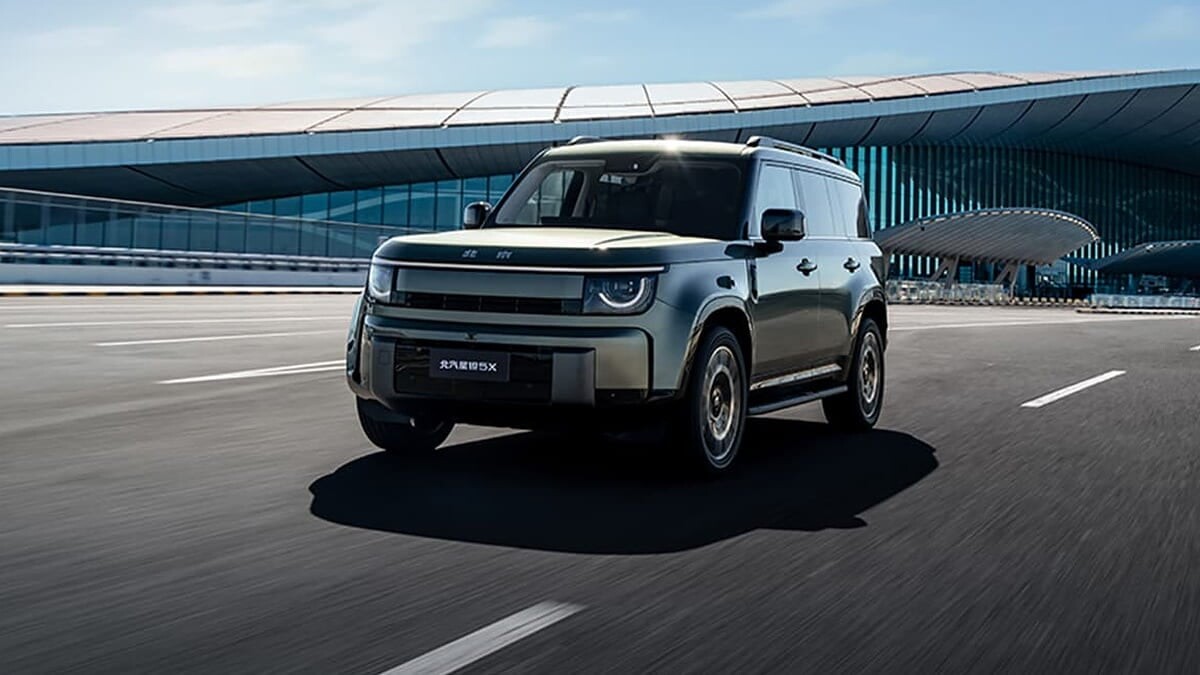
With the sale of its own swap stations, BAIC is not abandoning battery swapping altogether. Instead, the manufacturer is increasingly shifting its infrastructure to CATL’s larger, standardised network and focusing more on compatible vehicles.