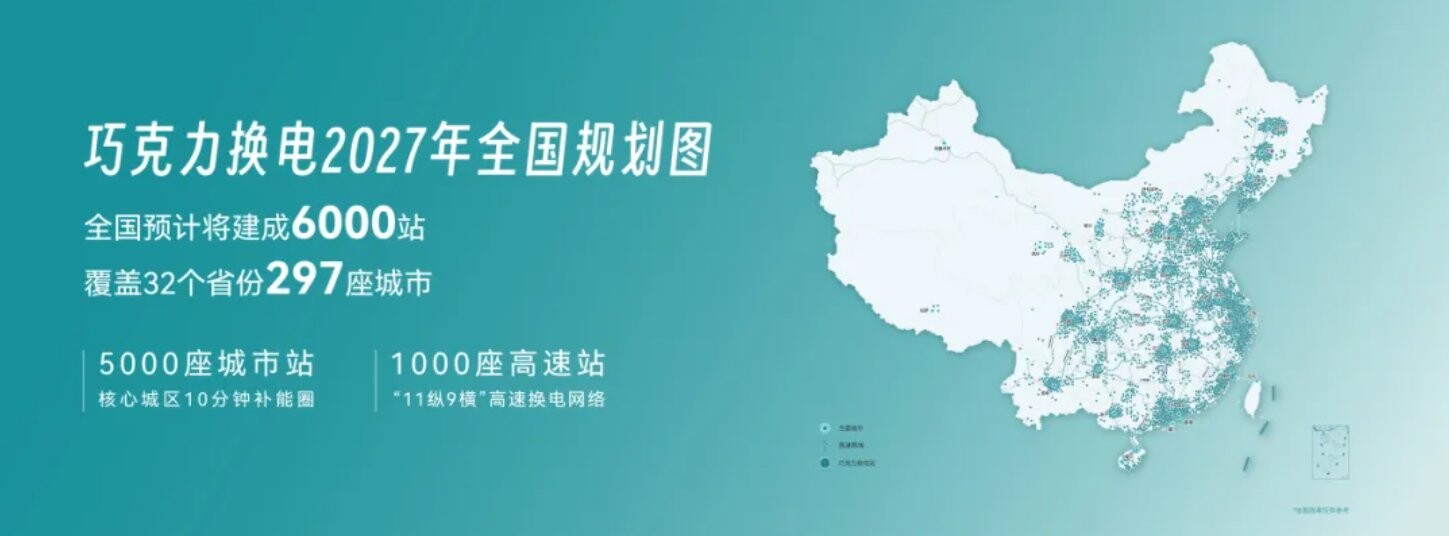
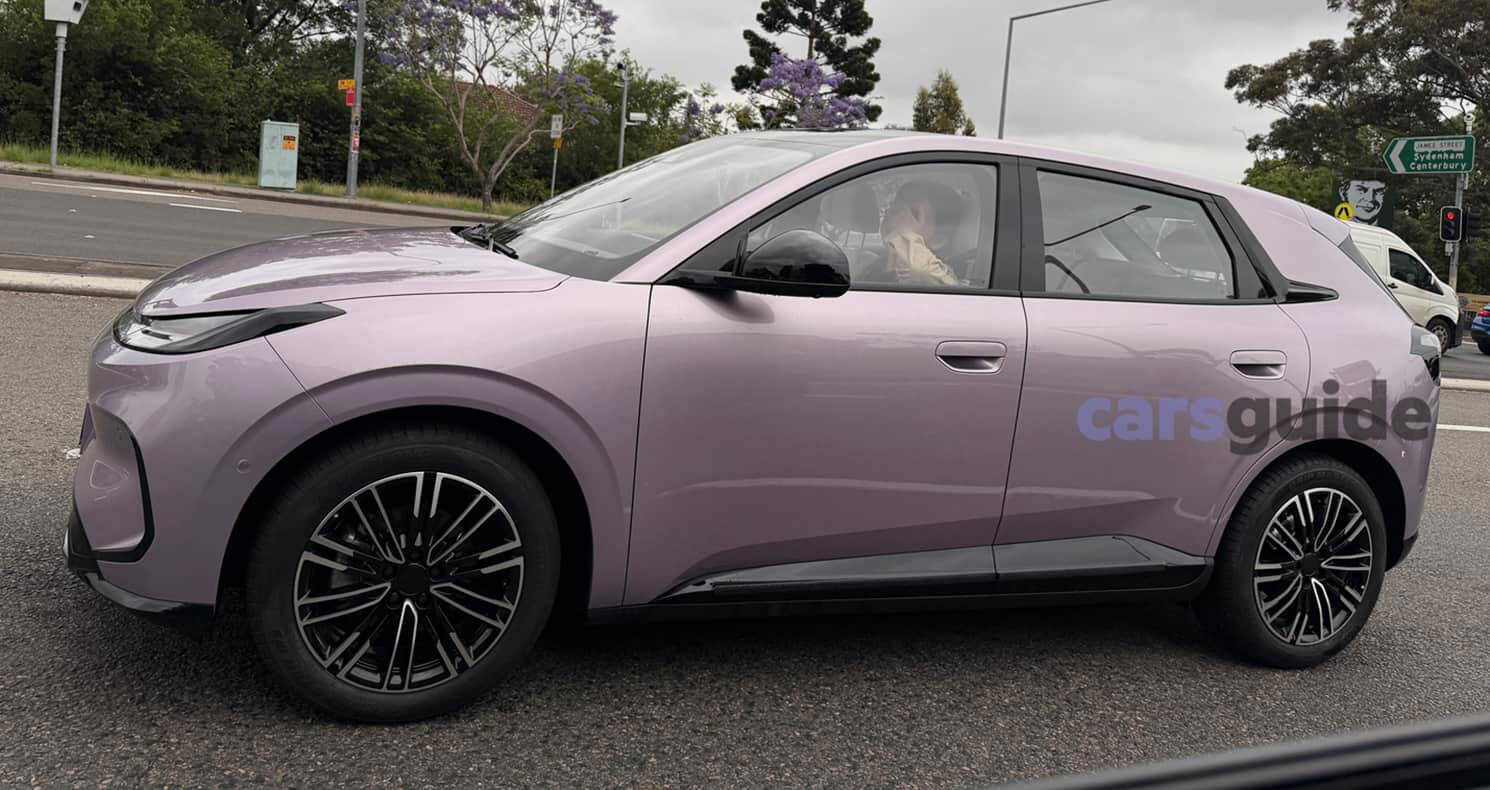
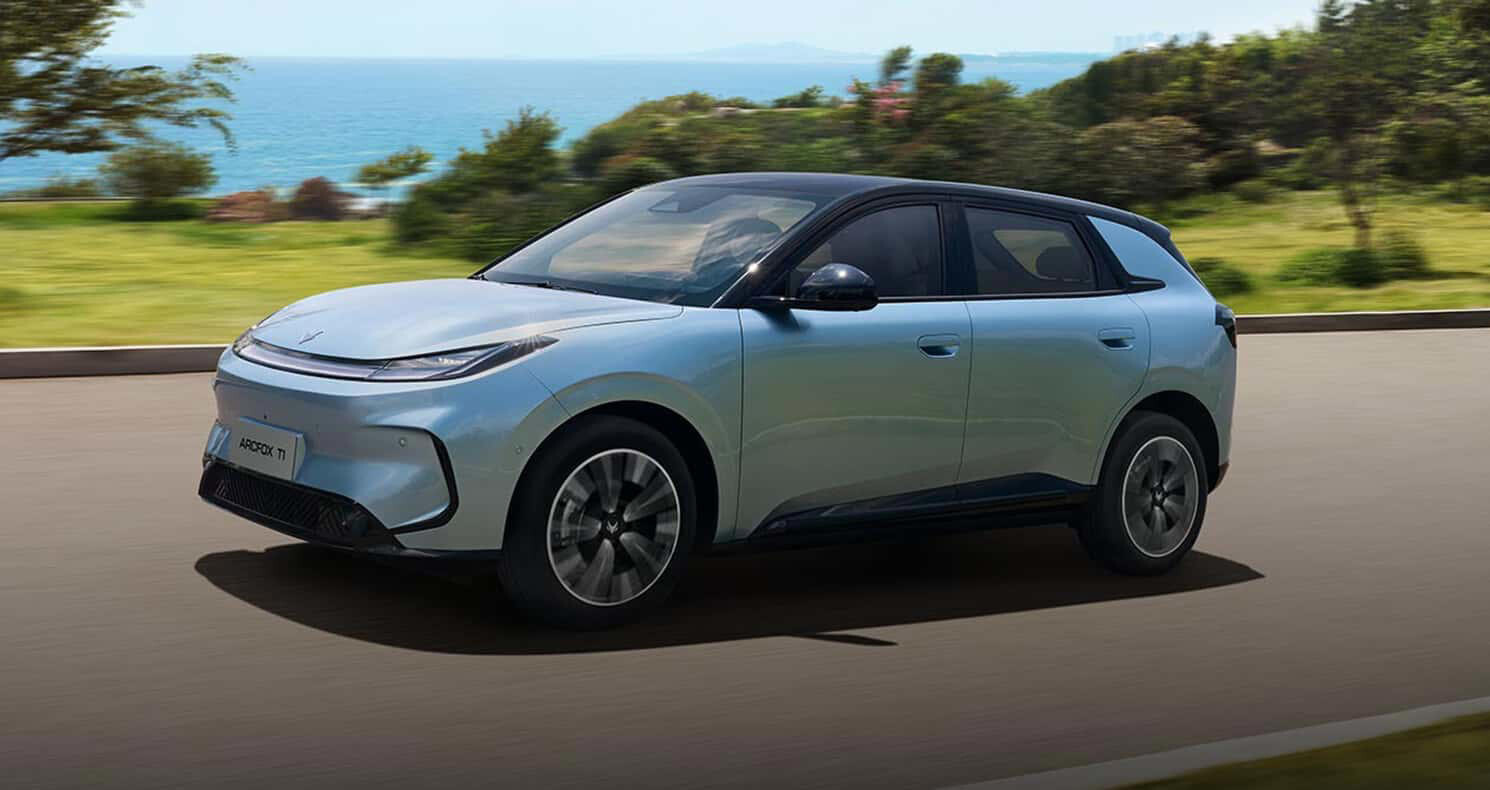
BAIC plans to sell assets linked to 112 battery-swap stations. The automaker was one of China’s first companies to offer battery swapping for electric taxis. It is now moving its swap business onto CATL‘s “Choco-Swap” network. In a Hong Kong Stock Exchange filing on Nov. 17, BAIC Motor said wholly owned subsidiary BAIC Powertrain will sell the assets through a public auction on the Beijing Equity Exchange. The package includes the inventory, fixed assets, construction in progress and intangible assets tied to running the stations. The floor price is the assessed value of about 278 million yuan (41.4 million USD), excluding tax. That is based on a Sept. 30, 2026 valuation and is about 1.54% above the assets’ book value of roughly 274 million yuan (40.8 million USD). No buyer has been named, and no sale agreement has been signed. If the sale closes in 2026 at the assessed value, BAIC expects its consolidated profit to rise by about 3.52 million yuan (524,000 USD) after transaction costs. It plans to use the proceeds to support operations. What each station is worth Dividing the assessed value by 112 gives about 2.48 million yuan (370,000 USD) per station. Based on book value, the figure is about 2.45 million yuan (364,000 USD). Some figures for comparison: March 2025 purchase: BAIC Powertrain paid about 129 million yuan (19.2 million USD) for 40 stations from Blue Park Energy, a related BAIC Group company. That works out to about 3.23 million yuan (480,000 USD) per station, about 30% above the current per-station valuation. The 2017 plan: BAIC’s “Optimus Prime Plan” called for RMB 10 billion yuan (1.49 billion USD) of investment by 2022 to build 3,000 solar-storage swap stations and put 500,000 swap vehicles on the road. If all of that money had gone to stations, the target would have meant about 3.33 million yuan (497,000 USD) each. A BAIC Blue Park Energy swap station. Credit: Sinochem From taxi pioneer to legacy assets BAIC’s new-energy unit started offering battery swapping to taxis and ride-hailing vehicles in Beijing in 2015. In 2016, it began running swap operations with Aulton and other partners. By the end of November 2019, Beijing Aulton was running 41 swap stations in the city, serving about 4,000 vehicles. By September 2021, BAIC had put 32,000 swap vehicles on the road in 19 cities and built 255 supporting stations. That included 20,000 swap taxis in Beijing, as reported by News.cn. The network was often underused. A 2020 report found only about 3,000 vehicles a day using roughly 70 stations on the BAIC-Aulton platform, and many sites sat quiet for much of the day, as reported by 36kr. The 3,000-station goal was never close to being met. Media reports describe the 112 stations now for sale as most of what BAIC actually built over the years. BAIC’s older stations mainly served fleet customers such as taxis and ride-hailing operators and used BAIC’s own technical standard. CATL’s Choco-Swap system uses standardised battery blocks and is open to the whole industry. As BAIC’s Arcfox models join the CATL network, the old stations have become a burden. Joining CATL’s network The sale comes as BAIC is working more closely with CATL: April 25: BAIC Group, CATL and CATL’s battery-swap unit signed a strategic agreement covering swap-model development, a combined fast-charging and swapping network, and battery lifecycle management. Oct. 22: BAIC and CATL signed a “million-vehicle” swap agreement. BAIC will bring compatible models from several of its brands onto the Choco-Swap network, aiming for one million swap-capable vehicles. On Nov. 13, Arcfox launched the Beta T1 swap edition in two versions, the 530 Pro at 52,000 yuan (7,700 USD) and the 530 Max at 60,000 yuan (8,900 USD). It also launched the Beta S3 535 Ultra LiDAR swap edition at 78,800 yuan (11,700 USD). The T1 uses a 54-kWh CATL lithium iron phosphate battery. It has a CLTC range of 530 km (~429 km WLTP) and can swap batteries in as little as 99 seconds. Battery rental costs 399 yuan (59 USD) a month with a 5,000-km monthly limit, or 599 yuan (89 USD) a month with no mileage limit. CATL’s Choco-Swap network had more than 2,500 stations in 200 cities by the end of September. The company plans 6,000 stations in 297 cities by 2027 and has a long-term target of 30,000. A CATL Choco-Swap station. Credit: CATL

 Liked by Caleb King, Isabelle Hill
























 Liked by Caleb King, Isabelle Hill