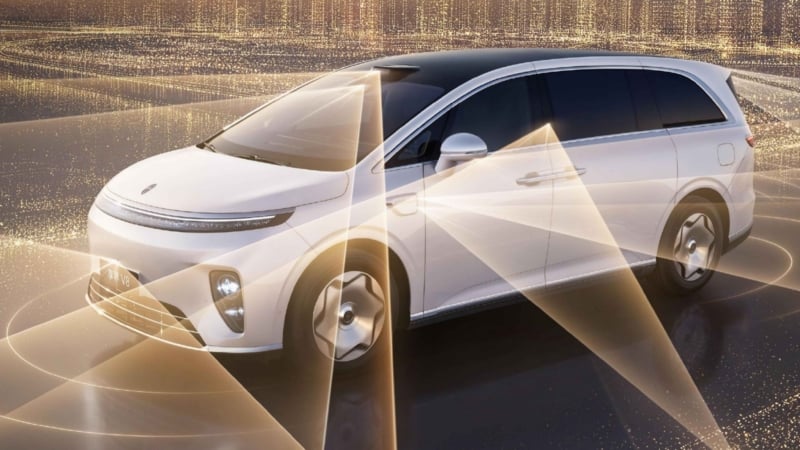
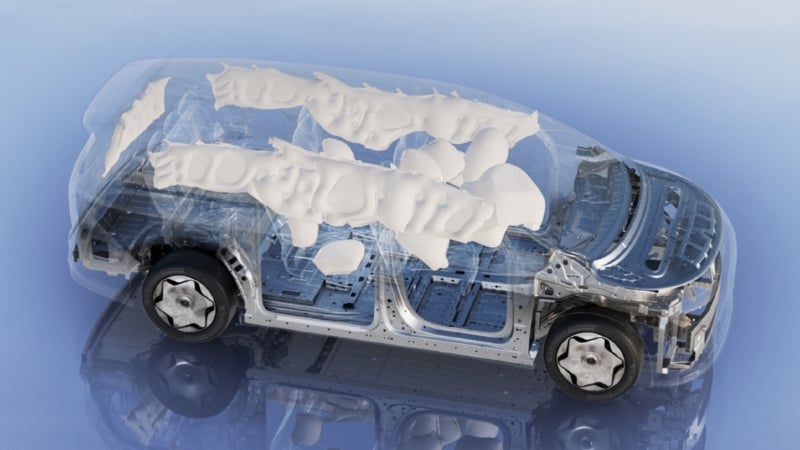
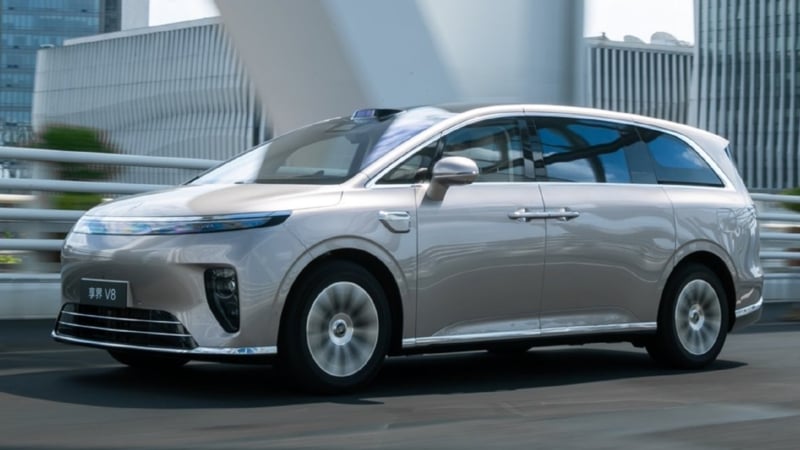
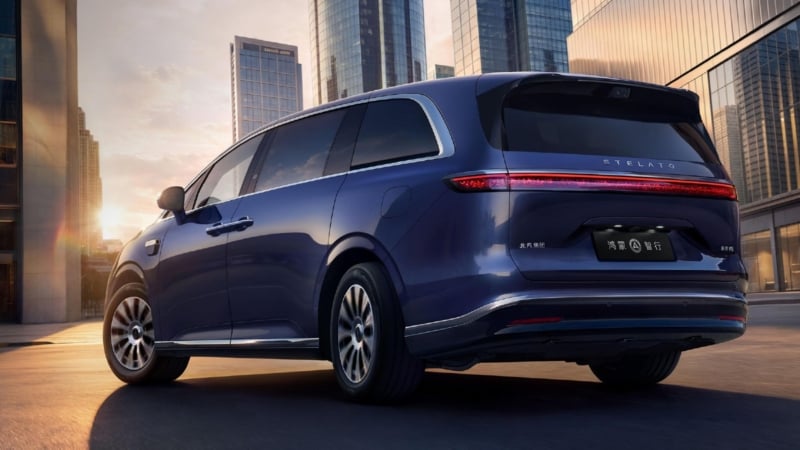
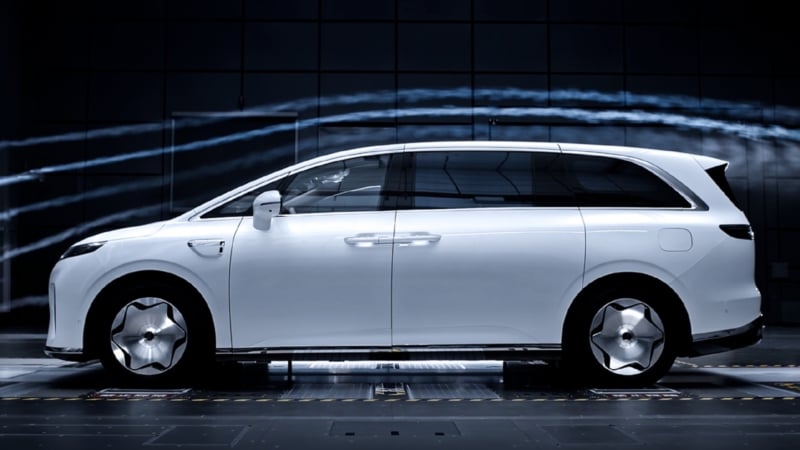
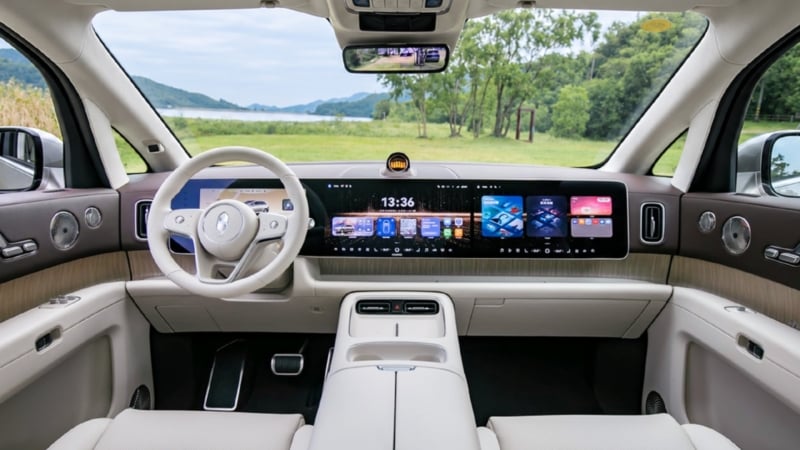
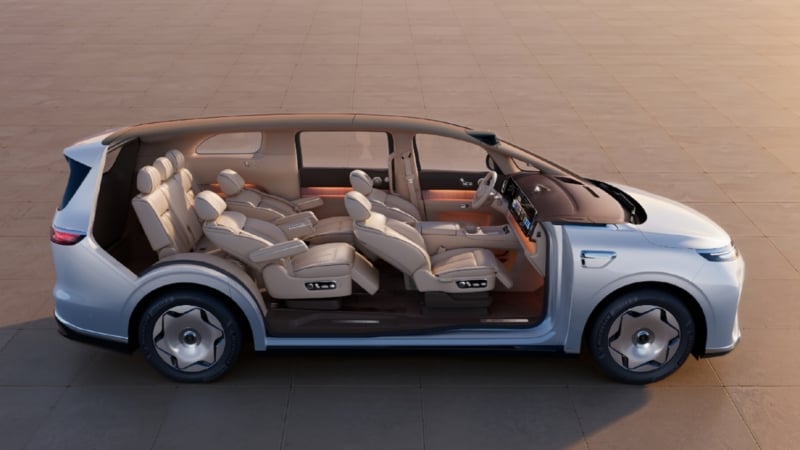
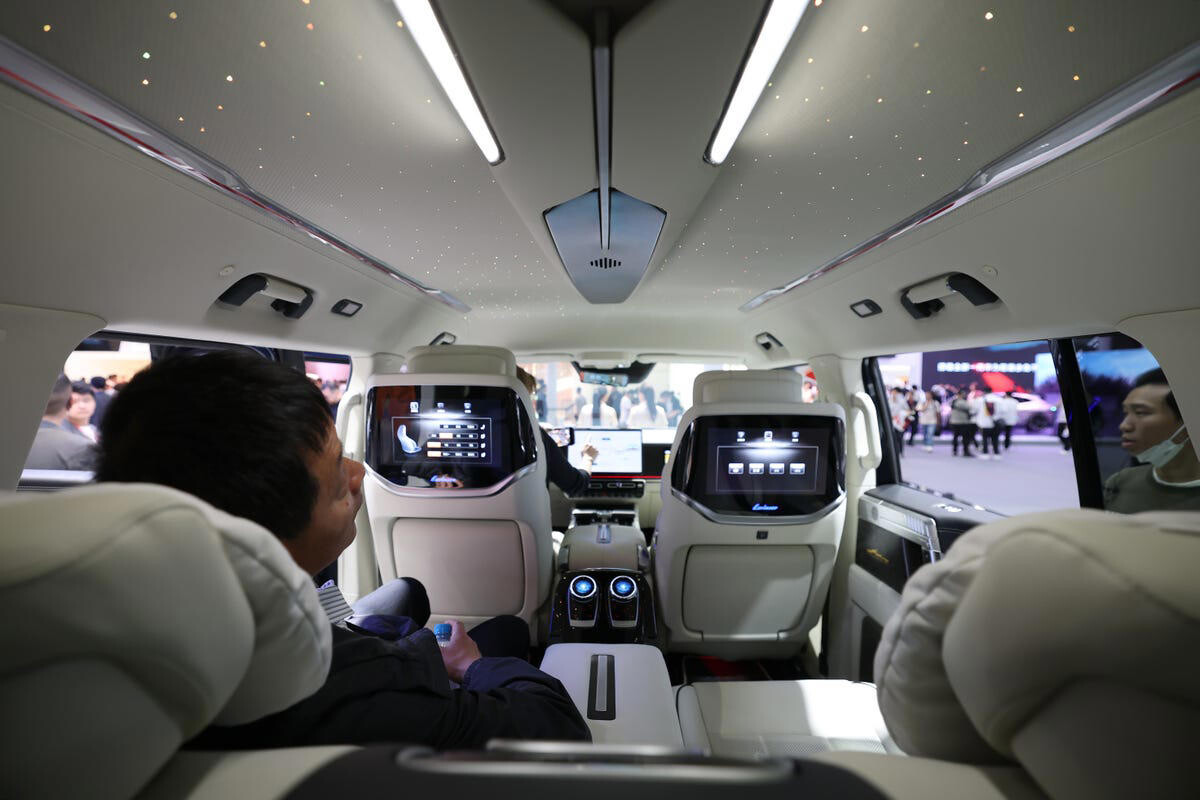
The first Chinese automaker commenced the L3 autonomous driving tests on intercity highways at speeds up to 120 km/h. When Level 3 autonomy is active, the driver can be distracted from the road and get on with other things while the car is driving to the destination. The beginning of validation on highways brings the mass adoption of the L3 ADAS one step closer. China granted the first conditional Level 3 autonomous driving permits to Changan and BAIC, allowing their cars (Deepal SL03 and ArcFox Alpha S) to drive in designated areas within Beijing and Chongqing with a strict speed limit. Later, Xpeng, Li Auto, BYD, Avatr, and other brands obtained similar permissions. China also strives to implement the new autonomous driving standard for L3 and L4 systems. It will come into force on July 1, 2027. On November 17, the Stelato brand from the Beijing-based automaker BAIC and Huawei announced the beginning of the L3 autonomous driving system on highways for the Stelato V8 minivan. Before the real-world validation, this family driver underwent simulation-based testing. It was also checked on closed tracks. The Stelato V8 is reportedly ready for various scenarios, including stationary vehicles parked in the lane, slow-moving traffic ahead, sudden braking by vehicles ahead, etc. The Stelato V8’s safety features The new model from BAIC and Huawei is capable of L3 driving at 120 km/h, changing lanes, and decelerating when approaching highway ramps. The system can reportedly work during “light-to-moderate” rain, snow, and at night. The Stelato V8 is equipped with the Huawei Qiankun ADS 5.0 ADAS. It adopts a total of 38 sensors, including four LiDARs. The roof-mounted LiDAR boasts 896 lines. The same ADS 5.0 system is adopted by a lot of other models under the Huawei umbrella. Back to the Stelato V8, it is a large minivan with dimensions of 5335/2005/1825, produced by BAIC in Beijing. For clarity, it is 160 mm longer than the Toyota Sienna. The V8 adopts a seven-seat interior with a 2+2+3 layout. Its dashboard has three screens and no physical buttons. Other interior features include a 21.4-inch ceiling-mounted screen and zero-gravity second-row seats. The Stelato V8 also has rear-wheel steering and an air suspension that allows increasing the ground clearance to 380 mm. The Stelato V8 The pure electric version of the Stelato V8 comes with a rear-mounted single e-motor for 227 kW (304 hp) paired with a 120 kWh battery. Its CLTC range is 830 km, which is around 681 km under WLTP conditions. There is also a dual-motor AWD variant that generates 387 kW (519 hp). Thanks to the same battery pack, it can run up to 775 km CLTC (636 km WLTP). The EREV variant of the Stelato V8 has the same electric motor variants. However, this modification also adopts a 1.5-liter turbocharged engine under the hood. It works as a generator, sending power to a battery with a capacity of 56 or 75.4 kWh, depending on the trim level. The Stelato V8 EREV has a pure electric range of 330-430 km under CLTC conditions (271-353 km WLTP). Interior of the Stelato V8 The Stelato V8 previously became available for order in China with a price range of 329,800 – 449,800 yuan (49,475 – 67,475 USD). Huawei’s sales network, HIMA, will handle the V8’s sales. The new MPV will officially enter the domestic market on November 20. This launch shows how highly competitive the premium minivan segment actually is in China. We would also like to highlight that the Stelato V8 will pose one more threat to the China-made Mercedes-Benz VLE, which is expected to make its official debut at the Guangzhou Auto Show on November 27.

 Liked by Justin Martin, Lauren Lee











 Liked by Justin Martin, Lauren Lee