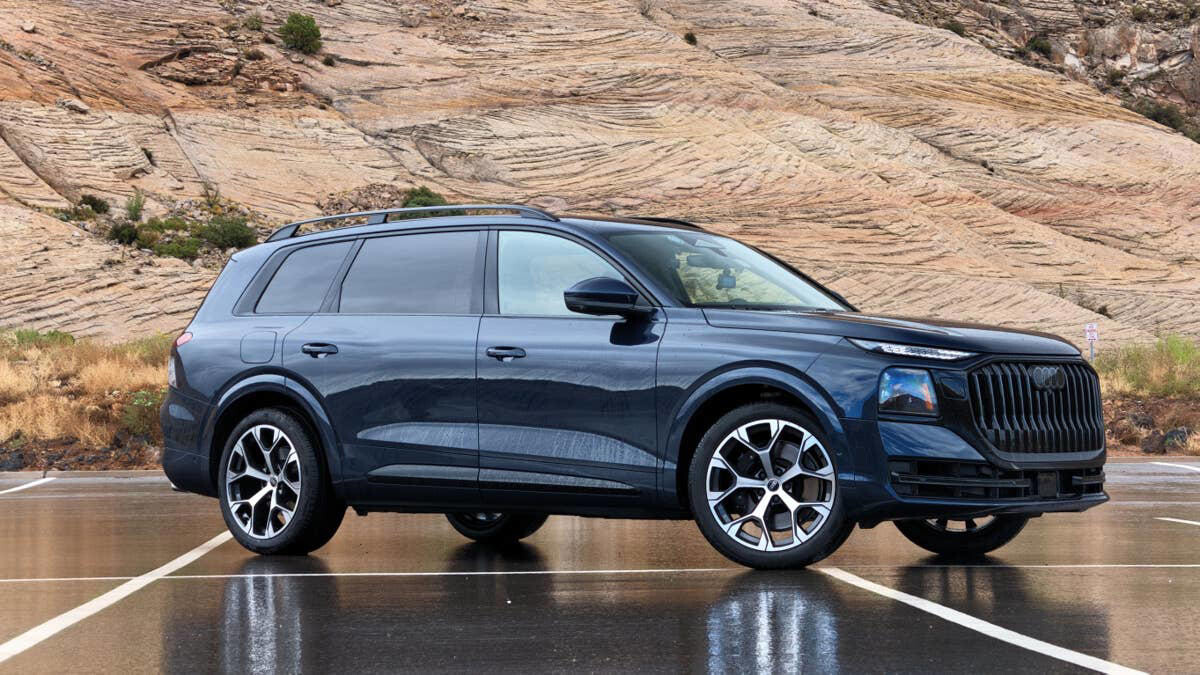
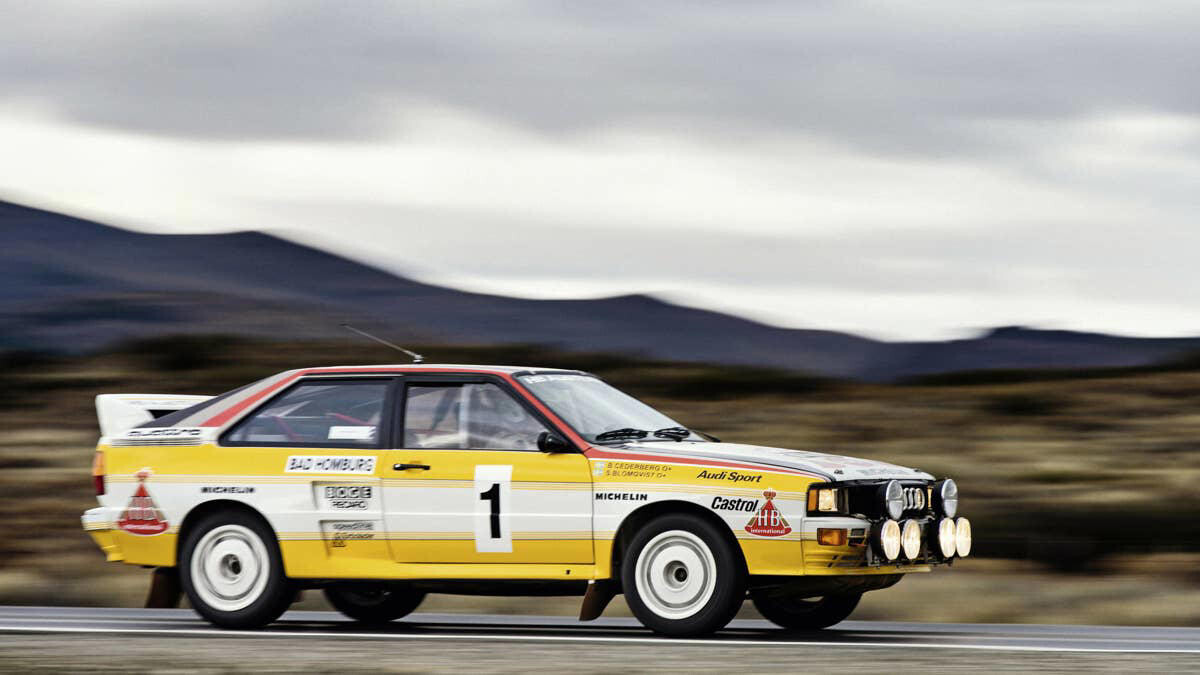
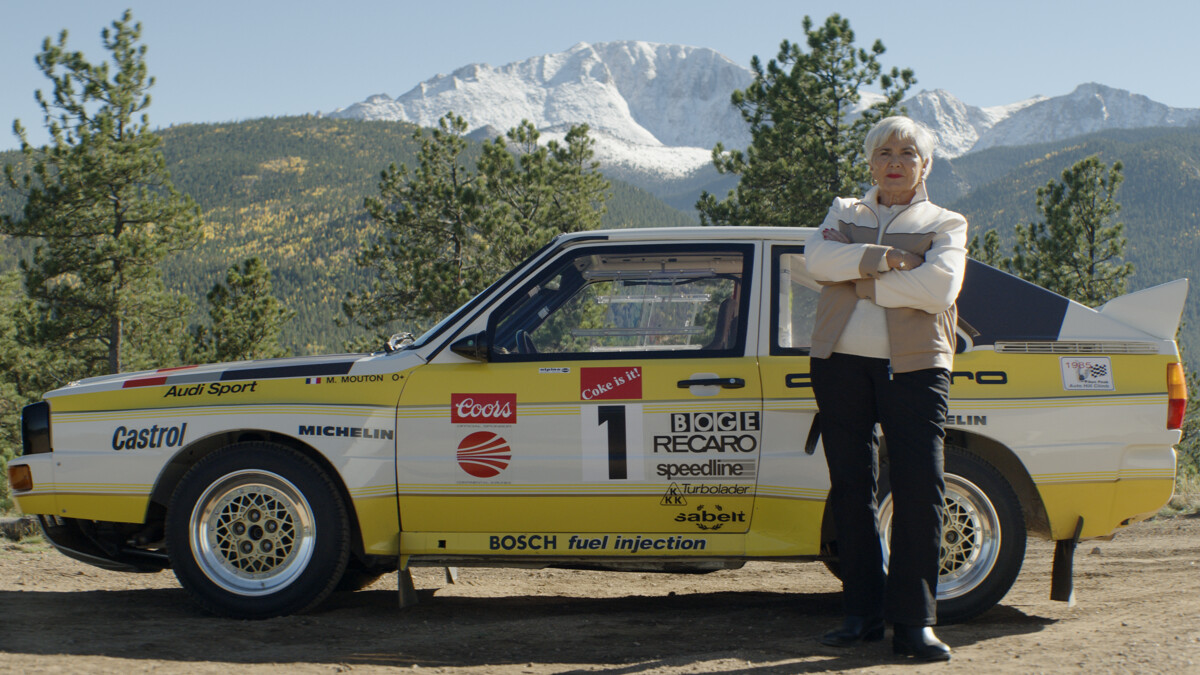
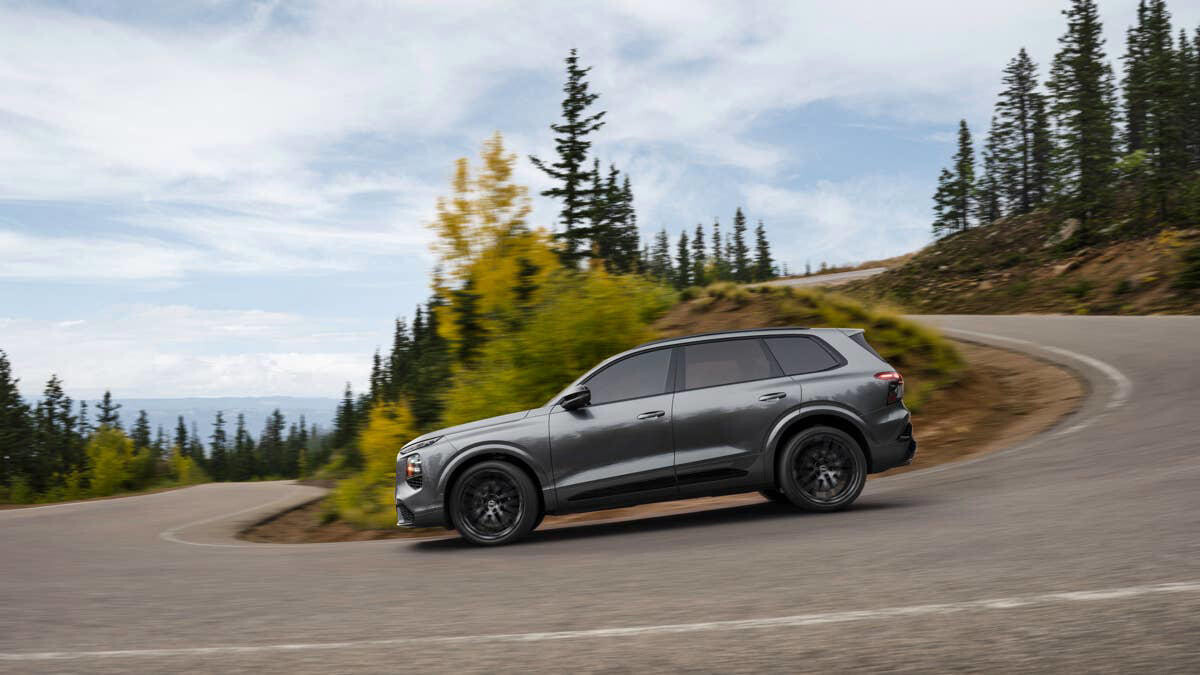
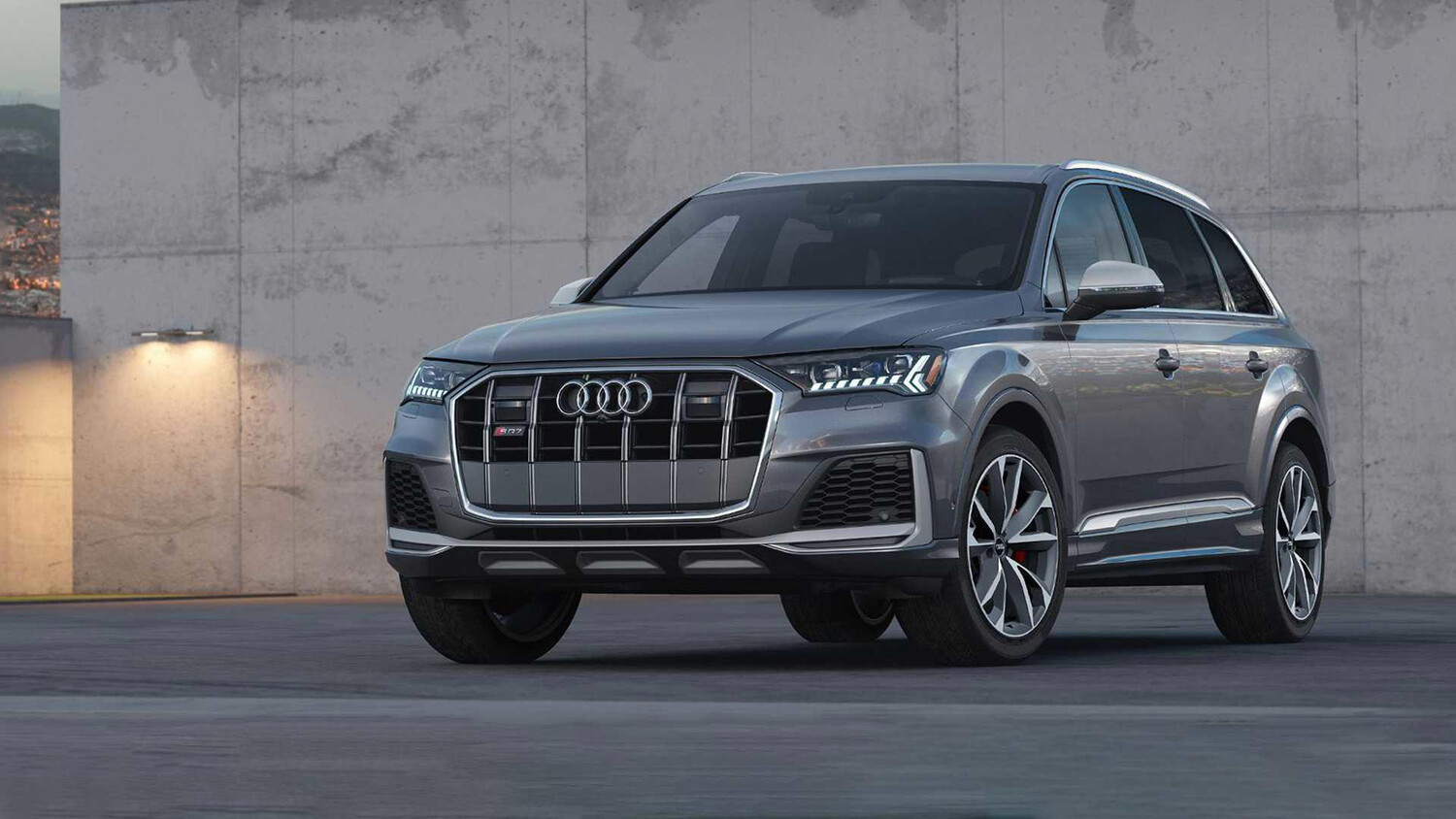
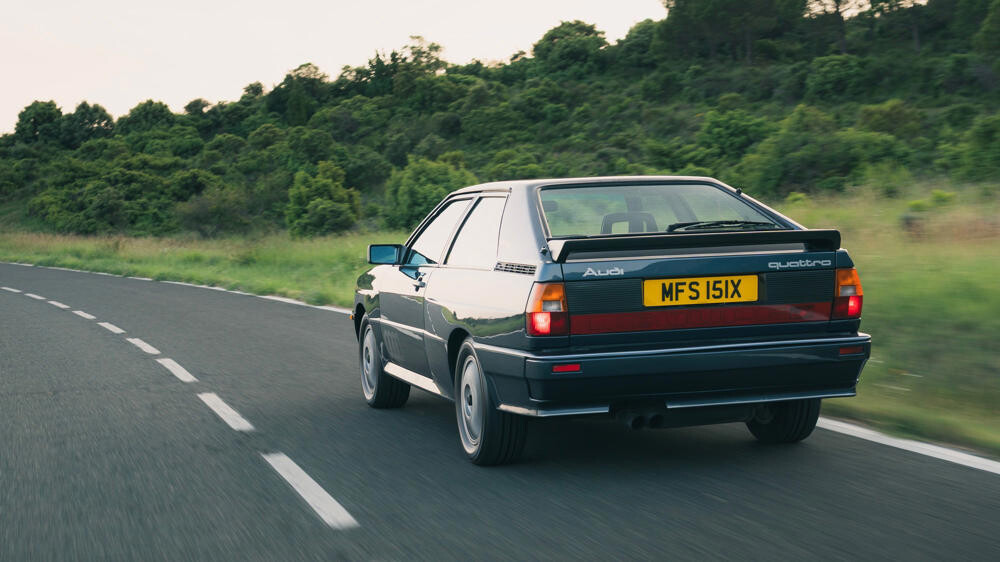
The Car That Defined Audi Audi made some good cars in the ’70s, but it had yet to hit its stride at that time. It was only when Ferdinand Piëch became head of special projects and chief engineer that the company found its identity. Guided by the principles of advancement through technology, that saying culminated with the introduction of the Quattro in 1980. The Quattro then redefined the entire sport of rallying, along with the more widespread adaptation of all-wheel drive in road cars, along with Subaru. While a great majority of Audis were still sold with front-wheel drive, the Quattro gave the company an aspirational halo model that, no doubt, did huge favors for its credentials. Audi even ended up using the same name for its all-wheel drive system. Such was the impact of that model. Audi Today Audi is in a bit of a tight spot at the moment, but the range of models it has right now is genuinely good as a whole. In more recent years, it’s overhauled its lineup with a barrage of all-new models introduced, with more coming soon. There’s a lot of catching up to do, but in the meantime, the folks from Ingolstadt would like to remind everyone how far the brand has come, as well as showing off its heritage. The German automaker recently aired an ad featuring the SQ7. At the same time, it brought out not one, but two rally legends. The first is the Sport Quattro, while the second is none other than Michele Mouton. Both don’t need much of an introduction, but one can say both broke the mold and are highly regarded. So, what’s the link between the SQ7 and the original Quattro? Simply put, the Quattro’s legacy has been passed on for several generations, and yes, even a family crossover can still have enough of its ancestor’s DNA to still be related. At least, that’s what Audi wants to convey. SQ7 vs Quattro One is clearly a family bus, while the other is a sports coupe. Body style differences aside, Performance has moved on quite a lot in the last 46 years. The Quattro originally came with a 2.1-liter turbo five-cylinder that had 197 hp. Of course, the U.S. versions were kneecapped due to emissions, knocking output down to 160 hp. Later models got a 20-valve 2.2-liter engine that increased power to 217 hp. As for the SQ7, it makes 591 hp and 590 lb-ft of torque from its 4.0-liter twin-turbo V8. That’s literally three times the power of the Quattro, and while the SQ7 is obviously a far heavier vehicle (under 3,000 lbs versus nearly 5,500 lbs), the power advantage easily overcomes the weight penalty. The SQ7 gets to 60 mph in about 3.7 seconds, while the Quattro took a little over 7 in its earliest forms. Even a regular Q7 with its 2.9-liter twin-turbo V6 can leave the ur-Quattro far behind. If anything, the SQ7 is probably as fast as the Sport Quattro rally car that helped Mouton win the 1985 Pikes Peak, at least in a straight line. Of course, physics will favor the race car, but the fact that a three-row family crossover that has as much power as a Group B rally car from the ’80s is sitting in showrooms now is an amusing thought. That said, we’d love to drive the Quattro, but if there’s a need to carry the family and luggage around, the SQ7 isn’t a bad choice, either.

 Liked by Henry Martin, Zoë Brown











 Liked by Henry Martin, Zoë Brown