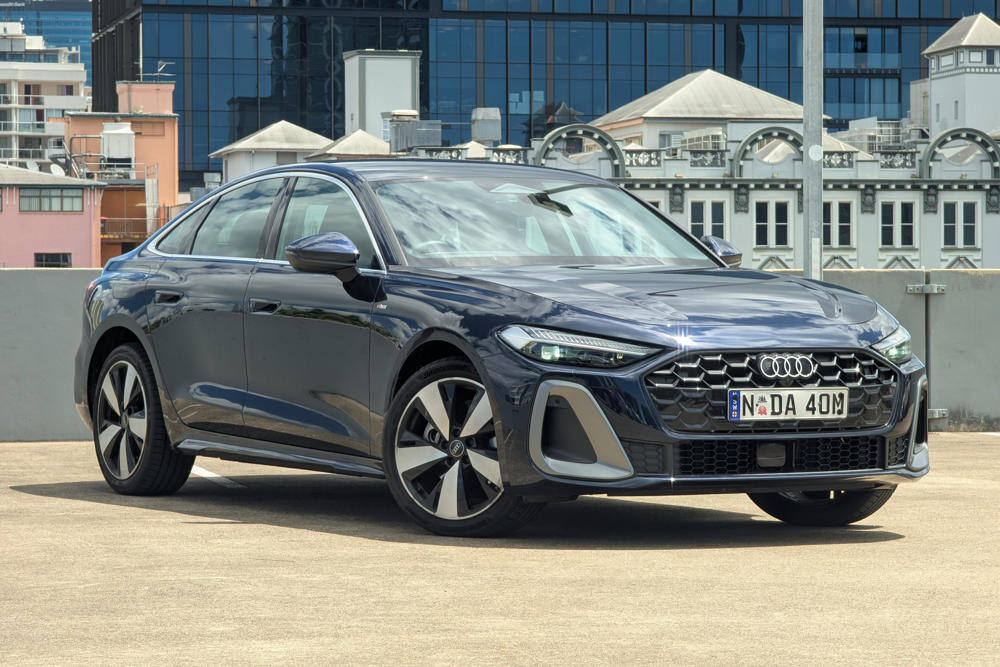
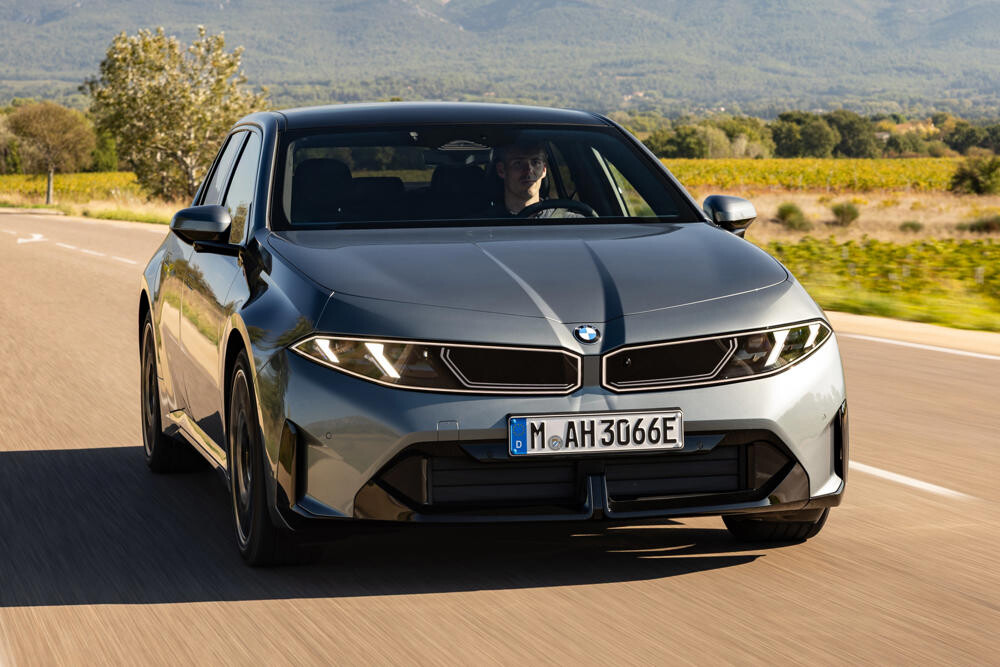
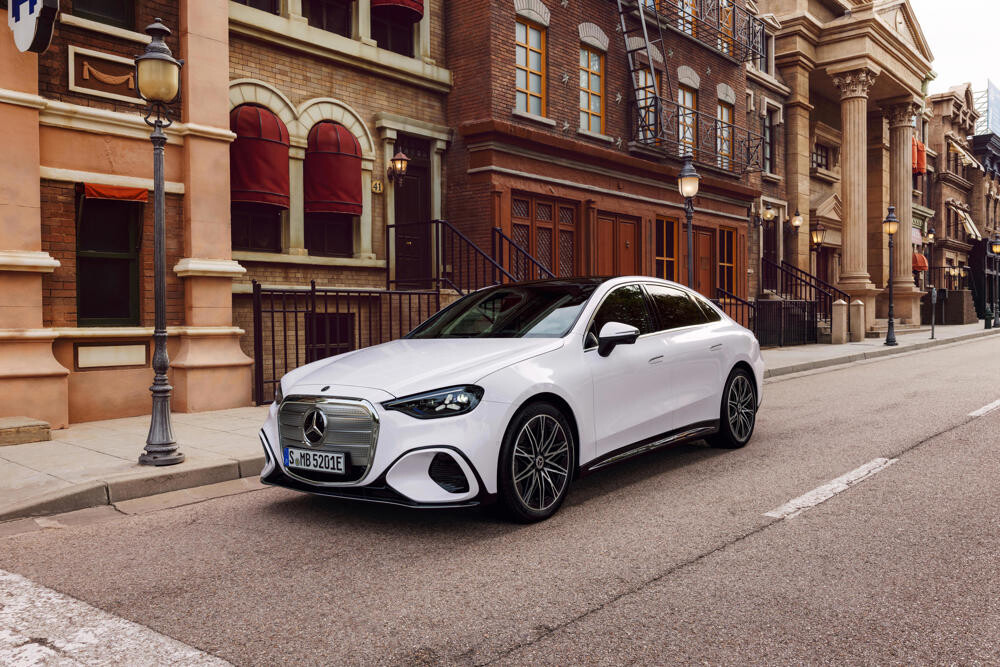
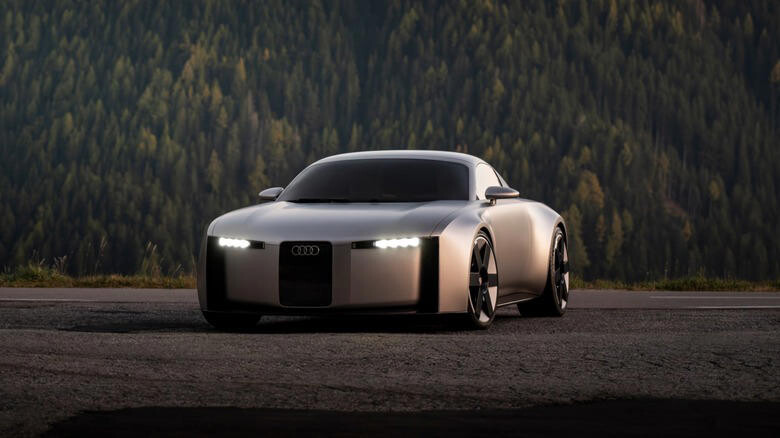
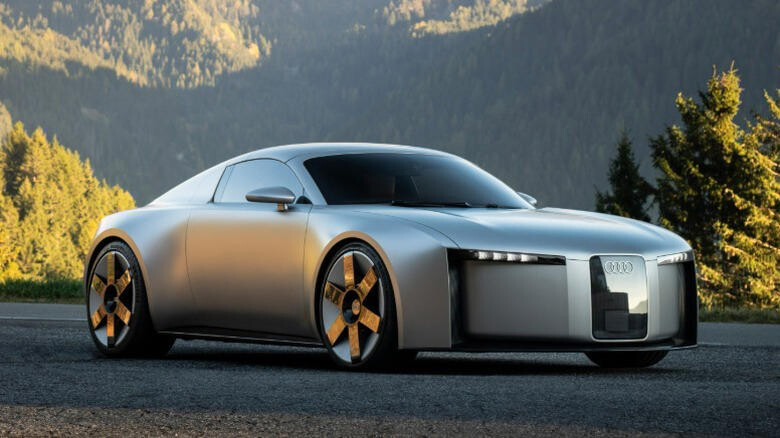
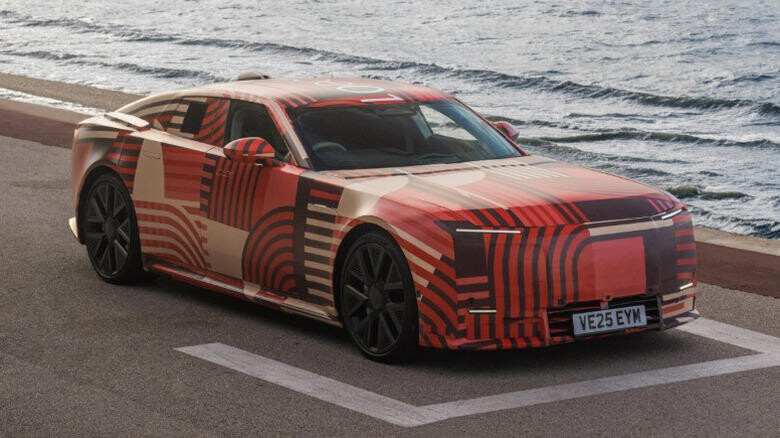
The timeline for the Audi A4 e-tron has slipped again, with the electric sedan's debut pushed back from 2028 to 2029, at the earliest. According to Autocar, the A4 e-tron's launch has been delayed because Audi has asked for major changes to the Scalable Systems Platform (SSP) that underpins it. One key request is adding front- and rear-seat footwells to improve interior space and passenger comfort without raising the roof height. SSP, like most other EV-specific architectures, has a flat battery pack built into the floor, which allows for larger capacity batteries to be used, but eats into leg space unless the seats, and subsequently the roof, are raised. By creating foot wells, Audi is hoping to have a more traditional seating position, but engineers need to repackage the battery and move around key electrical components. Audi is also insisting on a 48V electrical system, rather than the 12V setup used on most other vehicles. While a 48V setup has lighter cables and can more easily power more advanced computer systems, it means partner Rivian has to rework large parts of the electronics architecture. If this report is correct, Audi will be without a competitor for the electric BMW i3 sedan and wagon, and Mercedes-Benz C-Class EV for at least another two-and-a-half years. This is far from the first delay for SSP. Initially due to launch in 2026, the project was repeatedly delayed as Cariad, the Volkswagen Group's software development arm, struggled to develop an electrical and software system that could support over-the-air updates, autonomous driving and other modern features. In 2024, Volkswagen turned to American EV firm Rivian to develop these critical components instead. The delays that have beset SSP are not only affecting the A4 e-tron, but practically every next-generation EV from the German automaker, as the platform is set to replace both affordable MEB and high-end PPE EV architectures. MEB, developed by Volkswagen, currently underpins vehicles such as the Volkswagen ID. Tiguan, Skoda Enyaq, Ford Capri EV, Cupra Born and Audi Q4 e-tron. Meanwhile the Porsche-developed PPE serves as the basis for the Audi A6 e-tron and Q6 e-tron, Porsche Macan and Cayenne EVs, and Bentley Torcal.