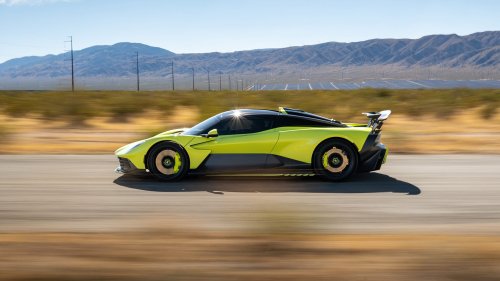
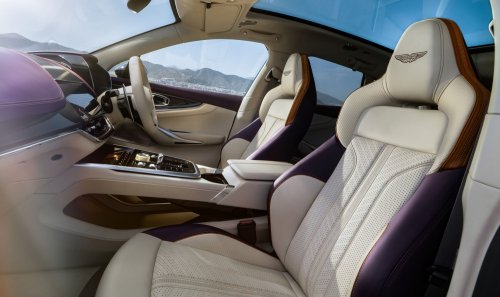
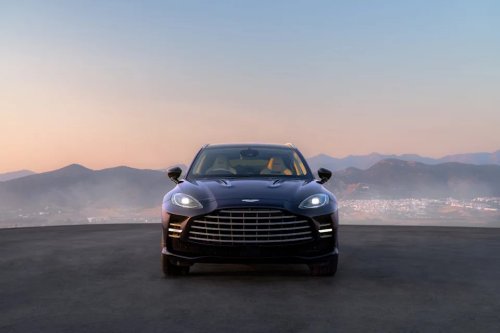
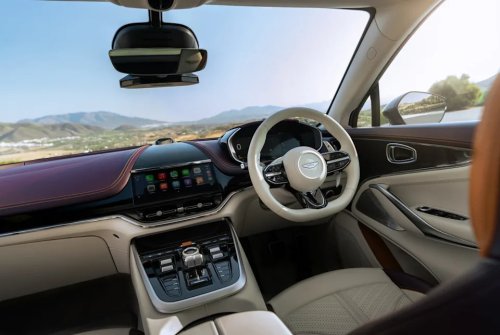
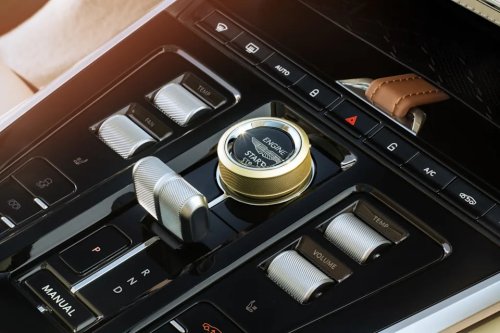
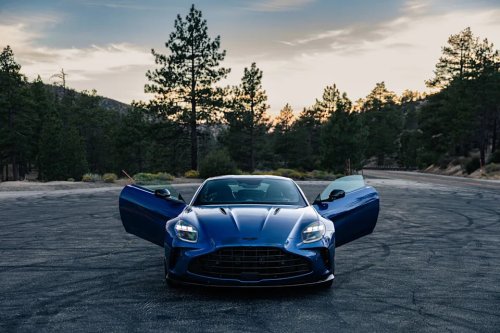
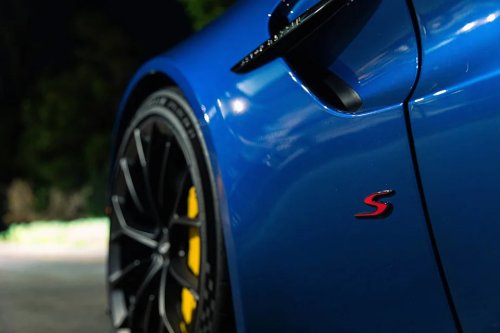
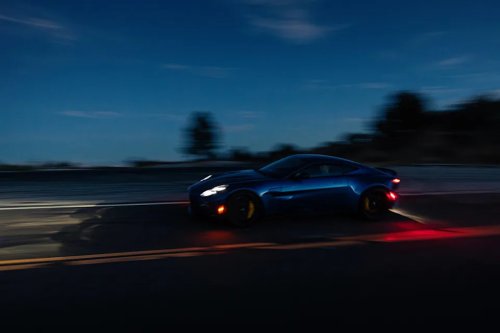
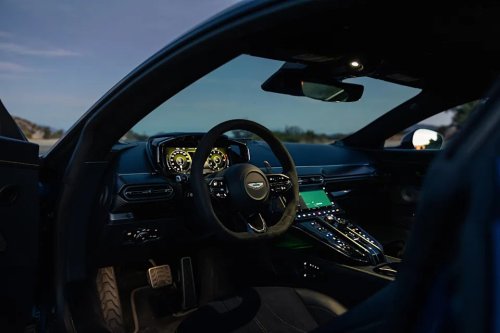
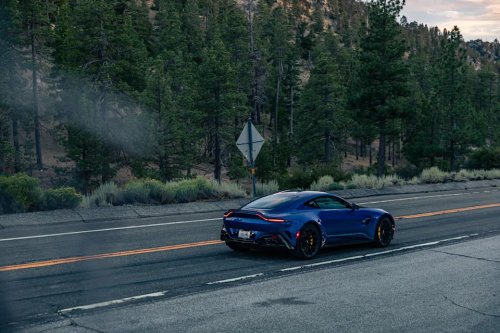
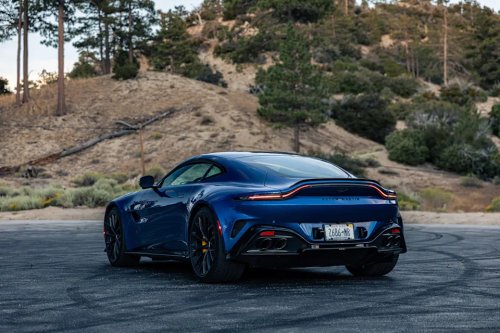
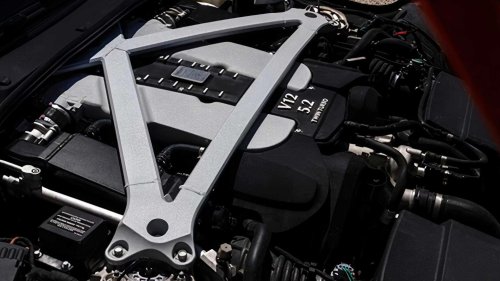
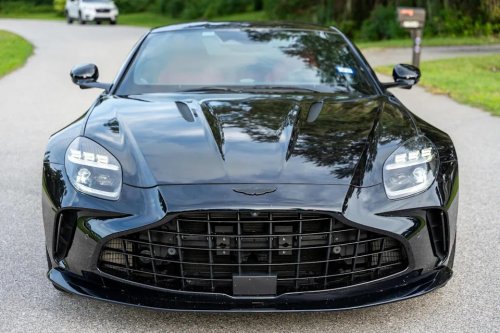
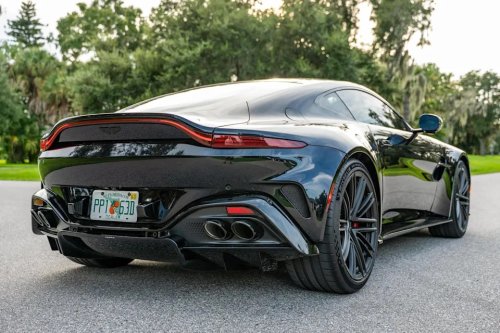
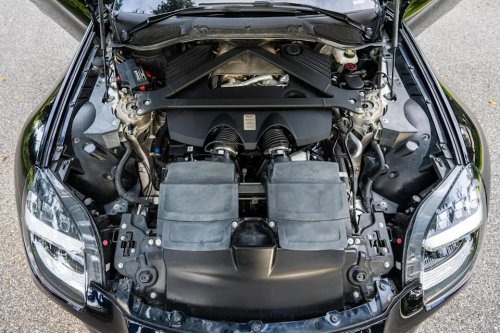
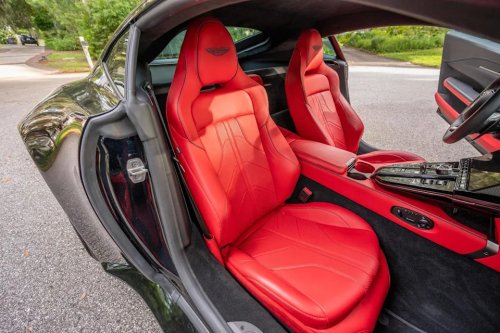
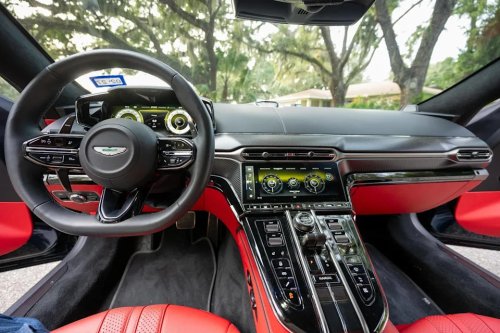
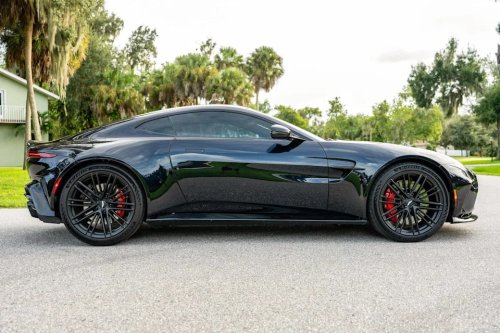
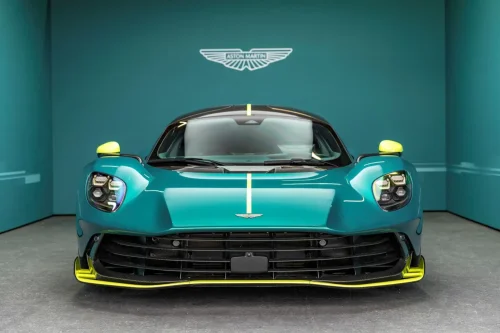
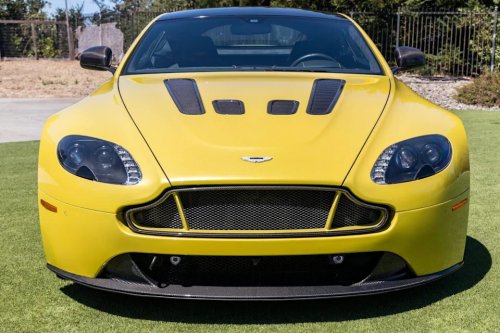
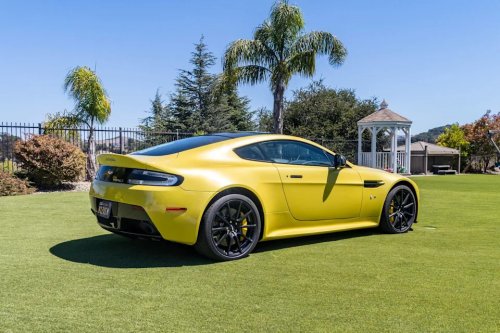
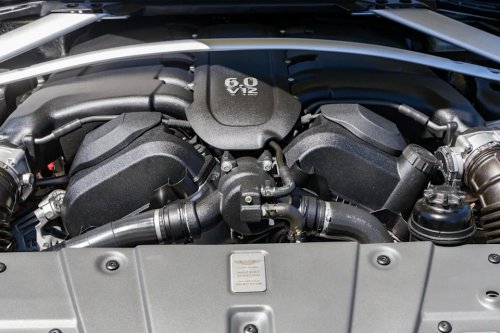
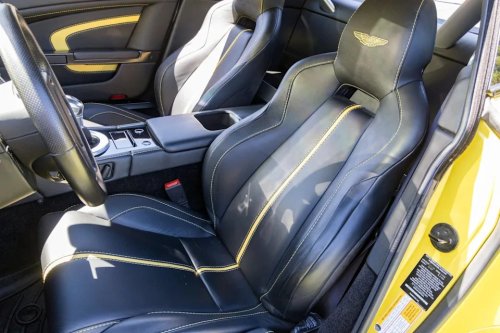
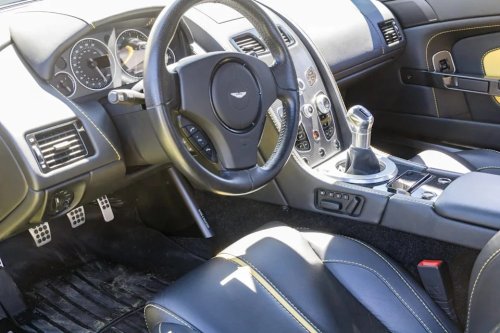
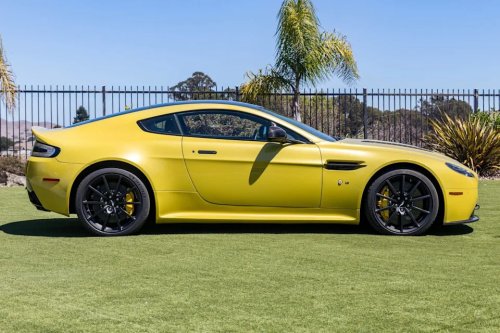
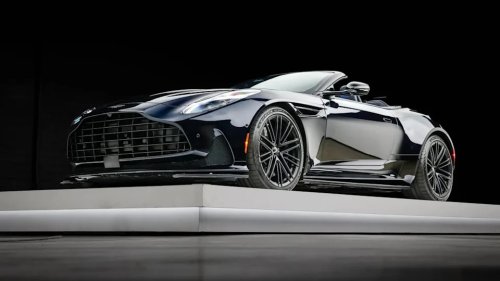
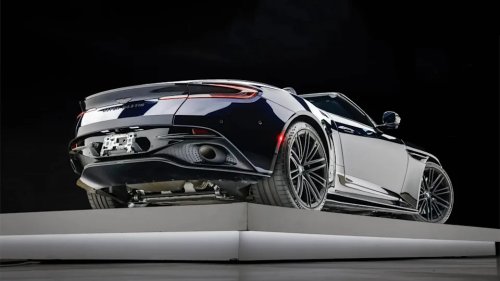
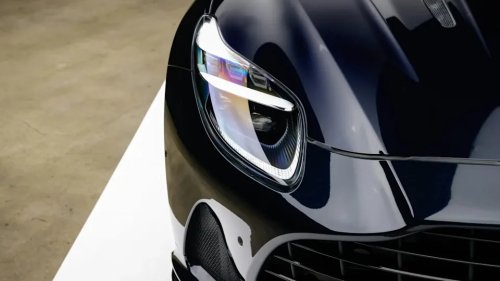
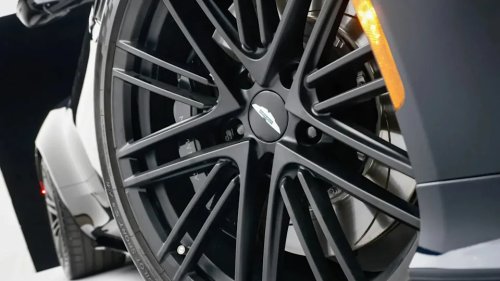
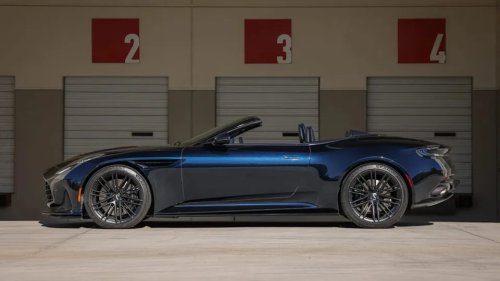
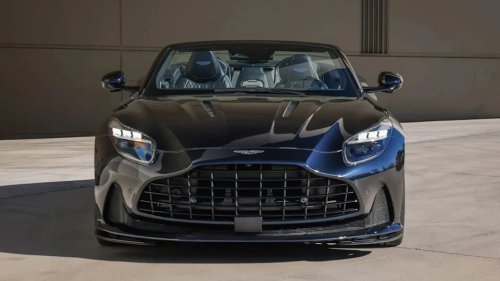
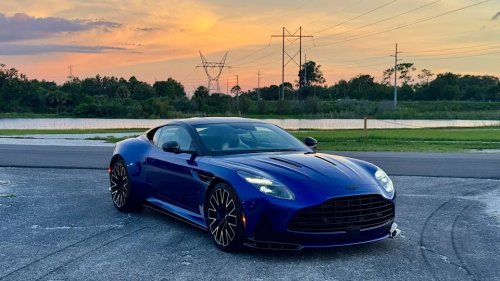
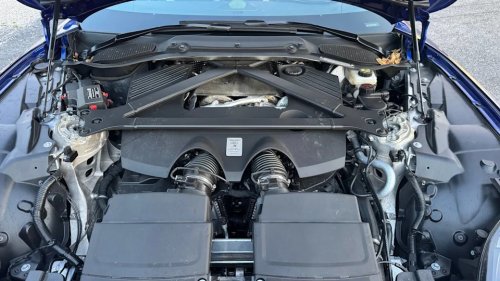
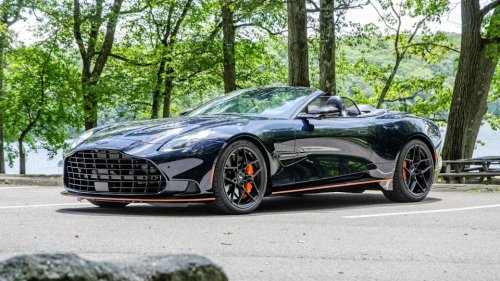
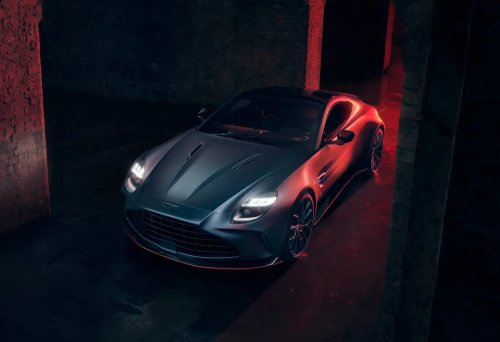
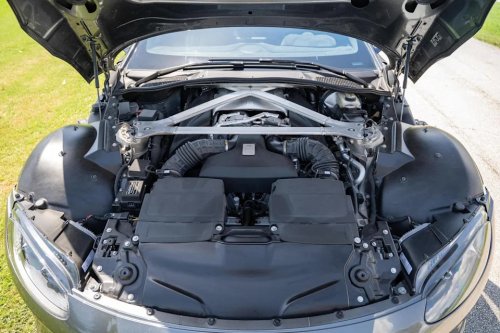
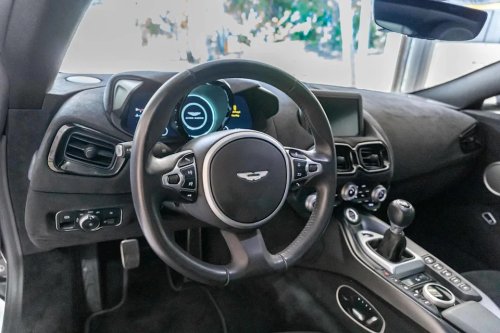
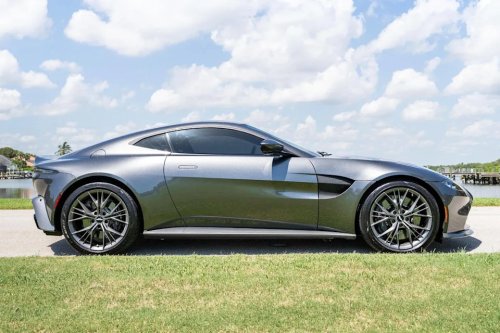
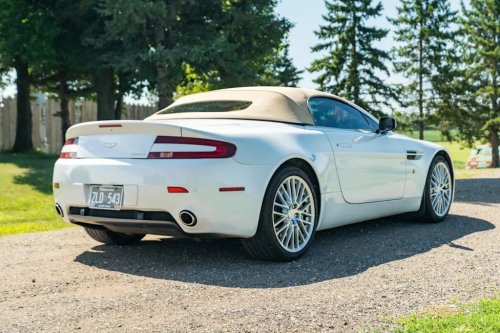
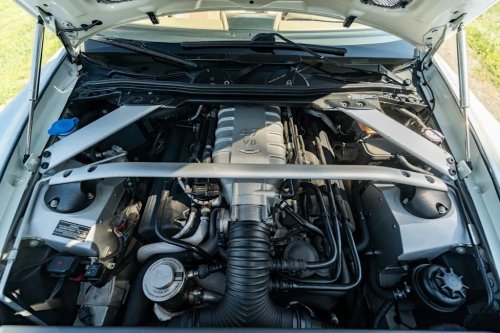
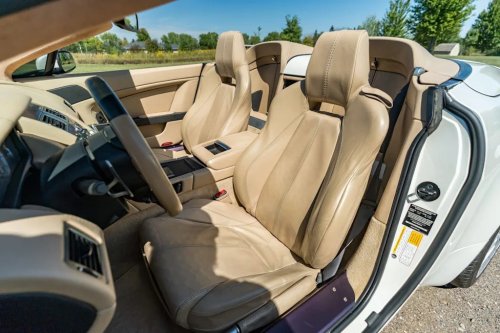
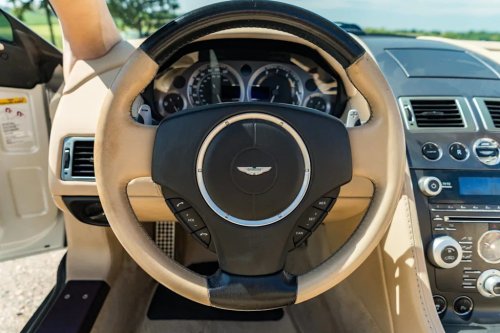
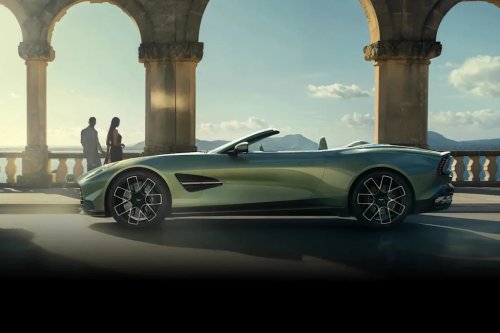
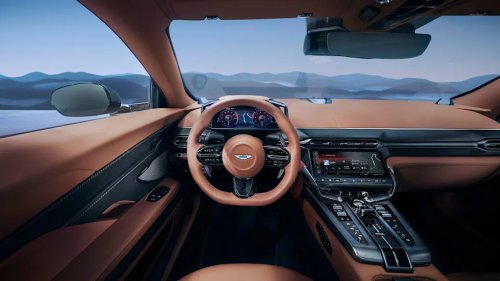
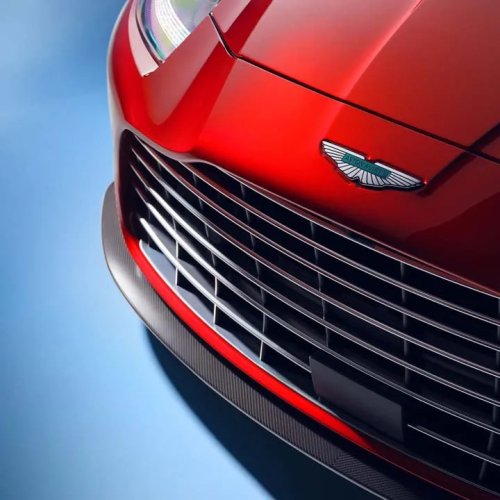
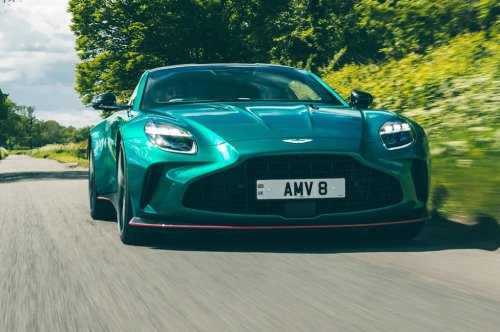
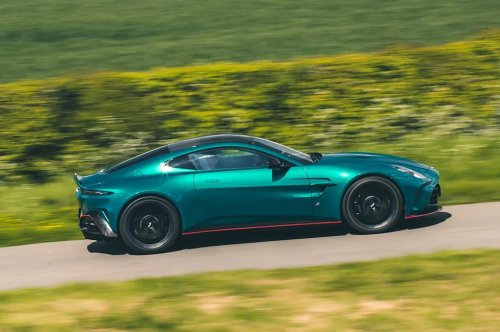
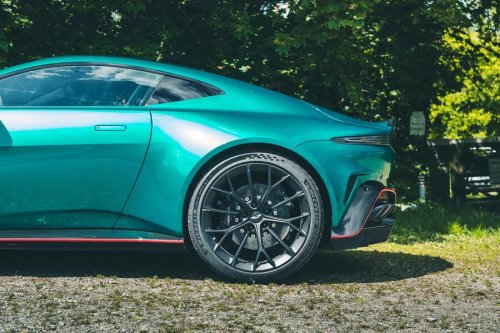
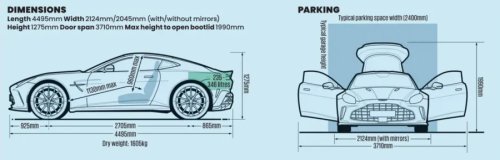
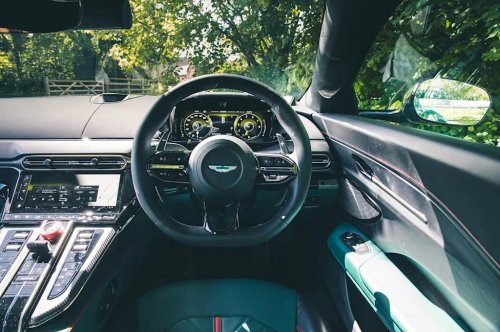
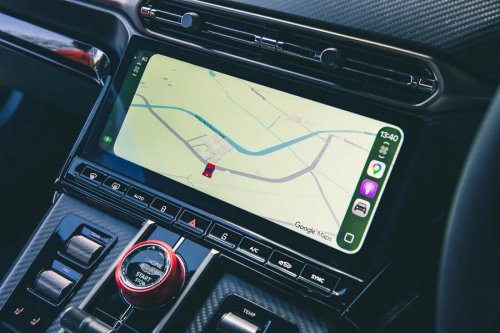
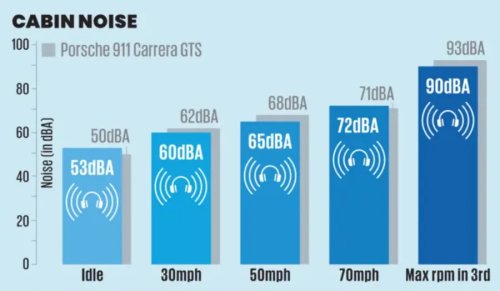
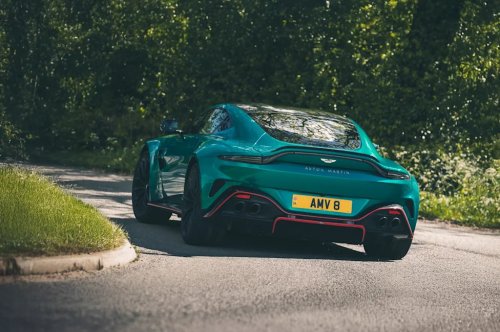
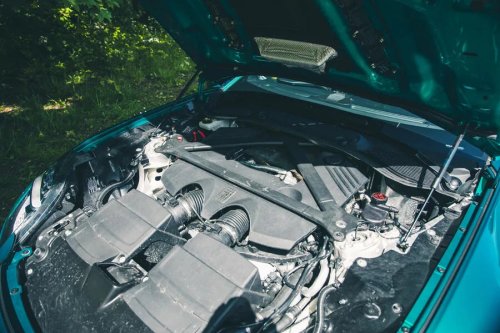
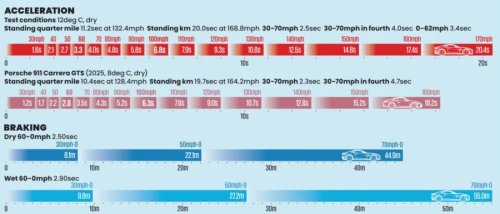
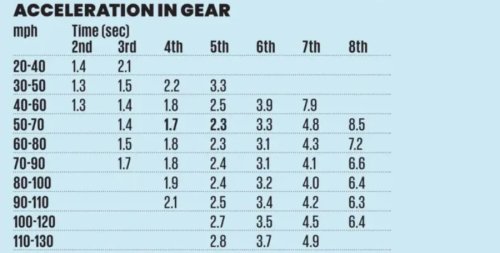
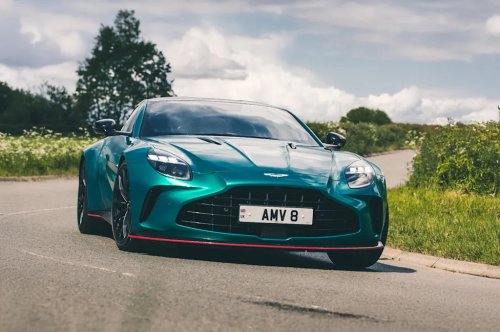
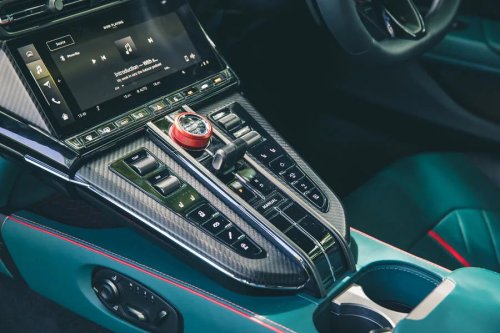
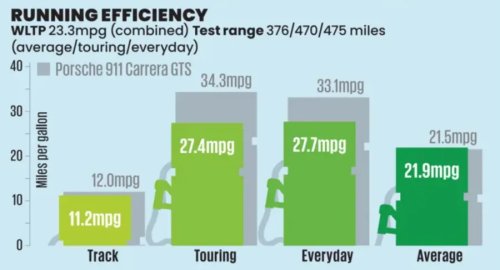
Aston Martin Vantage S review 2026 01Aston Martin Vantage S review 2026 01IntroductionWhen we road tested the current generation of Aston Martin Vantage in 2024, we concluded by wondering where it could go from there. This thorough update of the car that was all-new in 2018 was an improvement across the board, with more performance, poise and predictability, yet a more docile feel at a cruise.But the engineers can't stop tweaking, which is just as well because a lowish-volume sports car like this can't just be left to run its five-year model cycle with no attention; there have to be new versions and special editions to lure customers back to the configurator, and hopefully the showrooms.AdvertisementAdvertisementSo the Vantage is the latest car to get the S treatment, after the DBX and the DB12. The formula is fairly straightforward, and the same as for all the 21st-century S models: a smidgen more power, some sportier visual details and a more focused chassis, although Aston claims they don't come at the expense of compliance and refinement.Although the standard car remains on sale, the Aston Martin Vantage S promises simply to be like a better Vantage. Time to find out if it is.Design & stylingAston Martin Vantage S review 2026 02The fundamentals of this generation of Vantage go back to the car that was introduced in 2018 as part of Aston's 'second century' plan, with a new bonded aluminium architecture and a generous helping of Mercedes-AMG technology.Back then, the big step forward was the twin-turbocharged 4.0-litre V8, which has only got more powerful since 2018. In the current standard Vantage, it already makes 656bhp without the use of any electrification. The Vantage S bumps this up to 670bhp by way of some calibration changes. Torque remains at 590lb ft. Together with optimised launch control, this drops the 0-62mph time by 0.1sec. The throttle pedal gives slightly more resistance than before. Power still goes to the rear wheels only through the familiar ZF eight-speed torque converter, which was developed exclusively for Aston to work in a transaxle configuration with an electronic limited-slip differential.On the chassis side, the Bilstein DTX adaptive dampers have been recalibrated and the geometry has been changed to give more front-end grip and response. The rear subframe is now hard-mounted instead of on rubber bushes. To counter the harshness this might bring and enhance low-speed ride quality, the rear spring aid has been made softer and the transmission mount is 10% softer.AdvertisementAdvertisementVisual alterations for the S are subtle. Aston scholars will spot the new blades in the bonnet vents and the pinstripe around the lower spoilers. This doesn't have to be red – you can have it in a subtler colour – but it goes nicely with the red glass enamel badges on the front wings.A new rear spoiler lip adds 44kg of downforce at top speed, while new underbody aero such as a deeper front air dam and venturi vanes balance that out with 67kg of downforce at the front.Elsewhere, the Vantage remains largely as it was. Despite the aluminium architecture, it's not a particularly light car. Aston quotes a dry weight, but we weighed our car at 1750kg (only 5kg of fuel load and coffee cups adrift of our 2024 road test car), which compares rather unfavourably with the 1607kg of the hybrid Porsche 911 Carrera GTS. The weight is at least distributed exactly equally across the axles.Suspension is by double wishbones at the front and a multi-link at the rear. Steel brakes are standard, with 400mm discs at the front and 360mm discs at the rear, but our test car had the option carbon-ceramics, which also have a 10mm-larger front disc.InteriorAston Martin Vantage S review 2026 09Designing interior switchgear that meets regulations while still remaining tactile, easy to use and robust is an expensive business, so it was a bold move from Aston when, for the current DB12 and Vantage, it chose to wean itself off the Mercedes parts bin and developed its own dashboard architecture and infotainment system. Unlike Ferrari, which gets around the same problem by relying heavily on a touchscreen, Aston has designed some beautifully mechanical-feeling buttons and rollers.AdvertisementAdvertisementIs it disappointing that all current front-engined Astons now have effectively the same dashboard? Not really, not when swinging the swan door out and slightly up invites you to a truly high-end luxury cabin. Aston has to amortise the cost somehow. Since the Vantage's launch in 2024, Aston has also addressed some issues that plagued early cars: the driver display isn't as eye-searingly bright as it used to be, and the gear indicator is much clearer, even if the driver display still lacks the sense of occasion that a set of real analogue dials might impart. While we're nitpicking, some of the buttons in the centre console and on the steering wheel could be more responsive.As well as for luxury, the Vantage hits high marks as a sports car. While a Ferrari Amalfi sits you slightly too high, the Vantage's seat will adjust down, and down, and further down. The effect is helped by the high scuttle, which can make the car a little intimidating to drive at first. To get the classic view out over the long bonnet, it's best to move the seat up a tiny bit.Our test car had the standard Performance Plus seats with memory, heating and ventilation, which proved comfortable and supportive on long drives, and thanks to the adjustable side bolsters kept even the thinner testers in place on track. A skeletal-looking carbonfibre performance seat, which is still heated, is an option, but unless you're an avid track day-goer, we wouldn't bother.Aston hasn't neglected practicality. The hatchback boot has a tall loading lip but is quite a usable space, and there's further stowage room on a shelf behind the seats. The Vantage is a strict two-seater, though, and doesn't have the emergency +2 seats of the bigger DB12 or the Ferrari Amalfi.MultimediaInfotainment is typically seen as a secondary concern in a sports car, even though you don't interact with it any less than you would in a Volkswagen Golf. Aston Martin has taken it seriously, though. For this generation of Vantage, DB12 and DBX, it developed its own system to finally shake the dependence on old Volvo and Mercedes interfaces. It's simple and responsive enough, with fairly attractive graphics. The home screen could have been put to better use and the navigation is quite basic, but it's not a bad effort.AdvertisementAdvertisementIt's slightly odd, then, that Aston also gives you the option to bypass it with Apple CarPlay Ultra. It has normal CarPlay and Android Auto if you prefer, but Ultra takes over all the vehicle functions such as the climate control, drive mode configuration and gauge cluster, displaying it all in a very clean Apple style. Fine if Aston hadn't gone to the trouble of designing its own interface, but since it has, the cold and appliance-like feel of the Apple graphics don't add anything.Our test car had the optional Bowers & Wilkins hi-fi, which has a powerful and detailed sound, though the Vantage's cabin is rather too noisy at a motorway cruise for a genuinely good audio experience.Engines & performanceAston Martin Vantage S review 2026 23The power increase this S version brings is one that the Vantage didn't really need and is hard to notice. But it allows Aston to boast about it and, as our test data confirms, it has added some performance.Aston Martin says that it's the optimised launch control rather than the extra power that gives the S a 0.1sec advantage to 62mph. Following a bit of experimentation, we found that setting '3' on the variable traction control (which is towards the more conservative end) produced the fastest getaway. Indeed, the S was 0.2sec ahead of the standard car to 60mph, to 100mph and from 30-70mph in fourth gear.AdvertisementAdvertisementMore interesting is the comparison with the Porsche 911 GTS. Despite a much less favourable power-to-weight ratio (300bhp versus 383bhp per tonne) and 20mm-narrower rear tyres, the 911 is able to comprehensively outdrag the Vantage, at least up to 130mph. It goes to show that no matter how advanced the electronics get, it's still hard to beat having the engine over the driven wheels.Of course, all of that matters little in the real world, because the Vantage is not only a fearsomely fast car but a very exciting one as well – two qualities that don't necessarily go hand in hand. Say what you will about Aston no longer building its own V8s, but it's hard to argue with the result because it makes excellent use of the AMG 4.0-litre.At town speeds, the exhaust noise isn't as antisocial as you might expect, but you're always accompanied by the characteristic V8 woofle. Add throttle, and the noise commensurately increases in volume and sharpness, so that you don't need to go all out to enjoy this engine. It helps that the gears are fairly short and closely spaced (second tops out at 61mph, third at 90mph), so you can use the entire rev range without reaching silly speeds. If you do give it everything, you're rewarded with a rich, serrated sound that always stays on the cultured side of Nascar.There's texture to enjoy too. You get little secondary grumbles from the engine and a curious zipping sound from the locking differential under hard acceleration that remind you that this is a mechanical device. There are some pops and crackles on the overrun, but only as a rare reward for hard driving, rather than every time you lift off.AdvertisementAdvertisementThe engine wants at least 2500rpm to get anywhere approaching full torque; this isn't one of those eerily linear engines. Actual lag in the form of delayed throttle response is limited, though.To say the gearbox lets the side down would be an exaggeration, but it is certainly the case that in this application the ZF eight-speed has neither the perfect smoothness and moochability that you might expect from a torque-converter automatic, nor the ultra-precise, lightning-fast changes of the best dual-clutchers. The Ferrari Amalfi's dual-clutch 'box has both, though its engine doesn't sound anywhere near as evocative.Braking performance was strong in both dry and wet conditions, with no notable fade, though the otherwise firm pedal did lengthen a bit during our track session.Ride & handlingAston Martin Vantage S review 2026 22The changes to the Vantage S's chassis are clearly tweaks rather than a GT3-like change in priorities. It fundamentally retains the same character that neatly differentiates itself from cars like the Ferrari Amalfi and McLaren Artura.AdvertisementAdvertisementOn a dry road at least, it's still a car that immediately makes you comfortable to push it – once you get over its width and visibility, that is. Despite the fairly quick ratio, the steering feels calm and precise, with a smooth and oily feel, and the front axle responds with a touch more alacrity than before. With this also comes slightly stronger self-centring and slightly more tramlining, though not to a bothersome degree.Even so, an Amalfi will still feel a lot lighter and more alert, but also a bit spikier; a McLaren Artura gives more feedback but can be a bit humourless. By contrast, the approachable Vantage invites you to chase the throttle and neutralise any stabilising understeer with the power – something you can very easily do thanks to how progressive it is and how many layers of electronic assistance there are to peel back – letting you find exactly the level you're comfortable with.The level of body control is in no doubt, the suspension allowing just enough body roll to impart a nice level of fluidity, but no more. Bumps big and small are deftly dealt with.The fact the default driving mode is called Sport, rather than comfort or normal, is telling. The Vantage always feels switched on, which is appropriate for a sports car in a way, but could become wearing day to day. The damping is exquisite and the removal of the subframe bushes hasn't really introduced any NVH as you might expect, but the ride is only ever firm. The Vantage is also quite a noisy cruiser: we measured 72dBA at 70mph, which is more than the already noisy Porsche 911 GTS (71dBA), let alone the Maserati Granturismo (69dBA).AdvertisementAdvertisementFinally, a brief note on driver assistance systems. We suspect the hardware and software for the adaptive cruise control is borrowed from Mercedes, and that's a good thing because it's smooth and responsive. The lane keeping assist and overspeed warning can irritate, as usual, but are easy to turn off with a Renault-style 'custom' mode.Track notesWhile the Vantage isn't a born track car – with 1750kg and nearly 700bhp, you do feel like you're fighting physics a bit – it is a rather enjoyable one. The various modes are very helpful in making the most of the performance and helping you feel at ease with it.In Sport mode, it can feel a bit soft, so you'll want to dial in Sport+ or Track. Track DSC mode is excellent for letting you gently feel what the car will do at the limit, allowing a bit of slip and angle. As you build confidence, you can progress through the eight stages of variable traction control with DSC off.Gradually switching off the aids doesn't feel perilous, since this is a very stable car: it defaults to slight understeer when you dive into a corner a bit too hot, rather than rotating on the brakes. Of course, there's more than enough power to tweak the balance with the throttle, and breakaway is buttery-smooth, making it easy to maintain traction, keep the rear wheels over-rotating ever so slightly, or go very sideways.AdvertisementAdvertisementIn the wet, the car remains stable and progressive, though naturally it's very easy to overwhelm the rear tyres if you're not careful.MPG & running costsAston Martin Vantage S review 2026 01At £169,000, the S is only £4000 more expensive than the standard model. Clearly, that's a lot of money and the Vantage isn't the attainable sports car it once was, but that's still considerably less than the Ferrari Amalfi and McLaren Artura, and not much more than the Maserati Granturismo. Aston's options policy is sensible too, considering the corner of the market it operates in. And because this sort of car holds its value relatively well, a PCP contract isn't as expensive as you may think.Servicing will be a bit more expensive than on a typical car, but the AMG 4.0-litre has proven relatively robust for a highly strung engine. Of course, it likes a drink. Our testing suggests 27mpg is about the best you can hope for, dipping into single figures on track. Expect low-20s in mixed road use.VerdictAston Martin Vantage S review 2026 25If you were hoping for a much more focused, track-ready version of the Vantage, this isn't it. Instead, it's an incremental update to a do-it-all sports car that we already rated very highly.Compared with the standard car, it's a little bit faster, a little bit sharper and only a little bit more expensive, with no real penalty in comfort. As such, the S does make the standard Vantage somewhat redundant. We hope Aston repositions that car as the more comfort-oriented GT option, since the Vantage's ride and road noise can grate slightly.Assuming you're fine with those trade-offs, the Vantage is exactly what a sports car should be: beautiful and with an interior that has a sense of occasion. Most of all, it's exciting to drive at any speed thanks to a rich-sounding engine and a chassis with a sense of fun.]]>


















 +53 others