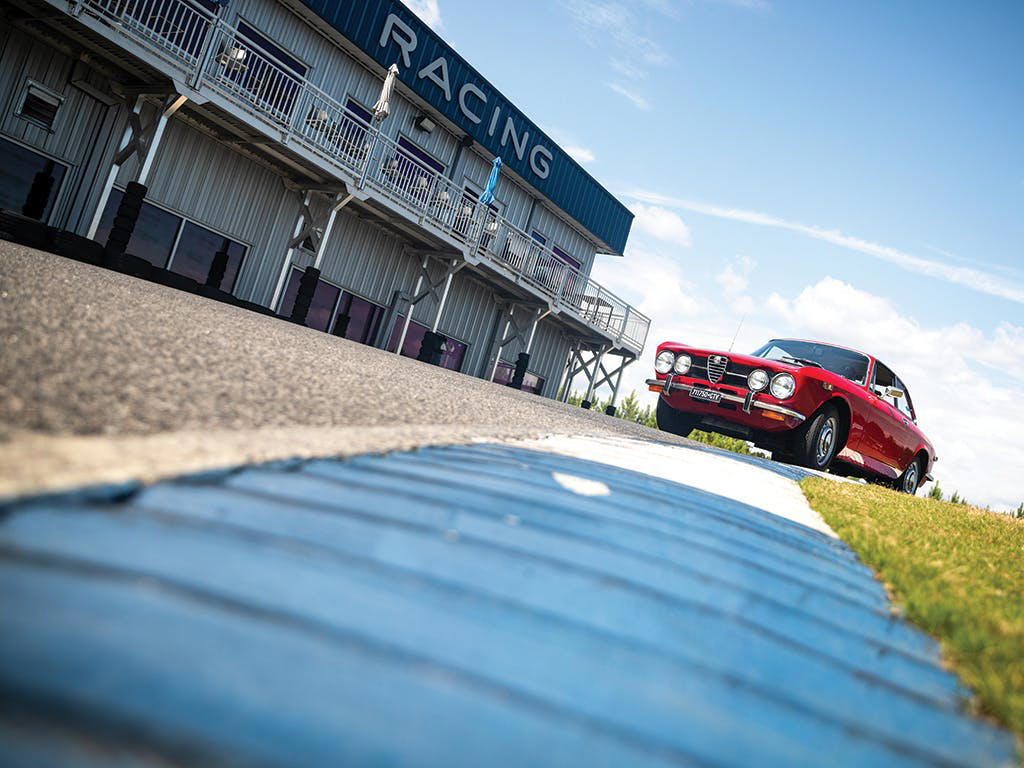
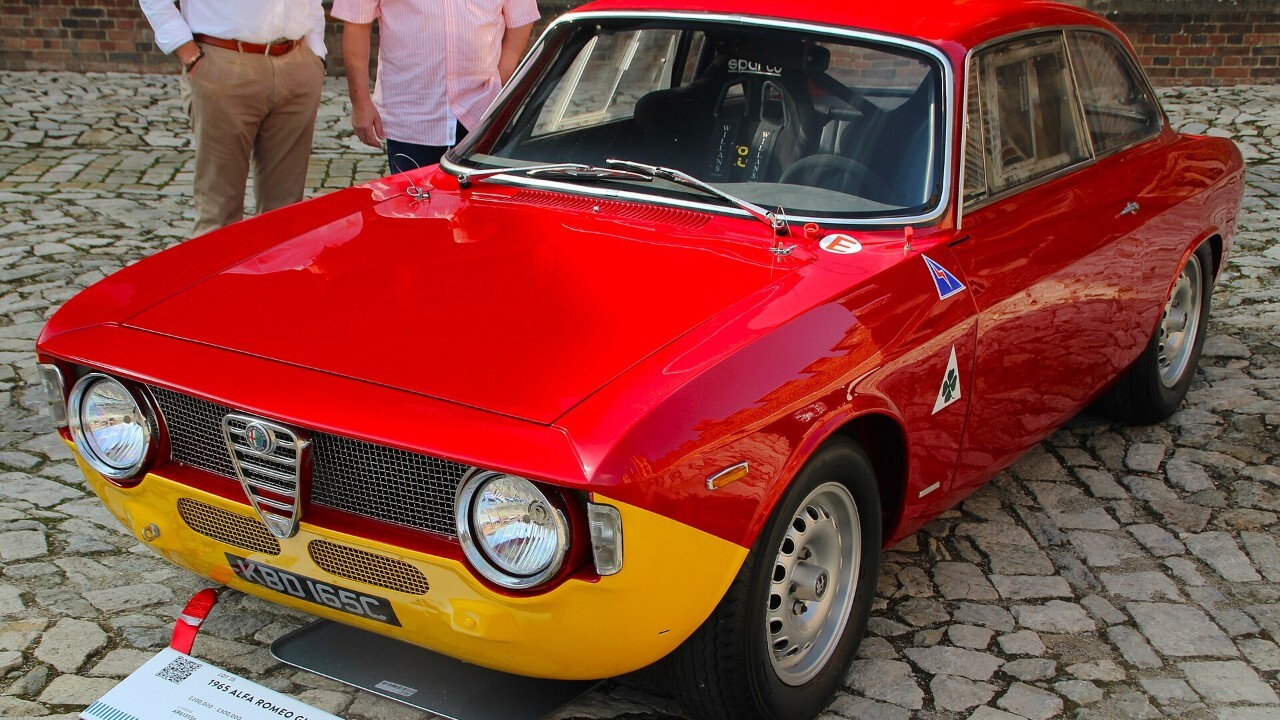
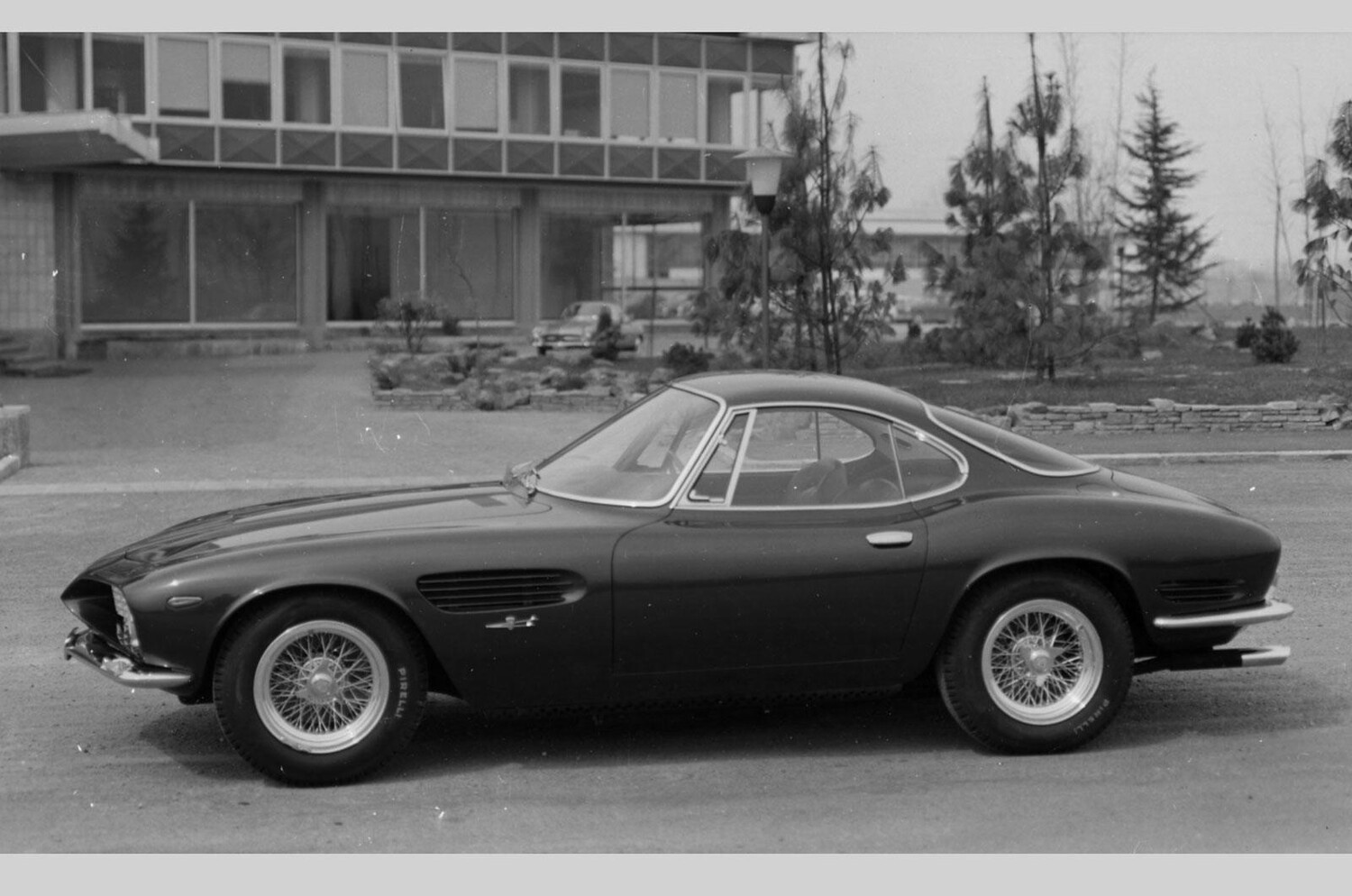
Alfa Romeo has hung the Giulia name on a boxy 1960s sedan, a Zagato race car and a 540-hp super sedan. Each one arrived with a big promise attached. Some of that early noise faded fast, yet the cars themselves kept their fans. These are our picks for the six versions that outlived the hype around their launch. The verdicts are our own take, while the specs and dates come from the references listed at the end. 1. Alfa Romeo Giulia Nuova Super 1300 The Nuova Super arrived in 1974 as a late refresh of a sedan that had been around since 1962. Purists grumbled about its plastic front grille, and the Museo Nicolis says the change was little appreciated. Under the hood, though, sat a 1,290 cc twin-cam four built entirely of aluminum, rated at 90 CV. That gave a top speed of 155 km/h, which is modest on paper. Even so, the museum counts 572,646 Giulia sedans built. In our view, the plain-wrapper Giulia has aged far better than its critics expected. 2. 1967 Alfa Romeo Giulia Sprint GT Alfa revealed the Sprint GT on September 9, 1963, at a press event at its new Arese plant. Giorgetto Giugiaro shaped the body at Bertone, and the leading edge of the hood sat about a centimeter above the nose. Fans call that lip the “scalino,” or step. Power came from a 1,570 cc twin-cam four rated at 106 PS. Alfa built more than 21,000 of the coupes, so this was never a rare toy. Our earlier look at the 1965 Giulia Sprint GT and its balance explains why. The hype faded; the step-front shape did not. 3. 1963 Alfa Romeo Giulia TZ1 TZ stands for Tubolare Zagato, which describes the recipe. A tubular steel frame, developed with Autodelta under Carlo Chiti, carried an aluminum Zagato body with a chopped Kamm tail. Sports Car Digest puts the weight under 1,500 pounds and the top speed near 140 mph. At its debut in the 1963 Monza Cup, TZs took the first four places in their class. Only 112 were built before production ended in 1967. As a result, the TZ was never hyped to the public at all. Instead, its legend grew at the track, and it has only grown since. 4. Alfa Romeo Giulia Sprint Speciale The Sprint Speciale started as a 1957 Turin show prototype on Giulietta mechanicals. It then reached production in 1963 with the new Giulia range. RM Sotheby’s credits Bertone with the body and traces its look to Touring’s Disco Volante racers and Bertone’s B.A.T. show cars. Underneath sat a 1,570 cc twin-cam four with a Weber carburetor, 112 hp, a five-speed gearbox and four-wheel disc brakes. Alfa built it in limited numbers for FIA homologation. Later, the show-car hype gave way to collector respect. RM Sotheby’s sold a 1964 car at Monterey in 2013 for $126,500. 5. Alfa Romeo Giulia Spider The Giulia Spider ran from 1962 to 1965, and at first glance it looked almost exactly like the Giulietta Spider before it. A “1600” badge and a fake air intake on the hood gave the game away. Inside the Pininfarina-styled body sat the same 1,570 cc twin-cam four as the coupe. From spring 1964, a Veloce version added twin Weber 40 DCOE carburetors. Meanwhile, buyers expecting a new look got a familiar one. In our view, that is exactly why it has worn so well, because the shape never needed a rethink. 6. 2022 Alfa Romeo Giulia GTAm Alfa launched the GTA and GTAm for its 110th anniversary, and the hype was loud. Hagerty reported 540 hp from its Ferrari-based V6, up from the 505 hp of the Quadrifoglio our 2017 Giulia Quadrifoglio story covered. The GTAm dropped its rear seats for carbon buckets with six-point harnesses. It also gained a titanium Akrapovič exhaust and aero work drawn from Alfa’s Formula 1 partners at Sauber. Fully optioned, the GTAm weighed about 3,351 pounds. Alfa capped the GTA and GTAm at 500 cars combined, so the anniversary buzz could never outnumber the cars. Sources: Museo Nicolis, Sports Car Digest, RM Sotheby’s, Motor Car History and Hagerty.

 Liked by Caleb Martin, Emma Girard
 Liked by Caleb Martin, Emma Girard