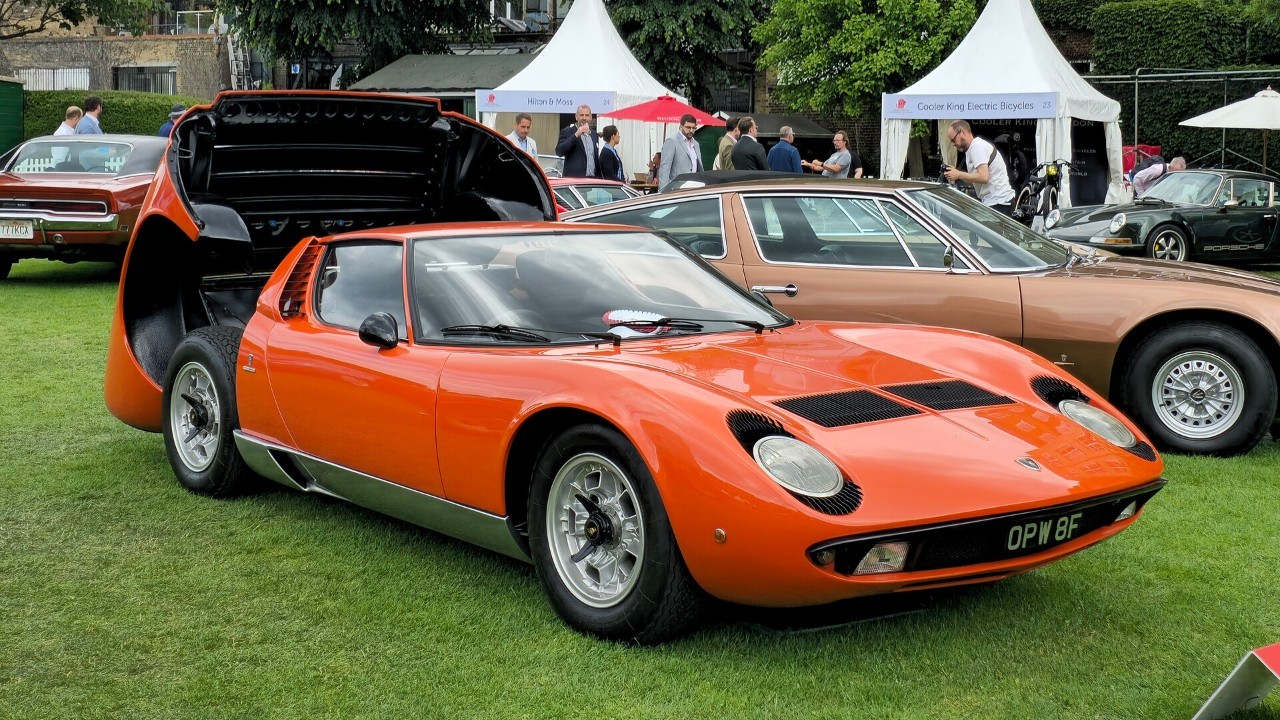
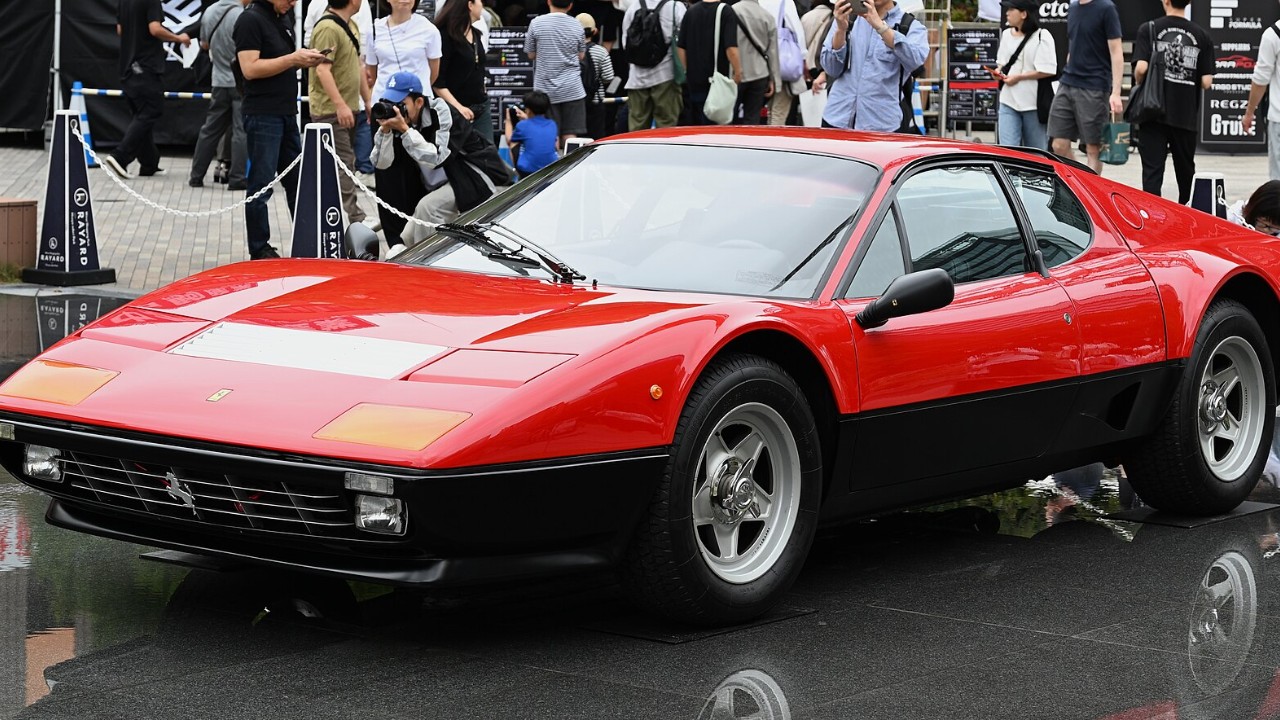
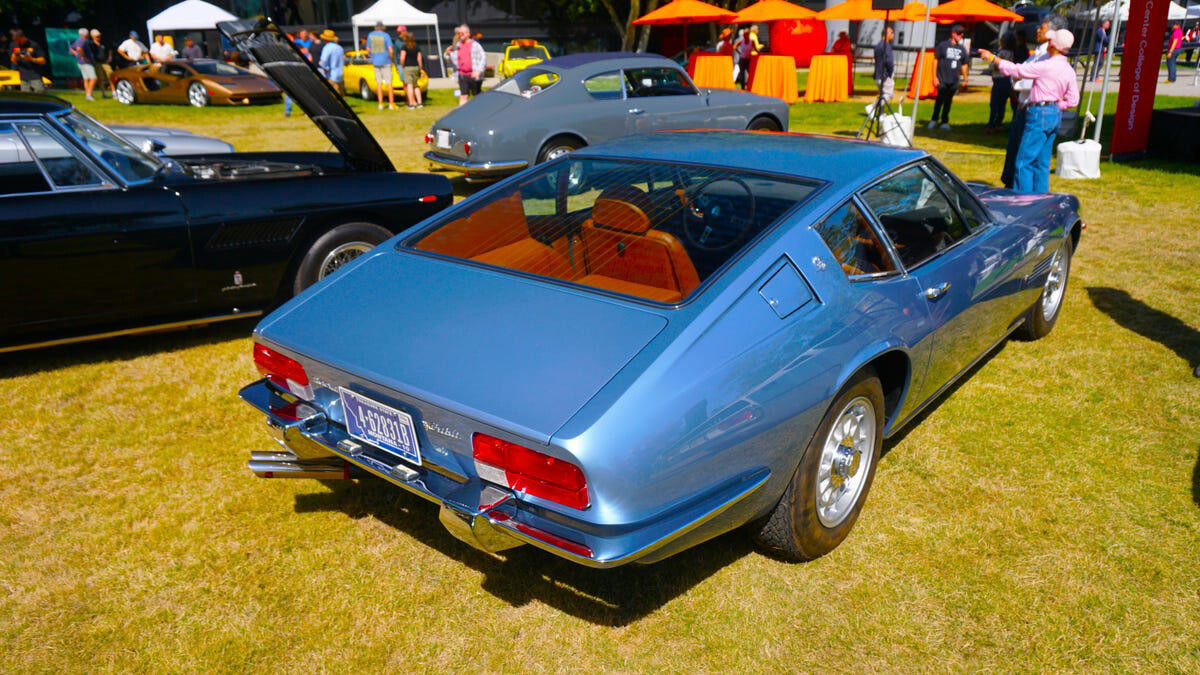
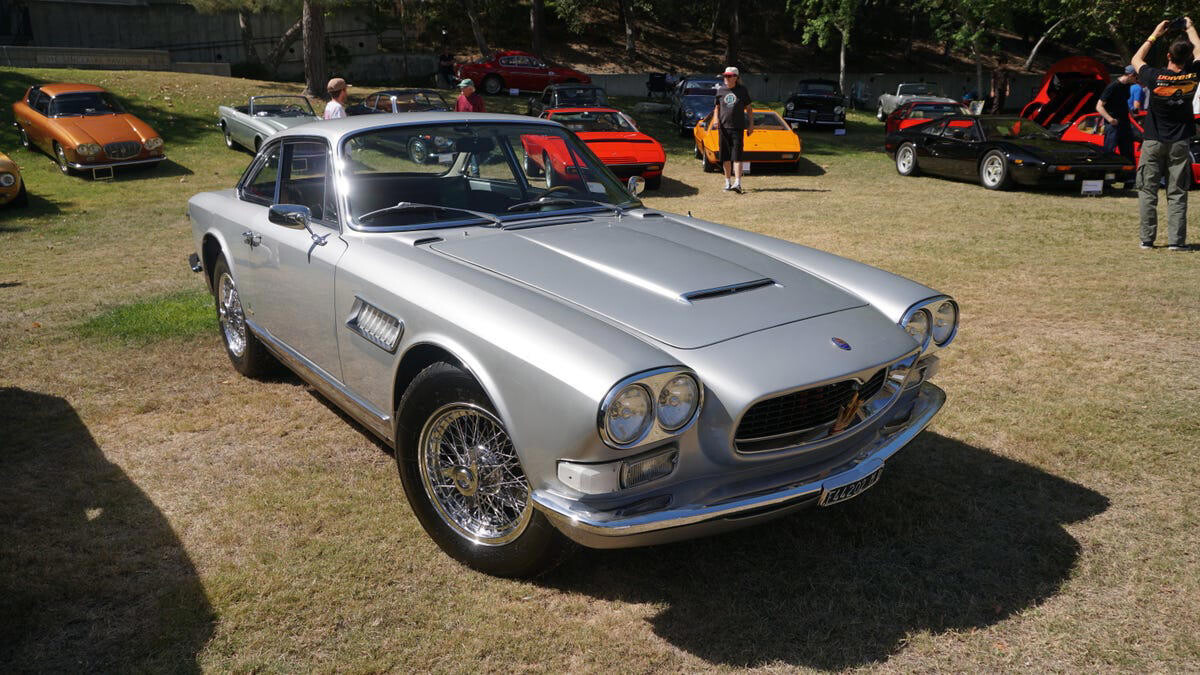
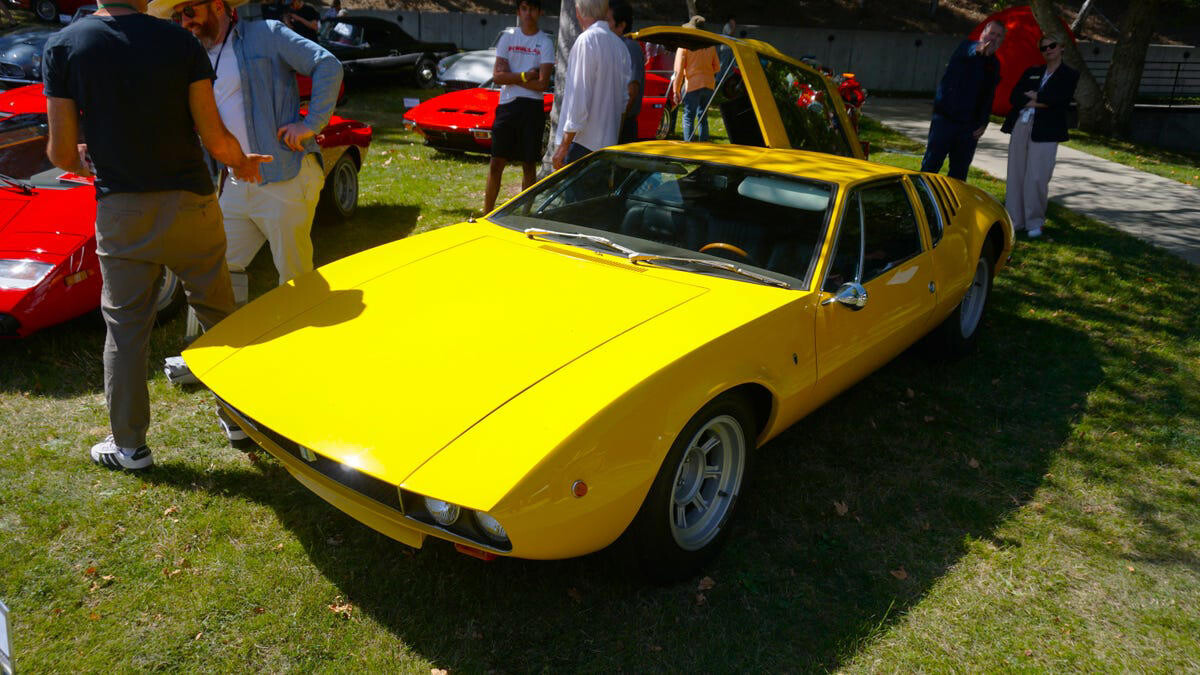
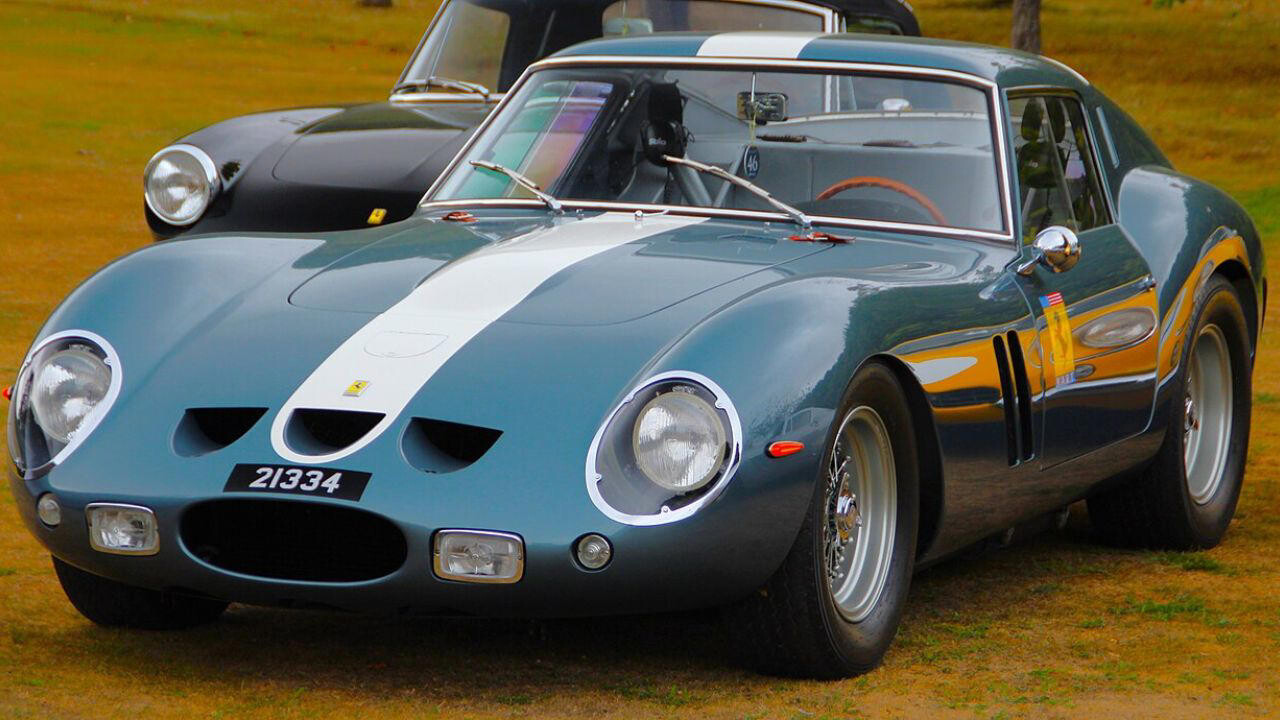
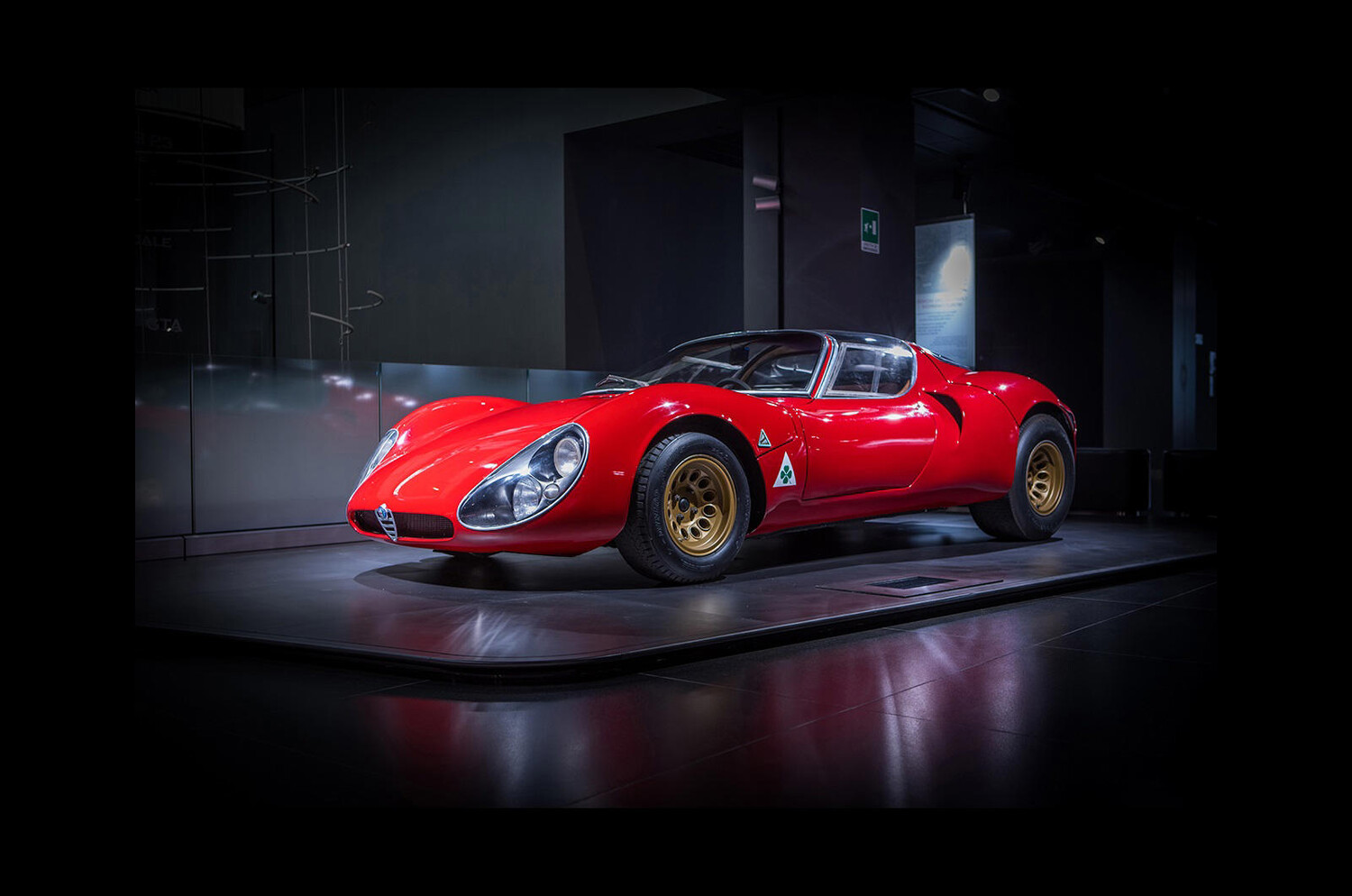
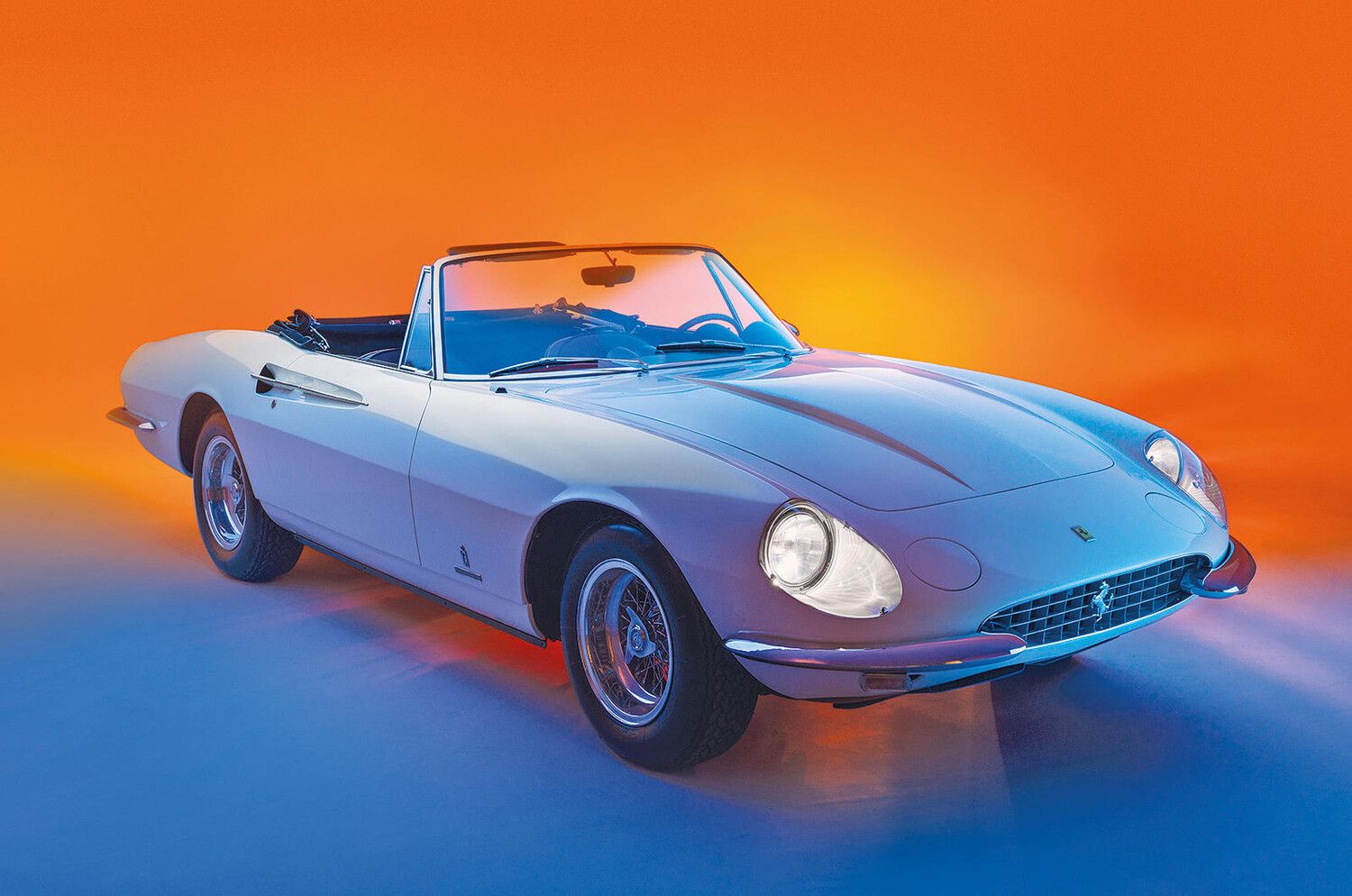
Lamborghini showed the Miura P400 at the Geneva Motor Show in March 1966, and the car world has never quite recovered. A V12 sat sideways behind the seats, and Bertone wrapped it in a body that made every rival look tall. Six decades later, it is the car most people picture when someone says “Italian exotic.” Italy has built plenty of fast cars since then. However, speed alone does not keep a car desirable for fifty or sixty years. The ones that last pair a memorable shape with an engine worth hearing, and they tend to come from a small group of makers and design houses in Modena, Sant’Agata and Turin. These are our picks: eleven Italian sports cars that, in our view, never lost their shine. They start with the Miura P400 and also take in a 1963 Alfa Romeo and the last of the 1980s targa Ferraris. The specs and production figures come from factory and auction-house records, while the verdicts are our own. 1. 1967 Lamborghini Miura P400 The Miura was the car that turned Lamborghini into a serious rival for Ferrari, in our view. In fact, Ferruccio Lamborghini’s engineers had shown only a rolling chassis at Turin in 1965. Then, according to Lamborghini’s own history page, Bertone’s finished car arrived at Geneva the following spring. It was the brand’s first mid-engine car, with the V12 mounted crosswise behind the cockpit. That layout was the whole point of the Miura P400. The engine shared space with the gearbox and differential, which kept the car short and low. Lamborghini rated the 4-liter V12 at 350 CV at 7,000 rpm, a big number for a road car in 1966. If you want the backstory, read how Ferruccio Lamborghini challenged Ferrari in the first place. Our take: the Miura P400 is the purest form of the idea. Later versions gained power and fixed some early flaws, but the original shape is the one people remember. A 1967 car like the one pictured is as close to the 1966 show car as most of us will ever get. 2. 1966 Ferrari 275 GTB The 275 GTB was the Ferrari that brought its road cars up to date. For the first time on a Ferrari road car, it combined a five-speed transaxle with independent suspension at all four corners. Pininfarina drew the body, and Scaglietti built it. Meanwhile, under the long hood sat a 3.3-liter Colombo V12. Ferrari claimed 280 horsepower, although later testing suggested the real figure was lower. Production of the road-going two-cam GTB reached 442 cars, split between the early short-nose cars and the later long-nose ones. It belongs with the Ferraris that built the brand’s racing mystique in the 1960s. In our view, the 275 GTB is the sweet spot of 1960s Ferrari design. It is lean and purposeful, with none of the excess that came later. Moreover, the rear transaxle gave it a balance that earlier front-engine Ferraris lacked. 3. 1967 Maserati Mistral Coupe Maserati named the Mistral after a cold wind that blows down through southern France. It was the first classic Maserati to take a wind’s name. Pietro Frua styled the body, and Maggiora in Turin built it. Instead of a V8, the engine was a twin-cam straight six, offered in 3.5-, 3.7- and 4.0-liter sizes. Notably, Maserati fed it with Lucas mechanical fuel injection, which was rare on an Italian car at the time. Coupes far outnumbered Spyders, with 844 coupes built from 1963 to 1970. Our take: the Mistral is the Italian GT that people forget, and that is a shame. The 4.0-liter car was the most popular coupe, with 454 built. Meanwhile, the six-cylinder engine gives it a smoother, more relaxed character than the V8 Maseratis. 4. 1985 Lamborghini Countach 5000 Quattrovalvole The Countach name came from a Piedmontese exclamation of amazement. Designer Marcello Gandini later said it started as a joke during late-night work at Bertone. In 1985, Lamborghini gave it a serious upgrade. As a result, the Quattrovalvole took its name from its four valves per cylinder. The V12 grew to 5,167 cc, and European cars with six Weber carburetors made 455 PS. Lamborghini built 610 cars in this form, and only 66 of them used fuel injection. That injected version was the first factory-built Countach sold in the United States. The poster car became an icon long before most people saw one in person. We think the 5000 QV is the Countach to have. It kept the wedge shape that made the car famous, and it finally had the power to match the look. 5. 1973 Ferrari Dino 246 GTS The Dino 246 used a 2.4-liter twin-cam V6 mounted behind the cabin. In European tune, it made 195 PS at 7,600 rpm, while the detuned American version made 175 hp. Later in the run, the GTS added a removable targa roof panel. As a result, buyers got open-air driving without losing the coupe’s stiffness. Production records show 2,295 GT coupes and 1,274 GTS spyders, so the open car is the scarcer of the two. Pininfarina designed the body, with Aldo Brovarone and Leonardo Fioravanti credited. Our take: the Dino is about balance, not raw power. It is small, light and quick to change direction, and the curves have aged better than almost anything from the period. 6. Ferrari 308 GTS Ferrari unveiled the targa-topped 308 GTS at the 1977 Frankfurt Motor Show. The 308 used a transverse mid-mounted engine, and this time it was a 2.9-liter V8. The early cars breathed through four twin-choke Weber carburetors and made 255 PS in European form. Later updates changed the character. Fuel injection arrived in 1980 and cut power, and then four-valve heads in 1982 brought much of it back. Still, television gave the car its fame. Thomas Magnum drove a 308 GTS across eight seasons of Magnum, P.I., with a new car each season. In our view, the 308 GTS is the most approachable classic Ferrari. Leonardo Fioravanti’s shape is clean and low. Better yet, the car is common enough that you can find one to drive, not just admire. 7. 1973 Ferrari 365 GTB/4 Daytona Spider The Daytona earned its nickname from Ferrari’s 1-2-3 finish at the 1967 Daytona 24 Hours. Its 4.4-liter V12 grew from the 3.3-liter engine in the 275 GTB4. According to Ferrari’s own magazine, the car reached 280 km/h, the fastest road Ferrari of its day. By comparison, the open GTS/4 is the rare one. RM Sotheby’s puts factory Spider production at 121, against 1,284 Berlinettas. That gap explains why so many coupes later lost their roofs to aftermarket conversions. A real Spider needed extra bracing, so the factory cars differ under the skin. Our take: the Spider is the Daytona at its most glamorous. Before you buy, however, confirm it is a factory car with paperwork, because the conversions are common. 8. 1969 Maserati Ghibli Spyder A young Giorgetto Giugiaro designed the Ghibli while working at Ghia. Maserati showed it as a concept at the Turin Motor Show in November 1966, and deliveries began in March 1967. The coupe had a low, shark-shaped nose and a steel body. Then the Spyder followed in 1969. Its top folded away under a body-colored cover, so the clean line from nose to tail stayed intact. Power came from a 4.7-liter quad-cam V8 rated at 310 PS, and the later SS version grew to 4.9 liters. Only 125 Spyders were built, and just 45 of them were SS cars. We’d argue the Ghibli Spyder is one of the best-looking convertibles of its decade. It has the drama of a Ferrari with a deeper, rumbling V8 voice. 9. 1981 Ferrari 512 BBi The Berlinetta Boxer line began in 1973 as Ferrari’s first mid-engine 12-cylinder road car. The 512 BBi of 1981 was its final form. Ferrari swapped the earlier carburetors for Bosch K-Jetronic fuel injection, and that change gave the car its “i.” Despite the Boxer name, the 4.9-liter flat-12 is really a V12 with its banks spread to 180 degrees. Ferrari claimed 340 bhp, the lowest of the three BB models. In return, the injected car was smoother and easier to live with. Production reached 1,007 cars before the Testarossa took over in 1984. Our take: the BBi is the most usable of the Boxers. In our eyes, Fioravanti’s clean, low shape has aged beautifully, too. 10. 1963 Alfa Romeo Giulia Sprint Speciale The Sprint Speciale grew out of Bertone’s wind-cheating B.A.T. concept cars. For the Giulia version, Alfa Romeo carried the earlier Giulietta SS body over almost unchanged. Underneath, it gained a larger 1,570 cc twin-cam four with Weber carburetors. Above all, the shape is the reason to own one. The long, tapering tail and rounded nose cut through the air with very little fuss. Alfa built about 1,400 Giulia Sprint Speciales, which makes them far rarer than the everyday Giulia sedans and coupes. In our view, this is the most elegant small car on the list. It is not fast by modern standards, but it looks quick parked at the curb. 11. Ferrari 328 GTS The 328 replaced the 308 at the 1985 Frankfurt Show. Ferrari enlarged the V8 to 3.2 liters with four valves per cylinder, and output rose to 270 PS. Leonardo Fioravanti at Pininfarina again shaped the body. In fact, the targa was the clear favorite. Ferrari built 6,068 GTS cars and just 1,344 GTB coupes, almost five times as many open cars. Anti-lock brakes arrived late in the 1988 model year. In the United States, every 1989 car had them. Our take: the 328 GTS is the last of the classic small Ferraris before the 348 arrived in late 1989. It is the most refined of the 308 family. Ferrari built 7,412 cars in the 328 range, so there are good ones out there for buyers who look.

 Liked by Amelia Martin, Chloé Smith



























 Liked by Amelia Martin, Chloé Smith