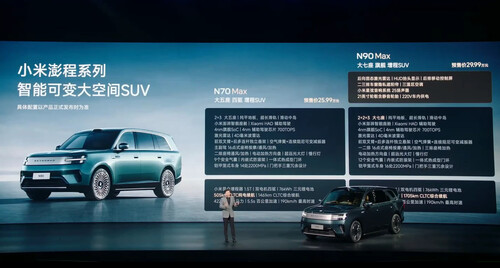
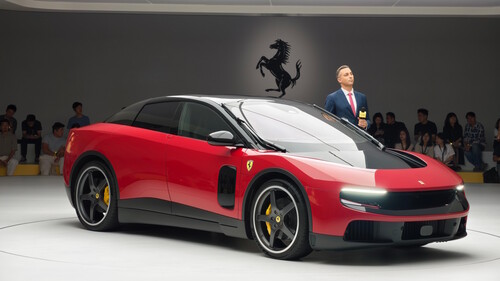
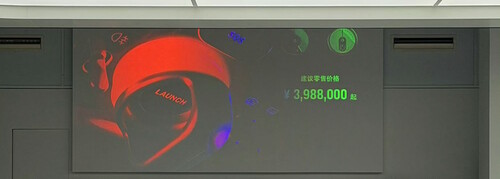
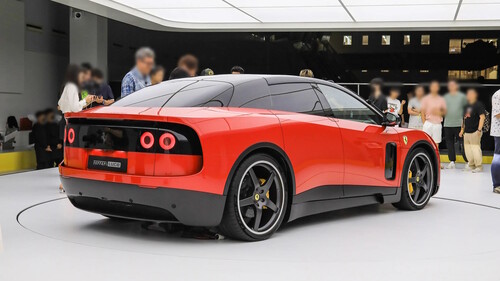
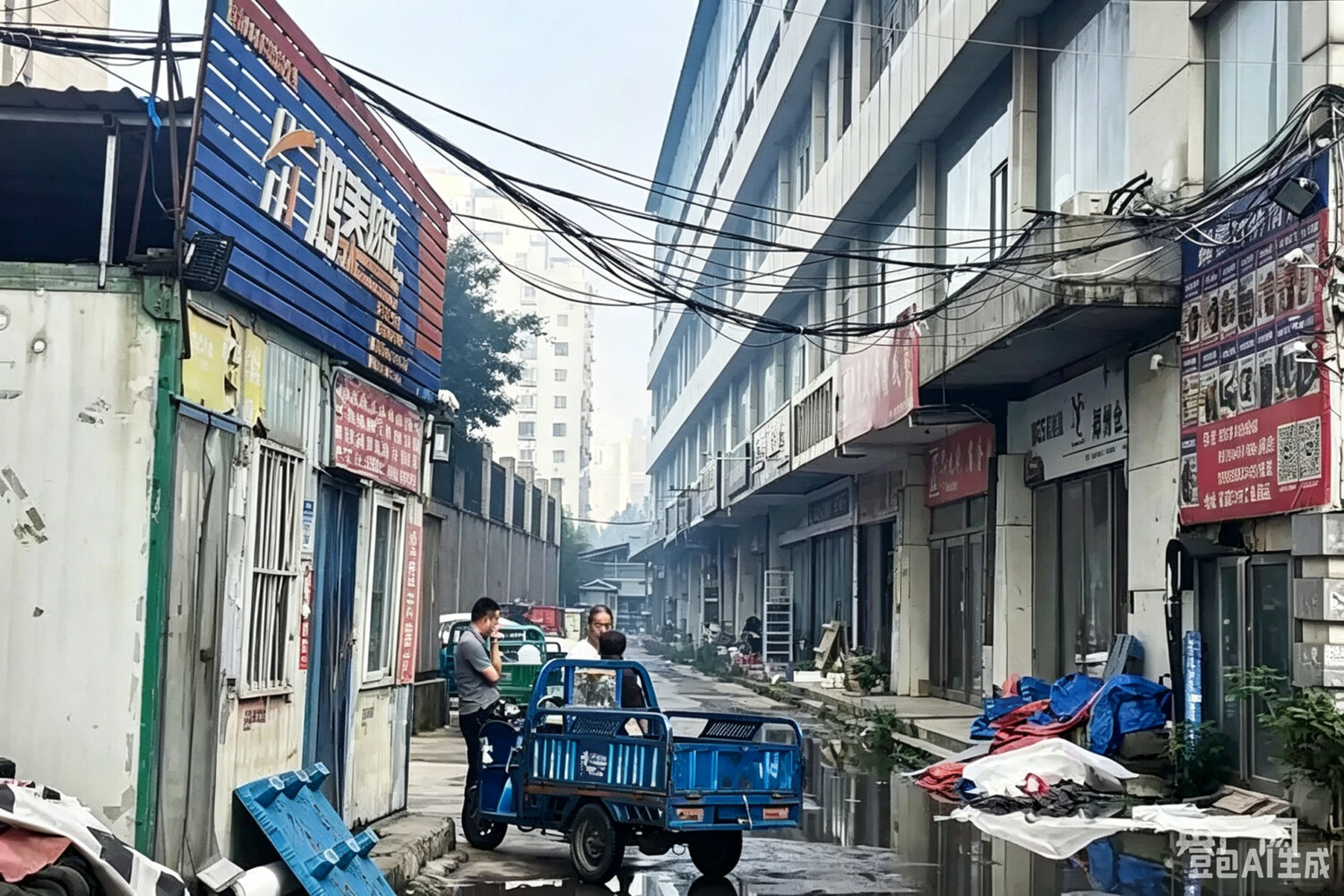
Daniel Leblanc · 4 months ago@danielleblanc86Aftermarket parts hub: Fatal warehouse fire triggers immediate executive arrest in China Liked by+70 othersPost commentRelated PostsThey Turned a Recliner Into an Off-Road Go-Kart, Raced It, and Immediately Crashed 11 · Emily Carter · 1 months agoThere's A Good Reason Why You Should Immediately Wash Pollen Off Your Car 84 · Victoria Mitchell · 2 months agoYouTuber Bought V10-Powered BMW M5 To Repair... And Immediately Regretted It 17 · Kaitlyn Scott · 2 months agoWeekly Highlights | Xiaomi SkyNomad Series Debuts with Immediate Launch; Leapmotor Officially Lands in Indonesia 98 · Lily Johnson · 2 months agoDashcam Footage Shows Why Following Too Closely Can Immediately Ruin Your Day 91 · Noah Rogers · 3 months agoBMW Driver Starts an Impromptu Highway Race But Ends Immediately in Violent Crash 70 · Oliver Pelletier · 3 months ago"She Could Have Driven on the Grass": Porsche Driver Tries To Squeeze Past Trailer, Immediately Regrets It 80 · Nathan Anderson · 3 months agoFerrari Luce launches in China at 586,600 USD, all 88 cars sell out immediately 89 · Sophie Clark · 4 months agoRoad Rage Driver Slams Into JDM Mazda Miata, Immediately Wrecks Themselves: Police 92 · William Girard · 4 months agoGraduate's Stolen Camaro ZL1 Recovered, Immediately Stolen Again 51 · Annabelle Hall · 4 months agoShe Bought a Used Tesla and Immediately Discovered What the Salesperson Forgot to Mention 81 · William Bouchard · 4 months ago10 cheap car mods that look expensive & 10 that look cheap immediately 15 · Caleb Clark · 4 months agoPickup Truck Driver Moves 'Road Closed' Sign, Immediately Gets Stuck In Wet Concrete 28 · Thomas White · 4 months agoHere's what will happen if you immediately shift from 5th to 2nd gear 34 · Owen Martin · 5 months agoWall Street took one look at Ferrari's EV and immediately hit sell 64 · Ryan Johnson · 5 months agoIf You Own This Truck, Stop Driving it Immediately 44 · Madeleine Harris · 1 years agoPorsche to discontinue gas-powered Macan without immediate replacement 13 · Abigail Lee · 5 months agoI Bought A Honda S2000 And Immediately Broke It 52 · Audrey Lee · 6 months agoXiaomi Auto CEO Lei Jun: No Immediate Plans for US Market Entry 92 · Zoë Walker · 6 months ago20 things car mechanics immediately notice about you 25 · Jenna Brown · 7 months ago





 +70 others