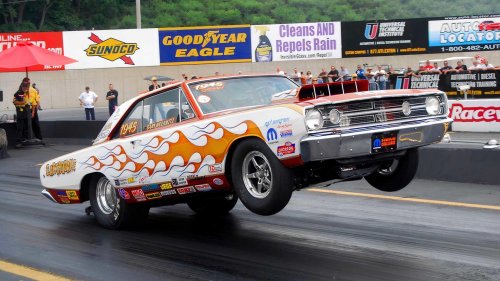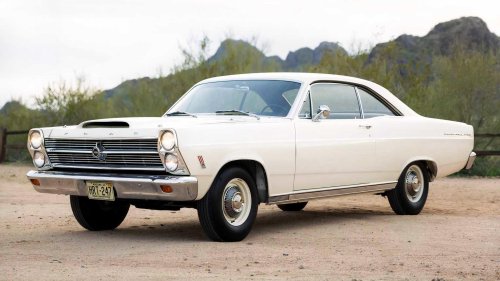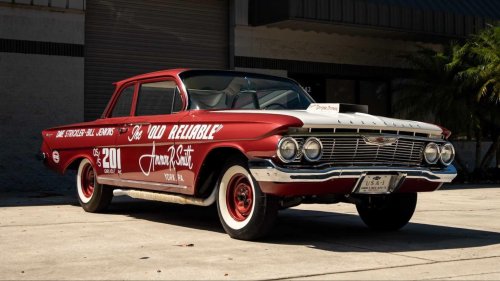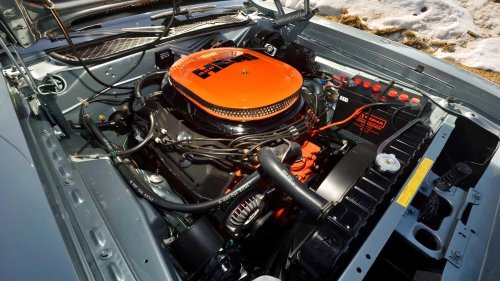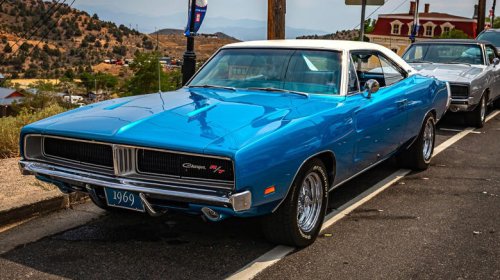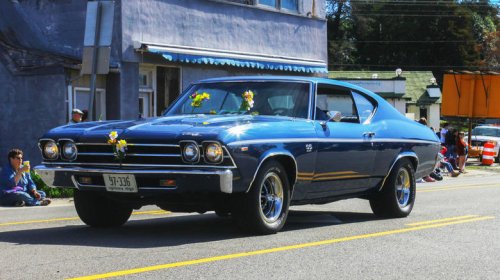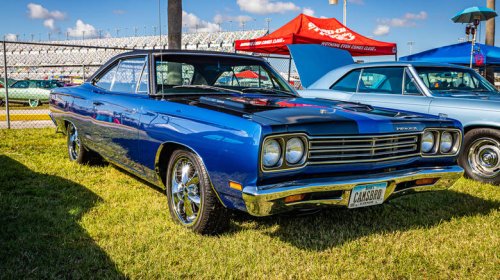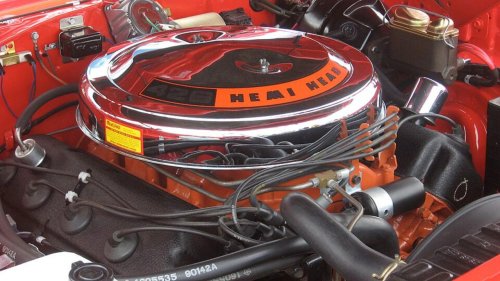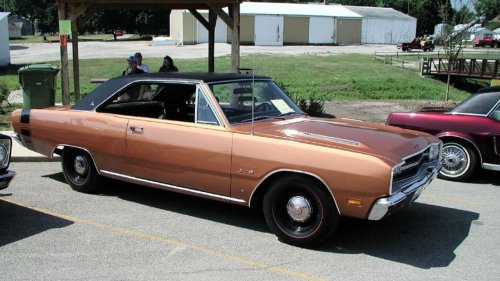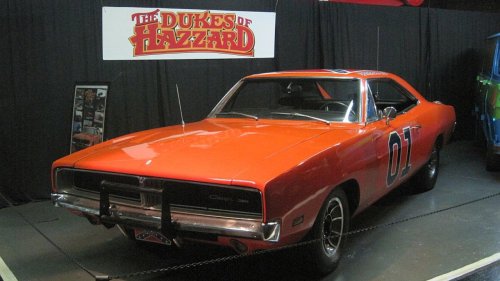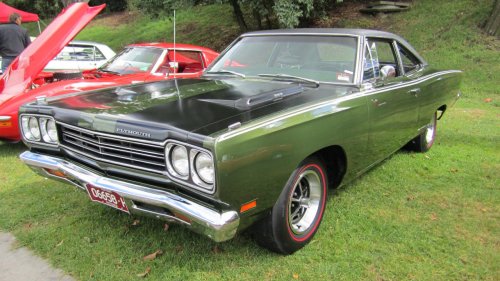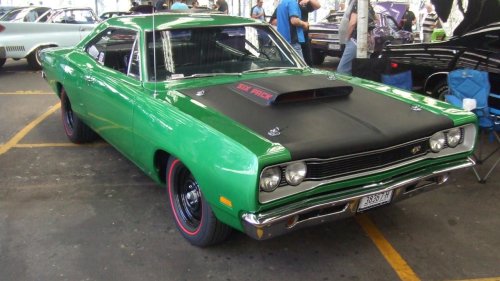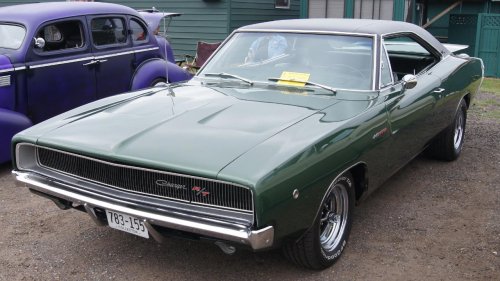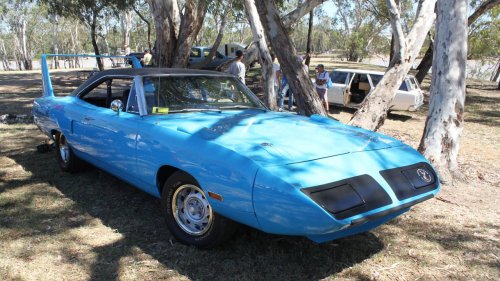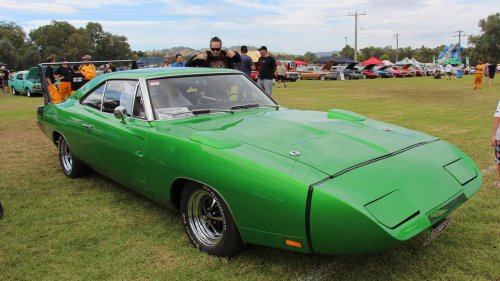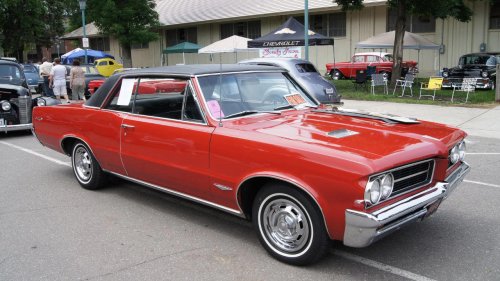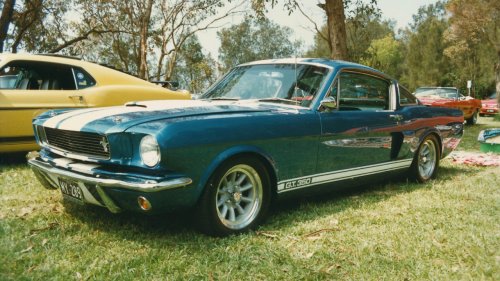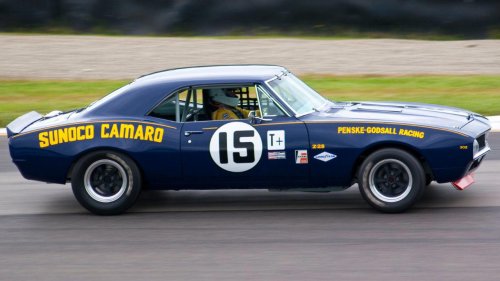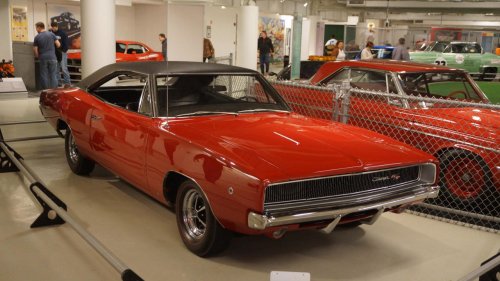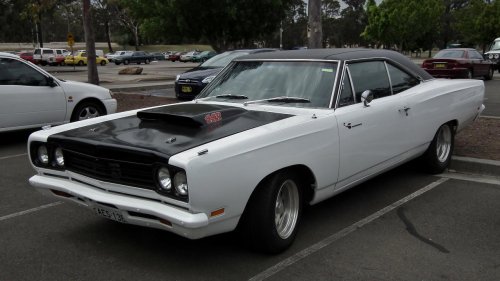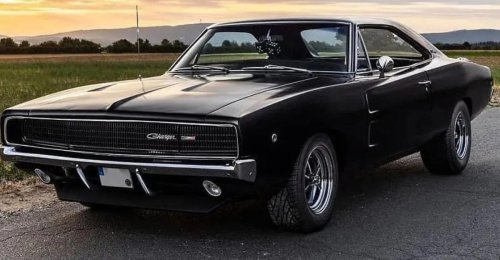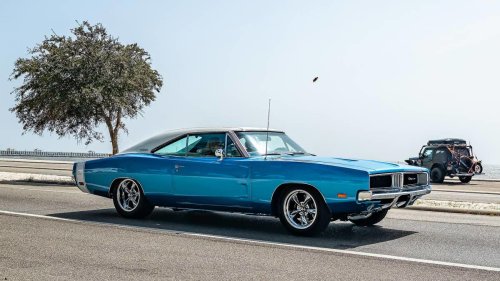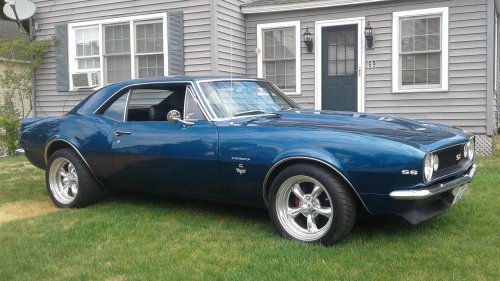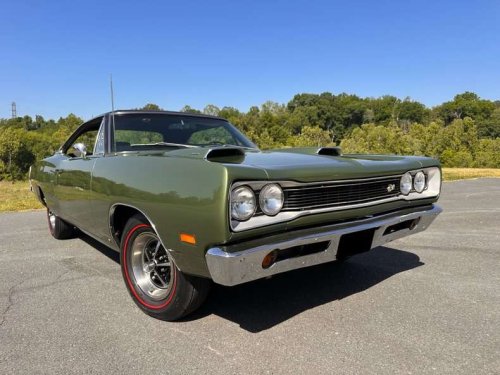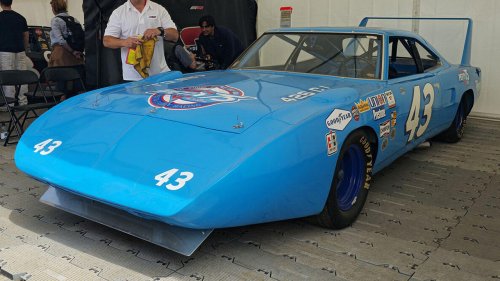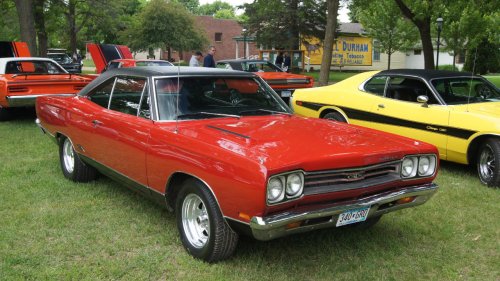
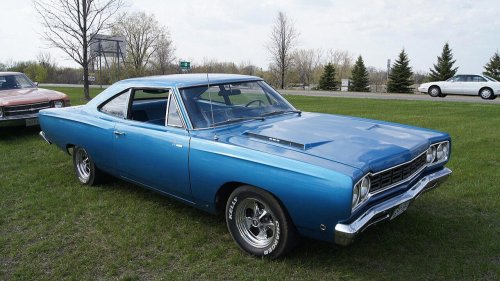
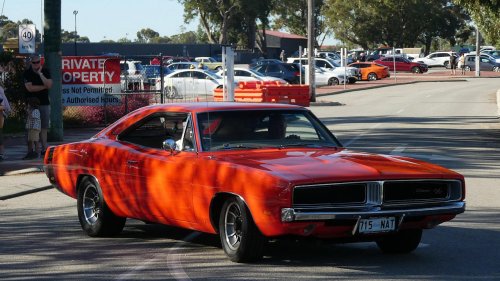
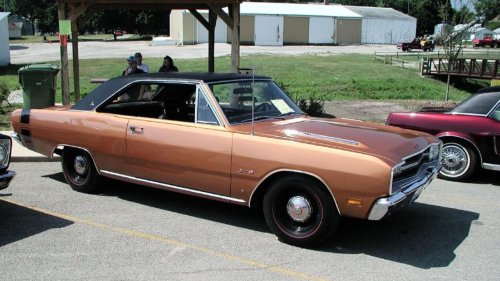
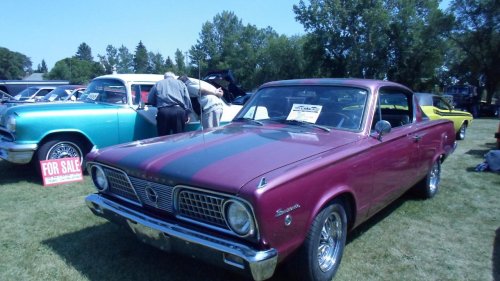
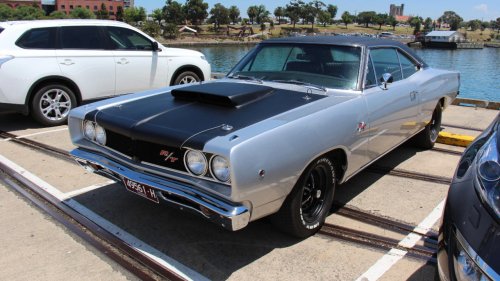
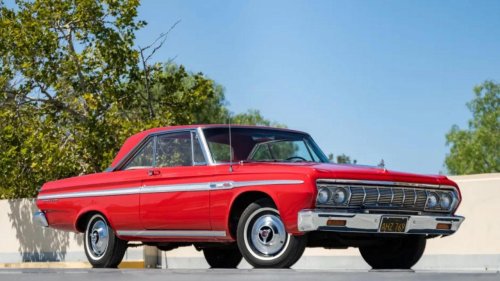


















The 1960s were a transformative decade for Chrysler’s performance brands. Dodge and Plymouth introduced increasingly powerful engines, lighter platforms, and aggressive styling that helped define the muscle car era. These Mopars didn’t just compete with rivals—they often raised the bar, changing what buyers expected from American performance cars and influencing the industry for years to come.Plymouth Road RunnerThe Plymouth Road Runner revolutionized the muscle car market by focusing on affordable performance instead of luxury features. Equipped with powerful V8 engines and stripped of unnecessary extras, it delivered serious speed at a price many young enthusiasts could afford. Mechanics appreciated its simple construction and robust drivetrains. The Road Runner changed expectations by proving that buyers wanted accessible performance as much as premium equipment and comfort.Dodge Charger R/TThe Dodge Charger R/T combined dramatic styling with big-block power in a package that immediately attracted attention. Available with formidable engines including the legendary 426 HEMI, it offered both speed and presence. Mechanics respected the durability of Chrysler’s performance powerplants and driveline components. The Charger R/T raised expectations by showing that a muscle car could deliver strong performance while maintaining a distinctive and sophisticated appearance.Plymouth GTXThe Plymouth GTX demonstrated that serious performance could coexist with premium features and comfort. Often referred to as the “gentleman’s muscle car,” it paired luxurious appointments with powerful big-block engines. Mechanics appreciated the strength and reliability of its drivetrain options. The GTX changed expectations by proving that buyers no longer had to choose between performance and refinement, helping broaden the appeal of the muscle car segment.Dodge Dart GTS 440The Dodge Dart GTS 440 shocked enthusiasts by placing a massive 440 cubic-inch V8 into a relatively small platform. The result was an intimidating machine with extraordinary straight-line performance. Mechanics admired the bold engineering approach and immense torque output. The Dart GTS 440 changed expectations because it demonstrated how devastatingly effective a lightweight chassis and oversized engine could be when combined in a production car.Plymouth Barracuda Formula SThe Plymouth Barracuda Formula S helped establish Mopar’s credibility in the growing pony car market. Its available V8 engines, sporty suspension tuning, and distinctive styling made it a serious competitor. Mechanics appreciated its durable mechanical components and strong performance potential. The Formula S changed expectations by proving Plymouth could build a compact performance car capable of challenging more established rivals in the rapidly expanding segment.Dodge Coronet R/TThe Dodge Coronet R/T delivered exceptional performance without relying on flashy styling or marketing gimmicks. Available with some of Chrysler’s most powerful engines, it earned a reputation for serious speed. Mechanics respected its rugged construction and straightforward engineering. The Coronet R/T changed expectations because it demonstrated that understated muscle cars could compete directly with the most aggressive and heavily promoted performance machines of the era.Plymouth Sport Fury 440The Plymouth Sport Fury 440 challenged assumptions about large American cars by offering substantial performance alongside comfort and space. Equipped with powerful V8 engines, it delivered impressive acceleration for its size. Mechanics appreciated the durability of its drivetrain components and long-distance cruising capability. The Sport Fury changed expectations by proving that full-size cars could be entertaining to drive while still serving as practical family transportation.