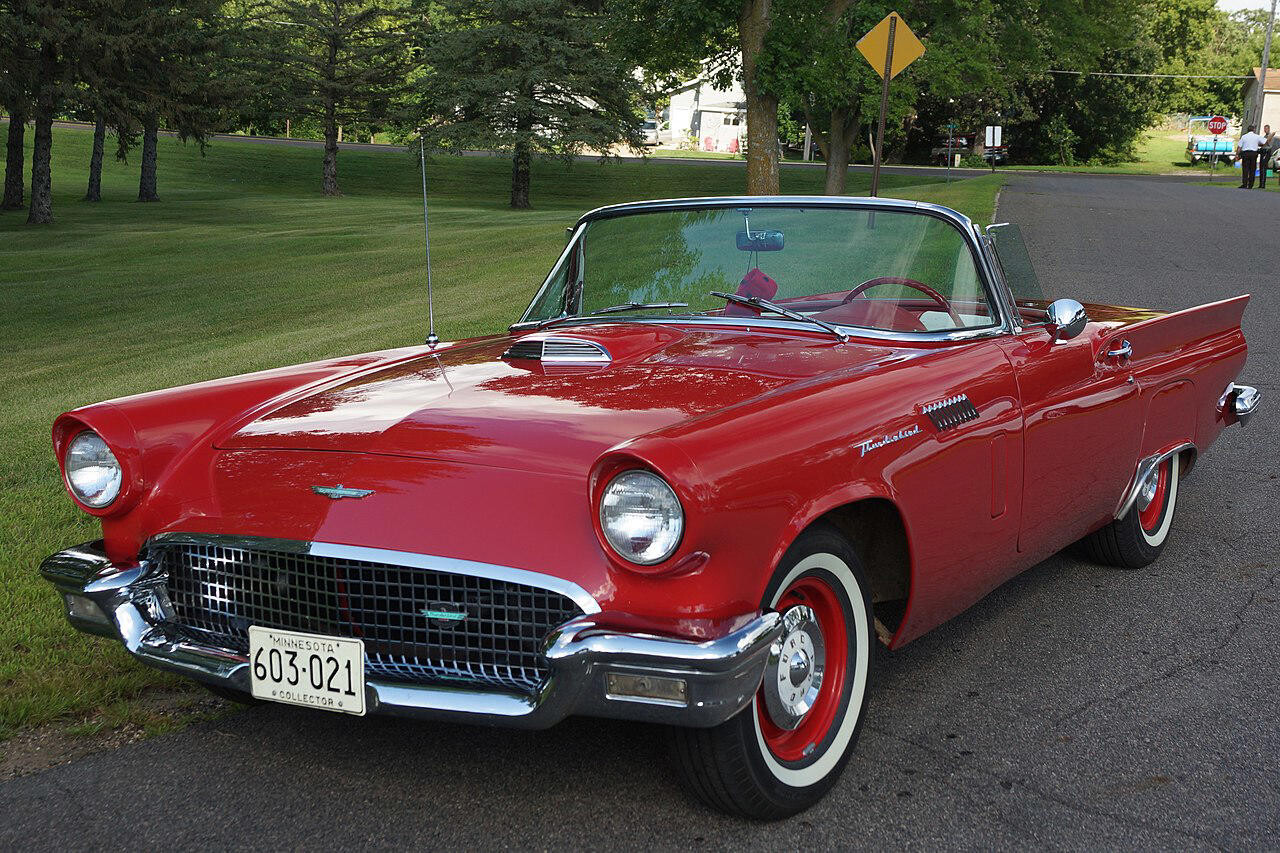
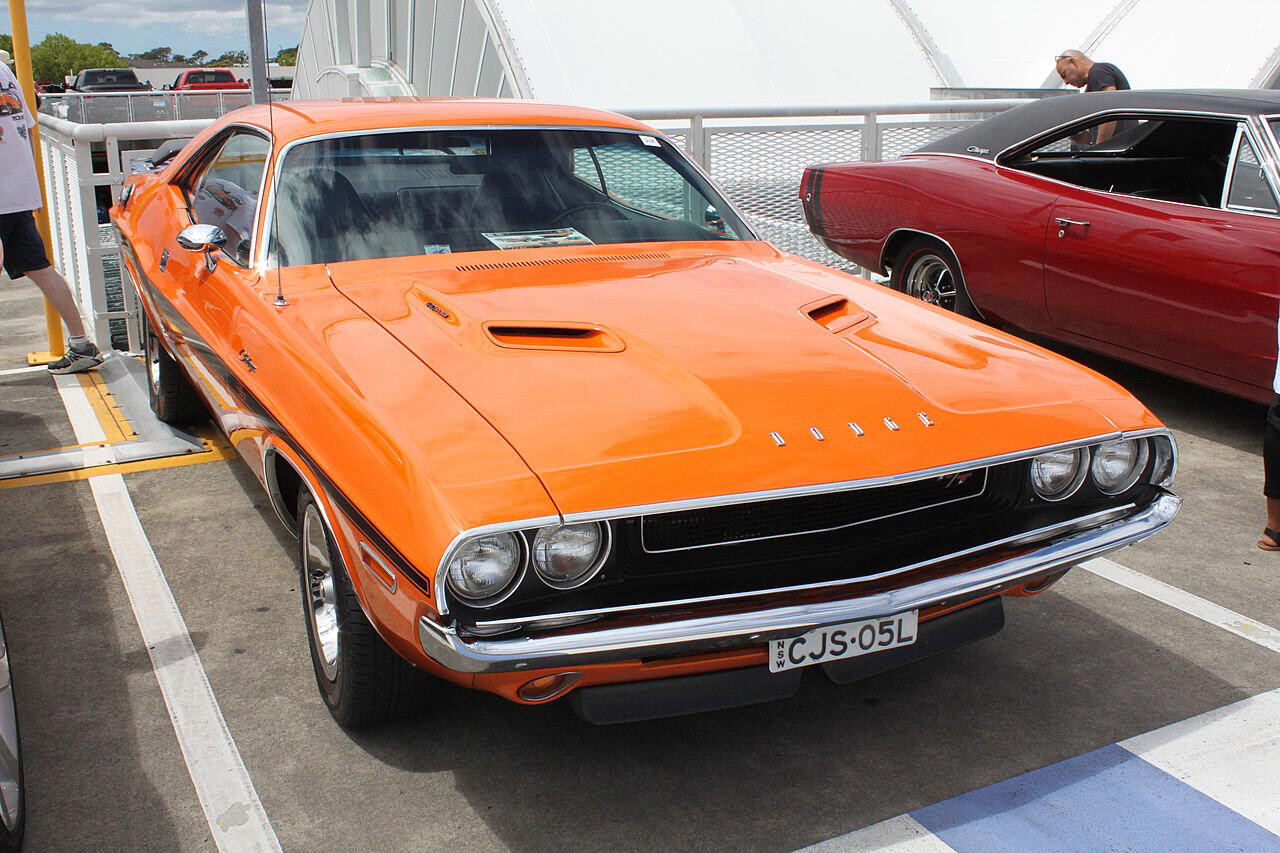
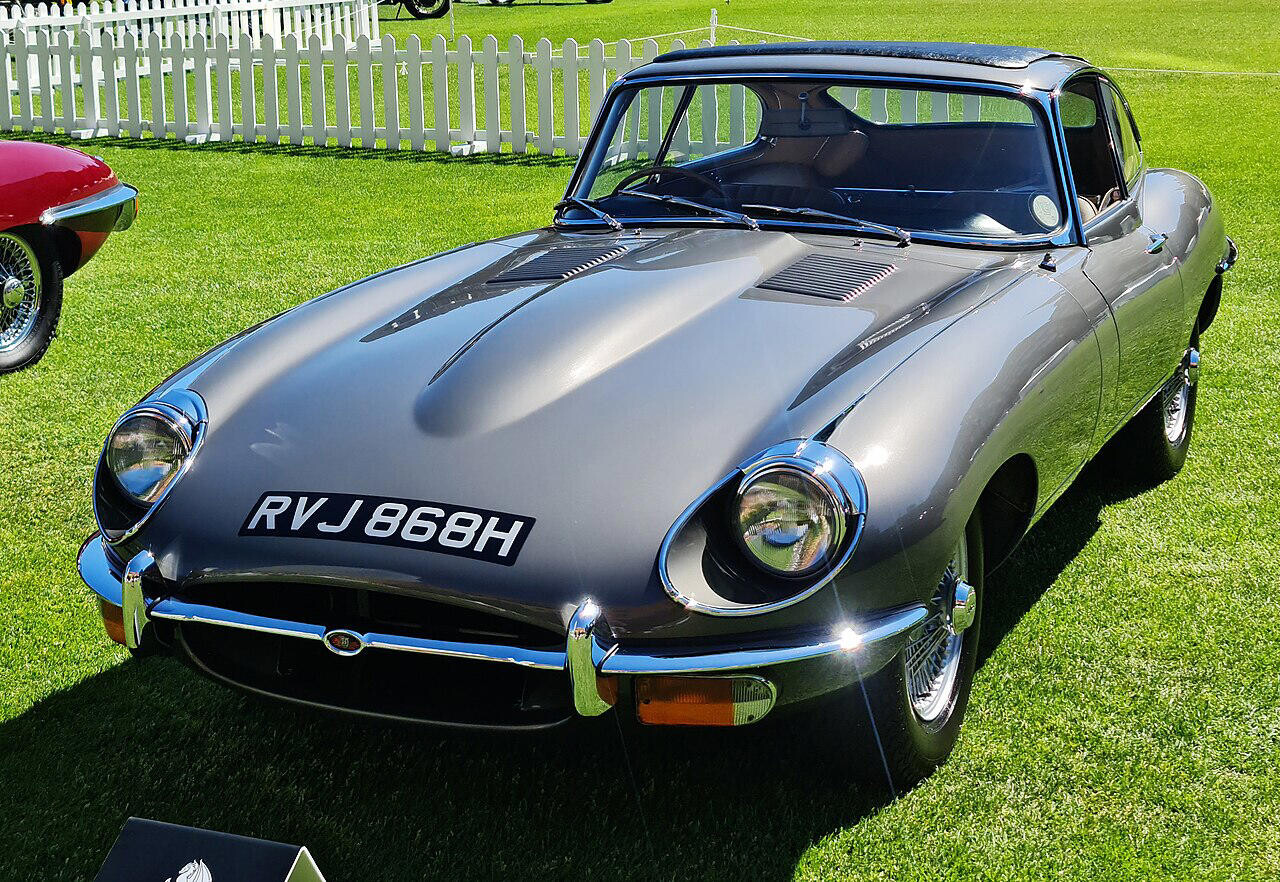
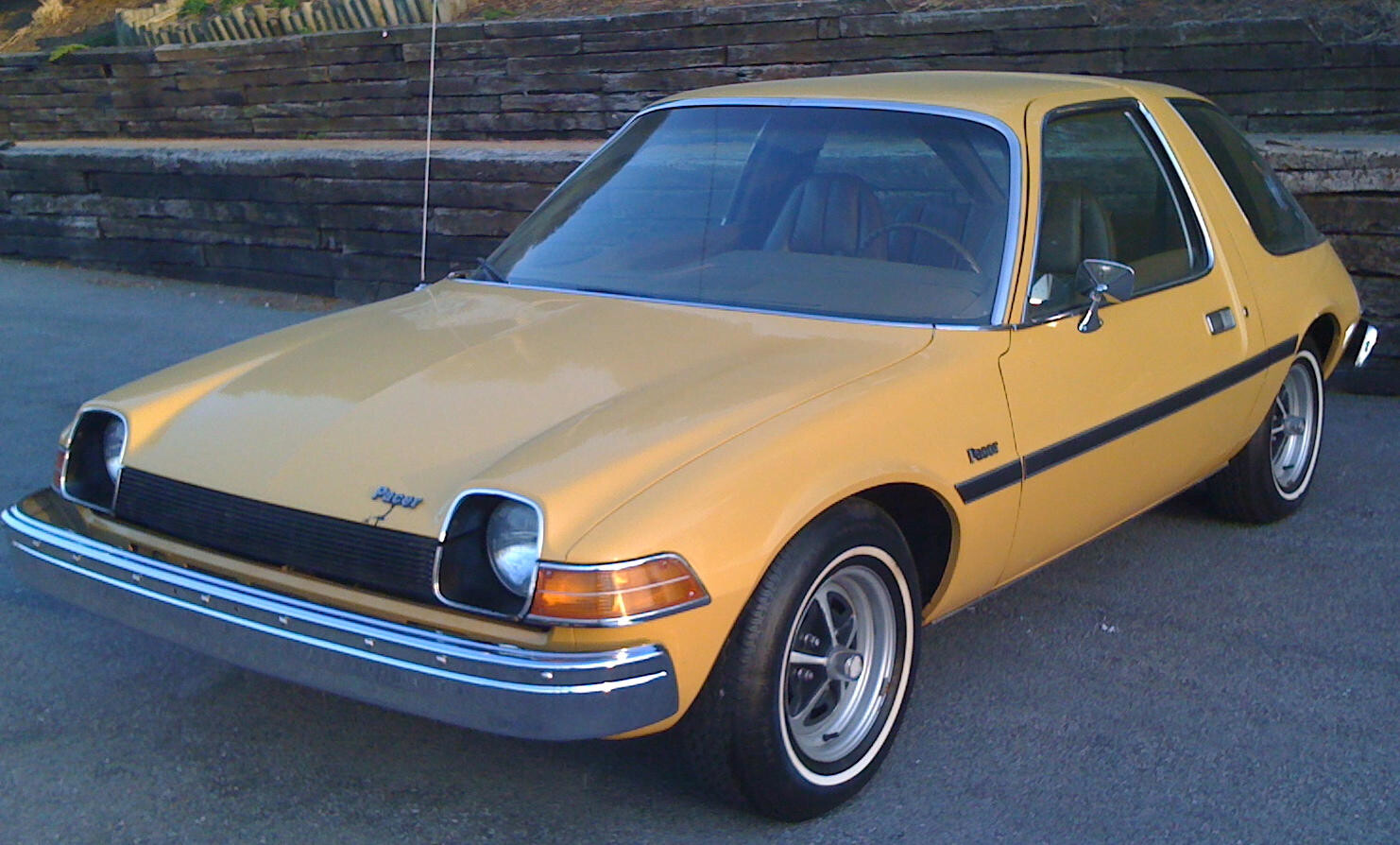
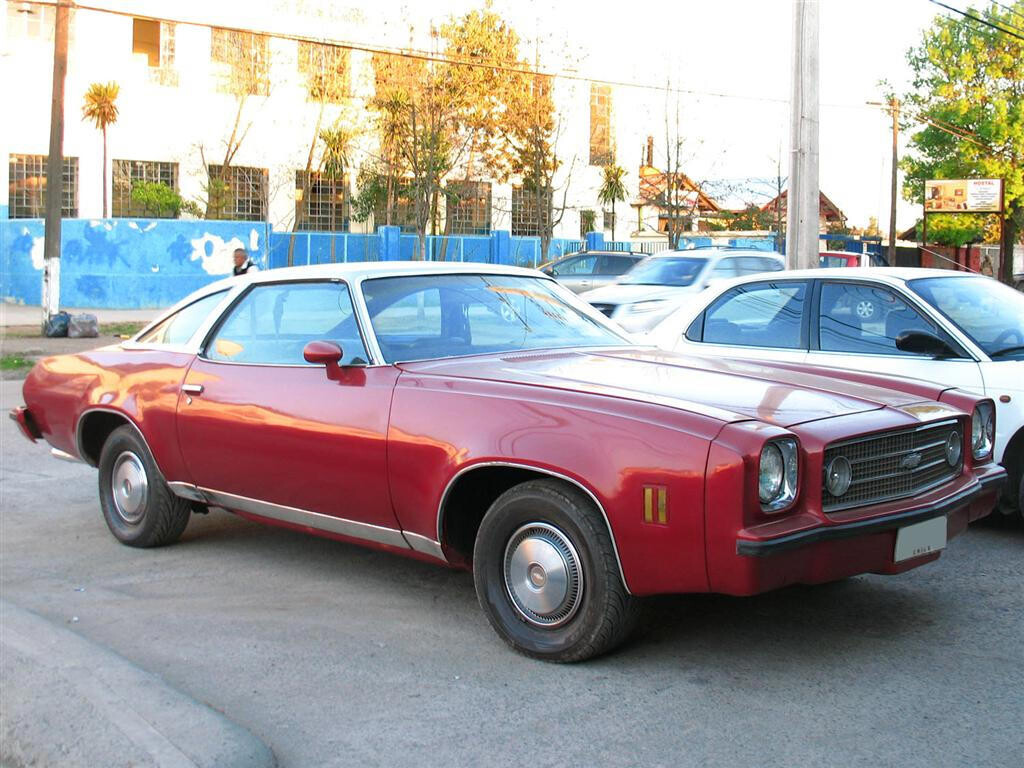
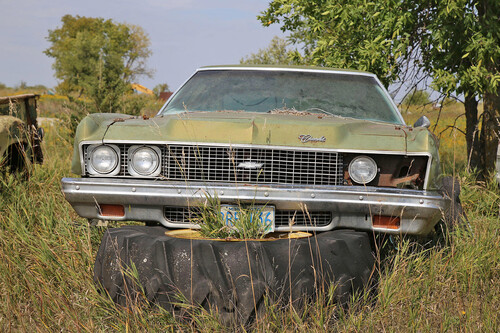
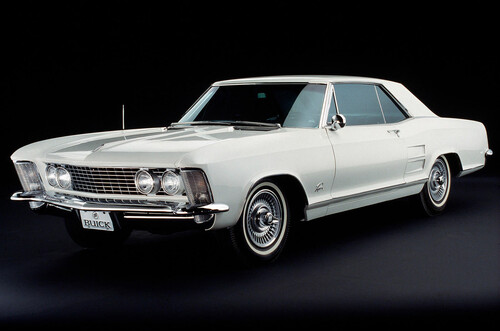
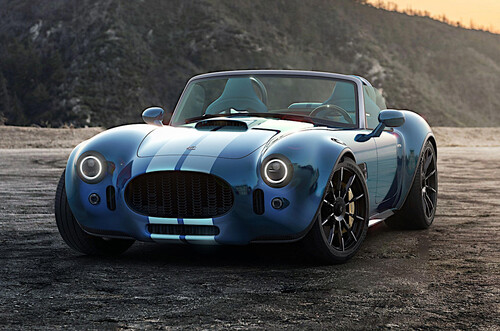
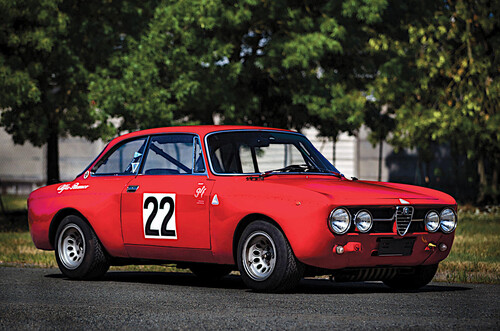
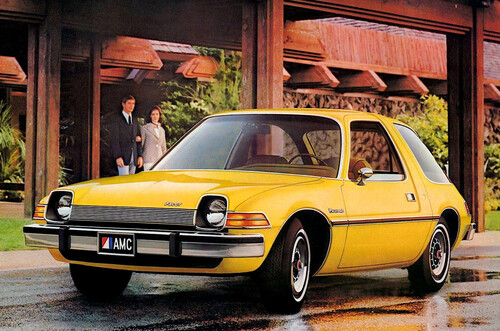
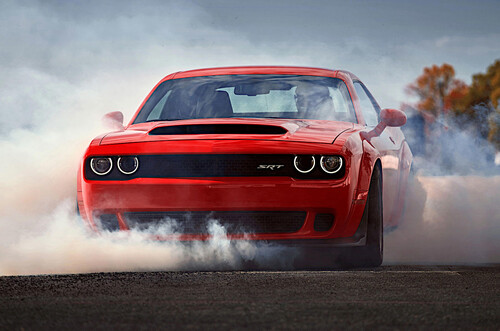
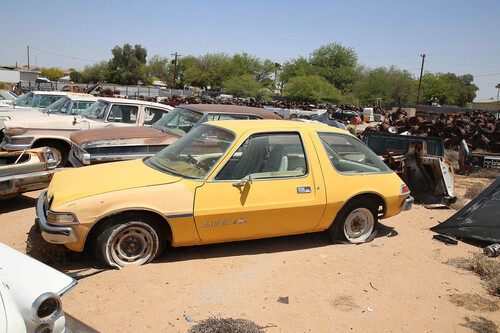
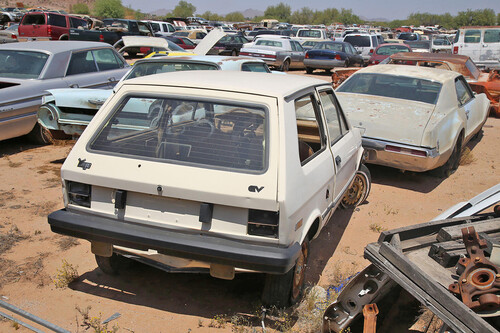
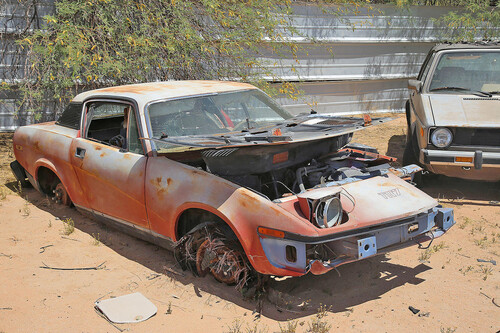
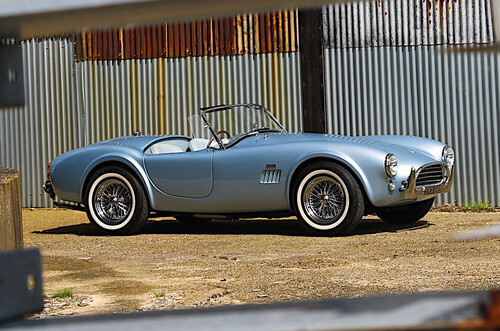
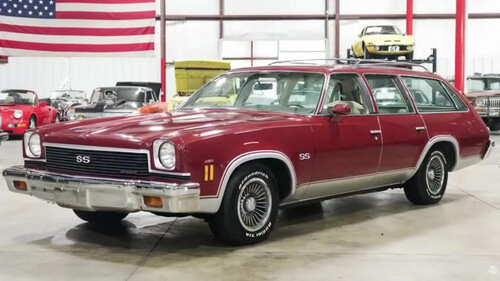
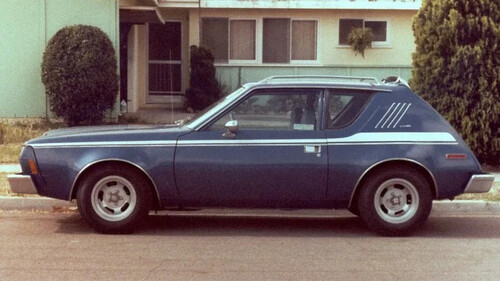
Nostalgia is a tricky thing. One minute, it makes you miss a car with style, soul, and a growl that shakes windows. The next, it reminds you of the tin can your cousin drove that stalled in every parking lot. Some vintage cars earned their place in history. Others should’ve come with an apology note. This article’s a split-screen, a look at both: the ones we’d still happily cruise in and the ones we’re glad were left behind at the gas station. It’s a ride through hits and the hiccups without rose-colored glasses—or spark plugs that fall out mid-drive. We’ll start with the ones we miss. 1963 Chevrolet Corvette Sting Ray 1963 Chevrolet Corvette Sting Ray The 1963 Corvette Sting Ray broke new ground with its independent rear suspension and lightweight fiberglass body. Its split rear window was a unique, one-year-only feature. Hidden headlamps added flair, while the 327 cubic inch V8 delivered up to 360 hp. It was sharp, fast, and unmistakably ahead of its time. 1957 Ford Thunderbird 1957 Ford Thunderbird In its final year as a two-seater, the ’57 Thunderbird outsold the Corvette three to one—a clear fan favorite. The optional 312 cu in V8 packed up to 300 hp. Porthole windows added both flair and visibility, while a 12-volt system ensured it ran smoothly and remained up-to-date. 1970 Dodge Challenger R/T 1970 Dodge Challenger R/T Dodge’s 1970 Challenger R/T stood tall on the E-body platform, improving handling without sacrificing size. The Shaker hood screamed performance, and inside, Rallye instruments and bold trim backed up its muscle attitude. With an optional 426 HEMI pushing 425 hp and 76,000 units sold, it proved that power could also be popular. 1969 Jaguar E-Type Series II 1969 Jaguar E-Type Series II Few cars matched the E-Type’s mix of elegance and aggression. By 1969, open headlights met U.S. safety rules, while twin fans cooled the upgraded 4.2L inline 6. Top speed? 1 shocking 50 mph. Larger Girling callipers sharpened braking, and the torque improved as well. What didn't change? The silhouette, staying as seductive as ever. 1959 Cadillac Eldorado Biarritz 1959 Cadillac Eldorado Biarritz In 1959, tailfins hit towering heights, and the Eldorado Biarritz wore them like a crown. With just 1,320 convertibles produced, a 390 cu V8 delivered 345 hp, but the ambitious air suspension proved finicky. Cadillac’s optional Autronic Eye headlamp dimmer added a final touch of space-age flair to this late-fifties treat. 1971 AMC Javelin AMX 1971 AMC Javelin AMX The ’71 Javelin AMX meant business—so much so it was tested by U.S. police forces. Its long hood and short-deck design impressed from every angle, and Trans-Am champ Mark Donohue gave his nod. Built in Kenosha and offered with a thumping 401 cu in V8, it proved AMC could flex muscle, too. 1966 Shelby GT350 1966 Shelby GT350 Carroll Shelby didn’t just tune the GT350; he turned it into a street-legal track star with a 289 cu in V8 engine that kicked out 306 hp. Fiberglass hoods trimmed weight, and the functional side scoops cooled the brakes. Built in Shelby’s LA facility, this machine didn’t just look fast—it delivered on every promise. Up until now, we’ve seen all the vintages we missed. The next lot are those that existed but came with so many issues; we're almost grateful they are gone. 1974 Ford Pinto 1974 Ford Pinto The Pinto gained infamy for its deadly gas tank explosions in rear-end crashes. Rushed to market in just 25 months, its base 1.6L engine barely moved the needle. Even after selling over 3 million units, its legacy burned—literally. A 1978 recall tried to patch the fuel flaw, but the damage was already done, and the reputation of the Pinto was irreparable. 1980 Chevrolet Citation 1980 Chevrolet Citation Built on the flawed X-body platform, General Motors’ front-wheel-drive gamble started strong—over 800,000 sold in year one. However, things quickly fell apart after that. The brakes locked up, and rust ran rampant; it even sparked lawsuits. The name “Citation” became less about performance and more of a red flag for buyers burned by broken promises and a reminder of the forms they'll have to fill out once it broke down. 1975 AMC Pacer 1975 AMC Pacer The Pacer attempted to be futuristic but fell short of the mark. A rotary engine plan was in the works, but it fell through, leaving the cab-forward body with lagging performance. One door was longer than the other, and nearly 40% of the surface was glass, which meant it was hot in summer and cold in winter while glass turned occupants into features in a fish tank. 1976 Cadillac Seville 1976 Cadillac Seville The Seville was Cadillac’s shot at downsizing with class, but it missed the mark. Built on a Chevy Nova platform, it somehow cost more than larger Cadillacs. The 180 hp V8 engine felt underpowered for a luxury ride, and even with electronic fuel injection, it struggled to keep up with its sharper European competitors. 1982 Renault Le Car 1982 Renault Le Car AMC brought over Renault’s tiny hatchback and hoped it would click. It didn’t. The Le Car’s 1.4L engine made a meagre 55 hp, and despite having front disc brakes, it couldn’t stop the quirky styling from scaring off U.S. buyers. Sales stalled, and the Le Car rolled off stage with a whimper. Out of all the poor cars on this list, "Le Car" has maybe the most interesting modern following. 1973 Chevrolet Chevelle Malibu Colonnade 1973 Chevrolet Chevelle Malibu Colonnade In 1973, the muscle car era was fading, and the Chevelle was fading along with it. Replacing sleek hardtops with bulky Colonnade styling added over 200 pounds. Emissions rules reigned in its engine to just 145 hp. Convertibles disappeared altogether. Once a street icon, the Malibu became a bloated echo of its former self. 1980 Triumph TR7 1980 Triumph TR7 The TR7 didn’t age well. Its 2.0L engine squeezed out just 105 hp. The wedge design divided fans, and poor quality control from British Leyland didn’t help. Production bounced between three struggling plants. In the end, this Triumph couldn’t live up to its name, falling short of triumph