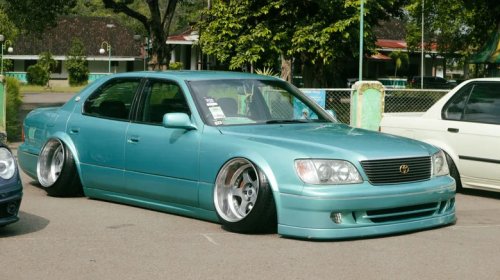
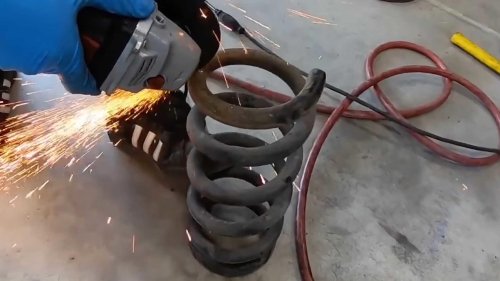
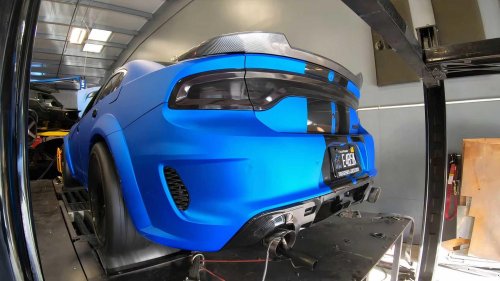
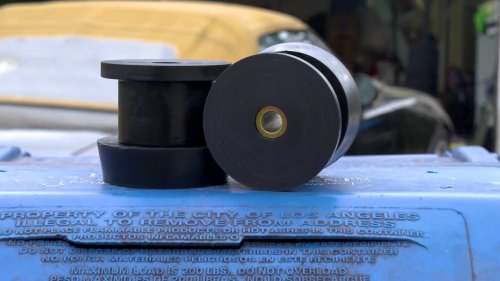
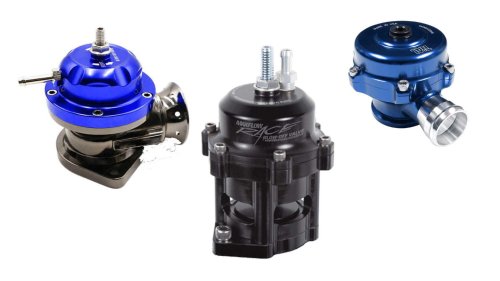
Car culture thrives on aftermarket upgrades. We hunt for more horsepower, tighter grip, better stance, or a louder soundtrack that turns heads at the next Cars and Coffee. Swapping parts and dialing in a setup feels like progress, and in the right places, it absolutely is. The garage becomes a laboratory where every bolt promises a faster, sharper, cooler version of the car we love.That excitement sometimes hides trouble. Plenty of popular mods quietly drain performance, beat up daily ride comfort, and trim years off a car’s lifespan. The problems rarely show up right away. Instead, they creep in over thousands of miles, wearing down bushings, stressing turbos, or cooking suspension pieces until the car drives worse than stock. Before loading a cart with budget parts and firing up the jack stands, it helps to know which upgrades do more harm than good. Cheap Coilovers Or Cut Springs They Slowly Ruin: Shocks, Tires, Ball Joints, Control Arms, Steering Alignment, And Overall Chassis Stability Fitment Industries via: YouTube A slammed stance grabs attention in a parking lot, but the ride tells a different story on the road. Cheap coilovers and cut springs change suspension geometry on cars like the Honda Civic, VW Golf GTI, or Ford Mustang, and the chassis never thanks you for it. The shocks can’t match the spring rate, so they bottom out early and wear fast. Toe and camber drift out of spec, which puts brutal stress on the inner shoulders of the tires. Those tires start looking chewed up in just a few thousand miles, and handling feels worse than stock long before you realize the damage.Shops that deal with slammed Honda Civics see this every week, especially when a quick emergency maneuver reveals how unstable a lowered car can be without proper engineering behind it. Replacing tires twice as often and burning through dampers creates costs that stack up slowly, and by the time the car wanders on the highway or scrapes over every driveway, the owner already regrets the decision. Enthusiasts who want to go lower without the headaches choose high-quality setups from KW, Bilstein, or Eibach so the suspension stays safe and predictable over time. Aggressive ECU Tunes With Stock Cooling They Slowly Ruin: Pistons, Ringlands, Turbochargers, Head Gaskets, Spark Plugs, And Oil Life. Atlantic Beach CustomsExtra boost feels like free hp, especially on turbo engines such as the Ford EcoBoost or Subaru WRX. A simple flash tune promises quick numbers on the dyno, and brands like Cobb or HP Tuners have made DIY tuning common. The problem comes from heat and knock control. Push the boost harder than the factory cooling can manage and detonation sneaks in. That leads to cracked ringlands, oil breakdown, and pistons that run hotter than intended.Turbocharged engines in VW MQB-platform cars struggle during hot summers, where intake temps shoot up past 90 degrees Fahrenheit, and all it takes is one long highway pull before the turbo, head gasket, or rods start wearing faster than you notice. Many cars show a gain of around 50 hp on a tune alone, but without a better intercooler and a stronger fuel system, those gains quietly shorten the engine’s life. Upgrading cooling before chasing numbers keeps the fun going and helps prevent the sudden transformation from quick daily driver to an expensive rebuild. Ultra-Stiff Polyurethane Bushings They Slowly Ruin: Control Arms, Subframe Mounts, Engine Mounts, Brackets, And NVH-Sensitive Suspension Parts Donut Media via: YouTubePolyurethane bushings work well on track-focused cars like a Mazda Miata or a BMW 3 Series built for weekend autocross. They sharpen steering response and reduce flex under heavy cornering. Daily driving in the United States tells a different story. Every pothole, bridge seam, and cracked lane sends vibration into control arms, subframes, and engine mounts. That extra NVH does not disappear. It stacks up like mileage, and metal parts fatigue under the constant load.Over time, micro-cracks form in suspension brackets, and rubber bushings elsewhere must handle more stress than they should. Ride quality goes from sporty to harsh, and the suspension ecosystem starts failing part by part. Replacing control arms or subframe components can cost hundreds of dollars more than simply refreshing OEM rubber bushings. Polyurethane belongs on cars that spend most of their weekends at the track, not on commuters racking up miles on rough pavement where comfort and long-term durability matter just as much as sharp turn-in. Unmapped Blow-Off Valves They Slowly Ruin: Turbo Bearings, Wastegates, MAF-Based Fueling Systems, And Boost Response Via: Maxflow That signature psshhsound from a blow-off valve gets attention, especially on turbocharged cars such as a MazdaSpeed3, Hyundai Veloster Turbo, or VW GTI. Factory systems use recirculated air to keep fueling consistent when the throttle closes. An unmapped BOV releases that air to the atmosphere, and the airflow meter assumes it still enters the engine. That leads to rich or lean spikes that show up as hesitation between gears.Turbo surge begins when the compressor forces air into a closed throttle plate, and shaft play grows gradually as the turbo fights this pressure imbalance. Wastegates and bearings wear earlier than expected, lag builds up, and check engine lights pop on from incorrect bypass airflow. Established brands like Turbosmart work well with proper tuning, but no-name parts often create headaches while delivering only noise. A tune that keeps air-fuel ratios stable protects the turbo, so the car stays responsive and reliable long after the novelty of the sound fades. Giant Wheels With Low-Profile Tires They Slowly Ruin: Wheel Bearings, Tie Rods, Steering Racks, Brake Components, And Rims Themselves Courtesy Custom Car Village Big wheels with low-profile rubber change a car’s look instantly, and it started the Donk movement in American car culture. Muscle cars like the Dodge Charger or sports coupes such as the Chevy Camaro often get upsized because the stance feels tougher and the wheel gap disappears. The trouble starts once the car leaves the show lot. Larger wheels add rotating mass that slows acceleration and forces the brakes to work harder. Thin tires lose the sidewall flex that protects the suspension from potholes and broken pavement, so the wheels take direct hits that bend rims much easier than stock setups.Steering components feel the strain as well. The extra weight at each corner increases load on tie rods, bushings, and power steering systems. Over time, the front end feels heavier and less precise, and impacts that a normal tire would absorb now rattle the whole chassis. Replacing bent alloys and worn steering parts costs far more than sticking to a size that keeps some cushion between the pavement and the wheel. Enthusiasts who want style with longevity usually choose lighter flow-formed wheels and street-friendly tire profiles that maintain handling and comfort instead of sacrificing both for aesthetics.Sources: Fitment Industries via: YouTube, Donut Media via YouTube




















 +63 others