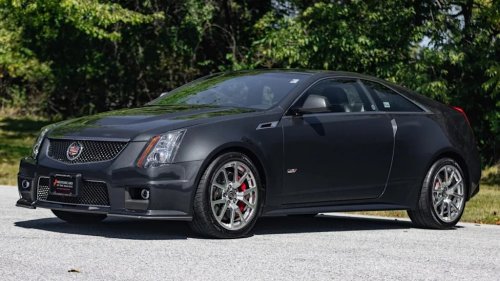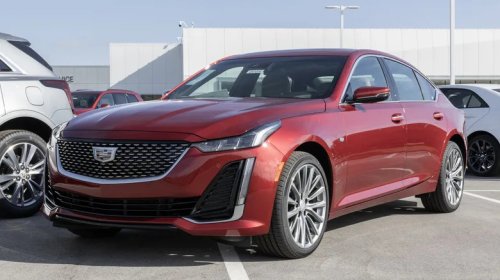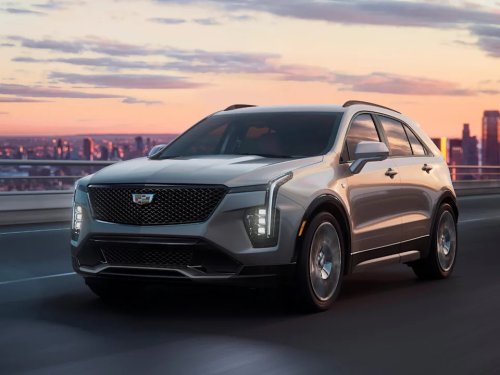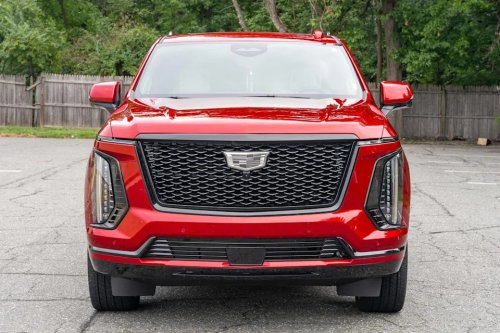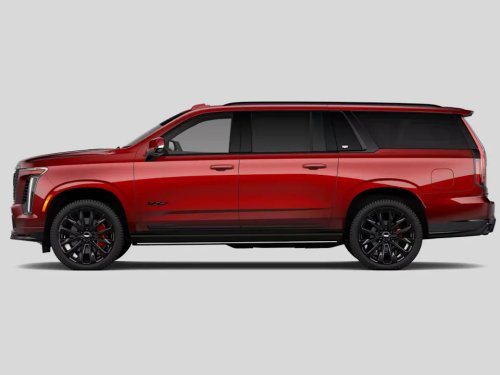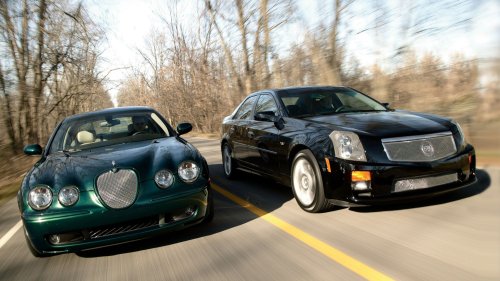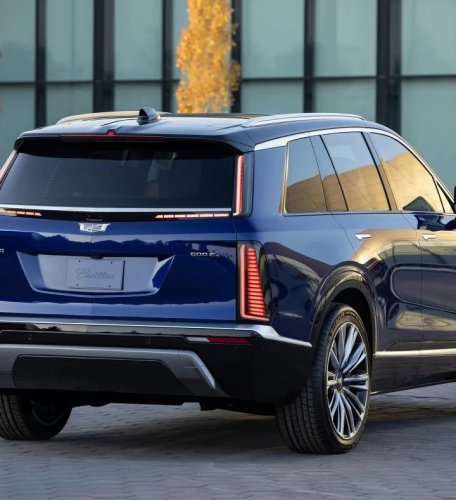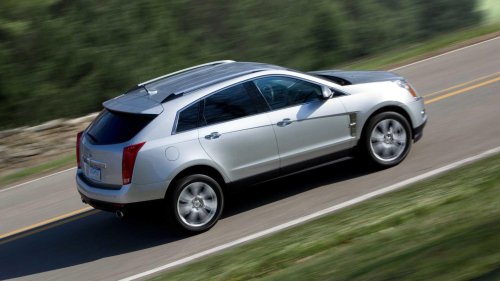
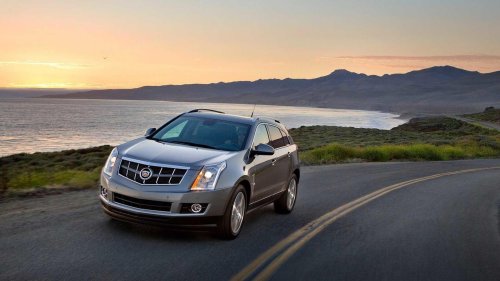
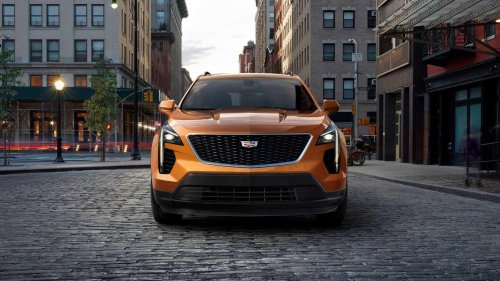
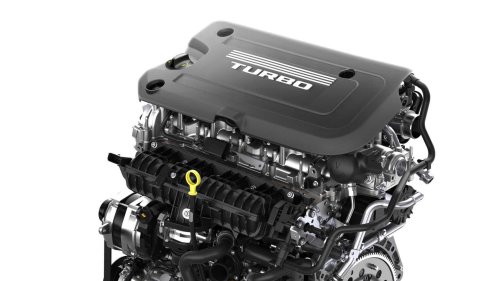
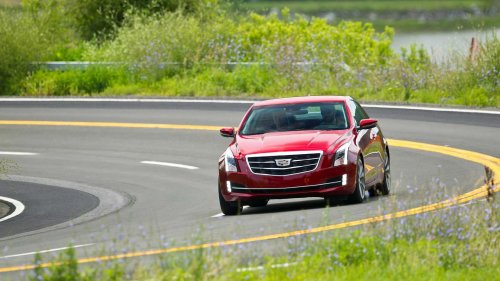
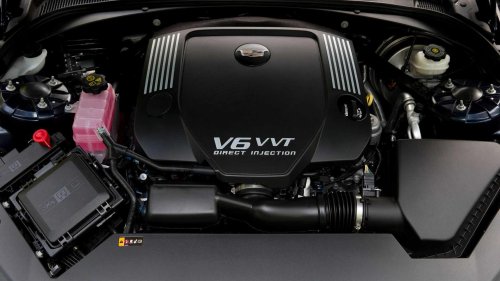



















In 2010, the first turbocharged engine to ever power a Cadillac SUV arrived under the hood of the SRX. It was a major misfire. The 2.8-liter V6 was poorly received as an added-cost option that was quickly noted for being heavy on fuel, not powerful enough, and potentially self-destructing if fed regular octane gas and driven too hard. After a little over a year of poor reviews and recalls, the 2.8-liter turbo V6 disappeared because customers weren't buying it, and it would be 8 more years before another Cadillac SUV would have a turbocharged engine.Let's look at how this early attempt at turbocharged SUV performance failed, and how Cadillac went on to become a forced induction leader regardless. Cadillac's First Turbo SUV Lasted About 18 Months CadillacThe quick and total failure of the available 2.8-liter turbo V6 was an interesting hiccup on the Cadillac SRX timeline. The first-generation SRX ran from 2004 to 2009 and was built on the Sigma platform shared with the Cadillac CTS of the day. This latest SUV was rear-drive-based, with one foot in the future and one in the past when it came to powerplant choices: a 4.6-liter NorthStar V8 with 320 horsepower, or a 3.6-liter V6 with 255 hp.The second and final generation SRX arrived in 2010, strategically repositioning the SRX nameplate as a front-drive-based volume leader that targeted the Lexus RX shopper. Two engines were offered from launch: the high-volume 3.0-liter naturally aspirated V6 with 265 hp and 223 pound-feet of torque, or the turbocharged 2.8-liter V6 with 300 hp and 295 lb-ft of torque. The 3.0-liter engine debuted with the SRX, and the 2.8-liter turbo unit arrived on the options sheet a few months later.Cadillac Torque output is the all-important figure when it comes to getting a heavy vehicle like an SUV up to speed. The naturally aspirated V6 engine made just 223 lb-ft of torque, and needed to hit a lofty 5,100 RPM to do it. This was an SUV that needed maximum revs to deliver even modest performance. If you were in any sort of hurry, you needed to drive this SUV with your foot on the floor a lot of the time.This made the 2.8-liter turbo unit look much more attractive on paper, delivering a much harder-hitting 295 lb-ft of torque from just 2,000 revs. From the driver's seat, the turbo engine was much more responsive to lighter throttle inputs, much more of the time.Still, shoppers weren't buying it (literally). There were a few reasons why. First, turbo engines were still pretty rare in mainstream American vehicles in 2010, especially in SUVs. Some shoppers didn't quite trust them yet. Audi, BMW, and Volvo were the leaders in this universe, but the SRX's main competitors, including the Acura MDX, Lexus RX, Mercedes GLK350, and Infiniti EX35, were all naturally aspirated.General Motors Second, the 2.8-liter turbo engine used a lot more gas, but didn't make a major performance difference from the driver's seat. The EPA data showed that an SRX with the 3.0-liter V6 and AWD had an annual fuel cost of $2,300. The 2.8-liter turbo engine, which needed to run premium gas, had an annual fuel cost of $3,200 instead. That's an extra $900 per year in gas, on top of stepping up to the Performance or Premium trim grades with turbo power, which ran an extra $3,000 to $4,000 or so at the time.Translation? Turbo power in the SRX was a pricey proposition that'd cost you thousands more up front, and then drink about 40% more of your gas dollars to deliver a 32% boost in torque and a mere 13% boost in horsepower.There was also a recall affecting Cadillac's turbocharged engine. Not long after it went on sale, there was a campaign to remedy engines that could self-destruct if driven hard with regular-octane fuel in their tanks. Though the SRX turbo required premium gas, modern engines are fitted with a fail-safe that prevents self-destruction if lower-octane fuel is used. Cadillac Didn't Launch Another Turbo SUV For 8 More Years CadillacIn 2011, Cadillac's turbocharged SRX disappeared when the 2.8-liter V6 was dropped from the options list due to low sales. As reported by GMAuthority and others at the time, a Cadillac spokesperson cited a take rate of around 10% for the turbo engine. Most shoppers chose the naturally-aspirated 3.0-liter V6 instead, especially as the turbo mill's reputation quickly soured.For context, competitor Lincoln launched its first turbocharged SUV in 2010 as well, by introducing the MKT EcoBoost with a twin-turbo 3.5-liter V6 making 365 hp. The emerging EcoBoost engine family helped turbocharged engines reach the luxury SUV mainstream. However, Cadillac would sit on the sidelines for another eight years before launching its next turbocharged SUV, the XT4, in 2019.Cadillac This compact SUV had a turbocharged 2.0-liter four-cylinder engine rooted in a GM-sourced engine family that had, by this point, begun earning a solid reputation from owners, reviewers, and tuners alike. You could safely run regular-grade gas in this engine if you liked, and the latest advancements meant the XT4 delivered the high-torque advantage of a turbocharged engine without the fuel-cost penalty of the 2.8-liter V6 before it. Cadillac Became A Modern Leader In Forced Induction Regardless CadillacThough Cadillac's turbo engine was a definite miss, it may have come with a silver lining. The failure of the 2.8-liter turbo V6 in 2011 likely confirmed to Cadillac that their shoppers overwhelmingly preferred naturally aspirated power in their SUVs and may have prompted GM's subsequent doubling down on naturally aspirated V6 engine development in the years that followed. The SUV scene was exploding in popularity, and GM now had a clearer path to delivering the engines their customers wanted.CadillacAs the SUV grew in popularity, Cadillac took steps to show shoppers that it was still very serious about the sedan lineup, which was becoming increasingly sporty and setting up for a horsepower war. In 2012, the LSA V8 engine arrived with a crushing 556-horsepower in the CTS-V of the day, taking down the Ford Mustang Shelby GT500 as the most powerful American V8 of the day.Bring a TrailerThe following year, in 2013, the Cadillac ATS arrived with a 2.0-liter turbo four under the hood, and you could get a six-speed stick if you liked. This was Cadillac's first successful turbo engine, and it went on to become an enthusiast favorite. In 2014, a new wave of twin-turbocharged V6 engines emerged to power models like the Cadillac CTS V-Sport and CT6, further building Cadillac's forced-induction credibility as the supercharged V8 went on to become the brand's halo engine.