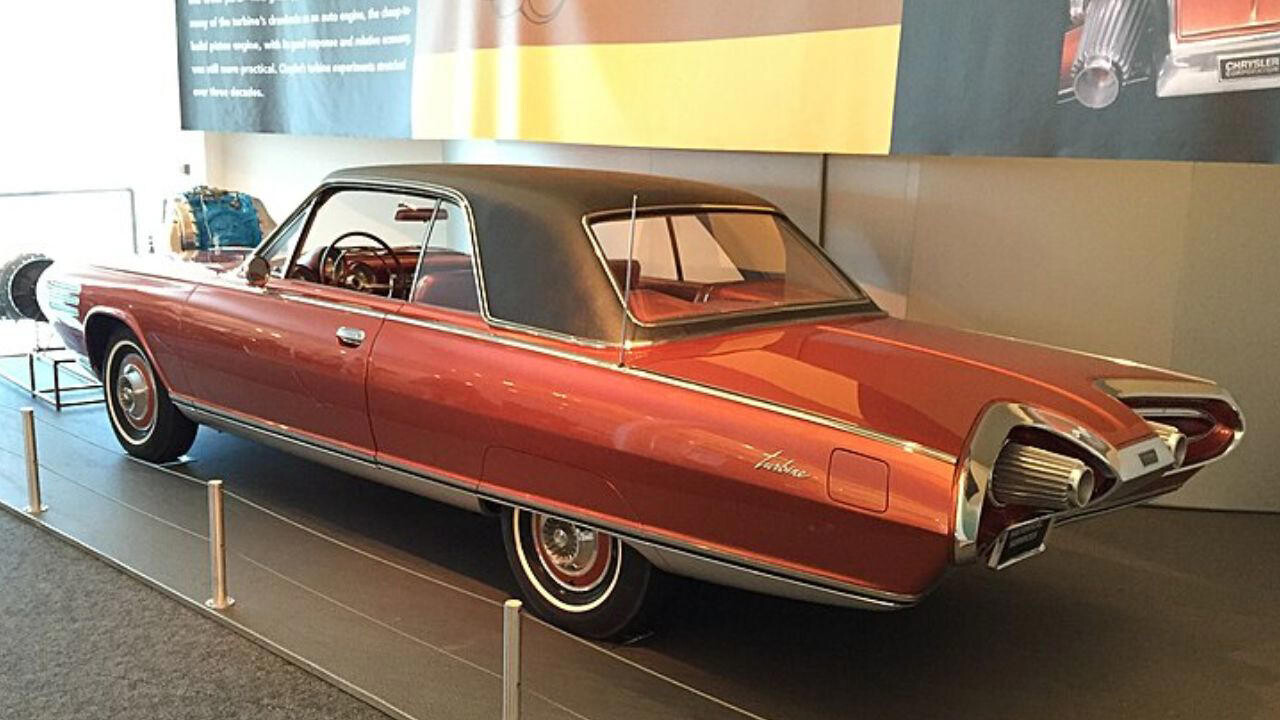
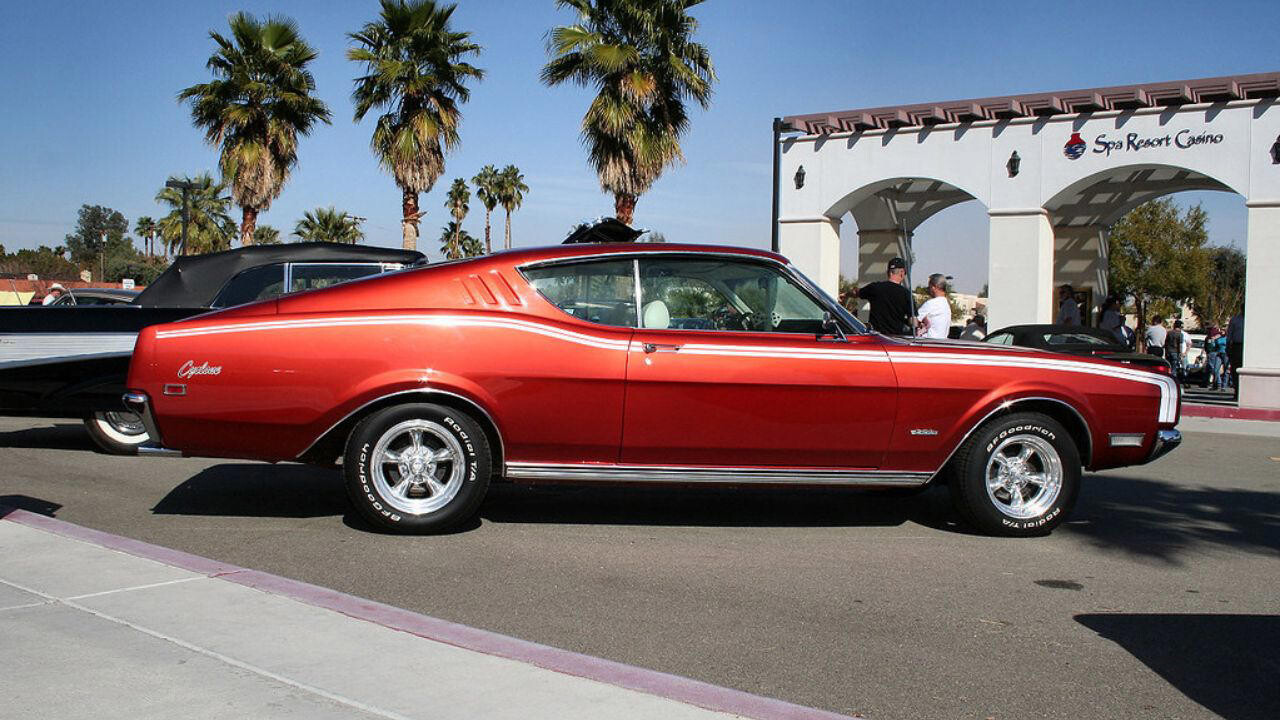
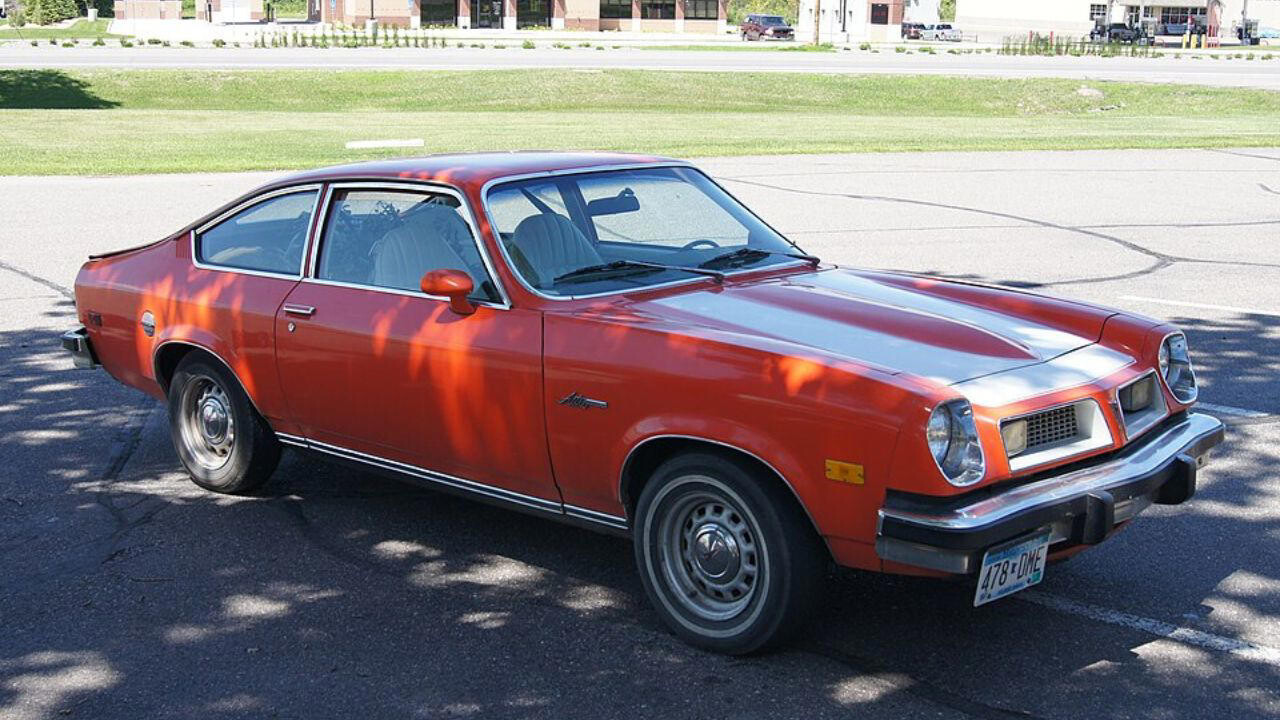
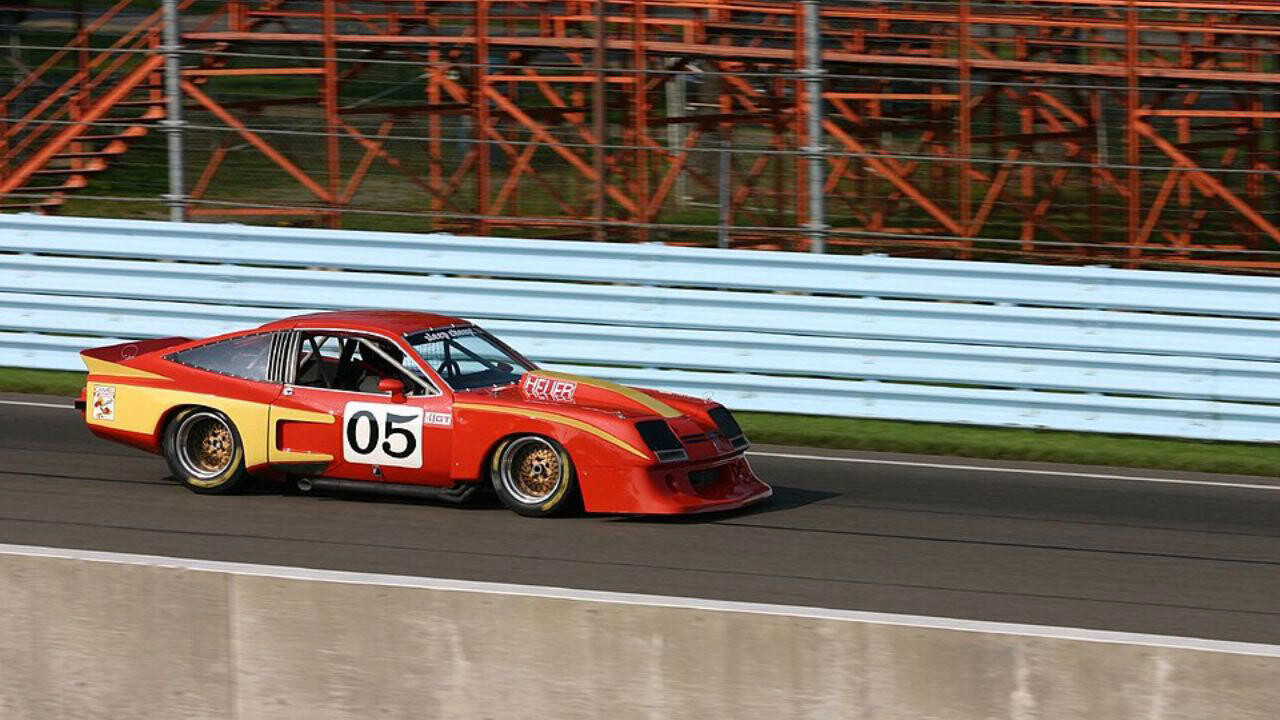
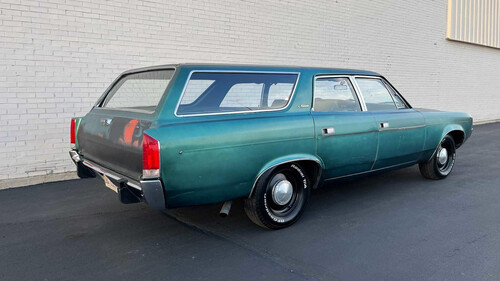
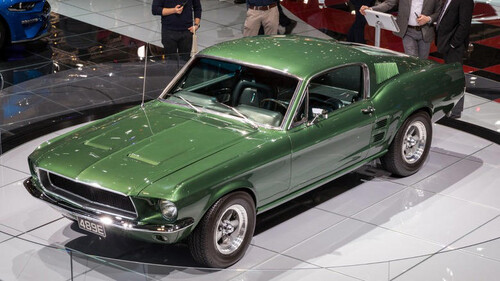
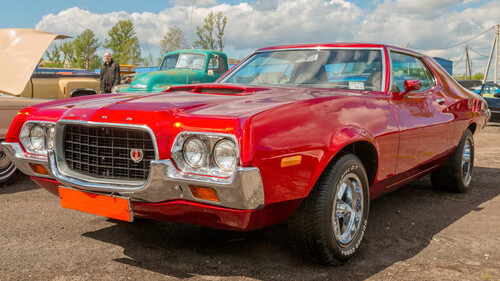
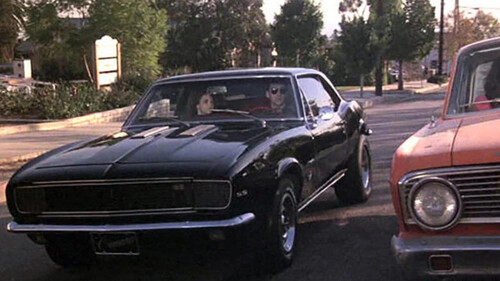
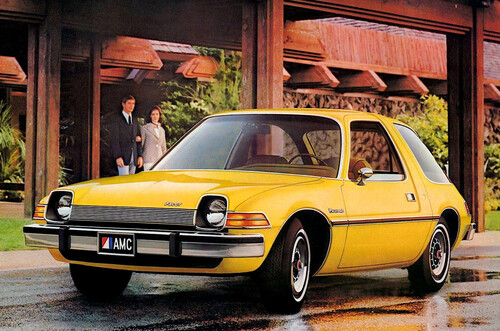
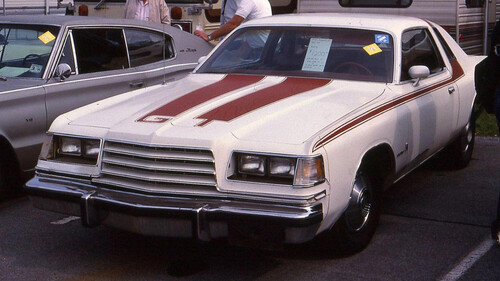
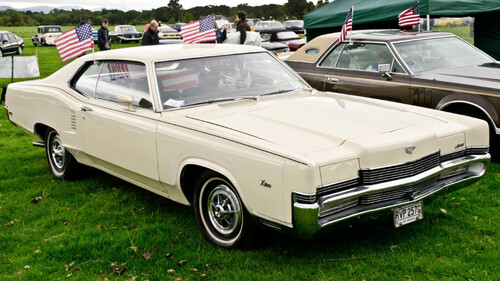
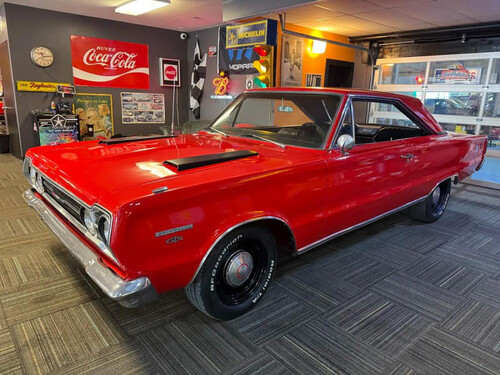
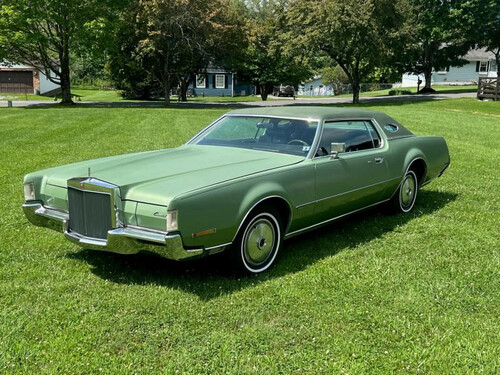
American automotive history is filled with cars that once sat on dealer lots but have become surprisingly difficult to encounter today. Low production numbers, short production runs, unusual designs, and changing buyer tastes pushed many of these models into obscurity. They may not have the recognition of a Mustang or Corvette, but each one tells a different story about how American automakers experimented with style, performance, and everyday transportation.Chrysler TurbineThe Chrysler Turbine was one of Detroit’s most unusual automotive experiments. Instead of a conventional piston engine, it used a gas turbine that could run on several types of fuel. Chrysler built only a small number for a consumer testing program, making surviving examples exceptionally uncommon. The car’s sleek styling also looked more futuristic than most production vehicles of the early 1960s. Although turbine power never reached the showroom in meaningful numbers, the Turbine remains one of America’s most fascinating automotive experiments.Ford EdselThe Ford Edsel became famous for all the wrong reasons, but its short production life also makes it an unusual sight today. Ford positioned the new marque between existing brands in its lineup and gave its cars distinctive styling, including the controversial vertical grille. Several models were offered, ranging from smaller family cars to larger premium vehicles. Production lasted only a few years, leaving surviving examples relatively uncommon. Today, the Edsel is remembered as much for its ambitious launch as for its unusual styling.Studebaker AvantiThe Studebaker Avanti was unlike almost anything else coming from an American manufacturer when it appeared. Its sleek fiberglass body abandoned the chrome-heavy styling associated with many contemporary cars, giving it a distinctly modern appearance. The Avanti also offered serious performance in a sophisticated package. Studebaker’s financial problems meant the model had a short original production run, and that limited availability has made the Avanti an increasingly interesting sight at classic-car events.AMC PacerThe AMC Pacer looked strange when it arrived, but its unusual proportions reflected a very different approach to the American compact car. Its wide body, large glass area, and asymmetrical doors created a surprisingly spacious interior for its exterior dimensions. AMC also emphasized aerodynamic development and visibility. The Pacer’s styling eventually became its defining characteristic, but that same individuality makes surviving examples immediately recognizable. Seeing one today is far less common than its once-familiar shape might suggest.AMC GremlinThe AMC Gremlin was one of the most distinctive compact cars ever sold in America. Its short rear end and unusual profile made it instantly recognizable, while its small dimensions allowed AMC to compete in a market increasingly interested in inexpensive compact transportation. The Gremlin was not intended to be luxurious or sophisticated. It was practical, inexpensive, and different. Because many were used as everyday transportation and eventually discarded, finding a well-preserved example today can be surprisingly difficult.AMC Matador CoupeThe AMC Matador Coupe gave the company’s ordinary nameplate a dramatically different appearance. Its large fastback-style body and sweeping roofline separated it from the boxier sedans and coupes of the period. AMC used the design to give the Matador a more personal and upscale character. The model’s distinctive shape makes it memorable among enthusiasts, but surviving examples are not common. A clean Matador Coupe can therefore attract considerable attention from people who remember the name but rarely see one anymore.Mercury CycloneThe Mercury Cyclone occupied an interesting place between Mercury’s regular passenger cars and Ford’s more obvious performance models. Its sleek body and available V8 power made it a capable performance coupe, while Mercury gave it styling that was distinct from the Mustang and Torino. Later versions became increasingly focused on performance, but even earlier Cyclones had plenty of character. Production numbers were never enough to make them everyday sights today, which makes a clean example especially interesting at a car show.Mercury MarauderThe Mercury Marauder name appeared on several different cars, but the classic full-size versions are particularly unusual today. These large coupes combined dramatic styling with powerful engines and were positioned as sporty personal cars within Mercury’s lineup. Their substantial size makes them instantly recognizable when one appears, but relatively few have survived in excellent condition. The Marauder represents an era when American manufacturers could turn a huge luxury-oriented coupe into something with a surprisingly aggressive personality.Buick ReattaThe Buick Reatta was an ambitious attempt to create a more technologically advanced personal luxury car. It featured a distinctive two-seat coupe or convertible body and, in early examples, a touchscreen-based electronic control system that was unusual for the period. The Reatta was also hand-finished in ways that separated it from more conventional Buicks. Its limited production ensured that it never became a common sight, and today an original Reatta can seem surprisingly exotic compared with the much more familiar Buick models around it.Oldsmobile JetfireThe Oldsmobile Jetfire was one of the earliest production cars to use a turbocharged gasoline engine. Its compact V8 received a turbocharger and a special fluid-injection system intended to control combustion under boost. The technology was ambitious for the early 1960s, but the system also required careful maintenance. Its short production run means relatively few remain. Seeing a Jetfire today is therefore a glimpse at one of the earliest attempts to bring turbocharging to ordinary American car buyers.Pontiac AstreThe Pontiac Astre was Pontiac’s entry into the growing subcompact market, sharing much of its engineering with the Chevrolet Vega while receiving Pontiac-specific styling and trim. It arrived during a period when American buyers were increasingly interested in smaller and more economical vehicles. The Astre never achieved the recognition of Pontiac’s larger performance cars, and many examples disappeared after years of ordinary use. That makes surviving cars an unusual sight for anyone accustomed to seeing the brand’s more famous classics.Chevrolet MonzaThe Chevrolet Monza gave the company a sporty compact for an era when buyers were becoming more interested in smaller performance-oriented cars. Its sleek fastback styling gave it more personality than many economy cars, while several engines were offered during its production life. Chevrolet also used the Monza name across several body configurations, making it an interesting example of how automakers experimented with compact sporty vehicles during the 1970s. Clean surviving examples are much less common than the Chevrolet name suggests.Pontiac FieroThe Pontiac Fiero was one of America’s most unusual mass-produced sports cars. Its mid-engine layout gave it a configuration normally associated with much more expensive European machinery, while its space-frame construction and plastic body panels represented an unconventional approach to production. Later versions became considerably more performance-oriented. Although the Fiero sold in significant numbers, many were modified, neglected, or scrapped over the decades. An original, well-preserved example can therefore be surprisingly difficult to encounter.Ford EXPThe Ford EXP was a small two-seat coupe created during an era when Ford was exploring new approaches to personal transportation. Its compact body, front-wheel-drive layout, and sporty appearance made it very different from Ford’s traditional rear-wheel-drive coupes. Later versions gained turbocharged power and more performance-oriented equipment. The EXP never became a major collector car, which is precisely why surviving examples attract attention today. Many drivers recognize the name but have never encountered one outside photographs.Mercury LN7The Mercury LN7 was the more unusual sibling of Ford’s EXP, combining a compact front-wheel-drive platform with distinctive fastback styling. Its sharply sloping rear bodywork gave it a look that stood apart from many American cars of the early 1980s. Mercury never sold the LN7 in enormous numbers, and ordinary use took its toll on surviving examples. Today it represents an interesting period when American manufacturers were experimenting with smaller sporty cars and trying to adapt to changing consumer expectations.Buick SkyhawkThe Buick Skyhawk brought a more upscale presentation to GM’s compact front-wheel-drive era. Earlier versions used a rear-wheel-drive platform and offered a sporty coupe shape, while later generations adopted smaller front-wheel-drive architecture. The name therefore appeared across an interesting period of automotive change. Skyhawks were common enough when new but were rarely preserved as collectibles. That combination means a clean original car can be much harder to find today than the Buick badge might lead you to expect.Oldsmobile OmegaThe Oldsmobile Omega spent much of its life as a relatively ordinary compact, which is part of the reason surviving examples are so easy to overlook. The name was used on different platforms over several generations, including rear-wheel-drive and later front-wheel-drive cars. Some versions offered surprisingly interesting performance equipment. Because most were treated as basic transportation rather than future collectibles, relatively few survived in enthusiast condition. An original Omega can therefore be a genuine conversation starter at a classic-car gathering.Chevrolet Celebrity EurosportThe Chevrolet Celebrity Eurosport gave an otherwise ordinary family sedan a sportier personality through distinctive trim, suspension changes, and visual details. It arrived during a period when American manufacturers were learning how to make front-wheel-drive family cars more appealing to younger buyers. The Celebrity itself was once common, but enthusiast interest was limited. As a result, surviving Eurosport examples in original condition have become unusual. It is the sort of car many people remember from childhood but rarely see today.Dodge DaytonaThe Dodge Daytona turned a relatively compact front-wheel-drive coupe into one of Chrysler’s more memorable performance cars of the 1980s. Its long nose, aerodynamic profile, and available turbocharged engines gave it an unmistakable appearance and genuine speed. The Daytona also became closely associated with the period’s growing interest in front-wheel-drive performance. Although it was sold in reasonable numbers, many examples were modified or simply used up. A clean original Daytona is now an uncommon sight.