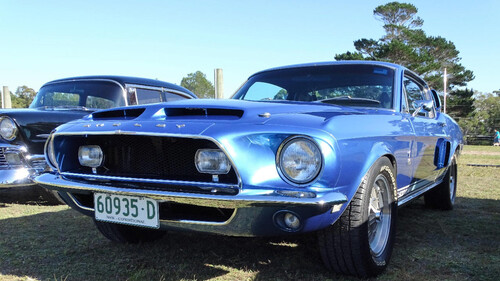
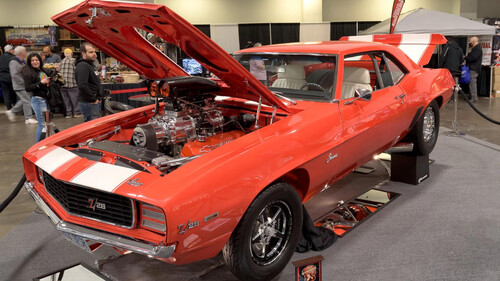
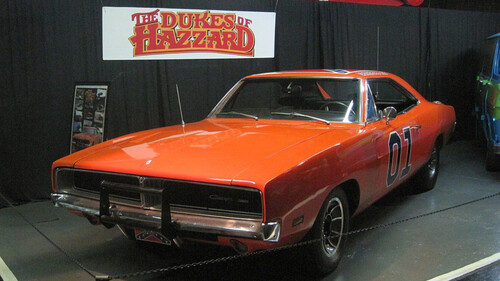
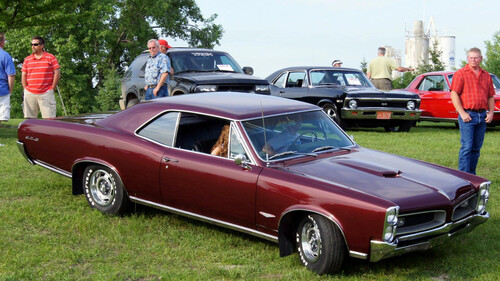
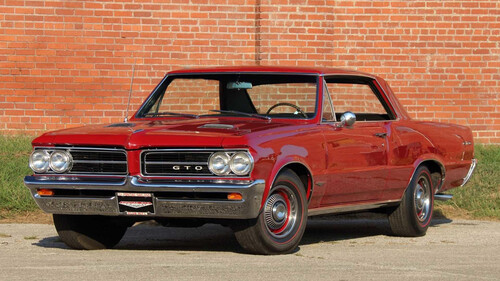
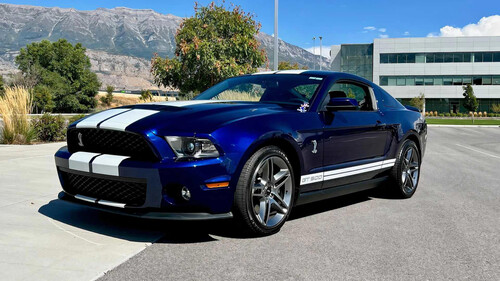
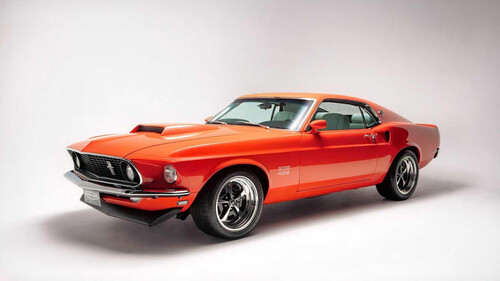
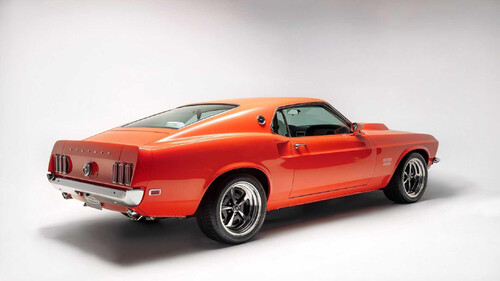
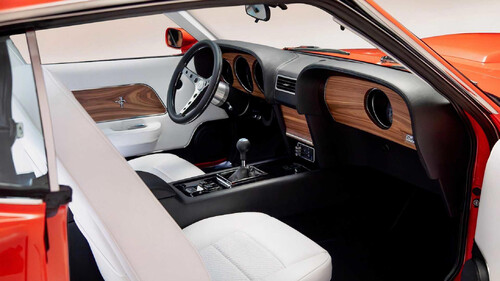
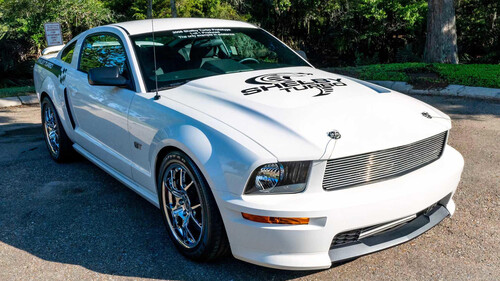
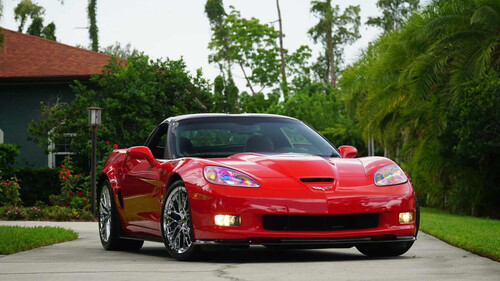
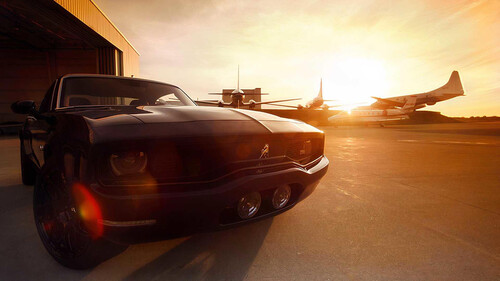
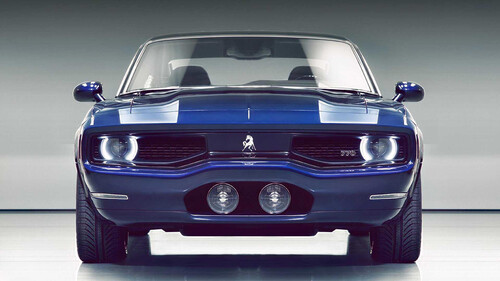
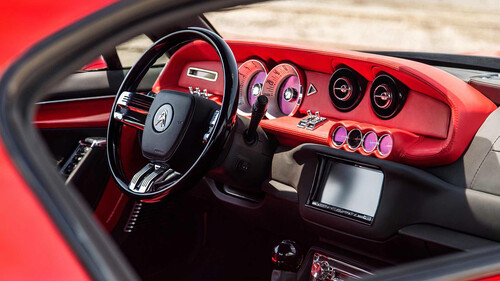
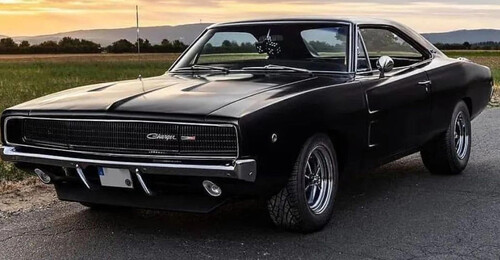
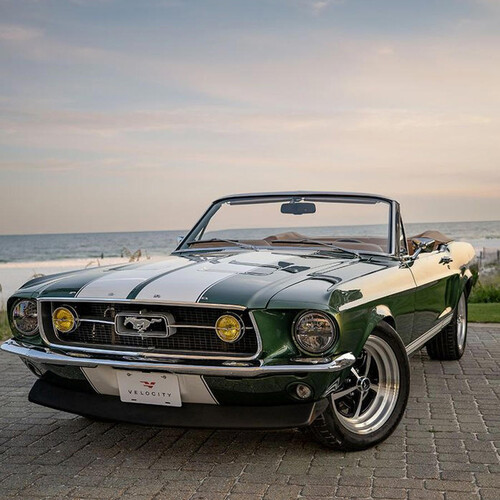
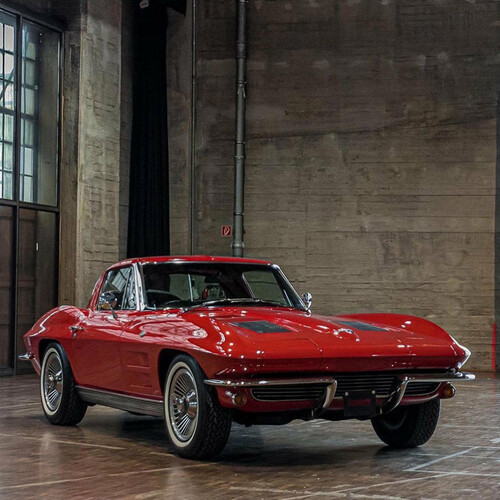
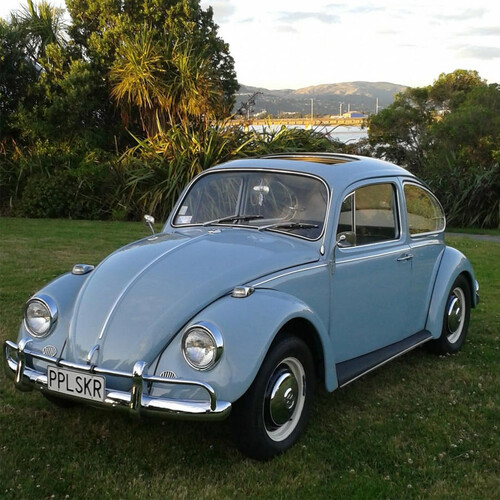
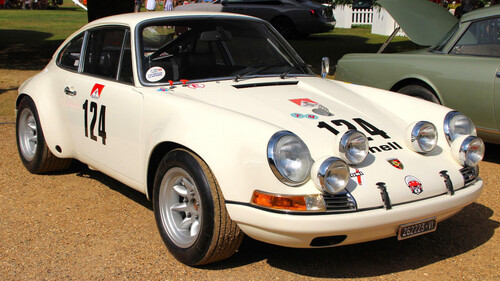
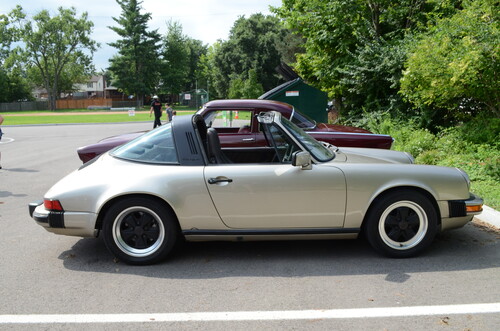
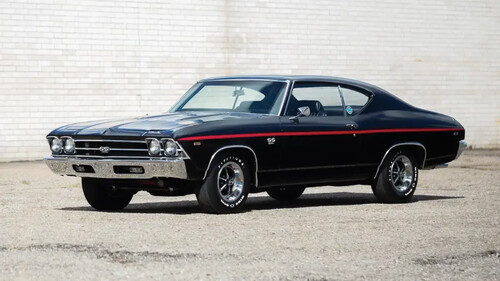
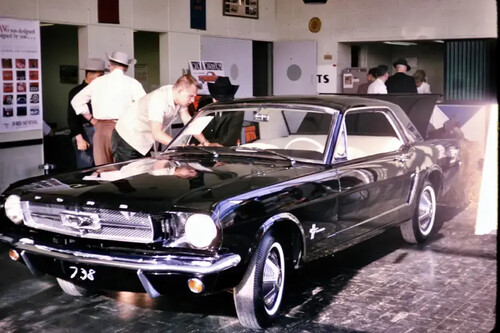
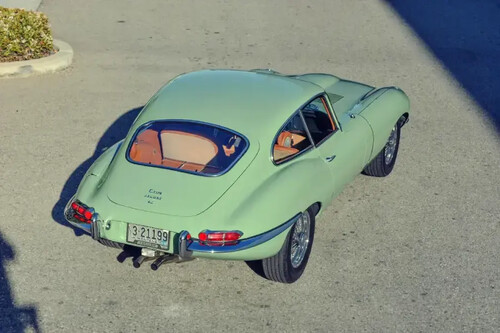
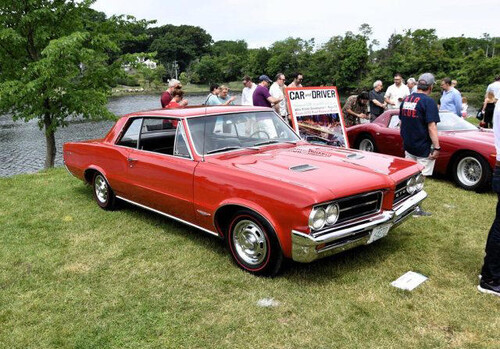
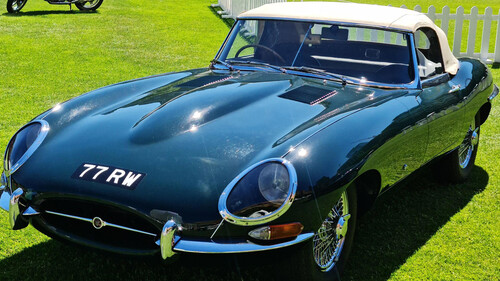
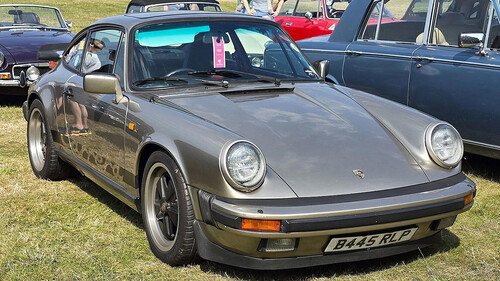
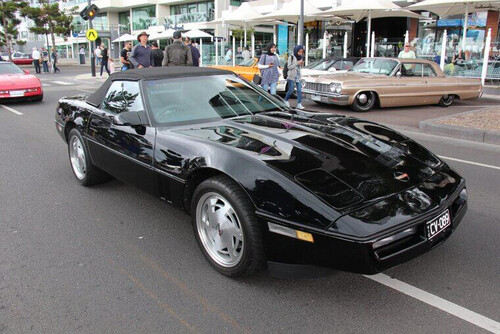
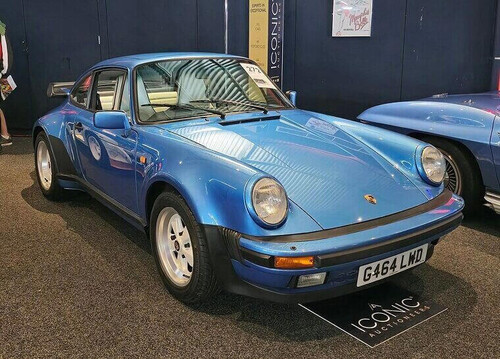
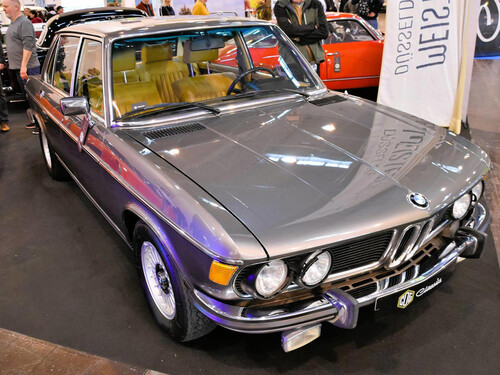
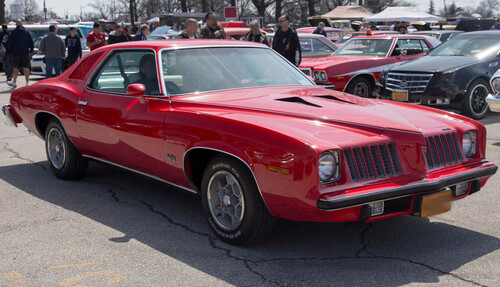
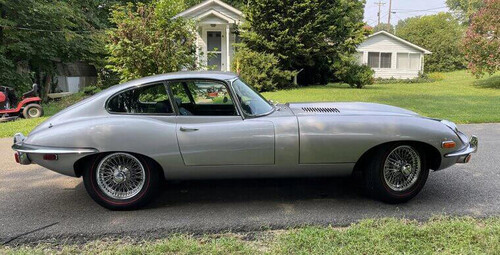
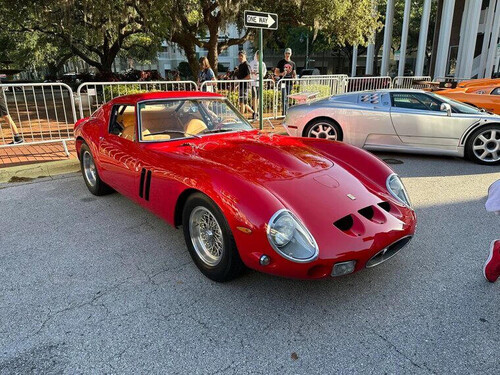
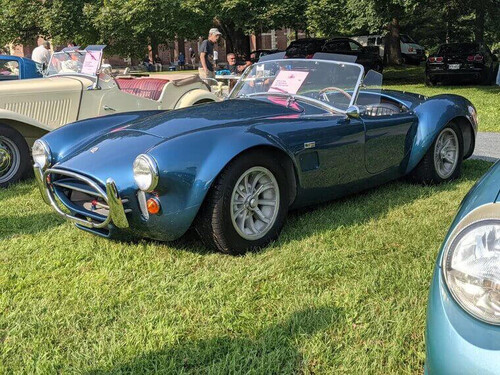
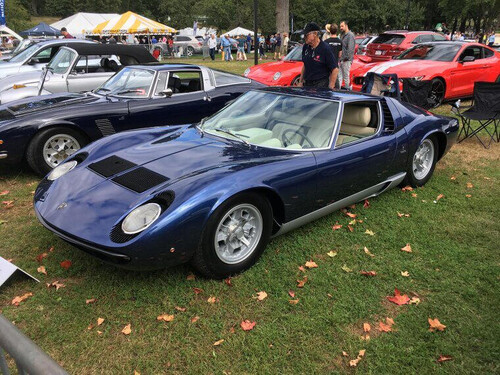
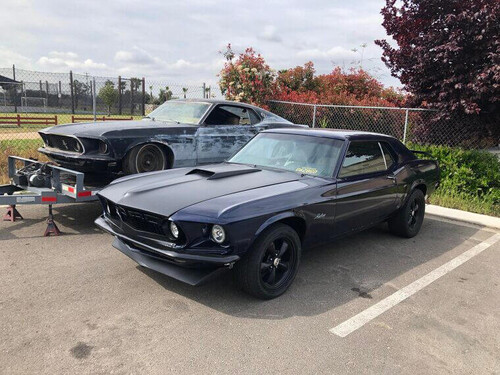
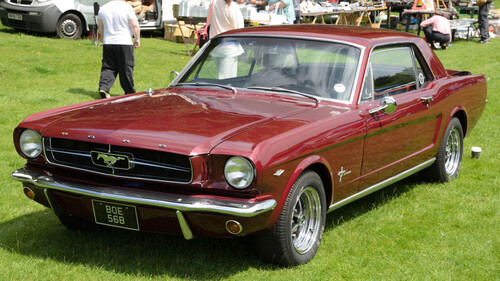
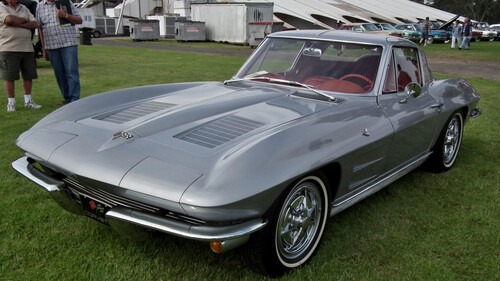
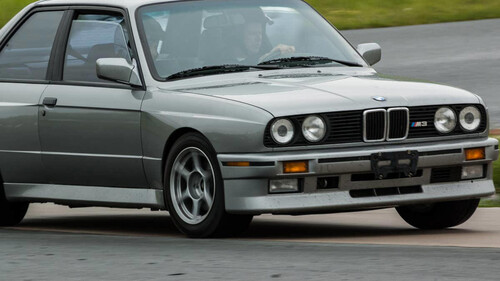
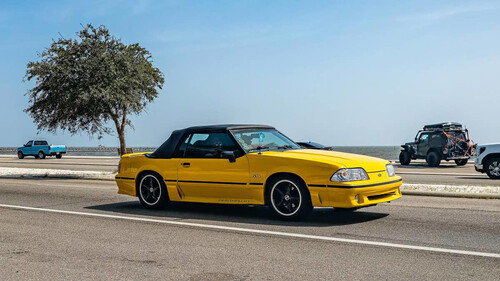
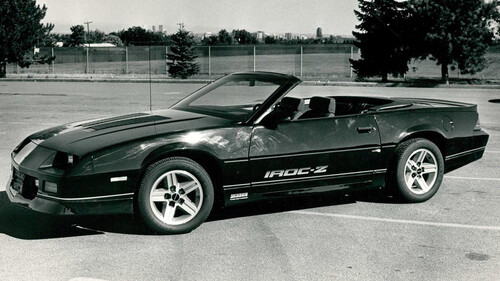
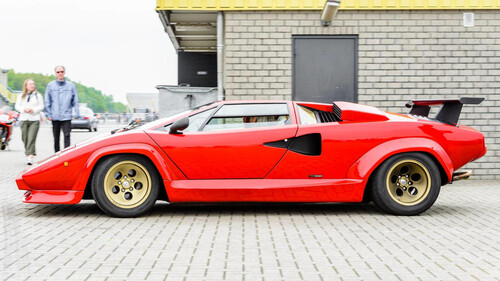
The automobile has shaped culture, society, and personal identity like few other inventions in human history. From the early days of mass production to the muscle car era and beyond, certain vehicles transcended their role as mere transportation to become symbols of their time. These cars didn’t just move people from point A to point B—they moved entire generations forward, reflecting the hopes, dreams, and spirit of their era. Here is a list of 15 vintage cars that truly defined their generations and left an indelible mark on automotive history.Ford Model TThe Model T didn’t just put America on wheels—it revolutionized how the world thought about transportation and manufacturing. Henry Ford’s assembly line innovation made this reliable, affordable car accessible to ordinary families for the first time, transforming it from a luxury item into a necessity. Between 1908 and 1927, over 15 million Model T’s rolled off the production line, earning it the nickname ‘Tin Lizzie’ and fundamentally changing the landscape of American society.Ford MustangWhen the Mustang galloped onto the scene in 1964, it created an entirely new category: the pony car. Ford’s brilliant marketing positioned it as affordable performance for the masses, and buyers responded by snapping up over one million units in the first two years. The Mustang captured the optimism and rebellious spirit of the 1960s, becoming as much a fashion statement as a mode of transportation.Chevrolet CorvetteAmerica’s sports car emerged in 1953 as General Motors’ answer to European roadsters, but it took a few years to find its footing. The introduction of the small-block V8 in 1955 transformed the Corvette from a pretty face into a serious performer that could hold its own against Ferrari and Porsche. For generations of American enthusiasts, owning a Corvette represented the pinnacle of automotive achievement and the realization of the American dream.Porsche 911Few cars have maintained their essential character for as long as the 911, which first appeared in 1963 with its distinctive silhouette and rear-mounted engine. Despite conventional wisdom suggesting that rear-engine sports cars were outdated, Porsche’s engineers refined the concept into one of the most capable and beloved sports cars ever created. The 911 became the benchmark against which all other sports cars are measured, proving that evolutionary design often trumps revolutionary change.Jaguar E-TypeWhen Enzo Ferrari called the E-Type ‘the most beautiful car ever made,’ he wasn’t engaging in hyperbole. This stunning British sports car combined drop-dead gorgeous styling with genuine 150-mph performance at a fraction of the cost of its Italian rivals. The E-Type epitomized the swinging sixties with its long hood, curvaceous lines, and sophisticated independent rear suspension that made it as good to drive as it was to look at.Dodge ChargerThe Charger represented the peak of American muscle car excess, particularly in its legendary 1968-1970 form. With its distinctive ‘Coke bottle’ shape and available Hemi V8 engine, the Charger could back up its intimidating looks with quarter-mile times that embarrassed much more expensive exotics. This was the car that defined the muscle car era’s philosophy: there’s no replacement for displacement.Pontiac GTOWidely considered the first true muscle car, the GTO started life in 1964 as a mid-size Tempest with a big-car engine stuffed under its hood. Pontiac’s brilliant marketing positioned it as ‘The Great One,’ borrowing the name from Ferrari’s legendary Grand Turismo Omologato. The GTO formula of combining intermediate size with maximum power became the template that every other manufacturer would follow throughout the muscle car era.Datsun 240ZJapan’s first serious sports car challenged European dominance by delivering Porsche-like performance at Chevrolet prices. The 240Z’s clean styling, smooth inline-six engine, and impressive handling capabilities proved that Japanese manufacturers could build more than just economy cars. It opened American minds to the possibility that the best sports cars didn’t necessarily come from Europe, paving the way for the Japanese performance revolution that followed.BMW 2002This compact sedan introduced American drivers to the concept of the ‘sport sedan’ and established BMW’s reputation as the ‘ultimate driving machine.’ The 2002’s combination of nimble handling, eager engine response, and premium interior quality created a new category of car for buyers who wanted luxury without sacrificing driving enjoyment. It proved that practical family cars didn’t have to be boring and laid the foundation for BMW’s future success in America.Lamborghini MiuraThe Miura rewrote the supercar rulebook when it appeared in 1966 with its mid-mounted V12 engine and breathtaking Bertone bodywork. This wasn’t just transportation—it was rolling sculpture that happened to be capable of nearly 200 mph. The Miura established the template for every supercar that followed: exotic styling, mid-engine layout, and performance that bordered on the supernatural.Rolling Into TomorrowThese fifteen automotive legends didn’t just transport their owners—they transported entire generations into new eras of possibility and self-expression. Each car reflected the values, aspirations, and technological capabilities of its time while simultaneously shaping the culture that created it. Today’s electric vehicles and autonomous technologies represent the next chapter in this ongoing story, but they’ll need to work hard to match the emotional impact and cultural significance of these vintage classics that continue to stir souls decades after they first hit the road.