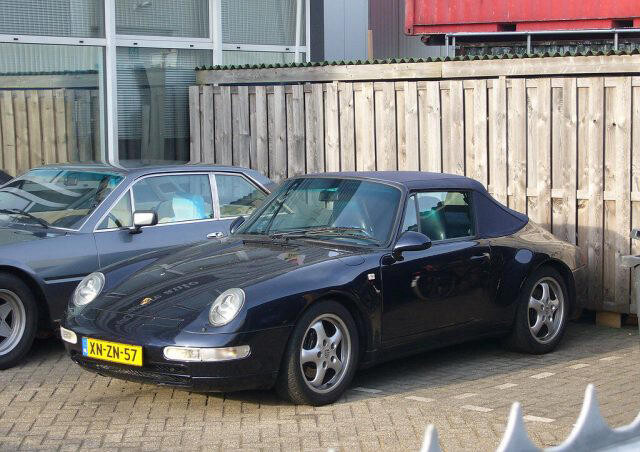
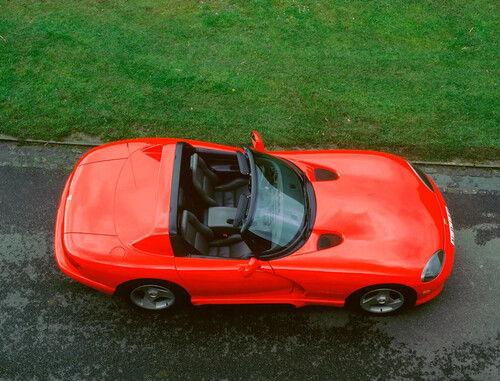
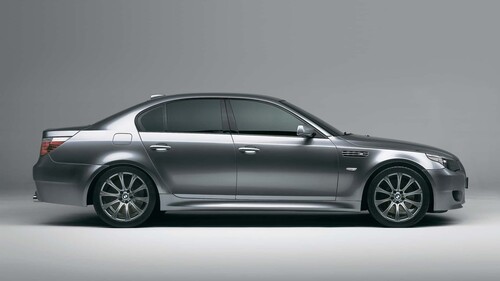
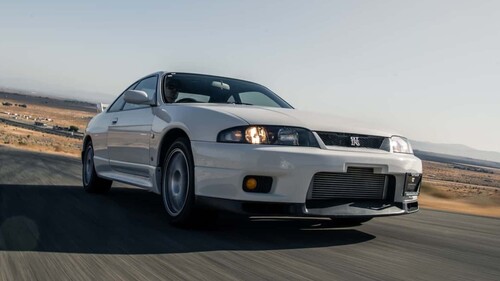
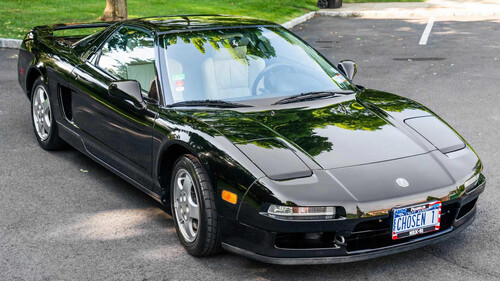
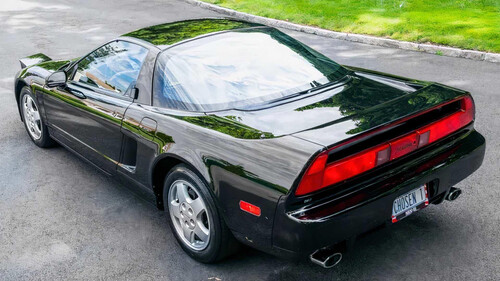
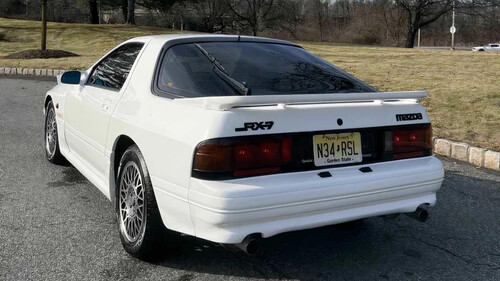
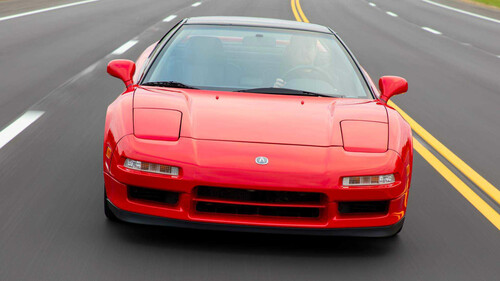
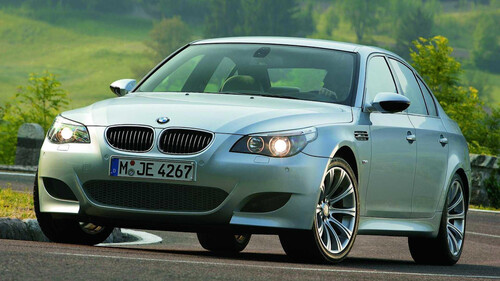
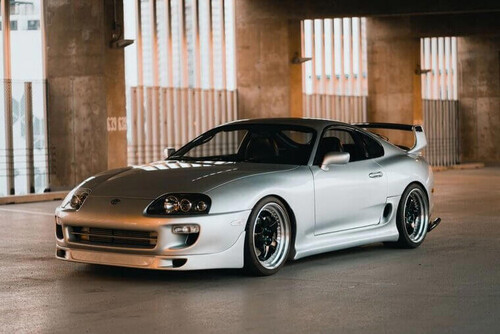
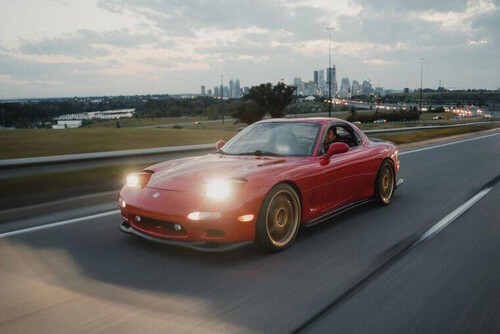
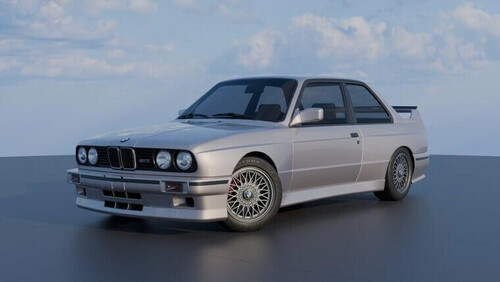
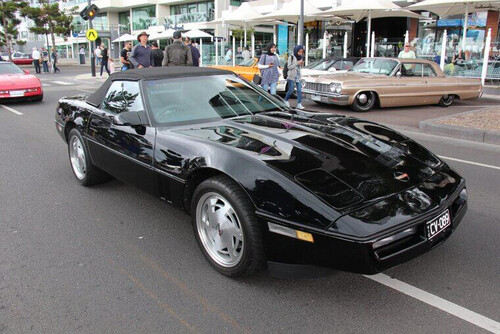
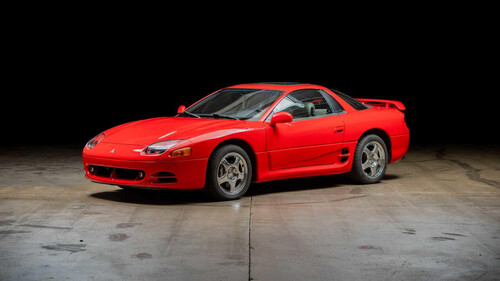
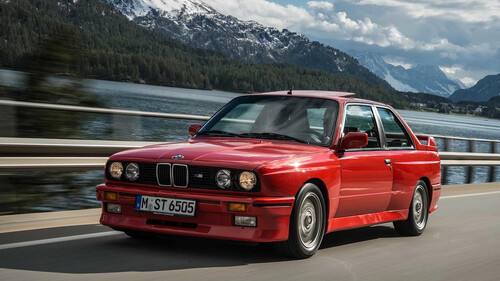
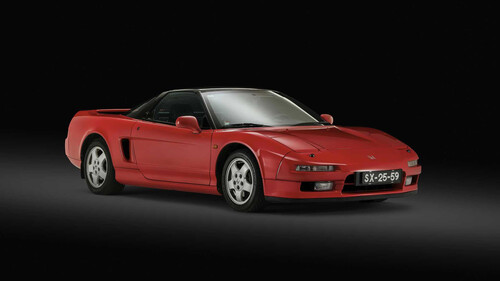
The 1990s era is widely cited as one of the finest for automobiles, home to game-changers, boundary-pushers, and straight-up speed demons. It was a potent blend of old-school mechanical precision and cutting-edge automotive systems that, to many drivers, hit a truly perfect sweet spot of tactile road feel blended with capable modern amenities. The 1990s gave us cars that are at once familiar and capable, with the advent and widespread use of technology such as ABS, air bags, traction control, and Electronic Fuel Injection, altering the perception of just how well an average sports sedan or coupe could handle. This is why many of the cars from the decade are favorites to drivers and car enthusiasts the world over. From Japanese imports and European GT’s to fire-breathing American muscle cars, vehicles produced in the ’90s left an unparalleled impression upon our automotive culture that continues to shape driving enthusiasts and manufacturers alike. They remain icons appreciated for their stylish looks, engaging, tactile nature and an ever growing collectible status, with appreciating values of clean specimens sought after and snatched up by the masses. Below we’ll highlight ten classic examples from the 1990’s decade that really define just what a proper sports car should be. 1. Toyota Supra Mk4 Most likely the sports car of the decade for Japan, the MK IV arrived Stateside in June 1993 in MkIV form (A80 designation) and proved that the Japanese sports coupe was truly in a league of its own. A world-class styling effort marked not only a welcome departure from the boxier ‘80s look but that this new design looked so sleek that it still seems contemporary today. Although its styling did a fantastic job turning heads the car achieved legendary status thanks to its mechanicals and tuning prowess. The Tuner Legend’s Vital Stats: Arrived in U.S., June 1993 A80 generation platform Twin-turbo 2JZ-GTE engine 320 horsepower rating 18 mpg combined, 1994 manual At the heart of a base model was a naturally aspirated in-line 6 and the twin-turbo 2JZ-GTE, good for 320hp in stock form. Soon owners figured out that the stock block of an engine block could tolerate massive amounts of increase without much internal reinforcement in the end (which subsequently put the 2JZ on of the best tuning platforms ever), that this could and the EPA rated the combined mileage for a1994twin turbo models as 18mpg, thus that an amount of driving pleasure did not also mean absurd impractically. 2. Mazda RX-7 FD It’s difficult to believe that only very few of the cars in the 1990s were fully committed in the same way to pure driver experience than the Mazda RX-7 FD. Built on a purely intuitive approach, this car, produced from 1992 to 2002 was fitted with an ‘aerodynamic’ body shell and perfectly balanced weight transfer gave it an uncanny symbiotic relationship between man and tarmac. The chassis was fantastically lively for a comparatively cheaper exotic, delivering top-drawer driving pleasure. Rotary Icon at a Glance: Produced from 1992-2002 1.3-liter twin-rotor engine Twin-turbocharged setup Approximately 276 horsepower Prized by rotary collectors Motivation for the FD was supplied by a 1.3 L twin-rotor Wankel rotary engine with twin turbos producing around 276 HP within a compact lightweight engine body. It is the throttle response, neutral handling balance and a willing revvy character that most enthusiasts value as being characteristic of a rotary engine, they demand specialized care and a specialized technician to make sure they run correctly, making untouched examples very rare. 3. Acura NSX When Honda introduced the mid-engine NSX in 1990 as the Acura, the car reset people’s expectations for this kind of machine literally over a weekend. For the first time, there was proof that exotic performance could go hand in hand with exotic reliability. It was developed with an aluminum construction (unique when most competitors used steel) and was tested at the chassis level by Formula 1 champion Ayrton Senna. It delivered exotic performance with the kind of daily usability and legendary Honda reliability that had been completely unheard of in this category. Senna’s Supercar Snapshot: Launched in 1990 Senna-tuned chassis feedback All-aluminum body 3.0L VTEC V6, 270 hp 0-60 mph in 5.2s The initial 3.0-liter V6 in a mid-mounted engine placement had VTEC and made 270 horsepower, hitting 60mph in a stunning 5.2 seconds the sort of numbers that could rival European exotics costing twice the NSX’s price. Crisp handling and fade resistant brakes combined with a livable interior for two adult humans made the NSX a supercar that you didn’t only use as a weekend novelty item; as a matter of fact, many owners drove their NSX daily, demonstrating a viable example of everyday supercaring that manufacturers elsewhere in the world now have in their portfolio. 4. BMW E36 M3 The BMW E36 M3 was initially launched in 1992, while it made its debut in the United States in 1995 and became the answer for any customer yearning for European poise coupled with a performance edge, suitable for the track, but also comfortable enough to be driven on a day-to-day basis. Based on a well-balanced platform featuring multi-link rear suspension, the race-car technology found its way into a very accessible vehicle for everyday driving, presented in a coupe, sedan or cabriolet body style for the first time, providing drivers an unprecedented degree of choice for a high-performance vehicle. German Track Star Specs: Global launch: 1992 U.S. launch: 1995 240-286 hp by market 5.5-6.0s to 60 mph Coupe, sedan, convertible options The engine options did vary though, with smooth inline six engines producing either 240 hp in US spec, up to 286hp with the European version, a significant disparity and constant topic of contention between enthusiasts, about what it was the true optimum driving of this iconic car should be. At zero to sixty in between five and six seconds, this is where the chassis really shined with controlled predictable handling, this made this particular BMW a popular choice on road or the race track. A clean unrestored chassis would be something an enthusiast’s dream. 5. Dodge Viper RT/10 Encapsulating the spirit of sheer American muscle power, the first generation Dodge Viper RT/10 burst onto the automotive scene in 1992 with all the finesse of a sledgehammer. A completely no-nonsense roadster lacking the usual creature comforts of exterior door handles, a roof and even true glass windows it prioritised unadulterated mechanical prowess and driver feel in a move that felt rebellious against the trend of increasing niceties. With its long hood, aggressive profile and distinctive side exhausts the original Viper RT/10 is an iconic silhouette that, despite now decades in existence, is still undeniably special and incredibly distinctive. Raw American Muscle Stats: Debuted in 1992 8.0-liter V10 engine 400 horsepower output 0-60 mph in 4.6s No driver aids fitted The centre-piece for the Viper was the gigantic V10 engine of 8.0 litres that produced around 400bhp-massive by the standards of its day that cemented its reputation as a true American muscle-car with a monstrous bite. Such power meant that it could accelerate from 0-60 in as little as 4.6 seconds and still provided supercar performance that without the help of anything like traction control, would require true courage. Brashly unapologetic, the RT/10 was truly one of the titans of the 90s with serious balls and big-displacement. “ 1994 Porsche 911 Carrera Cabriolet 3.6 (993) ” by Rutger van der Maar is licensed under CC BY 2.0 6. Porsche 911 (993) Sold from 1993 to 1998, the 993 generation is legendary as the last air-cooled 911, a title that essentially elevated it to mythical status within Porsche circles. The 993 perfectly combined the visceral nature of classic analog sports cars with up-to-the-minute chassis technology for a machine that preserved the mechanical edginess of previous 911s while introducing modern comfort and daily drivability. Under its legendary shape sat a 3.6-liter, flat-six producing between 272 and 285 hp when equipped as a Carrera. Last of the Air-Cooled Breed: Built 1993-1998 Final air-cooled 911 3.6L flat-six engine 272-285 hp, Carrera trim 1995 Turbo: 402 horsepower An upgraded multi-link rear suspension gave the 993 significantly better poise through corners and also more compliant handling than the darty responses of earlier air-cooled 911’s. For those that wanted the absolute ultimate thrill, the 1995 Turbo returned twin-turbos to boost power to a colossal 402hp, making this the truly weaponized version of the already potent 993 platform. A final, uncorked expression of air-cooled Porsche ingenuity, good ones are becoming collectors’ pieces and commanding top dollar. 7. Mitsubishi 3000GT VR-4 At the zenith of tech-centric grand touring, Mitsubishi 3000GT VR-4: Tech loaded and born, it seemed, a decade after it was released, with a full technological arsenal featuring active aero, all-wheel drive, and four-wheel steering-a combination few cars could offer at the time, technology decades before anything comparable could come close. And it looked like the future, with a luxurious leather interior fit for road trips, but plenty ready to tear through the landscape for enthusiasts as well. Tech-Loaded Tourer Rundown: Active aerodynamics fitted Four-wheel steering system Full-time all-wheel drive 3.0L twin-turbo V6 320 horsepower output A massive, 3.0-liter twin-turbo V6 sitting in the engine bay delivered a peak of 320 horsepower and would propel the significant curb weight with real presence. When teamed with the optional manual gearbox, the heavy tourer offered up effortless pace in a straight line along with incredible high-speed poise for covering serious distance at speed on the motorway, although the complexity and maintenance could prove somewhat taxing and expensive, but the VR-4 stands as one of the most compelling examples of Japanese technical aspirations throughout the 90s’ peak engineering years; a time when it appeared any idea was on the table. 8. Mazda MX-5 Miata (NA) The Mazda MX-5 Miata NA, at about 2094 to 2205 lbs (950 to 1000 kg), shows that lightweight design and balance bring far more to the pure driving experience than anything related to a horsepower figure ever can. The tiny roadster single handedly resurrected the modern 2-seater sports car in an era where most thought that the affordable two seat sports cars had died for good. Initial models used the smaller 1.6-liter, while later models got a larger 1.8-liter engine producing 133hp, but that was just a number not an attribute to driving fun. Lightweight Legend’s Numbers: Weighed 950-1,000 kg 1.6L, 115 hp initially 1.8L, 133 hp later Near 50:50 weight balance Over 500,000 units built What the Miata lacked at the drag strip was compensated by its almost perfect 50/50 weight distribution, and a steering system which acted telepathically by allowing the driver to feel even the smallest change in grip or balance through both his seat and his hands on the wheel. One could have all of his or her gear gnashing on winding back roads, without even breaking the speed limit or feeling like there wasn’t already more than enough genuine driving satisfaction at Legal Speeds. Some 500,000+ NA’s had already been built by the middle of the decade, giving its status as an extremely fun driving, easy-to-own and drive sports car that so many manufacturers continue to chase to this day. 9. Ford Escort RS Cosworth Also Born straight out of international rallying The Escort RS Cosworth was a road-going homologation model which went into production between 1992 and 1996 solely to meet the regulations of the then-current Group A World Rally Championship (WRC) series and to qualify for the competition needed the homologation of 2500 road cars. An ultra-functional whale tail rear spoiler immediately gave the car an identifiable aggressive look and was not just about looks but a working aerodynamics wing producing downforce at high speeds. Under the imposing body it hid a motorsport derived drivetrain all set to take on gravel and tarmac rally courses. It had abilities that few road cars possessed back in the day. Rally Homologation Facts: Built between 1992-1996 Signature whale-tail spoiler 2.0L turbo, 227 hp Permanent AWD system Only ~7,145 units made Below the vented hood sits a 2.0-liter turbo charged Cosworth engine capable of putting out 227 HP, to all four wheels through a full time AWD system giving it relentless traction where needed- loose surfaces. Producing barely more than about 7,145 across all of its years in production, this true rally legend offers tenacious grip and potent acceleration and is actually a rare bird. Clean examples of this vehicle today are highly sought after by collectors looking for proven racing pedigree rather than built up, marketing-driven performance and are getting scarce and expensive quickly. 10. Nissan Skyline GT-R R32 Hailed as “Godzilla” for its terrifying track superiority, the R32 Skyline GT-R represents the pinnacle of hi-tech Japanese performance from 1989-1994, and in its time, was nearly unbeatable around circuit tracks, in a variety of racing classes. Powered by a sophisticated ATTESA E-TS all-wheel-drive setup that dynamically sent power to maximise traction when cornering hard, it was equipped with a level of grip and certainty that competitors could not cope with. This recipe produced an unheard of 29 wins in a row in Japanese touring car racing. Godzilla’s Dominance in Numbers: Nicknamed “Godzilla” Produced from 1989-1994 ATTESA E-TS AWD system Won 29 consecutive races RB26DETT twin-turbo inline-six However the true highlight of the machine was none other than the myth that is RB26DETT; the twin turbocharged 2.6 Liter inline-6 lump that was so ridiculously over-engineered from the factory that it was an instant icon amongst those trying to boost power exponentially-nearly unbreakable. The purpose was to win on the track and, as the mill could always keep screaming for more acceleration and was such a good motor for further modification that tuners worldwide are still producing 1,000-plus horsepower variants of it decades later, was well-suited for its new life at a later time. The clean execution, twin-turboed wallop of power, and racing accolades pushed the R32 into an unarguable and eternally desirable global supercar icon.