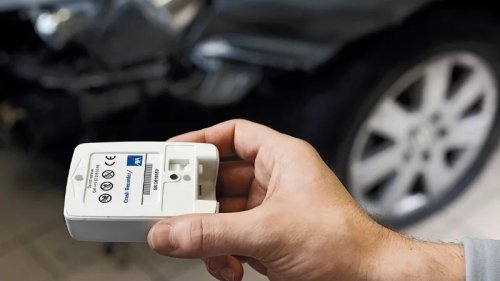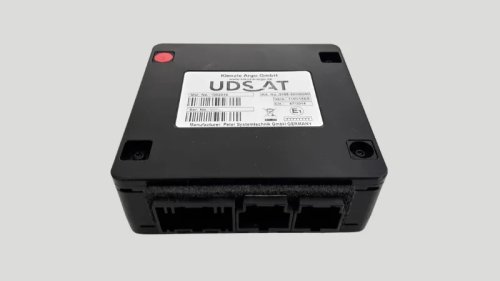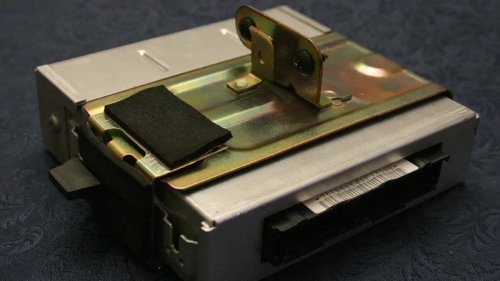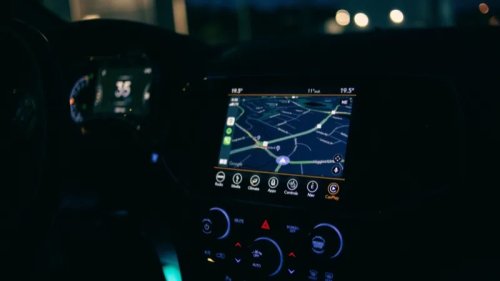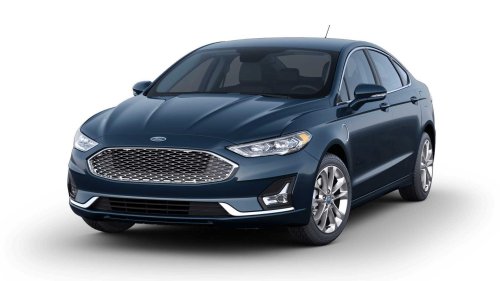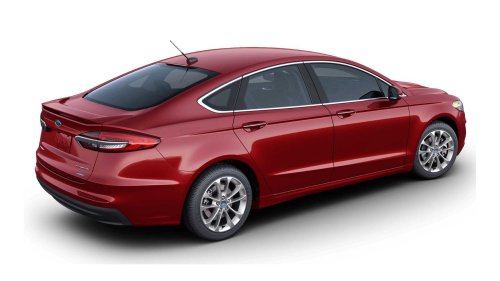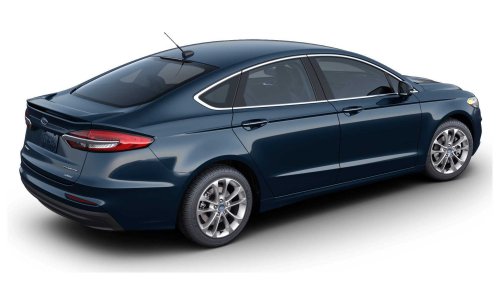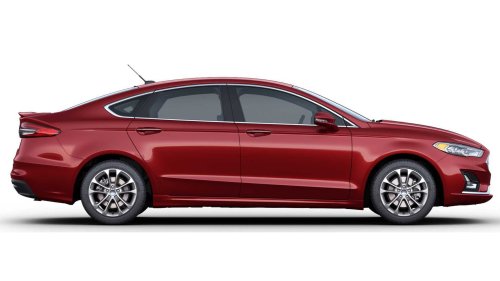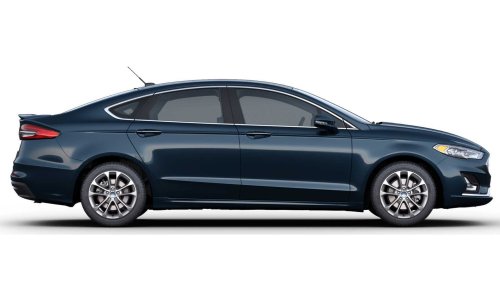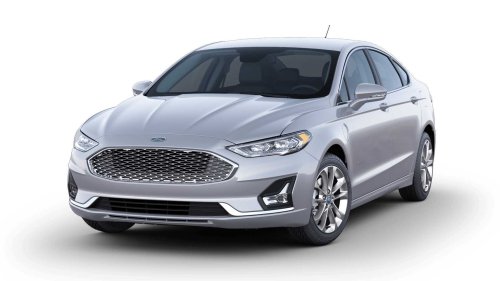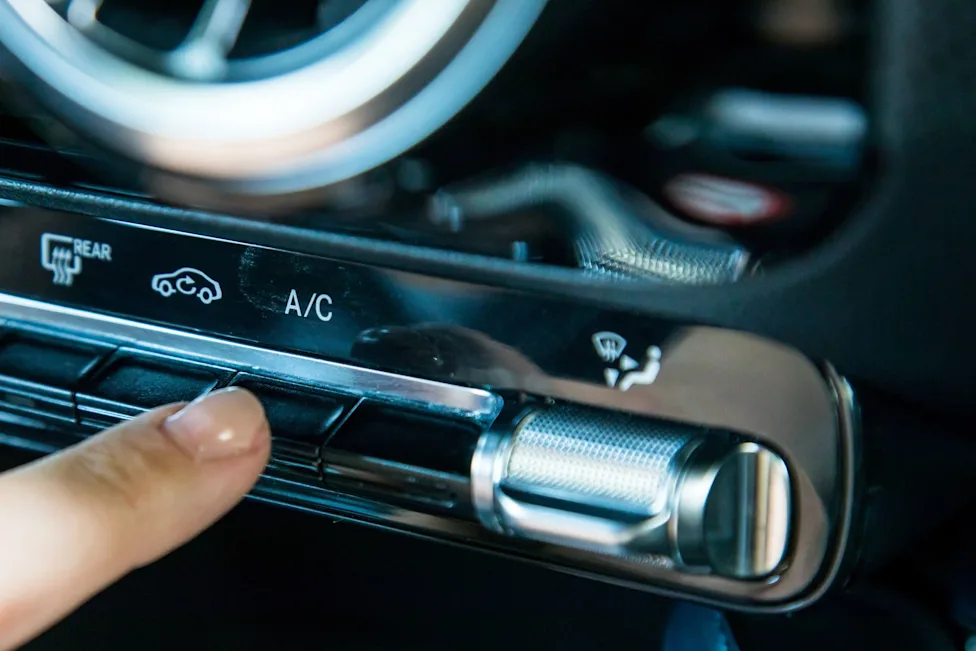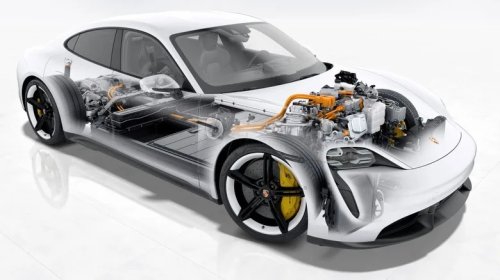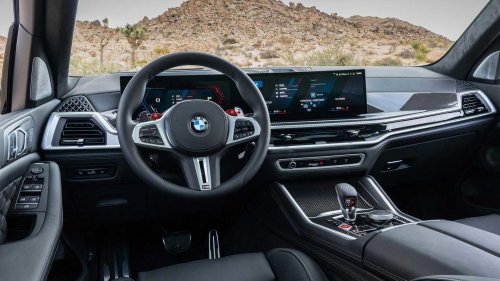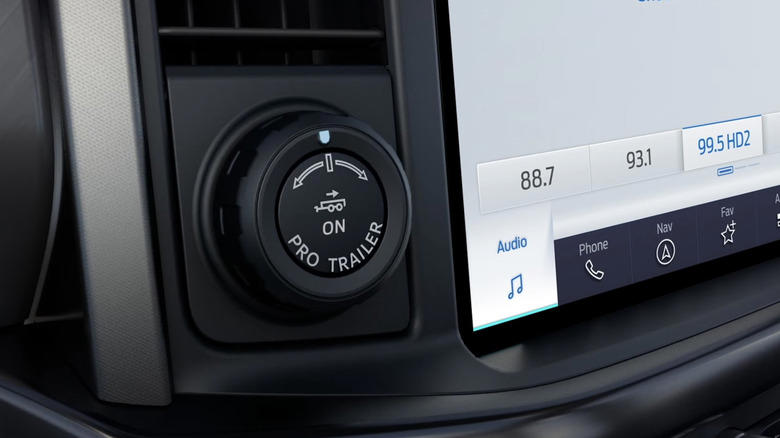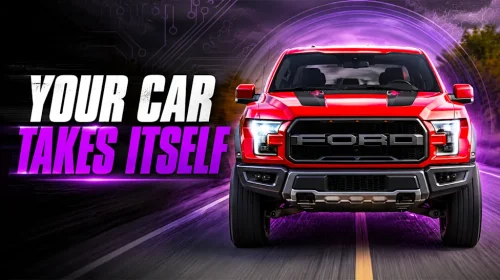

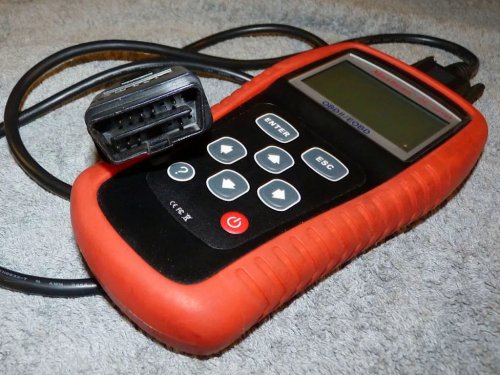
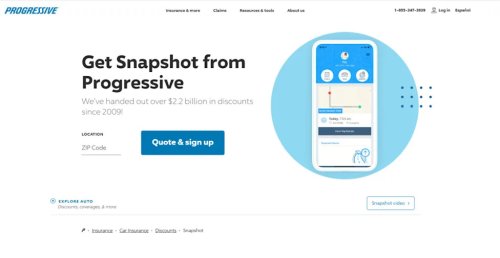
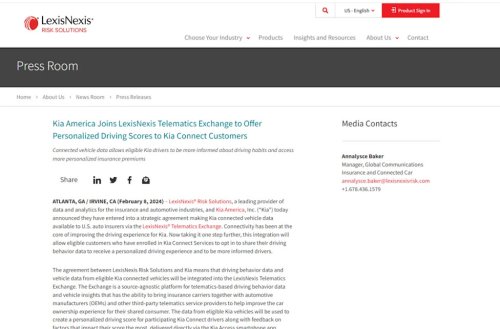
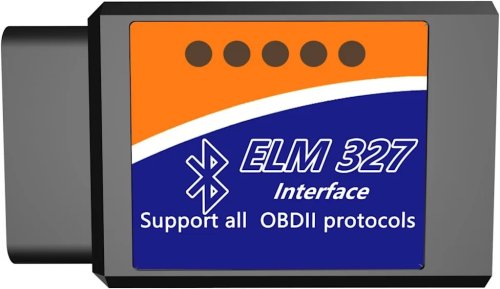
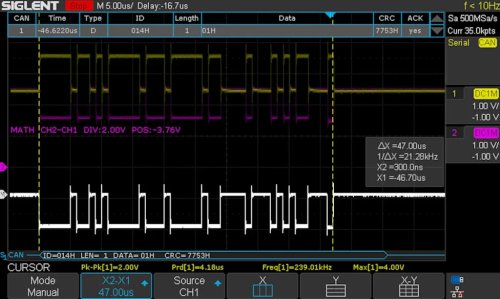




























Image: Gadget ReviewVolkswagen introduced an early on-board computer system in 1968, setting the foundation for today's connected vehicles. Modern cars compile comprehensive digital dossiers on every acceleration, brake, and detour. Automakers, insurance companies, and data brokers transform daily commutes into revenue streams, collecting location data, driving patterns, and behavioral information without explicit driver awareness. Understanding who owns your driving data has shifted from optional curiosity to essential consumer knowledge.14. Volkswagen Type 3 (1968 fuel-injected models)Image: UnsplashVolkswagen's pioneering electronic fuel injection established the foundation for modern vehicle data collection.Volkswagen's Type 3 1600E models introduced electronic fuel injection to volume-production cars in 1968. The Bosch D-Jetronic system utilized an electronic control unit gathering data from sensors monitoring engine load, speed, and temperature to calculate optimal air-fuel mixture. This 1600 cc engine became standard in U.S. Type 3s from 1968 through 1973. Often cited as the first mass-produced electronic engine-management system, it established the critical precursor to modern Electronic Control Units (ECUs) that now govern vehicle operations and data collection.13. On-Board Diagnostics (OBD, OBD-I, OBD-II)Image: By Arp – Own work, Public Domain, https://commons.wikimedia.org/w/index.php?curid=45541404Standardized vehicle diagnostics created the universal gateway for external data access.AdvertisementAdvertisementVolkswagen's 1968 fuel-injected Type 3 models pioneered early computer systems that evolved into On-Board Diagnostics (OBD). OBD enables vehicle self-diagnostic and reporting via electronic control units. Emissions regulations spurred OBD-I systems, required in California from 1988, though these remained non-standard across manufacturers. OBD-II mandated for all U.S. cars and light trucks from the 1996 model year standardized a universal 16-pin diagnostic connector and common communication protocols. OBD-II provides access to engine RPM, vehicle speed, fuel system status, and diagnostic trouble codes. This standardization created the primary interface for consumer scan tools and telematics dongles that insurance companies and data brokers exploit today.12. Progressive Snapshot ProgramImage: ProgressiveProgressive's usage-based program monitors driving behavior through OBD-II devices or mobile apps.Progressive's Snapshot program gathers data through a plug-in OBD-II device or dedicated mobile app. The system records hard braking, time of day driven, and total mileage to personalize auto insurance rates. Based on collected data, the program adjusts premiums—potentially lowering rates for consistent, careful drivers or increasing costs for riskier patterns. Enrollment requires consent to data collection for underwriting and pricing. Every turn and stop receives scrutiny, creating detailed behavioral profiles that determine insurance costs. The tradeoff exchanges potential discounts for continuous monitoring of driving habits.11. LexisNexis Risk Solutions Telematics ExchangeImage: LexisnexisLexisNexis operates a powerful intermediary platform that normalizes driving data for insurance use.AdvertisementAdvertisementLexisNexis Risk Solutions operates the Telematics Exchange, a platform ingesting driving data from automakers, telematics service providers, and mobile apps. This exchange normalizes raw information for insurance use, creating driving-behavior scores and risk attributes through products like LexisNexis Telematics OnDemand. The system operates "device-agnostic," pulling data from connected vehicles, mobile apps, and third-party services. Kia America joined this network in February 2024, expanding the platform's reach. LexisNexis functions as a critical intermediary, transforming complex driving patterns into actionable risk assessments that insurers use for underwriting and dynamic premium calculations.10. ELM327 Bluetooth OBD-II DongleImage: AmazonAffordable dongles translate complex vehicle protocols into accessible smartphone data.Inexpensive Bluetooth OBD-II dongles, available for around $15, transform smartphones into vehicle diagnostic tools. The ELM327 integrated circuit translates complex protocols like SAE J1979, ISO 15765 (CAN), ISO 9141, and SAE J1850 into standard serial interfaces. Most cars manufactured after 1996 remain compatible. Common configurations use Bluetooth Serial Port Profile (SPP) at 38,400 bps, drawing 12 V from the OBD-II port. Paired with apps, these dongles provide immediate access to RPM, speed, fuel trims, and error codes. What appears as a convenient diagnostic tool also creates potential security vulnerabilities and unauthorized data collection points.9. CAN Bus Communication SystemImage: By 0o1337 – Own work, CC BY-SA 4.0, https://commons.wikimedia.org/w/index.php?curid=153863642The Controller Area Network exposes comprehensive vehicle data beyond standard OBD-II access.AdvertisementAdvertisementThe Controller Area Network (CAN) bus lets vehicle ECUs exchange data over two wires: CAN High (CANH) and CAN Low (CANL). At idle, both sit at approximately 2.5 V. During transmission, CANH rises to 3.75 V as CANL drops to 1.25 V, creating differential signals. This design improves noise immunity for robust vehicle communications. Standard OBD-II ports offer limited data. Critical subsystems including powertrain, braking, and steering communicate over CAN buses. Direct CANH and CANL access unlocks comprehensive data far beyond basic diagnostics, providing unfiltered information about vehicle operations that sophisticated tracking systems exploit.8. BMW Vehicle Data and PrivacyImage: BMWBMW's connected vehicles collect location, driving behavior, vehicle status, and diagnostic information.BMW's connected vehicles collect telematics data including location, driving behavior, vehicle status, and diagnostic information. This enables services like remote access, emergency calls, and navigation. BMW's policies state data may improve services, ensure security, and can be shared with service providers or, with consent, third parties including insurance companies. The company functions as a digital monitor, continuously tracking vehicle and driver information. Connected services create implicit data-collection agreements that extend beyond basic vehicle operation into comprehensive behavioral monitoring.7. Toyota Vehicle Data, Privacy, and Data LeaksImage: UnsplashToyota stores identifiable driving data for up to 15 years and experienced a major data exposure.AdvertisementAdvertisementToyota's Connected Services collect vehicle location, driving data (acceleration, speed, steering, braking usage), and vehicle health insights like odometer readings. Toyota stores this driving data in identifiable form for up to 15 years. An incident in Japan exposed approximately 2 million customers' data due to misconfigured cloud environments. This extended retention period transforms security flaws into long-term liabilities. Toyota shares driving data with affiliates and business partners and, with express prior consent, with insurance companies for usage-based insurance programs. The company has acknowledged strengthening data-management practices following the exposure.6. Volkswagen & Audi Vehicle Data, Privacy, and Data BreachesImage: UnsplashA data breach exposed 3.3 million Audi and Volkswagen customers' personal information.A data breach impacted 3.3 million customers of Audi and Volkswagen when an authorized marketing vendor experienced unauthorized access. Data collected between 2014 and 2019 was exposed, including names, addresses, emails, and phone numbers for customers and prospective buyers across the U.S. and Canada. For a subset, driver's license numbers were compromised; in limited cases, Social Security numbers or account details related to purchases or leases were also exposed. Volkswagen's U.S. privacy statement confirms collection of identifiers, commercial information, geolocation data, and inferences to build profiles for marketing and targeted advertising. The breach demonstrates vulnerabilities in third-party vendor data management.5. Kia Vehicle Data and PrivacyImage: UnsplashKia shares connected-vehicle data with insurers through the LexisNexis Telematics Exchange.AdvertisementAdvertisementKia America has agreements to share driving behavior and vehicle data from connected cars with insurers via the LexisNexis Telematics Exchange. Connected-services privacy policies detail collection of location, driving behavior, vehicle diagnostics, and user-provided information. Some policy versions enumerate potential categories of sensitive personal information that may be collected or inferred. The February 2024 Kia–LexisNexis announcement confirmed connected-vehicle data from eligible Kia vehicles generates personalized driving scores delivered via the Kia app. This extensive collection and third-party sharing transforms vehicles into rolling data-collection platforms for insurance underwriting purposes.4. Subaru Vehicle Data and PrivacyImage: UnsplashMySubaru Connected Services collect diagnostic alerts, precise geolocation, and vehicle commands.Subaru's Vehicle Privacy Notice confirms that activating MySubaru Connected Services involves collection of diagnostic alerts, precise geolocation, and specific vehicle commands and settings sent to Subaru of America. The company utilizes this information for services, safety features, and internal purposes outlined in the policy. Collection ties directly to active connected-services subscriptions. Remote features like vehicle warm-up create continuous data streams to Subaru. The company provides contact channels (phone, web, email) for privacy questions, indicating established privacy-governance frameworks around vehicle data.3. Mercedes-Benz Data Security IncidentsImage: UnsplashMercedes-Benz experienced data exposure through third-party vendor cloud misconfiguration.AdvertisementAdvertisementPublic disclosures from Mercedes-Benz (USA) revealed data security incidents where customer information was exposed through a third-party vendor's misconfigured cloud storage. Exposed details included names, addresses, email addresses, and phone numbers linked to certain online store accounts or financing applications. A subset contained more sensitive data such as self-reported credit or driver's license information, date of birth, or credit scores. Mercedes-Benz responded by blocking external access, notifying affected customers, and offering complimentary credit-monitoring services. The incident demonstrates vulnerabilities in vendor data management even among premium automotive brands.2. Mercedes-Benz TikTok IntegrationImage: UnsplashNewer Mercedes-Benz models feature native TikTok integration in MBUX infotainment systems.Newer Mercedes-Benz models, particularly certain E-Class and EQ vehicles, include native TikTok integration in MBUX infotainment systems. Users can log into TikTok from the central display and watch short-form videos while parked. This integration represents broader efforts to incorporate third-party apps like Zoom and web browsers into vehicle infotainment. The convenience introduces additional data-sharing considerations between Mercedes-Benz, app providers, and in-car cameras or microphones. These entertainment portals function as data conduits, creating complex ecosystems where in-car activity potentially translates into valuable insights for multiple parties.1. Ford Self-Repossessing Car PatentImage: UnsplashFord's patent describes vehicles that could autonomously drive themselves to repossession agencies.AdvertisementAdvertisementFord filed a U.S. patent application describing systems and methods for self-repossessing vehicles. Cars with autonomous capabilities could drive themselves directly to repossession agencies or impound lots if owners default on loan payments. The patent outlines graduated impairment features including disabling air conditioning, limiting vehicle operation to specific geofenced areas, or playing persistent sounds. In-vehicle cameras and sensors would detect attempts to block repossession and could communicate with law enforcement or lenders if tampering occurs. This technology represents a dramatic power shift from vehicle owners to financial institutions.From the coolest cars to the must-have gadgets, GadgetReview's daily newsletter keeps you in the know. Subscribe - it's fun, fast, and free.