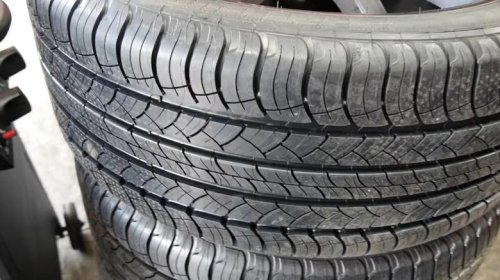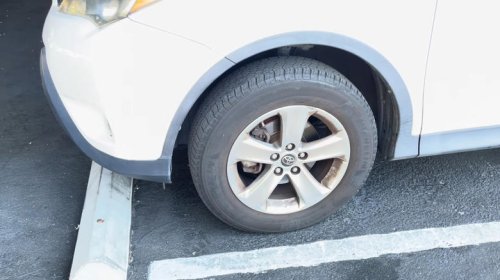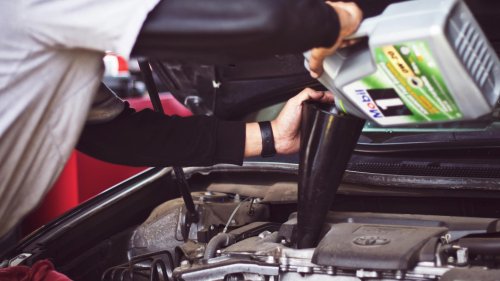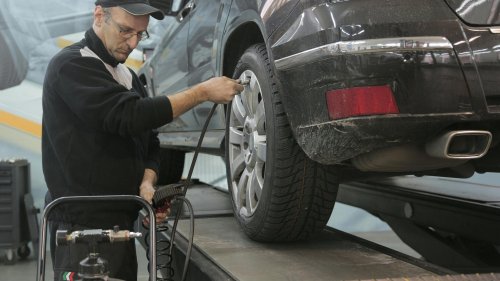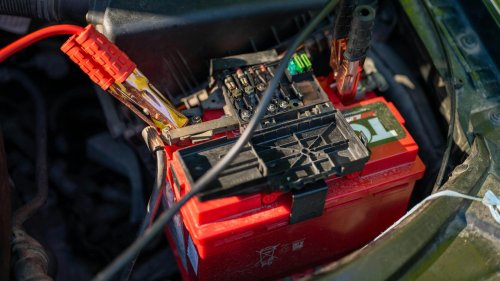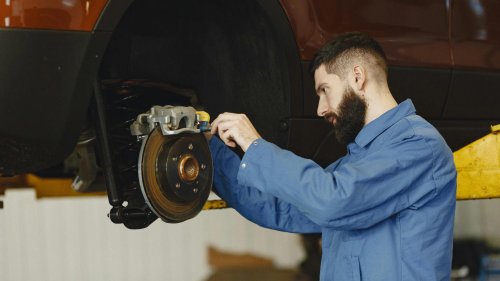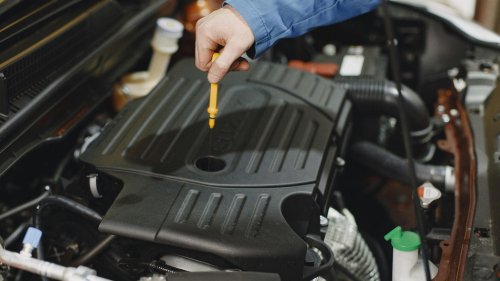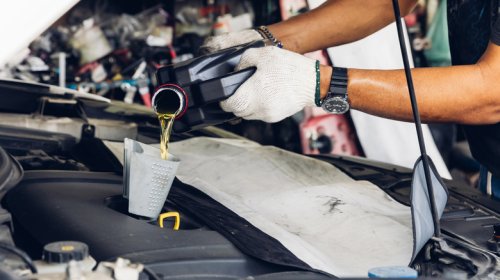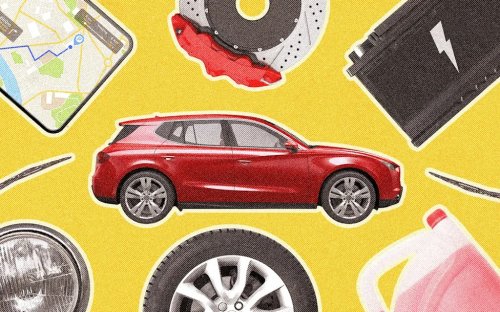
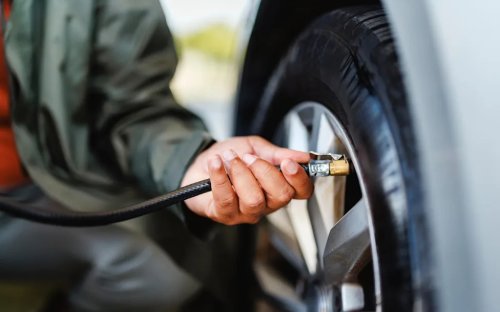
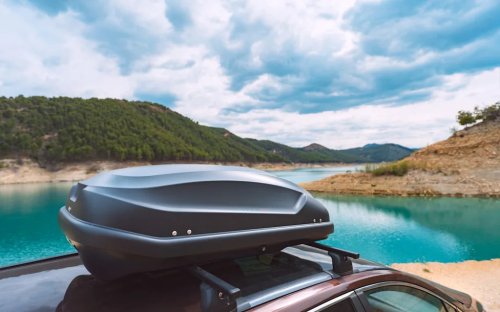




















Tyres, batteries and overheating are said to be among the leading causes of summer car breakdownsMillions of motorists will be setting off on long journeys at home and abroad over the next few weeks. Yet a few minutes spent checking your car beforehand could prevent you and your family becoming stranded at the roadside.June's heatwave demonstrated how harsh the hottest weather can be on cars. An RAC official said patrols had attended up to a fifth more daily breakdowns than normal, while the AA said overheating-related call-outs late in the month increased by 54 per cent from one week to the next. Both organisations say that tyres, batteries and overheating are among the leading causes of summer breakdowns.Yet many drivers still neglect the basics. One common misconception is that a valid MOT roadworthiness certificate means a car is fit for a long drive; it's not a replacement for regular maintenance and routine safety checks.AdvertisementAdvertisementHere are the essential checks every driver should make, along with three others that will make any journey smoother and less stressful.Essential checks1. TyresTyre pressure is one of three things to check along with condition and tread - AzmanJaka/E+Blowouts become more likely in hot weather as rising temperatures increase tyre pressures. Under-inflated tyres flex more as they roll, generating extra heat that increases the risk of a blowout during sustained high speeds.The road-safety charity TyreSafe recommends the simple "ACT" check for air pressure, condition and tread:A – Air pressure: With the tyres cold, check pressures against the manufacturer's recommendations (usually found inside the door frame or fuel-filler flap). Heavy loads may require a slightly higher pressure; consult your vehicle handbook.AdvertisementAdvertisementC – Condition: Inspect for cuts, bulges, embedded objects, cracking or uneven wear.T – Tread: Insert a 20p coin into the main tread grooves; if the outer rim of the coin remains visible, the tread may be below the legal limit. Any signs of damage or unusual wear should be professionally inspected immediately. Don't forget to inspect the spare tyre if one is fitted.2. Engine oilExtreme heat places sustained demand on engines, so check the all-important oil level and top up if required.Harriet Hernando, an RAC breakdown spokesperson, says: "Many motorists think it's not necessary if they follow their car's servicing schedule, but this isn't the case. Older engines in particular can develop oil leaks that you may not notice at first, while it's not unheard of for even modern engines to burn some oil during use."3. CoolantA combination of extreme temperatures and slow-moving traffic causes engines to work much harder. If the coolant level is low, they can rapidly overheat, which may result in expensive repairs as well as leaving you stranded.AdvertisementAdvertisementAlways ensure the engine is cool before you open the filler cap, since the system is pressurised and hot water may spurt out. Make sure the coolant is between the "Min" and "Max" marks on the side of the header tank. Watch this RAC video to learn how to check the coolant level.4. Windscreen wash and wipersInsects and road grime quickly build during a long motorway journey, while summer showers can arrive with little warning. Good wipers and a full screenwash reservoir are essential for maintaining visibility.Look for any streaking or smearing across the screen. Listen for unusual noises, and then lift each wiper arm and check the rubber blade for cracking or wear. Don't forget to check the rear wiper if your car has one.Lastly, open the bonnet and check the screenwash level. Keeping the screenwash topped up doesn't only help clean your glass; it's also a legal requirement.5. LightsCheck all lights are clean and working correctly, including the headlights, brake lights and indicators. Ask someone to check the brake lights while you press the pedal, or use reflections in windows or garage doors if alone.6. BatteryMany drivers associate battery failure with winter, but Hernando at the RAC says batteries are the number one cause of vehicle breakdowns and can be "especially affected by hot weather", as extreme temperatures can begin to evaporate the fluids inside conventional car batteries.AdvertisementAdvertisementShe advises: "If your battery isn't holding its charge, is slow to start or requires multiple attempts to start, chances are you need a new one. Other telltale signs include dimmer dashboard lights, or a dashboard warning sign. If this sounds familiar, consider replacing your battery without delay."7. BrakesAlex Alfano, the owner of DSR Garage in Palmers Green, recommends three simple brake checks before any long journey.First, check the feel of the brake pedal. With the engine switched off, pump the pedal a few times. It should become firm and maintain pressure. Keeping your foot on the pedal, start the engine. As the brake servo activates, the pedal should move down slightly. If it feels spongy, sinks towards the floor or doesn't behave as expected, have the brakes checked by a professional mechanic.Second, pay attention to how the brakes behave while driving. Squealing, grinding or scraping sounds are definite warning signs. Squealing often indicates worn brake pads, while grinding or scraping could mean metal-on-metal contact, which requires immediate attention. Likewise, if the car vibrates, pulls to one side or swerves under braking, it's time to visit a garage.AdvertisementAdvertisementFinally, check the brake fluid level. The reservoir is under the bonnet, and the fluid should sit between the Min and Max markings.8. Fuel/chargingEnsure you have sufficient fuel (or battery charge in an EV) for your journey. If travelling a long distance, plan where you will stop to fuel or recharge.Optional checks9. Air conditioningTest your air con at least a few days before a long summer drive. If it's not blowing cold air after a couple of minutes, it may simply need recalibrating. If that doesn't solve the problem, it could require re-gassing or there may be a leak.10. Satellite navigationEnsure that your sat nav mapping is up to date. If using an app for navigation, ensure that it's configured properly.AdvertisementAdvertisementAs smartphones and sat navs can fail because of a flat phone battery, poor signal or a software glitch, it's worth spending a few minutes checking maps, downloading offline routes and planning alternatives. After all, you don't want a minor inconvenience turning into a major delay.11. Loading and roof boxesPack in a way that avoids making the car top-heavy - Daria Kulkova/iStockphotoRemember the mantra: "Load heavy, pack light overhead, check twice." Place heavier luggage as low as possible inside the car, reserving the roof box for lighter items. Stop after the first few miles to make sure all fixings remain secure.Carry out these checks and you can enjoy a more relaxing start to your summer holiday. As AA expert patrol Lee Morley points out: "A few minutes spent carrying out basic vehicle checks before setting off can save motorists disruption at the roadside."Try full access to The Telegraph free today. Unlock their award-winning website and essential news app, plus useful tools and expert guides for your money, health and holidays.