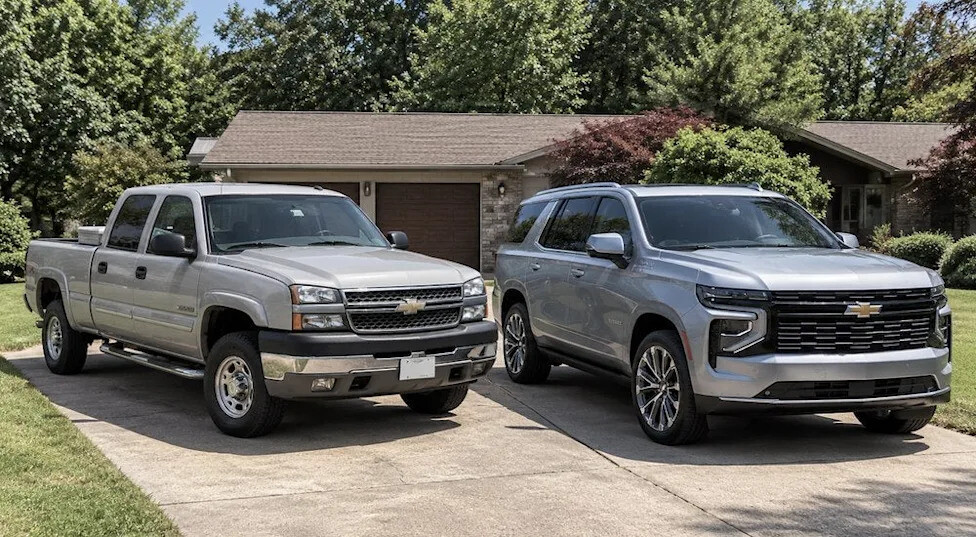
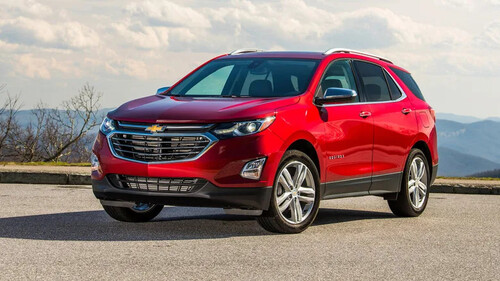
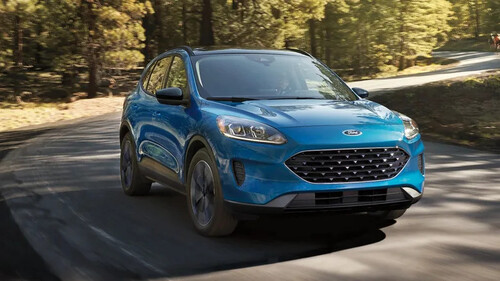
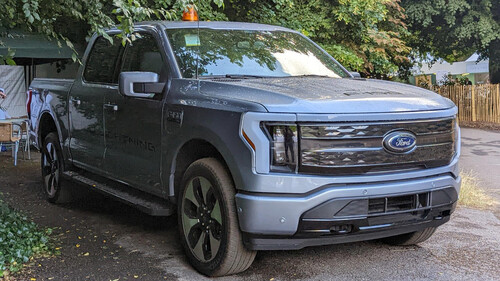
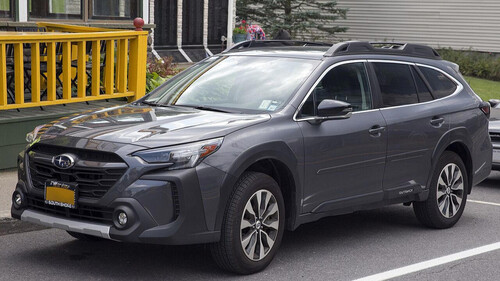
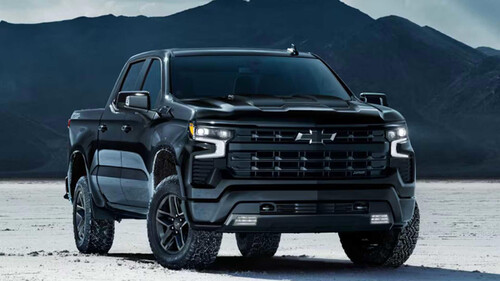
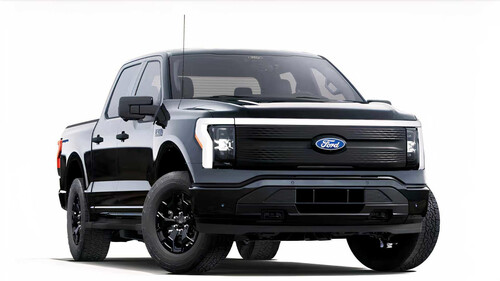
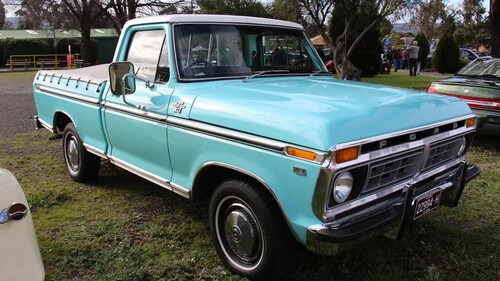
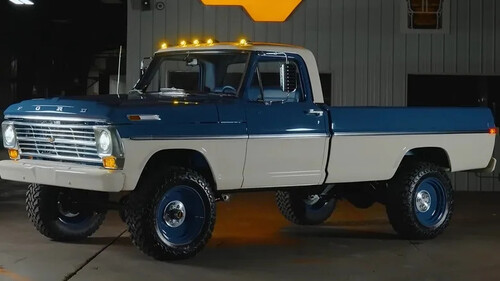
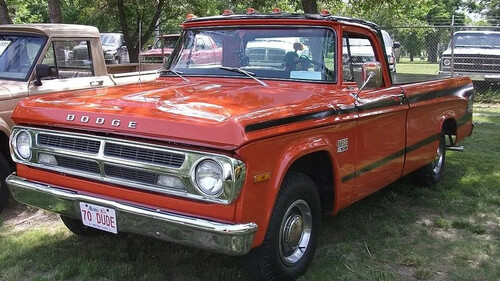
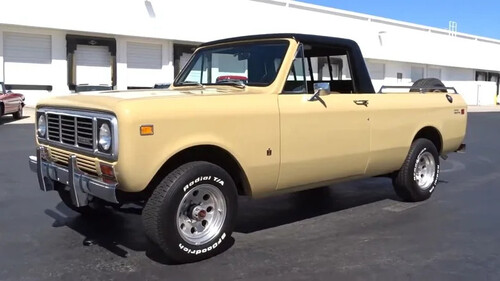
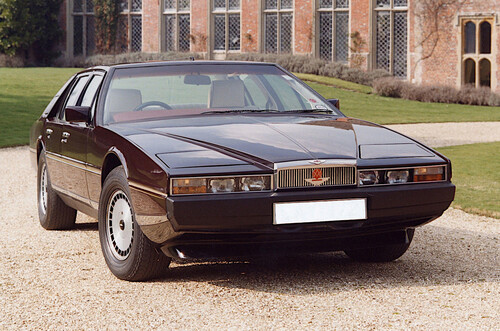
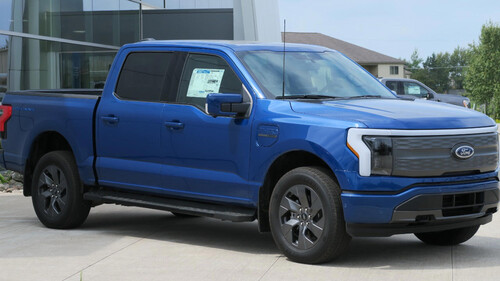
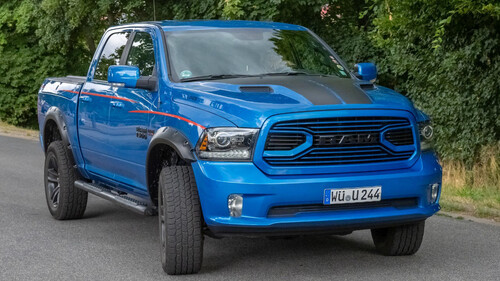
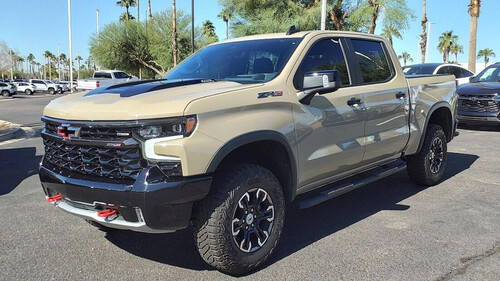
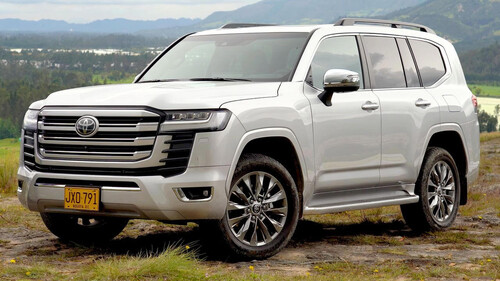
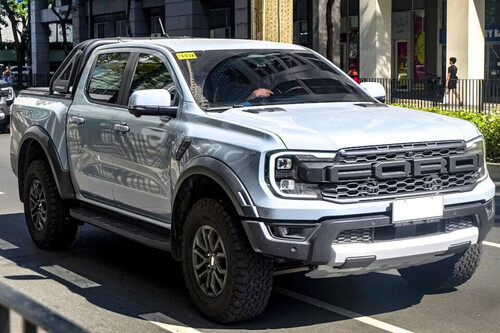
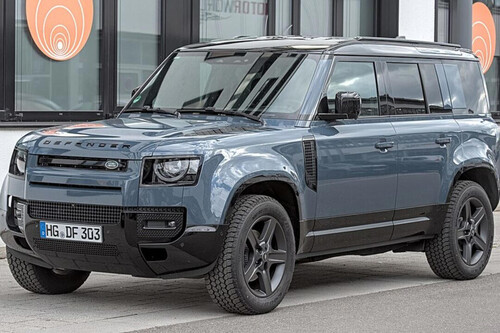
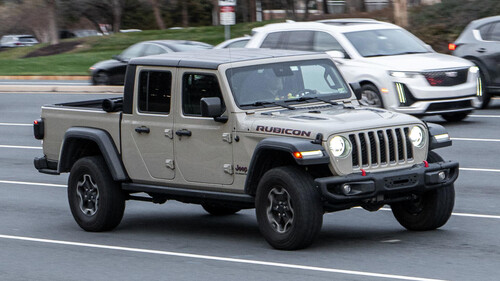
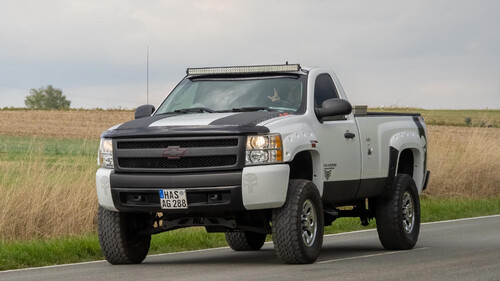
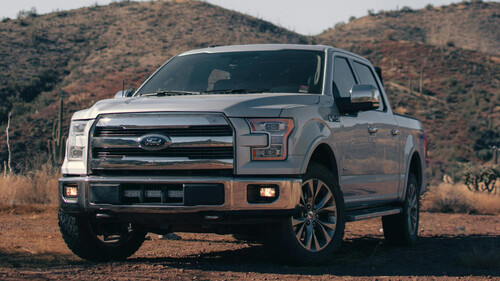
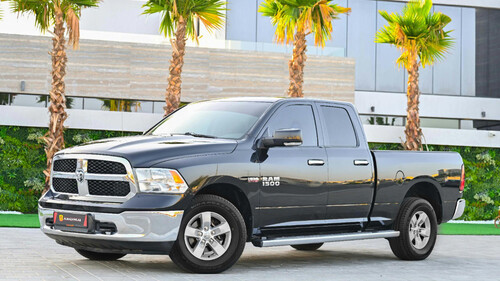
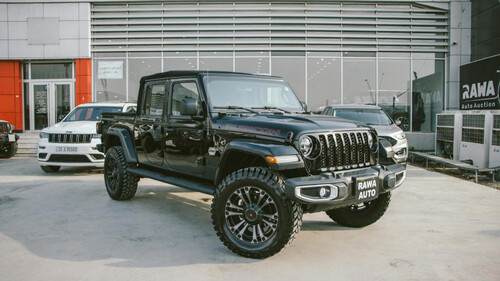
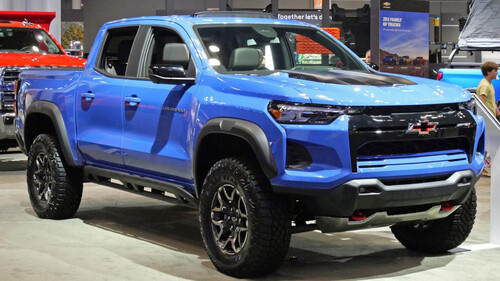
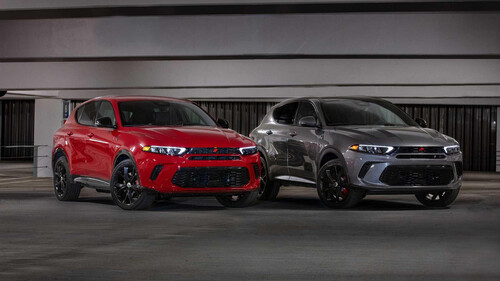
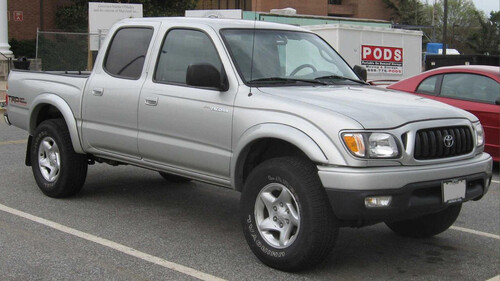
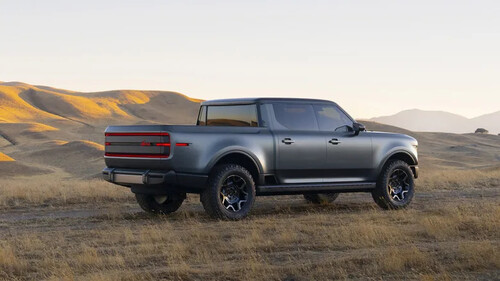
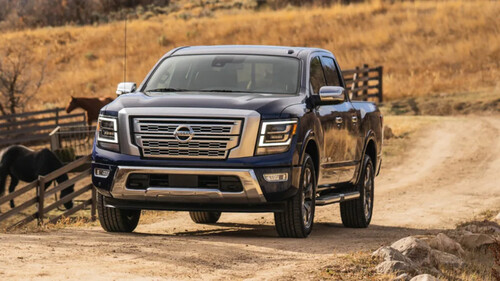
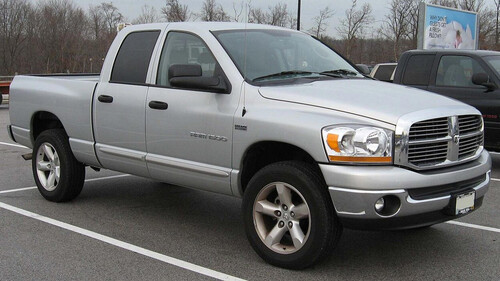
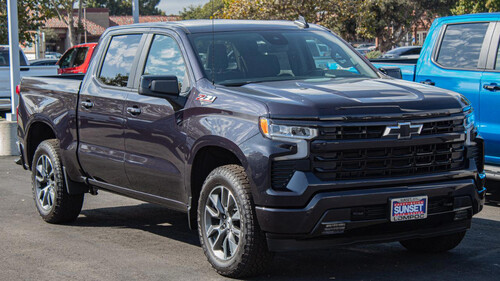
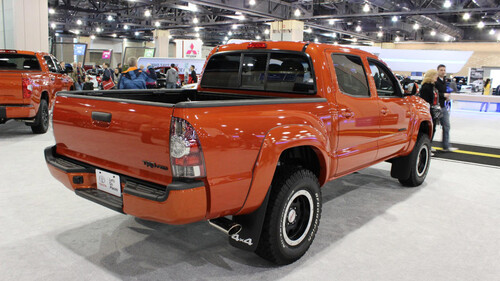
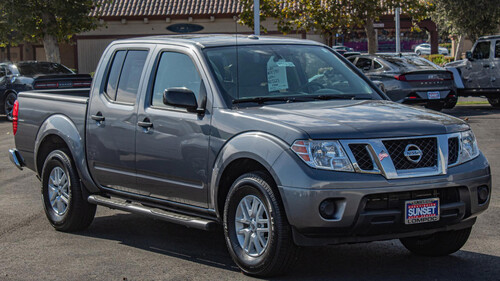
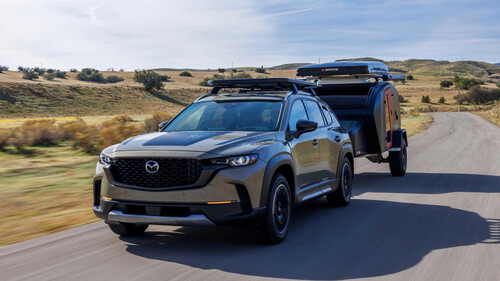
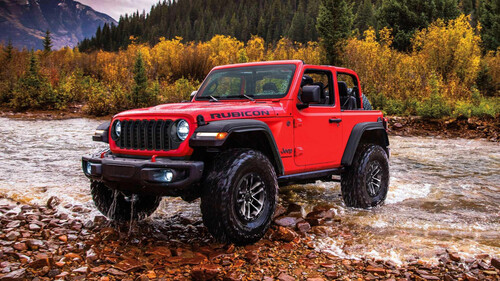
The math that used to justify a three-row crossover over a full-size truck has quietly flipped. A modern family hauler is heavier than a V8, four-wheel-drive pickup from two decades ago, and in several cases it is not close. If you have spent any time thinking about brakes, tires, and how mass behaves off pavement, this is worth understanding before you buy your next rig. Start with the benchmark. Averaging every half-ton pickup configuration on sale in the United States in 2005 yields roughly 5,000 pounds, a figure CarBuzz arrived at by pulling manufacturer specifications and archived data across the full lineup. That is the number to measure a modern crossover against, and plenty of them clear it.How Heavy Were 2005 Half-Tons, Really?The trucks your dad drove covered a wide spread. A stripped Chevrolet Silverado Work Truck weighed 4,100 pounds, and a Silverado 1500 Regular Cab with an eight-foot bed came in at 4,360 pounds. A Ford F-150 Regular Cab weighed 4,615 pounds. The V8, four-wheel-drive versions ran heavier: a Dodge Ram 1500 ST Regular Cab 4x4 weighed 4,905 pounds, and a Chevrolet Silverado 1500 Crew Cab 4WD weighed 5,299 pounds. Toyota's Tundra bracketed the range too. A base-model 2005 Tundra weighed 3,935 pounds, while a top-trim, four-wheel-drive Double Cab Limited hit 5,020 pounds. Even the performance flagship fit the pattern: the Viper-powered Dodge Ram SRT-10 weighed 5,130 pounds. These are the numbers that made "trucks are heavy" a truism. They are also numbers a lot of modern family vehicles now meet or beat.The Crossovers That Weigh As Much As a TruckThe clearest case is the Chevrolet Traverse. The all-wheel-drive 2026 model weighs 4,795 pounds, landing 205 pounds under the 5,000-pound 2005 median. That is within 5 pounds of a base-model 2005 Nissan Titan at 4,800 pounds, and it edges out a new aluminum-bodied Ford F-150 SuperCrew by nearly 300 pounds. A three-row family SUV now sits in the same weight class as the half-ton pickups it was supposed to be the lighter alternative to. The Mazda CX-90 pushes further. It averages 5,011 pounds across the lineup, which puts the whole model line above the 2005 pickup median. The plug-in hybrid version weighs 5,243 pounds, landing within 60 pounds of a 2005 Chevrolet Silverado 1500 Crew Cab V8 4x4. That PHEV drivetrain is the culprit: hybrid hardware adds nearly 400 pounds over the base configuration.Why the Hybrid and Electric Versions Are the HeaviestElectrified powertrains carry a weight penalty that shows up plainly in the spec sheets. In the Toyota Grand Highlander, going hybrid tacks on 340 pounds beyond the base gas model, a figure CarBuzz attributes to the added hardware, and the Hybrid MAX version piles on a further 275 pounds. The Hybrid MAX Platinum AWD trim weighs 4,905 pounds as a result, which is the exact curb weight of a 2005 Dodge Ram 1500 ST Regular Cab V8 4x4. Battery mass explains most of it. The Ford Mustang Mach-E uses battery packs that reach 98.8 kWh, and the Jeep Wrangler 4xe used a 17-kWh pack. For scale, the Kia EV9's battery pack alone weighs 1,250 pounds, most of the curb weight of a first-generation Honda CR-X. When you add several hundred pounds of cells to a vehicle, no amount of aluminum bodywork brings it back under a 2005 truck.The Extremes: Mach-E and Wrangler 4xeTwo electrified rigs make the point loudest. The dual-motor Mach-E Rally edition weighs 5,038 pounds, which makes it heavier than the typical half-ton pickup that left showrooms in 2005. It also outweighs two McLaren F1 supercars combined by 20 pounds, those two supercars adding up to 5,018 pounds. The Mach-E GT at 4,960 pounds outweighs the 2005 Dodge Ram 1500 ST 4x4 by 55 pounds, and even stepping up from the 4,328-pound base rear-drive Standard Range trim shows a 710-pound spread across the lineup. The now-discontinued Jeep Wrangler 4xe was the outlier that beat trucks outright. It averaged 5,180 pounds across the line, enough to outweigh a 2005 Nissan Titan by nearly 400 pounds and to top the 2005 Dodge Ram 1500 ST V8 4x4 by nearly 300 pounds. It was even 50 pounds heavier than the Viper-powered Dodge Ram SRT-10 and nearly 700 pounds heavier than a modern aluminum-bodied F-150 SuperCrew. The most capable off-road version of the plug-in hybrid was the heaviest thing in the comparison.Where the Lighter Options Still LiveNot everything has crossed the line. The 2026 Subaru Outback averages 3,930 pounds across the lineup, which ties a base-model 2005 Toyota Tundra at 3,935 pounds. Even the heaviest Outback, the Wilderness at 4,000 pounds, stays well under the truck median, and part of that weight comes from specialized off-road add-ons. If low mass matters to you, the smaller two-row wagons and base gas crossovers remain genuinely lighter. The gains disappear once you climb into three-row hybrids and plug-in variants.Why the Weight Matters Off the PavementCurb weight is not a trivia figure. A heavier vehicle burns more energy getting up to speed and shedding it again, no matter how clean the powertrain looks on paper, and the fuel economy a window sticker promises grows harder to reach on real roads as mass climbs. More directly for anyone who wheels or tows, a crossover hauling truck-class mass needs a truck's brakes and rubber to stop and corner with any margin. Buying a family SUV at a truck's weight without a truck's braking and rubber leaves you short. The added pounds are not waste. Modern crash structures, reinforced pillars, extra crumble zones, additional airbags, noise insulation, and heavier infotainment and electrical systems all pile on mass. A 2005 Civic ran with nothing but an algae-green LCD clock and the odometer display for screens; a current vehicle carries far more hardware. Electrified drivetrains layer battery mass on top of that. Weight distribution shifts too. In the Mach-E, the battery pack rides low in the floor, which alters the way the vehicle turns and stops next to a conventional gas crossover. Low mass helps stability on graded roads and mild trails, but it also means a heavier vehicle behaves differently than the truck it happens to match on the scale.What to Check Before You BuyTreat the curb weight on the window sticker as a specification that matters, not fine print. Compare the trim you actually want against a real truck number rather than the brand's lightest base model, because the spread within a single lineup can exceed 700 pounds. If you are looking at a three-row hybrid or a plug-in variant, assume several hundred pounds of added mass over the gas version and plan your tire and brake choices around it. And if minimizing weight is the goal, a lighter two-row crossover or base gas model still delivers it. The old assumption that a three-row crossover is automatically lighter and more efficient than a pickup no longer holds, so verify it for the exact rig in your driveway.