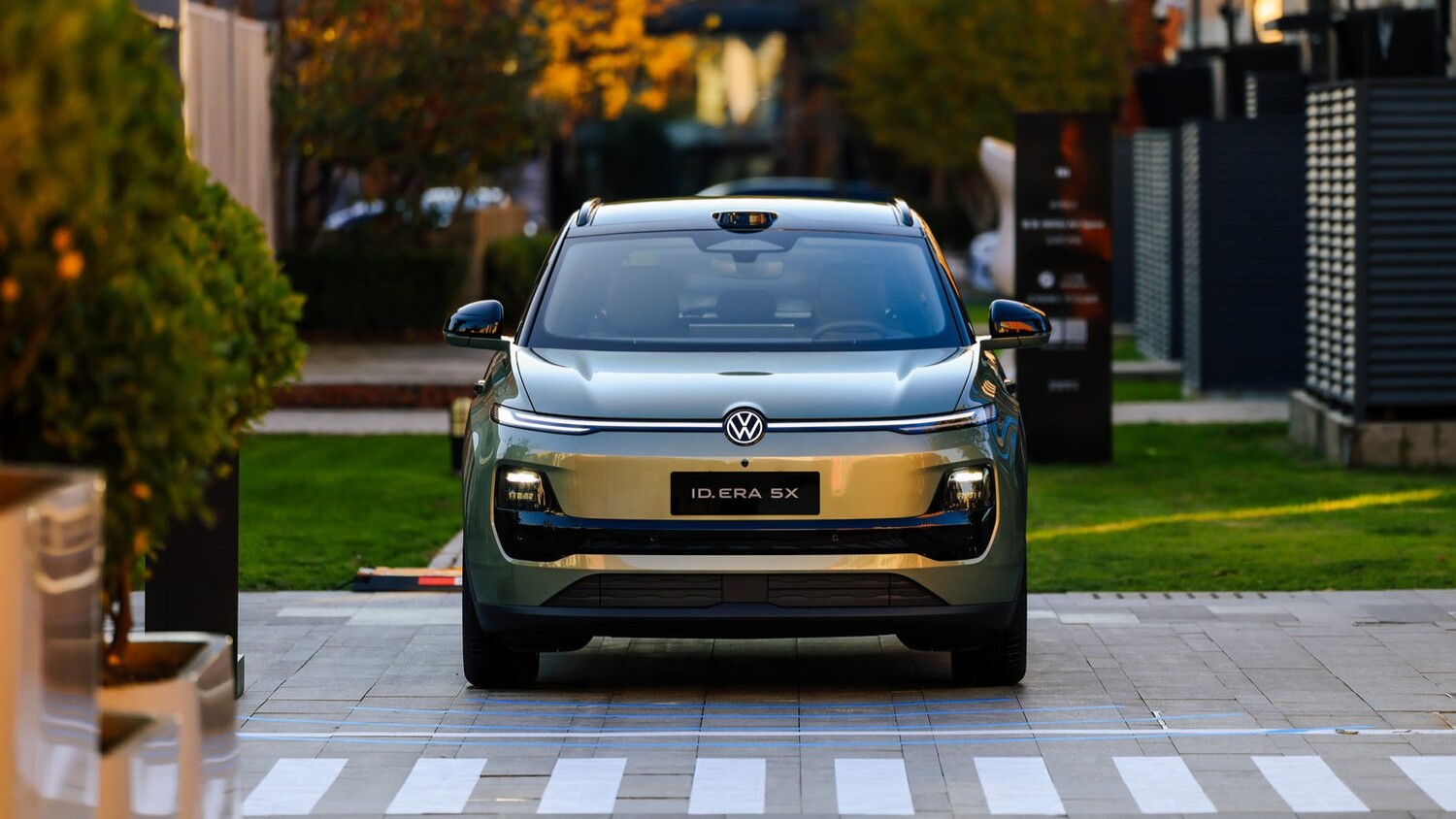
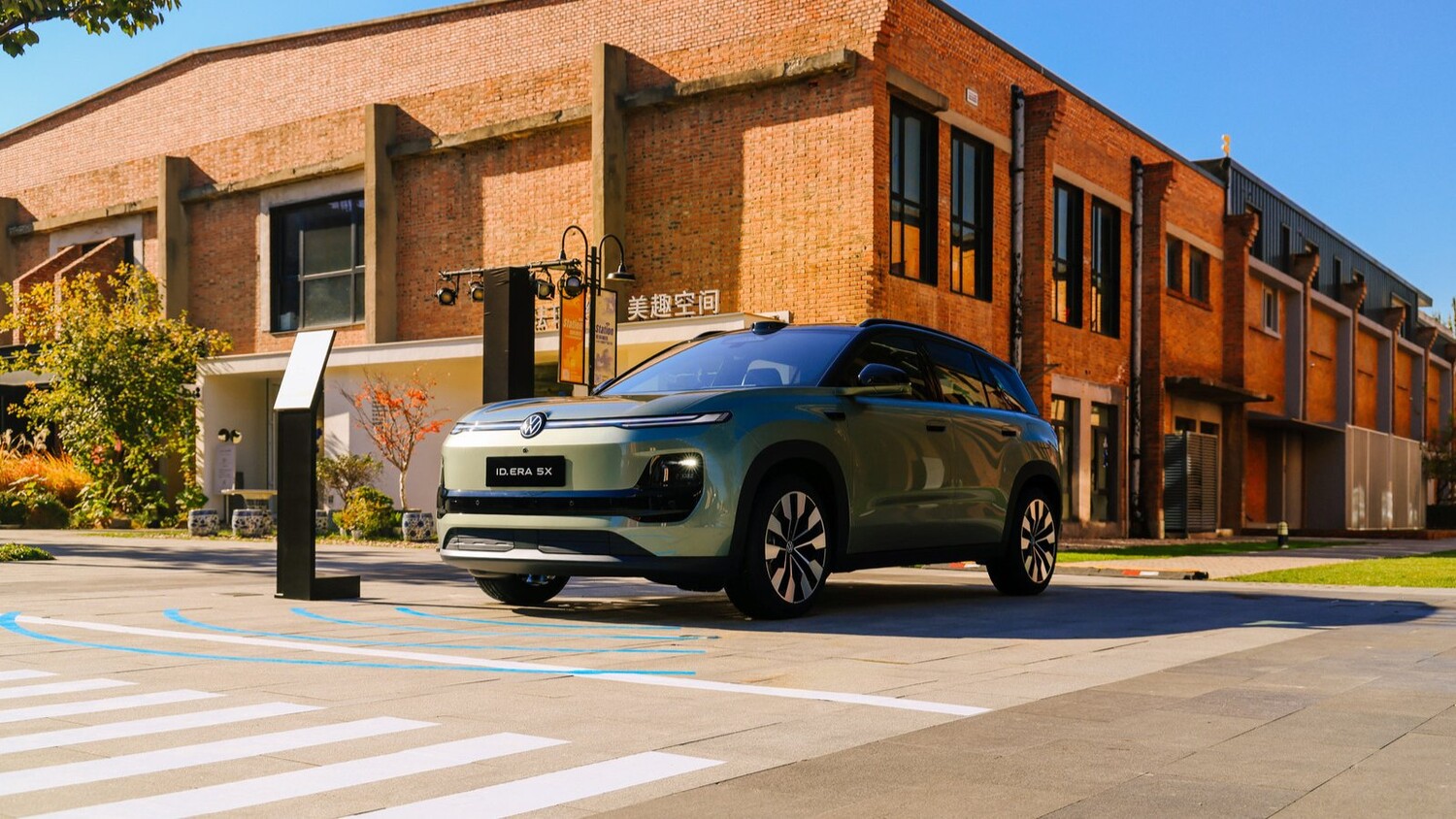
Xpeng delivered a total of 118,390 vehicles between July and September. This represents a 2.1 per cent increase compared to the third quarter of 2025 and a 14.6 per cent increase compared to the second quarter of 2026. Revenue from the vehicle business increased by 19.8 per cent year-on-year to 21.63 billion yuan (approximately 2.7 billion euros). Compared to the second quarter of 2026, the increase was 26.9 per cent. Xpeng attributes this development to both higher deliveries and an improved model mix, with higher average selling prices. “Our automotive business has entered a period of rapid growth, driven by multiple blockbuster models and global expansion. Over the coming quarters, we will continue to grow our scale, while technology-driven revenue growth and cost optimization will become increasingly evident,” says CEO He Xiaopeng. VW cooperation remains a key revenue factor A significant part of Xpeng’s business model is now its collaboration with Volkswagen. The Wolfsburg-based group acquired a five per cent stake in Xpeng in 2023 and uses its technology to develop its own electric cars for the Chinese market. This includes, among other things, the joint development of the China Electronic Architecture (CEA) and the integration of Xpeng technologies into Chinese VW models such as the ID. UNYX 08. Revenue from the cooperation with Volkswagen is recorded by Xpeng in the “Services and Others” segment, which had already seen a significant increase in revenue in the previous quarter. Revenue from this segment had risen by 93.9 per cent year-on-year to 2.70 billion yuan at that time. Management had primarily attributed this to important milestones in technical research and development services for Volkswagen. In the third quarter, revenue from this segment declined slightly by 1.9 per cent quarter-on-quarter to 2.65 billion yuan. Xpeng points to lower income from technical development services, as important milestones had been billed in the previous quarter and the same period last year. This decline is also one of the reasons why the group’s overall gross margin fell from 20.7 to 18.9 per cent. Xpeng’s vehicle margin rises The vehicle margin, on the other hand, developed positively: it improved from 12.1 to 13.1 per cent compared to the second quarter. This brought it back to the level of the same quarter last year. Xpeng also attributes this improvement to the more favourable model mix. However, the gross margin in the services business fell from 75.1 to 67.1 per cent. Overall, Xpeng achieved a gross margin of 18.9 per cent in the third quarter, compared to 20.1 per cent a year earlier. Overall, Xpeng increased its revenue to 24.28 billion yuan (approximately 3.1 billion euros). This represents an increase of 19.1 per cent year-on-year and 23 per cent compared to the previous quarter. Net loss decreases compared to previous quarter In terms of net results, Xpeng significantly reduced its loss compared to the second quarter. It amounted to 870 million yuan (approximately 110 million euros), after a loss of 1.34 billion yuan had been recorded in the previous quarter. However, in the third quarter of 2025, the net loss had been only 380 million yuan. Therefore, there is currently no sign of the company approaching break-even, as had appeared to be the case a year ago. Research and development expenses amounted to 2.85 billion yuan, an increase of 17.5 per cent compared to the same quarter last year. Xpeng attributes the rise to the development of new vehicle models and AI technologies. In addition, sales and administrative expenses amounted to 2.78 billion yuan, an increase of 11.4 per cent. This was primarily due to higher marketing and advertising expenses, as well as increased personnel costs and commissions for sales partners. Meanwhile, the company’s liquidity position improved to 45.41 billion yuan as of 30 September, compared to 40.48 billion yuan at the end of June. Xpeng expects strong final quarter For the fourth quarter, Xpeng is forecasting further significant growth. The manufacturer expects deliveries of between 169,000 and 174,000 vehicles. These include, for example, the new mid-size SUV L03, which has been delivered in Europe since mid-October. Such a jump in deliveries would represent an increase of around 45 to 50 per cent compared to the same period last year and 43 to 47 per cent compared to the third quarter. In terms of revenue, the company expects 30.4 to 31.8 billion yuan (approximately 3.8 to 4.0 billion euros). Beyond its existing cooperation with Volkswagen, Xpeng also intends to expand its technology business. During the conference call on the quarterly figures, Co-President Brian Gu explained that the Xpeng AI Engineering initiative, which emerged from the experience gained through the VW cooperation, will drive further technology partnerships in the future. These will not only focus on vehicle platforms and powertrain technologies but also on AI chips, the training of AI models and artificial intelligence infrastructure. Additional cooperation agreements with Volkswagen and other partners are under discussion. Xpeng expects significant revenue potential from this starting next year.