Chinese tech firm Xiaomi raised HK$42.5 billion (US$5.5 billion) from a share sale to fund the expansion of its electric vehicle (EV) business, just weeks after rival BYD amassed US$5.59 billion from a similar deal.
The Beijing-based maker of consumer electronics and EVs sold 800 million shares at HK$53.25 each to a company linked to its founder and chairman Lei Jun, who separately placed out a similar number of shares to institutional and individual investors, according to a filing to the Hong Kong stock exchange on Tuesday.
The offer price represented a 6.6 per cent discount to the closing price on Monday and the shares sold accounted for about 3.2 per cent of the existing issued share capital of the company.
Xiaomi was earlier looking to sell 750 million shares at HK$52.80 to HK$54.60 apiece, according to Bloomberg.
The proceeds from the share sale would be used to accelerate Xiaomi’s business expansion, investments in research and development (R&D) and for other general corporate purposes, the company said.
Xiaomi’s share sale comes two weeks after Shenzhen-based BYD, the world’s largest EV maker, raised US$5.59 billion via a primary share placement to fuel its R&D efforts and global expansion. It marked the biggest follow-on offering by BYD since its listing in Hong Kong in 2002, and the largest by a carmaker in Hong Kong over the past four years.
Despite escalating competition in China’s EV industry, which has seen the number of carmakers decline to about 40 from more than 400 in the late 2010s, as well as anticipated sales decline after China’s upsized subsidy expired at the end of last year, Xiaomi has been ramping up investments to grow its nascent EV business.
The company last week raised its delivery target by 16 per cent to 350,000 for 2025, after stepping up production to complete in the luxury tier with the likes of BYD and Geely Auto.
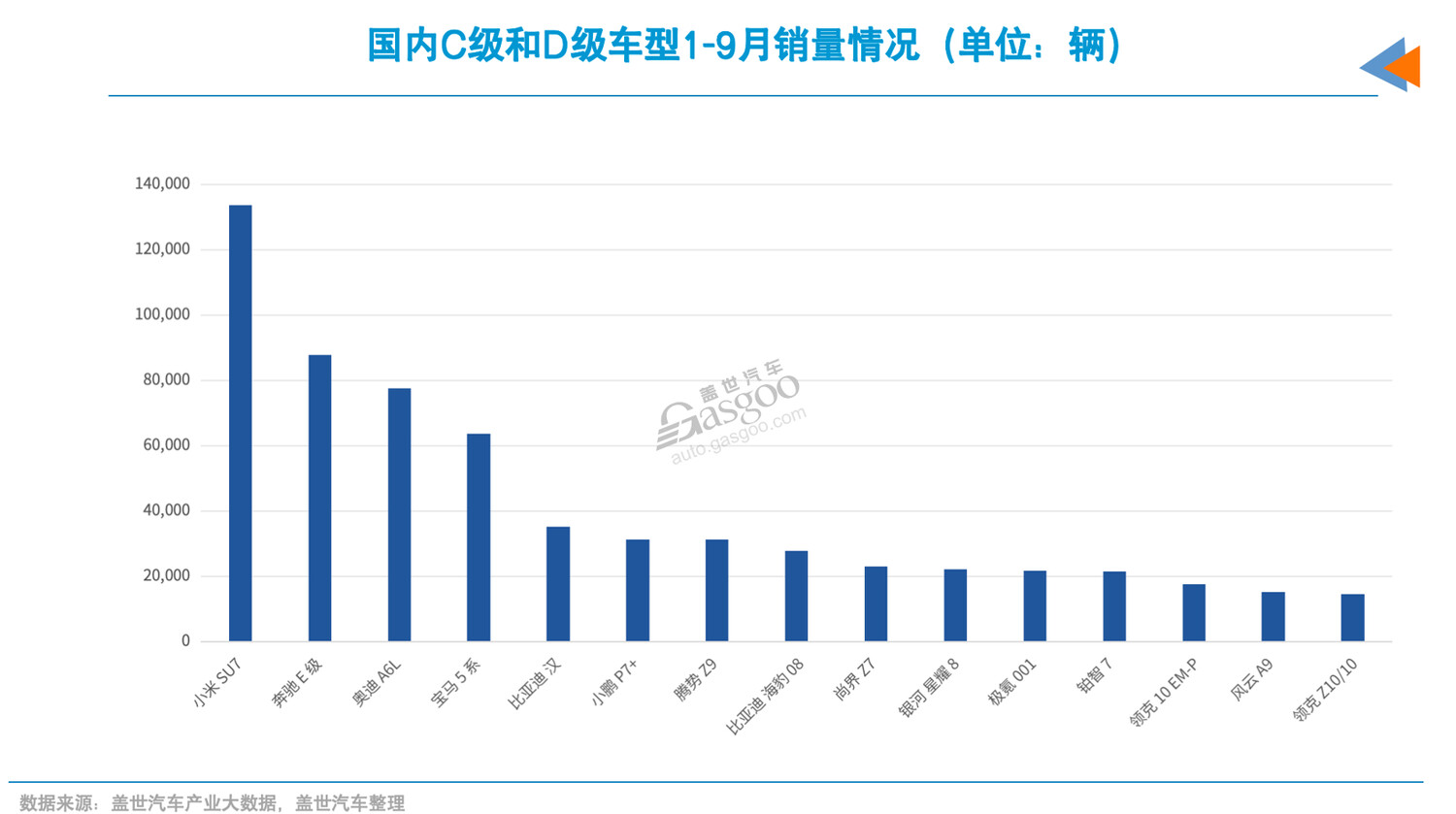
Xiaomi has already delivered 200,000 EVs since commencing production in 2024, according to its founder. The company reported a stronger-than-expected 41 per cent jump in profit to 27.2 billion yuan (US$3.8 billion) for 2024 on the back of strong deliveries of its SU7 sedan.
Xiaomi’s success in the EV market has also helped to more than triple its stock price from a trough in August, making it the best performer in the Hang Seng Index, which has risen close to 20 per cent so far this year.
The company’s shares closed 6.3 per cent lower at HK$53.40 on Tuesday.
Goldman Sachs, JP Morgan and China International Capital Corporation were the joint managers for the Xiaomi share sale.