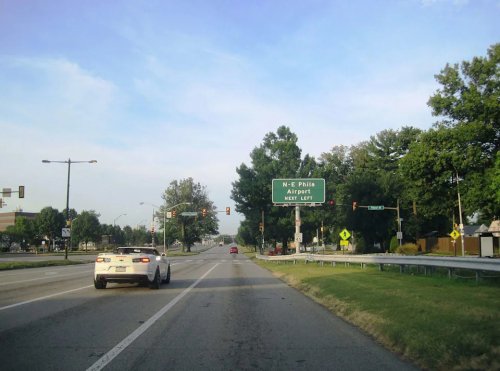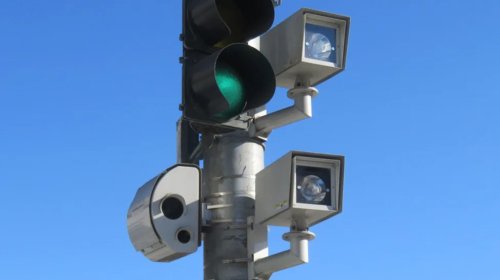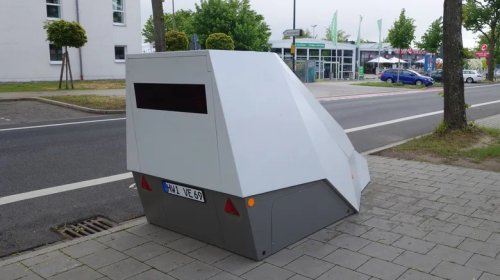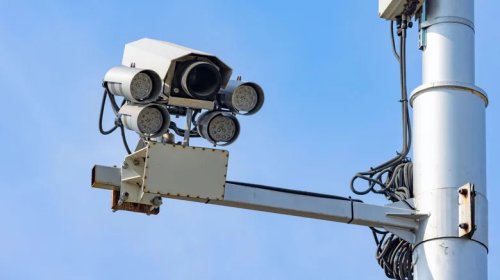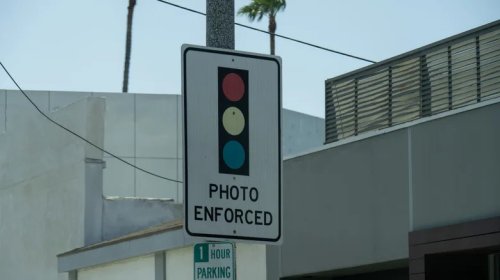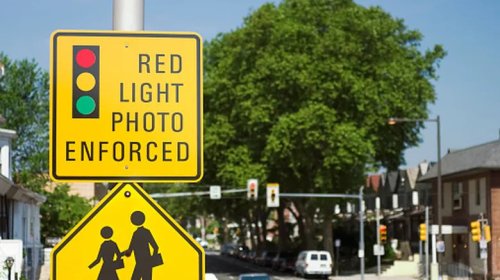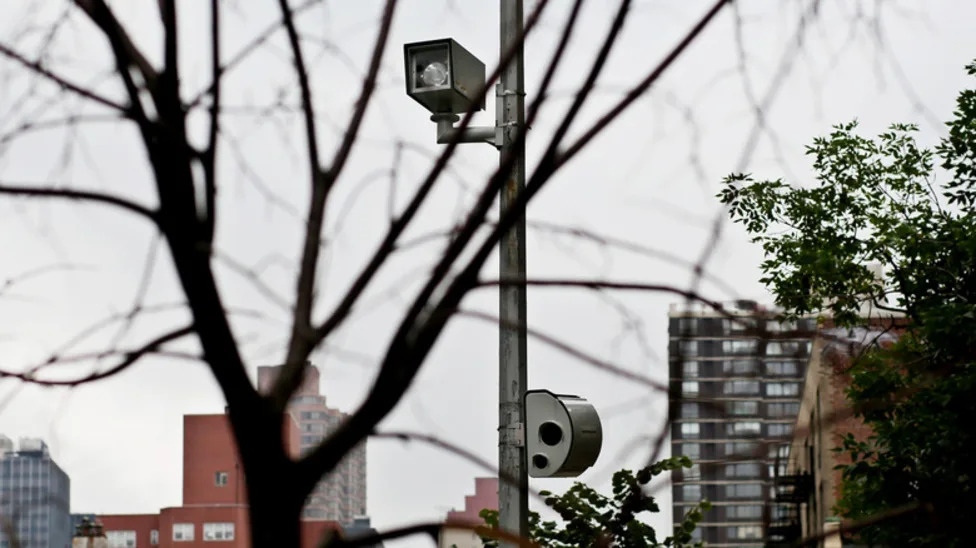

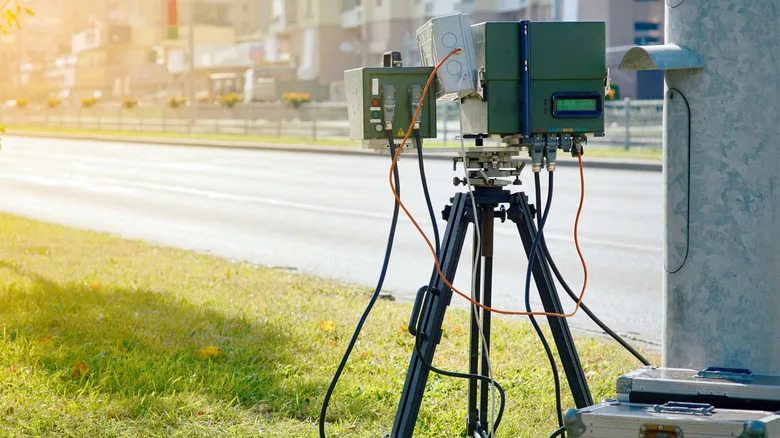



















View Press/Getty ImagesThere's an indignity to getting nabbed by a red light or speed camera that doesn't come with getting pulled over by a police officer who caught you breaking the law. It feels sort of unfair. Technically, no law enforcement was there to see you — why did you get nabbed? As more of these cameras pop up, it's easier than ever to get flagged by one and receive a ticket in the mail a few weeks later.Because of that, it's probably a good idea to know what the actual difference is between speed cameras and red light cameras. That's exactly what we're going to go over today: what speed cameras and red light cameras are, what they do, what they look like, what their violations mean, and if you can fight them in court (the answer is no). In a world where we're being watched all the time, it's never a bad idea to be up on what's going on around you.Read more: 12 Non-Corvettes That Are Powered By Corvette EnginesWhat a red light camera doesDzmitry Skazau/Getty ImagesRed light cameras, contrary to what some may think, aren't just speed cameras mounted at traffic lights. Instead, they're an automated ticket-issuing system designed to detect when motorists enter intersections during red lights — i.e., when they're not supposed to — according to Radenso, a radar detector manufacturer. When a driver enters the no-no zone, the camera automatically takes multiple images of the car, and a few weeks later, a gnarly ticket will show up in the mail.AdvertisementAdvertisementDrivers can tell red light cameras apart from other systems by their location and the way they look. Believe it or not, you're always going to find them at an intersection, and they're almost always going to consist of a large camera box and two external flashers — often mounted on separate poles. You may also notice multiple red light cameras at the same intersection, since there are multiple angles cars can be driving from.If you do get nabbed by one of these cameras, you're going to be stuck with the ticket, too. Even though you can't technically "face your accuser" (the camera) in court, it's not a valid legal argument, according to Radenso. Red light cameras don't technically issue moving violations or criminal charges. Apparently, from a legal standpoint, they issue administrative violations like parking tickets. That has the effect of removing your right to face an accuser. If you do decide to be a goofball and not pay the ticket, you won't be arrested, but it might be sent to collections, where it will damage your credit.Speeding camera talkTricky_Shark/ShutterstockSpeed cameras aren't terribly different from red light cameras in their concept. At the end of the day, they automatically detect when someone commits a violation and then issue a ticket. However, instead of doing so for a red light, they do it for a speed infraction, hence the name. Unlike red light cameras, which are usually in heavily populated areas, speed cameras tend to be used on less-populated back roads and in residential areas, according to Radenso. It makes sense why they wouldn't really be in densely populated areas. I mean, it's pretty damn hard to speed to an outrageous degree on a city street. Trust me. I've tried.Typically, there are two types of speeding cameras, according to the company: fixed and mobile. Fixed speed cameras are usually the easiest to see because they're almost always mounted on elevated poles that sit on the side of the road and sit within bulky, waterproof enclosures. They also have external flashers that are often mounted on separate poles. Mobile speed cameras, on the other hand, are a bit harder to notice. If the word "mobile" was any sort of indication, you may have guessed that they're not permanently mounted to the ground, and it means they can be located on a camera tripod or inside a police vehicle. It also means drivers can't rely on crowdsourcing apps like Waze for tips as to where they are. These types of cameras also use a special type of radar that is hard for radar detectors to, well, detect. It's called low-powered K-band and MRCD (or Multaradar), according to Radenso.AdvertisementAdvertisementIf you get nabbed by a speeding camera, you've got a few options. Most commonly, you just pay the ticket and accept your fate, but it can put points on your license. Conversely, you can contest the ticket in court or by mail — unlike a red light camera fine. You'll most likely have to go to court, and you'll need all of your evidence in order, according to SuperLawyers.com. Basically, if you can prove that the camera misread your plate and snapped the wrong car, you can get out of the ticket, but that's pretty rare.My advice? Try not to speed, and if you really have to, be on the lookout for the cameras, because they're watching.Want more like this? Join the Jalopnik newsletter to get the latest auto news sent straight to your inbox, and follow us or add us as a preferred search source on Google.Read the original article on Jalopnik.