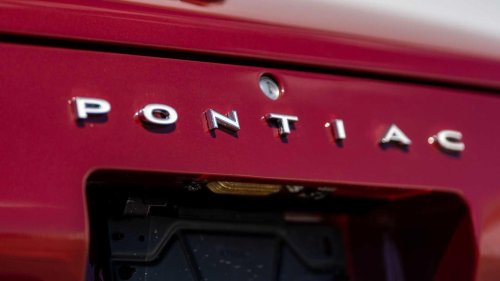
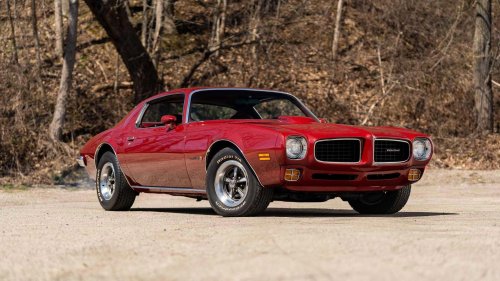
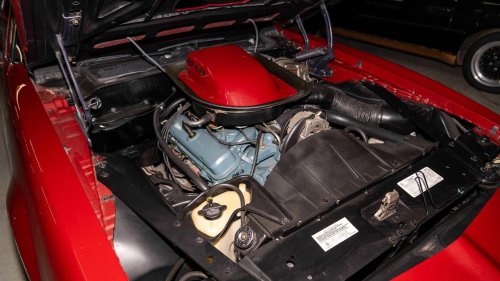
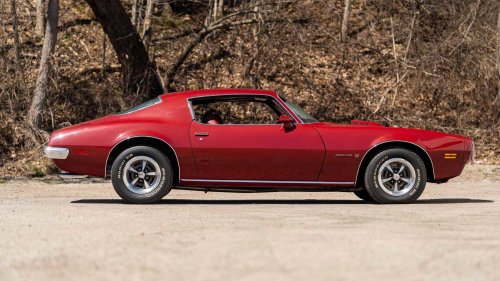
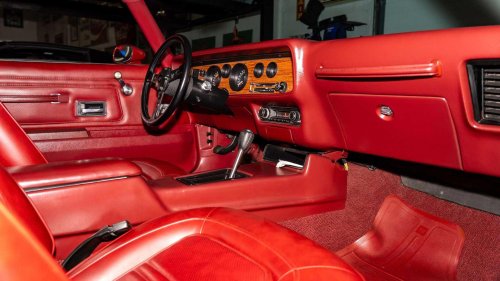
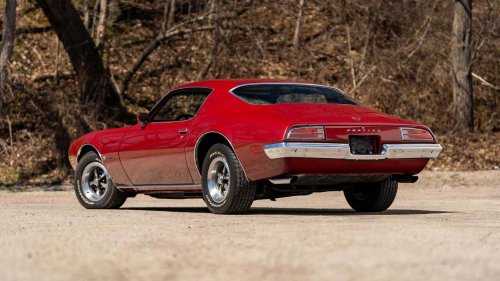
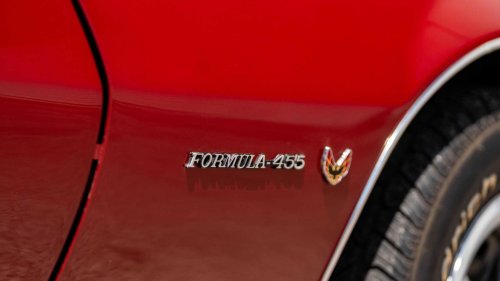
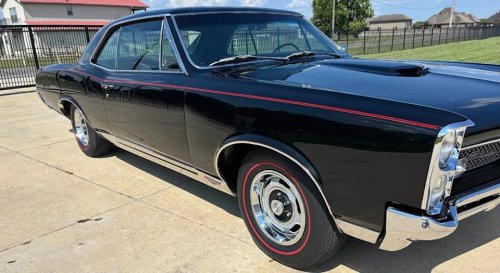
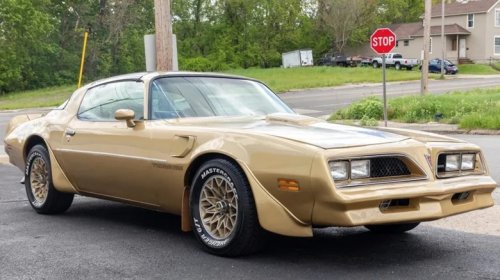
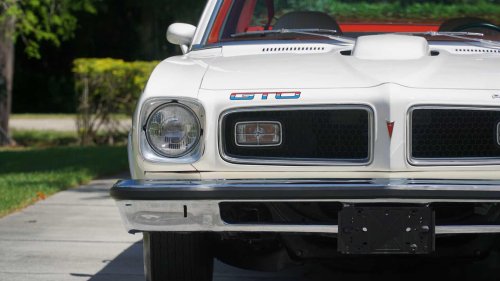
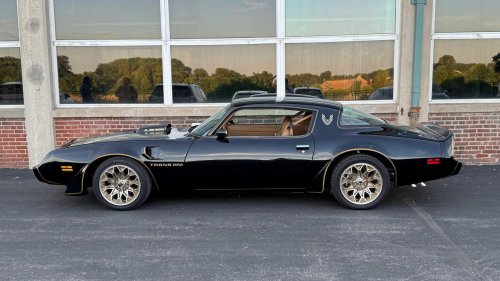
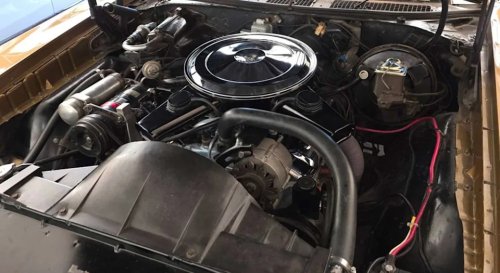
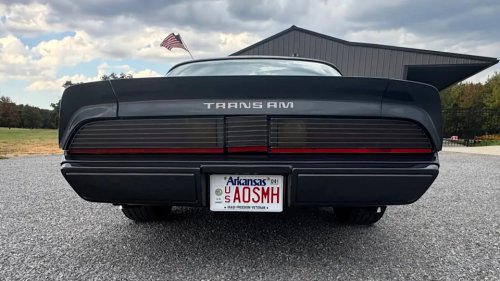
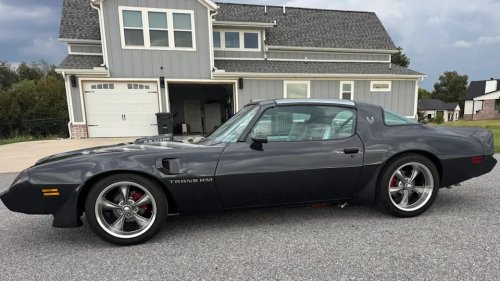
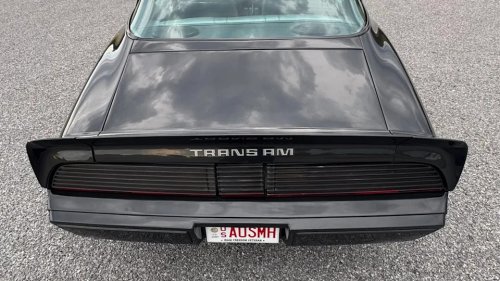
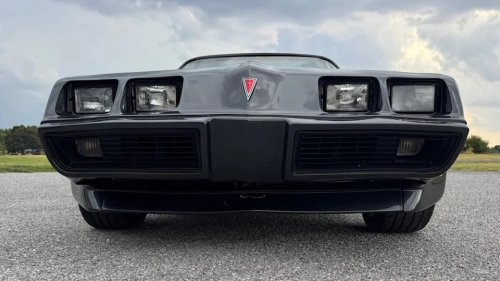
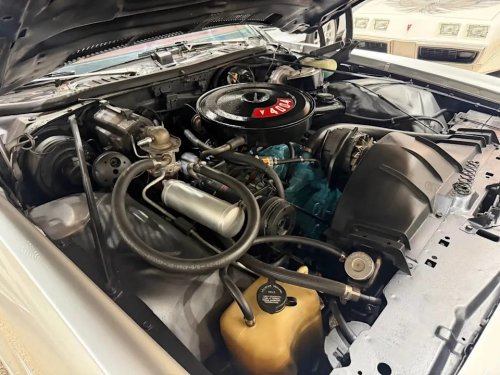
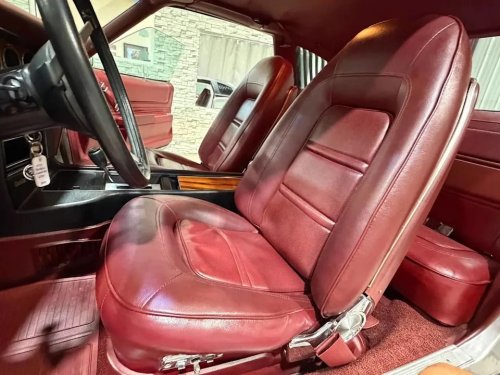
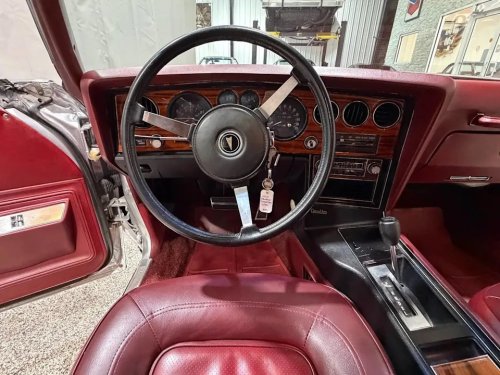
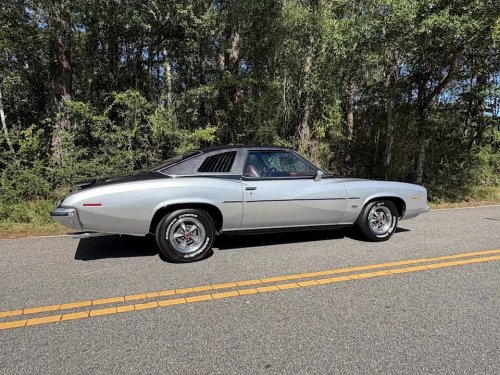
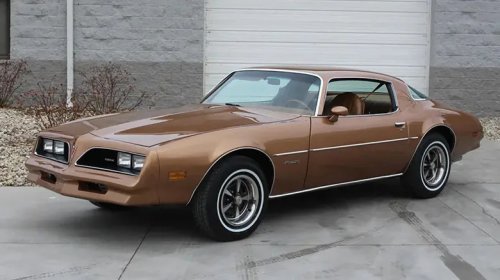
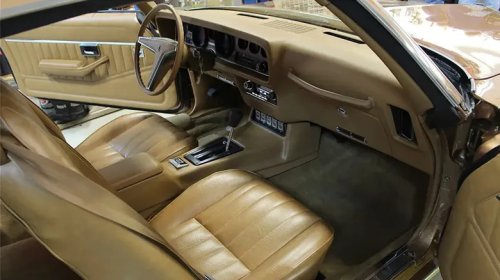
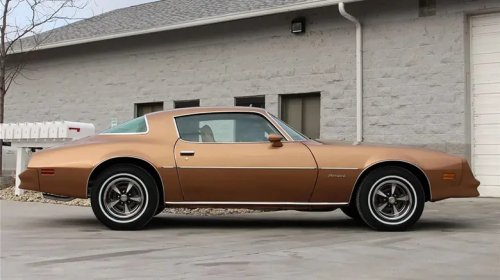
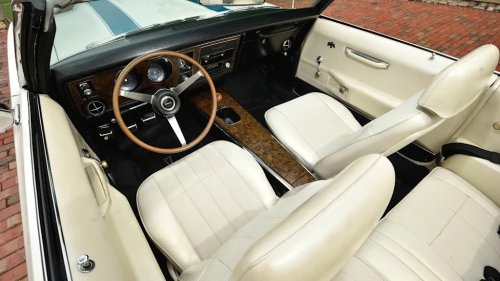
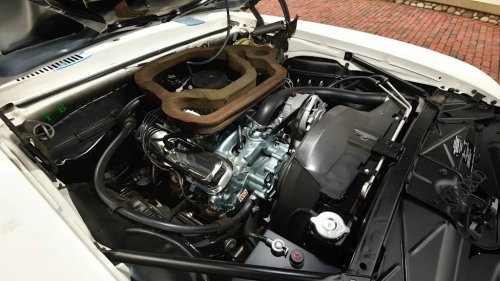
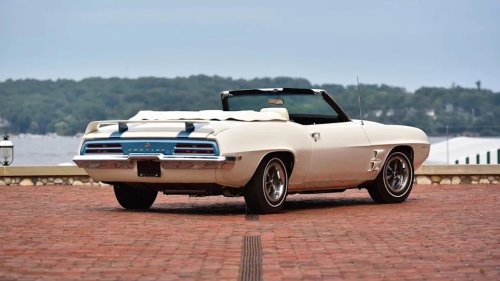
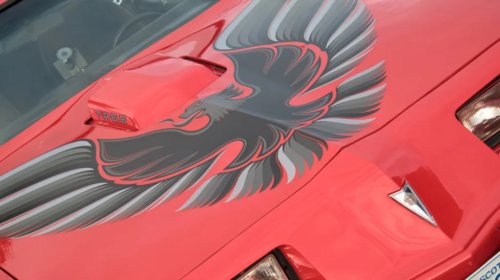
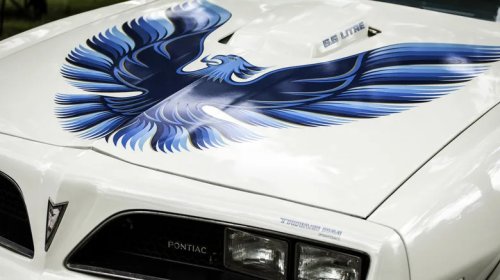
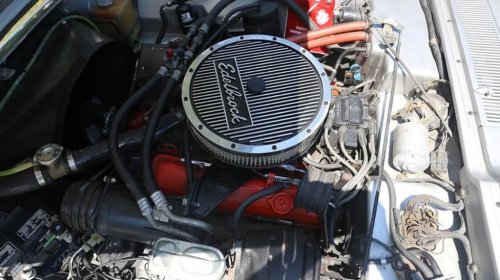
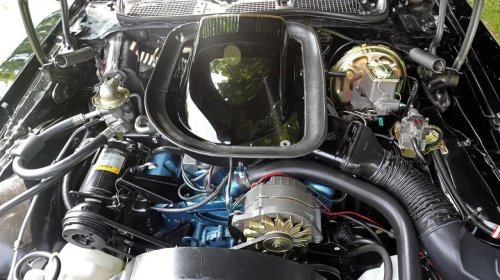
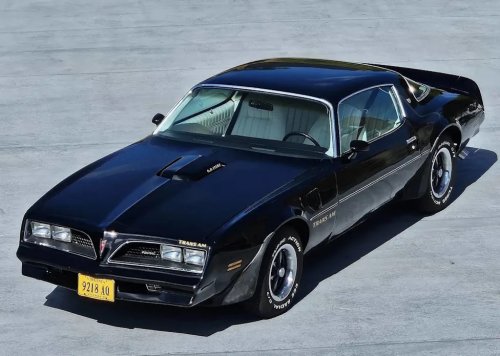
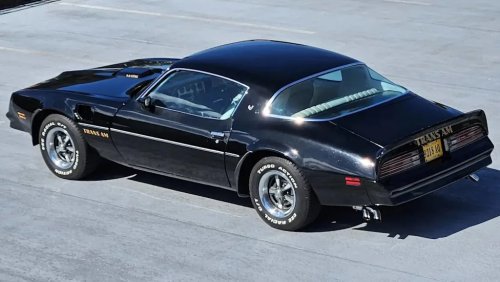
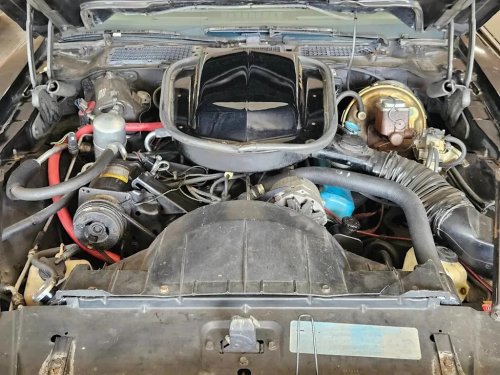
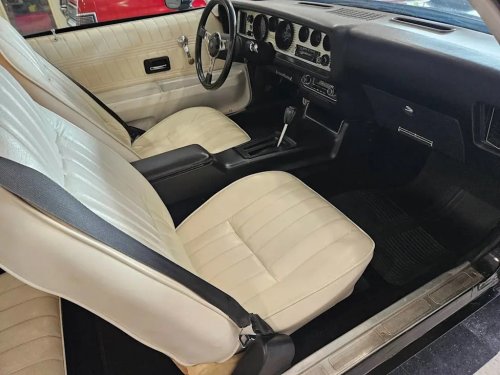
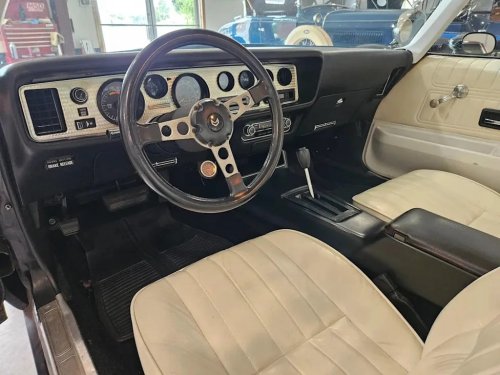
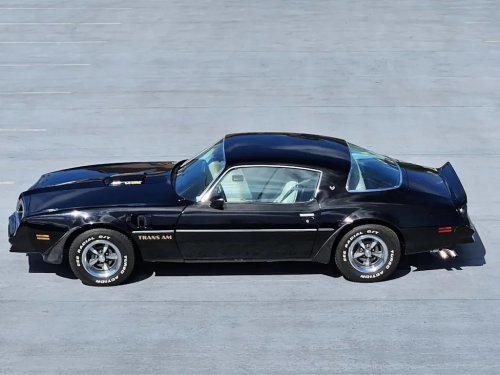
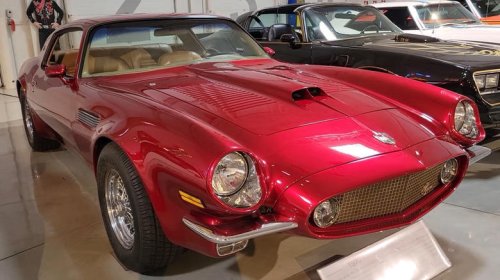
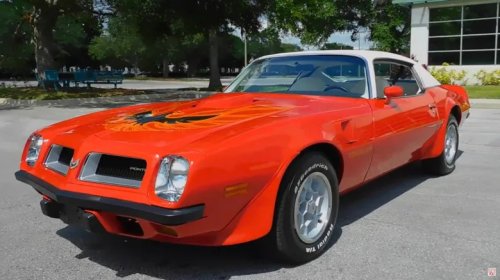
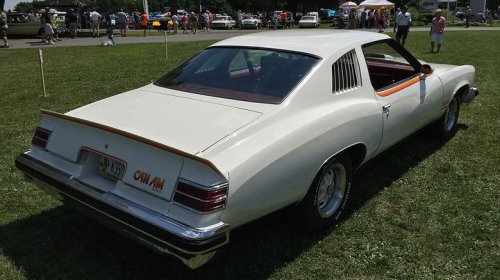
The mid-1970s were a dark time for muscle car fans. Emissions regulations, safety standards, and high insurance premiums conspired to end the era of the American muscle car. A new generation of enthusiasts turned to sports cars from Japan and affordable European grand tourers. One by one, automakers threw in the towel and said goodbye to their iconic big-block V8-powered coupes. Then one brand made a stand.You’ve heard of the Pontiac Super Duty (SD-455). Read on to find out why the 1973-74 special edition mattered, how Pontiac threaded a legal needle to even build the Super Duty, the NASCAR engineering that made it possible, and how Pontiac built the ultimate stealth sleeper version collectors now revere. The End of an Era — Why 1973–74 Muscle Mattered MecumThe late 1960s and early 1970s were the undisputed golden era of the American muscle car. But many folks don’t know that by 1973, it felt like the party was already over. Strict new emissions regulations forced automakers to redesign their highest output V8s. New crash test standards forced automakers to redesign their vehicles. Meanwhile, the 1973 gas crisis and rising insurance premiums for muscle cars made them expensive to own. With sales numbers falling, most Detroit companies quietly canceled new muscle car projects and ended production of existing vehicles. Any top-end performance badges left transitioned into appearance packages.Dodge had already killed its legendary 426 Hemi V8 and reduced the availability of its 440 cubic-inch big-block V8. It canceled the legendary Super Bee trim after the 1971 model year. Ford pulled its 429 V8 from the Torino and canceled the Mercury Cyclone Spoiler altogether.Things weren’t looking much better at General Motors. Chevrolet axed its big-block Camaro and Nova. The Chevelle’s big-block V8 was severely detuned. Oldsmobile canceled the high-compression 4-4-2 after the 1971 model year, continuing the badge as more of an appearance package. Pontiac, on the other hand, said, “Hold my beer and watch this.” Enter the SD-455: What “Super Duty” Really Meant MecumAs legend has it, General Motors completed the expensive 50,000-mile emissions testing program for its 455 V8 in 1973. Then the engineers at Pontiac built a "Super Duty" edition while insisting that it was just the same engine to escape further emissions testing. When they tried to install a huge shaker air intake and Pontiac's aggressive "Ram Air IV" camshaft in their "stock" 455, the government officials finally said, "Enough is enough." So, Pontiac swapped cams and bolted a cover over the air intake for noise compliance (though most owners removed it immediately).One feature the SD-455 got to keep was an entirely new cylinder head. Like Pontiac’s earlier “Ram Air” and “High Output” tunes, this new cylinder head tossed the old “D” shaped (D-port) for larger, circular, “O” shaped (round-port) intake and exhaust ports. These huge 2.11-inch intake valves and 1.77-inch exhaust valves made it easier for the engine to draw fuel-air mixture into the cylinders and expel exhaust. The result was more power leftover for burnouts and highway pulls. How did Pontiac get away with this? Perhaps the government reasoned that an engine that can breathe easier can potentially also get better fuel economy.MecumNext, Pontiac had to ensure all the extra power and aggressive driving didn’t tear up the Super Duty 455. So, it swapped out the cast internals for forged pistons, forged connecting rods, and even a forged crankshaft. Again, none of these components would affect emissions, so Pontiac got the thumbs up. The result was a V8 capable of standing up to motorsports stress levels. “Super Duty” indeed.Pontiac had initially announced a 310-horsepower rating for its SD-455—with the Ram Air camshaft. Even with the milder hydraulic camshaft, the 1973 SD-455 earned a rating of 290 hp at 4,000 rpm and 395 lb-ft at 3,600 rpm. Enthusiasts have pointed out that those numbers are suspiciously low: the engine redlines at 6,000 rpm, so real-world horsepower may be much higher. Pull the blocking plate off the shaker intake and swap to an older Ram Air camshaft, and you'll unlock even more power. Racing Pedigree, Special Projects, And Tons Of Horsepower MecumManufacturers’ unofficial NASCAR motto has long been “Win on Sunday, sell on Monday.” The entire reason the series has stuck with stock cars (or stock-car-shaped spec cars) is to advertise street vehicles. So, it’s no surprise that countless models over the years have claimed “NASCAR engineered” components.Dodge’s 426 “Street Hemi” did indeed share a ton of components with the 426 Hemi V8 the Plymouth Superbird and Charger Daytona used to dominate NASCAR. Likewise, Ford’s Boss 429 V8 was developed specifically for NASCAR. The 455 big block was not engineered for NASCAR.MecumThe closest GM equivalent would be the legendary ZL1 427 V8. But that was only offered in the 1969 Camaros and Corvettes. In 1973, the closest you could get was the SD-455, which did draw from NASCAR engineering.The SD-455 was a true Special Projects effort. Thanks to lessons learned in racing, GM decided to cast the SD-455 block specially. It had a beefier crank area, four-bolt main bearings, and additional webbing in the lifter valley. It was even built with provisions for a gear-driven dry oil sump, in case buyers wanted to modify it. This represents serious racing technology. The Stealth Muscle Car — Why Pontiac Hid Its Weapon MecumBuyers could get the SD-455 Firebird engine in one of two trims. Most opted to upgrade an attention-grabbing Trans Am to the SD-455. But GM also offered an SD-455 trim of the Firebird Formula. With subtler styling, this made for an unassuming sleeper. Indeed, one of the last great muscle cars was available as a plain-looking Pontiac.In 1973, Pontiac made 295 SD-455 Firebirds, consisting of 252 Trans Ams and 43 Formulas. Just 82 were four-speed manuals, while 213 had automatic transmissions.MecumBuyers loved the last great muscle car, and as even more of its competitors fell away in 1974 sales more than tripled. Pontiac sold 943 SD-455 Firebirds in its final model year. The vast majority (943) wore Trans Am badges while just 58 were stealthy Firebird Formula sleepers. There were 731 automatics and 212 manuals. Why Collectors Still Revere The SD-455 As the last car of its kind, the Pontiac Trans Am Super Duty has a unique place in automotive history, and in enthusiasts’ collections. According to Classic.com, just eight SD-455 Pontiac Trans Ams have sold in the past 12 months.The highest price any one has commanded in the past year is $156,000. The lowest price was $80,000. The average value is $110,788. Obviously, configuration impacts value. The only stick shift currently available has the highest asking price: $349,900.