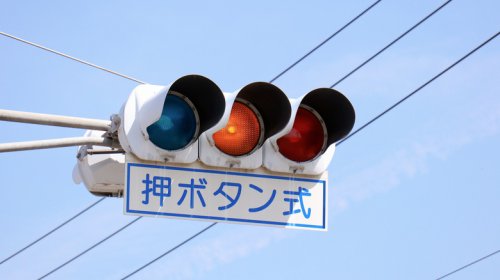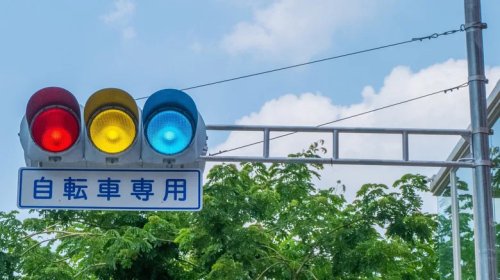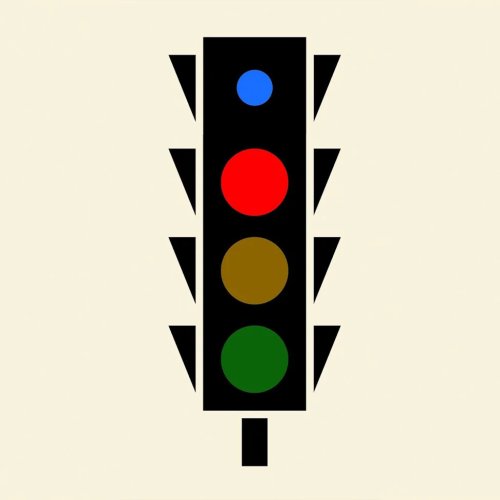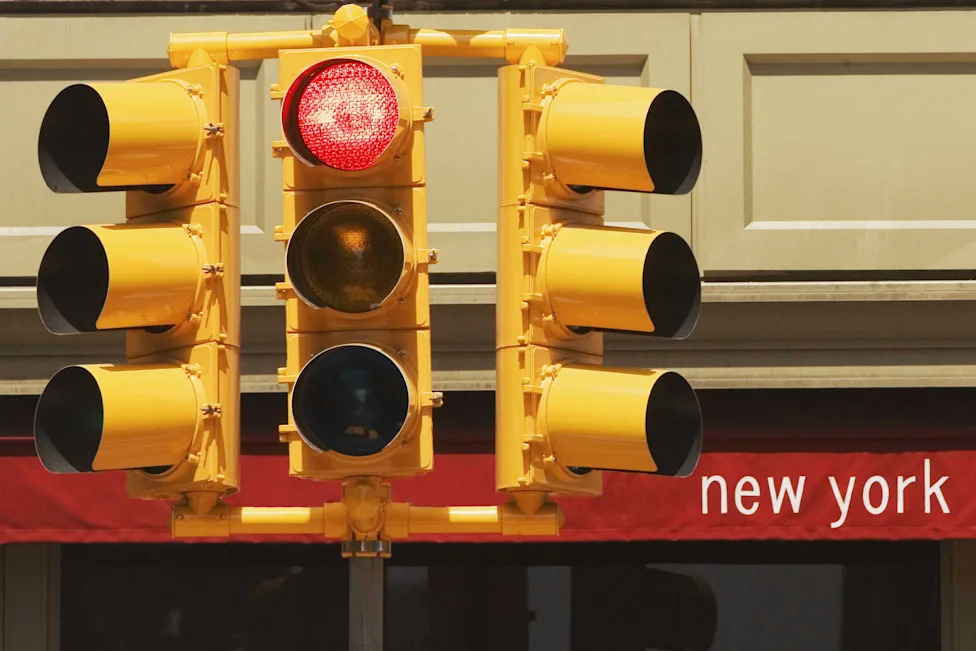





















What Does A Blue Traffic Light Mean?That unexpected blue glow at an intersection isn’t a new traffic signal for drivers.Southern LivingJessica SafavimehrThu, September 17, 2026 at 9:26 PM UTCAdd us on GoogleCredit: Glowimages / Getty ImagesRed means stop. Yellow means slow down. Green means go. Those three colors are probably some of the first rules you learned about driving. Well, there is a new light in the mix: blue. So what exactly are you supposed to do when you spot a blue light attached to a traffic signal?Don't worry, you don't need to add another color to your mental list of traffic rules. A blue light on or near a traffic signal is generally an enforcement or confirmation light, and it isn't intended to tell drivers when to stop or go. Instead, it gives law enforcement a way to see when the signal facing traffic has turned red.What Does A Blue Traffic Light Mean?If you've noticed a small blue light near a traffic signal, it may look like an additional signal indication. In reality, it's usually connected directly to the red signal. When the traffic light turns red, the blue light illuminates simultaneously.AdvertisementAdvertisementBecause the blue light is visible from different angles, an officer positioned where the regular traffic signal isn't visible can use it to confirm the signal is red. The setup can be particularly useful at busy intersections where trees, buildings, traffic signal equipment, or the intersection's angle can make the regular signal difficult for an officer to see.Why Do Traffic Signals Have Blue Lights?The primary purpose is red-light enforcement. If an officer sees a vehicle enter an intersection after the blue confirmation light comes on, the officer has another visual indication that the traffic signal was already red. These lights aren't installed at every intersection, and their use can vary by location. Traffic signals still rely on the familiar red, yellow, and green signals to control traffic. For example, Florida's traffic guidance instructs drivers that red means stop, yellow means stop if possible, and green means proceed when the intersection is clear.Do You Need To Stop When You See A Blue Light?No. You don't need to react to the blue light itself. Think of it as a signal for law enforcement rather than one for drivers. If the main traffic light is green, you follow the green light. If it turns yellow, follow the rules for yellow. And when it turns red, stop as you normally would. The blue light doesn't give you permission to proceed, require you to stop independently, or change the right-of-way rules at an intersection.These small lights can be easy to miss because they're often mounted in ways that make them more visible to officers than to approaching drivers. So the next time you notice a mysterious blue glow near a traffic signal, don't panic. It isn't a new traffic color you somehow missed in driver's education. It's simply another tool for monitoring the intersection and helping enforce the rules you already know: red means stop.Read the original article on Southern Living