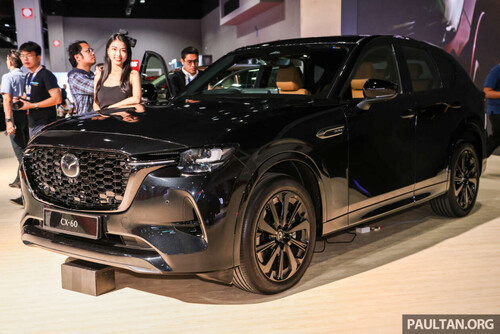
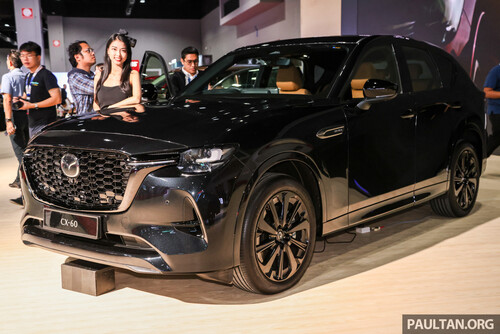
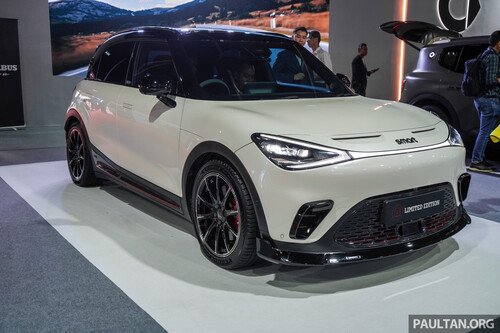
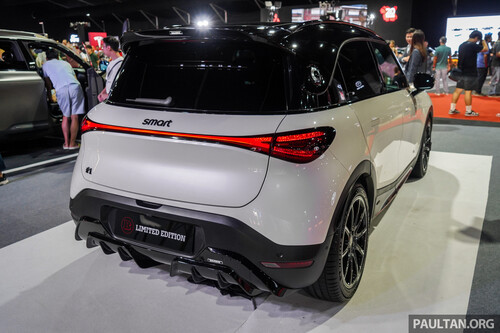
Emily Wilson · 2 months ago@emilywilson41What Are The Benefits Of Using Alloy Wheels Over Steel? Liked by+25 othersPost commentRelated PostsMazda CX-60 Malaysian spec sheet leaked – 2.5L NA, 8AT, RWD; Bose speakers, MRCC, AEB, 20-inch alloys 34 · Connor Walker · 1 years agosmart #1 Brabus Limited Edition open for booking in Malaysia – lowered by 35 mm, 19-inch alloys, bodykit 81 · Adam Scott · 1 years agoThe 2027 Rivian R2’s All-Terrain Tires Come with an Unusual On-Road Performance BenefitMorgan Rogers · 11 days agoRivian R2’s All-Terrain Tires Have a Strange On-Road Performance BenefitAmélie Scott · 11 days agoWhy Buy at a No-Reserve Car Auction? Benefits, Risks, and Smart BiddingEmily Brown · 15 days agoWhat Is ECU Tuning And How Does It Benefit Your Car's Performance?Connor Poirier · 20 days agoCadillac Benefits from Magnussen-Palou Crash at Petit Le Mans Halfway MarkNoah King · 21 days agoSenate Report Details Fossil Fuel Industry’s Billions in Benefits Under Trump Administration 32 · Amélie Nelson · 1 months agoLarge SUVs are overkill, 'right-size' into a smaller car you'll feel the benefit 20 · Ava Poirier · 1 months agoTwo Ram Icons, One Lot: Barrett-Jackson's 'Generational Showdown' Trucks Will Benefit Folds of Honor and the UFC Foundation 23 · Victoria Young · 1 months agoTrump Wants To Slash MPG Rules, Promising Cheaper Cars — Will Buyers Benefit? 11 · Lauren Rogers · 1 months agoTrump’s Secret Offshore Wind Payout Benefits Billionaire Donor 62 · Connor Bouchard · 1 months agoTesla Won the EV Plug War, but Everyone Benefits 99 · Jacob Rogers · 2 months agoBoys and Girls Ranch Benefits from Car Show 70 · Samuel Lee · 2 months agoFire Fighters Benefit From the Glendale Gathering 24 · Claire Johnson · 2 months agoRMEF Is Auctioning Off A Harley-Davidson And An Old Harley Ford F-150 to Benefit Wildlife 35 · Nicole Carter · 3 months agoRestored 1970 Oldsmobile 442 W30 Headlines Muscle-Car Giveaway Benefiting Veterans and Children 46 · Caleb Nelson · 3 months agoElectric Vehicle Raffle Is Insanely UNDERSOLD. 4,500 Tickets Remain With Less Than 21 Days Before Drawing. Stunning Odds for You. Tickets Benefit Nonprofit. 86 · Jenna Green · 3 months agoCalifornia's New EV Incentive Is Almost Here—With Special Benefits For Rivian And Lucid 11 · Carter Hill · 3 months ago20,000 Delphi Retirees Lost Up To 70% Of Their Benefits In GM’s Bankruptcy, Now Trump Wants To Make It Right 71 · Hannah Wilson · 3 months ago




 +25 others