The Los Angeles Times reports that drivers in San Diego sometimes have to wait for up to an hour to charge their cars. While Waymo typically relies on its own charging stations, it reportedly also uses public charging points when necessary. According to InsideEVs, the company now operates its robotaxi service in 15 US cities.
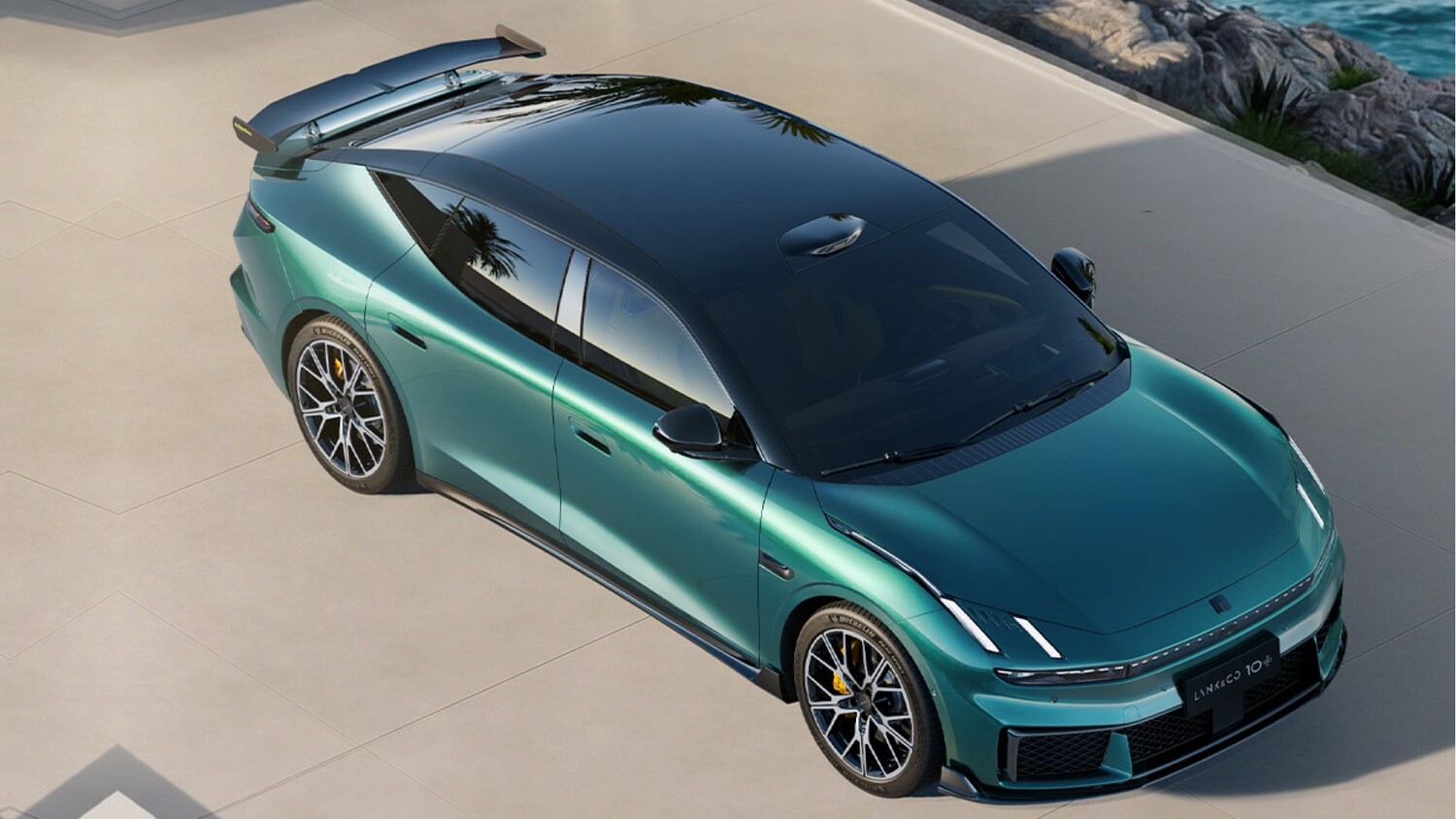
This raises the question: how do self-driving robotaxis charge at conventional public stations? In response to an inquiry from the Los Angeles Times, Waymo stated that staff are deployed at certain public charging locations to prevent too many vehicles from congregating at a single station. The Jaguar I-Pace models and Zeekr vans, which are occasionally driven by humans, can also use public charging stations during breaks, a company spokesperson explained. However, Waymo emphasised to the newspaper that charging at its own centres remains the priority. The company added that building its own infrastructure can take time when entering new markets.
InsideEVs also highlights social media posts from electric vehicle drivers in Nashville and St. Louis who have encountered Waymo vehicles occupying public charging stations. This is not illegal. Charging station operator EVgo told the Los Angeles Times that its chargers in San Diego are available to both private electric vehicle drivers and robotaxis, ensuring high utilisation rates. For private EV drivers, however, the situation remains frustrating.