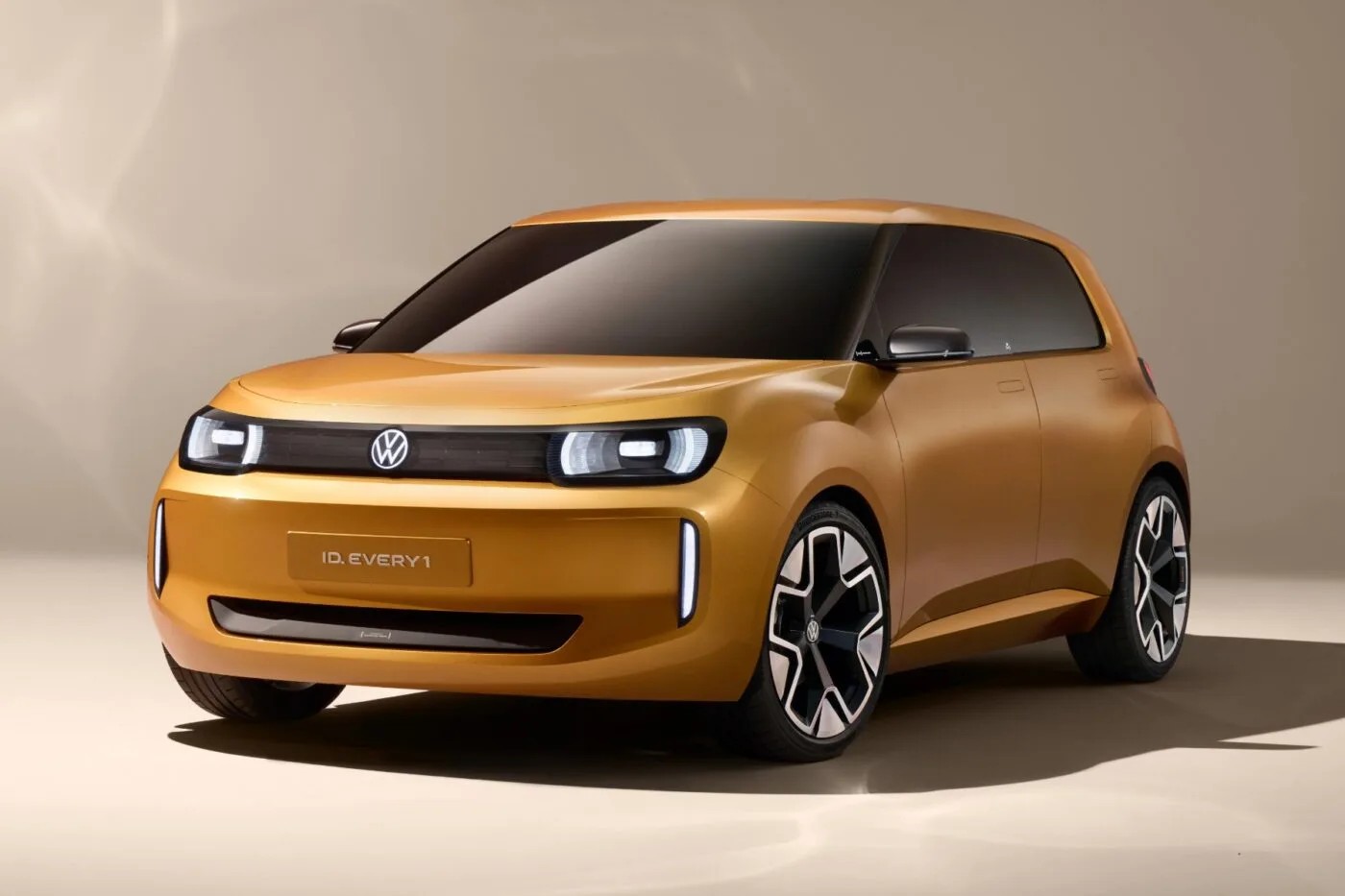
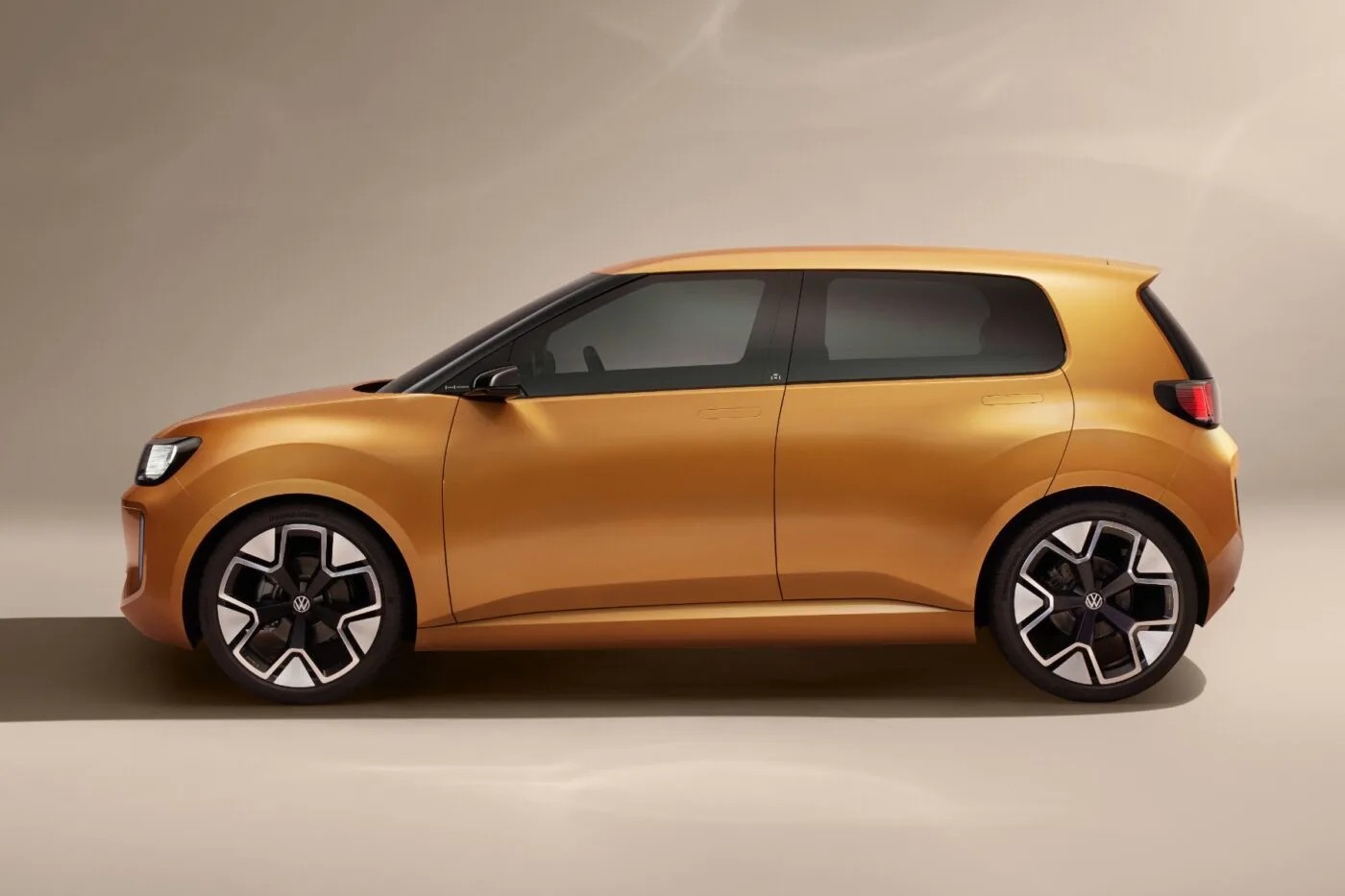
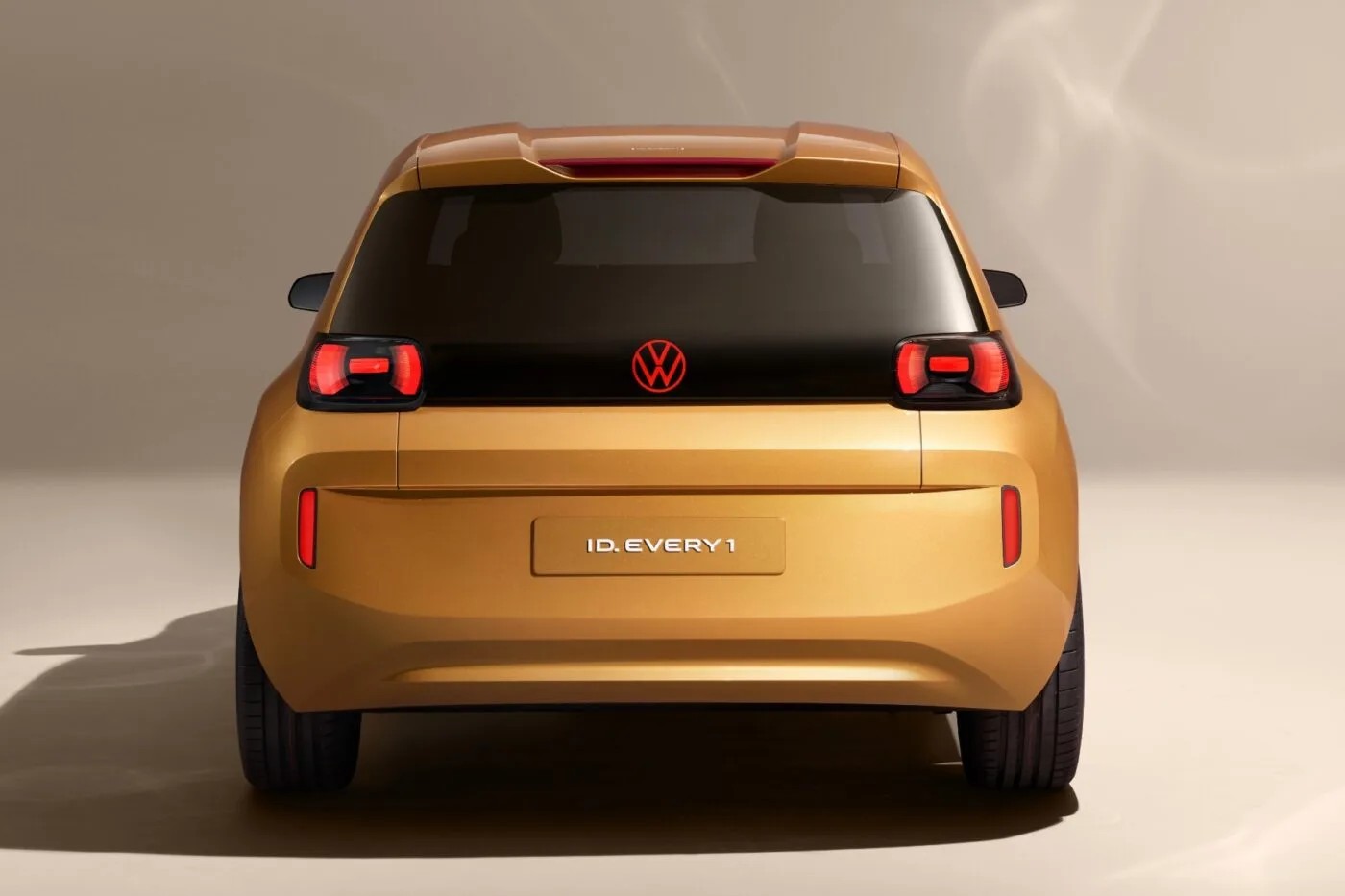
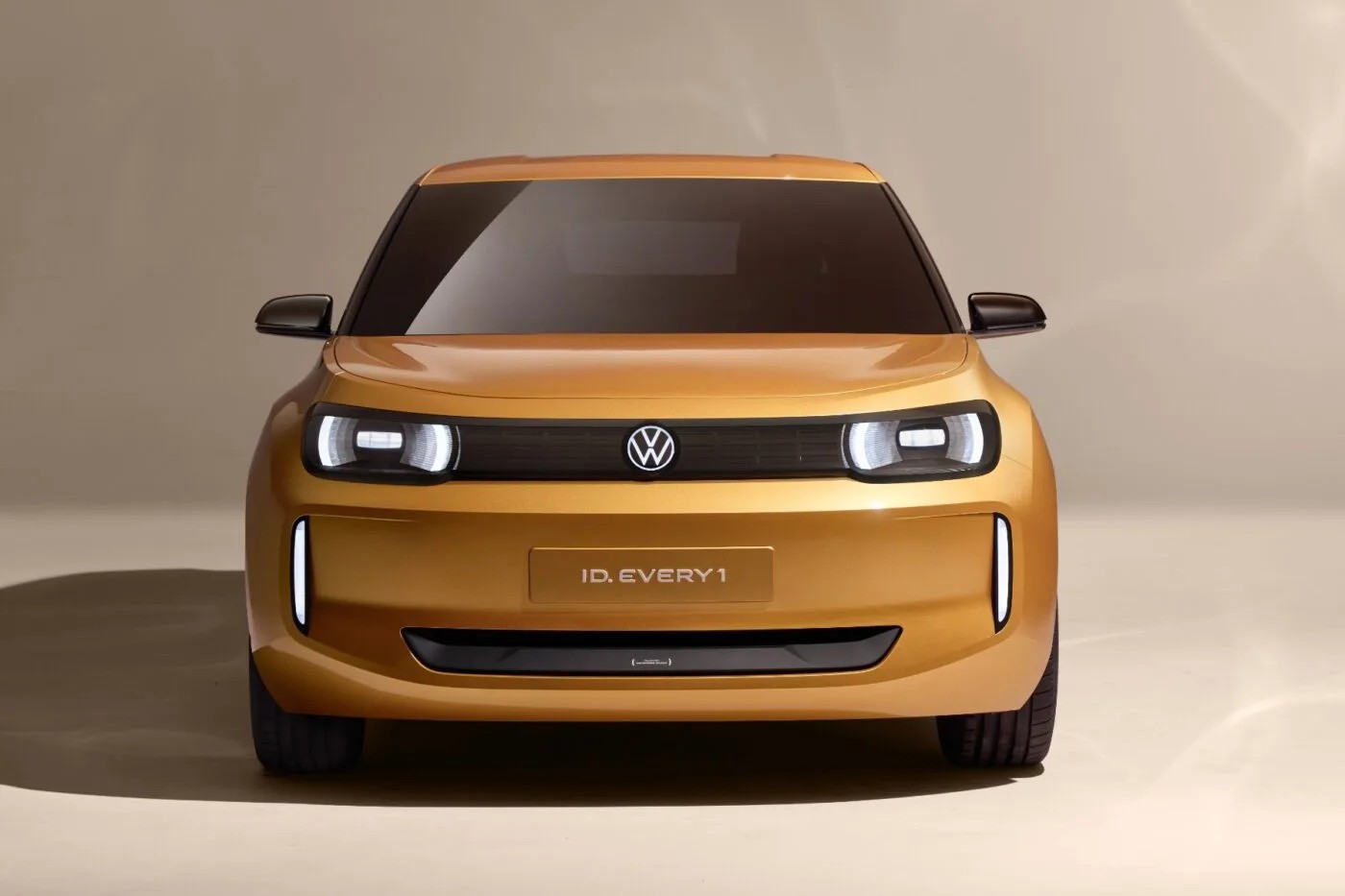
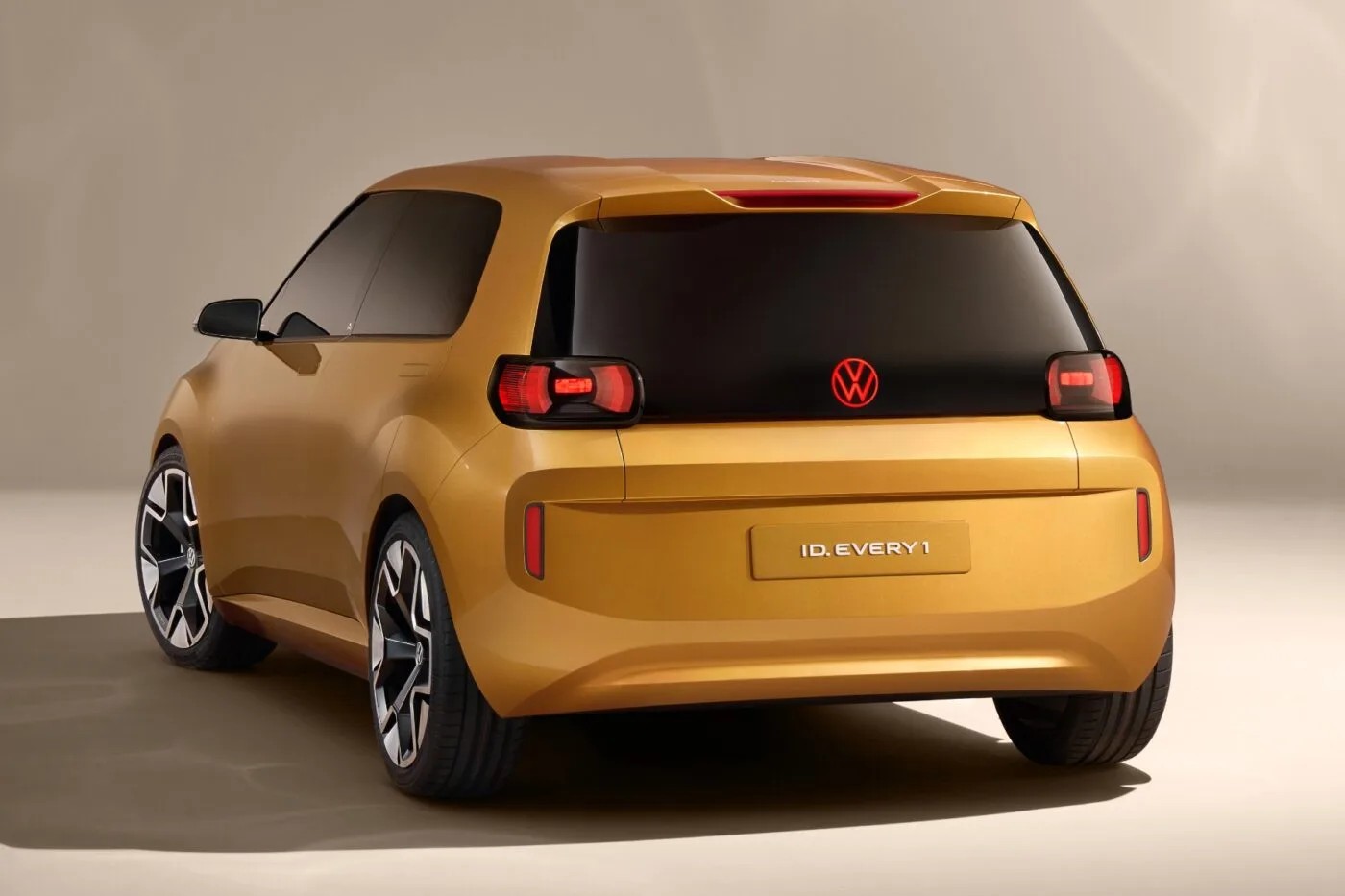
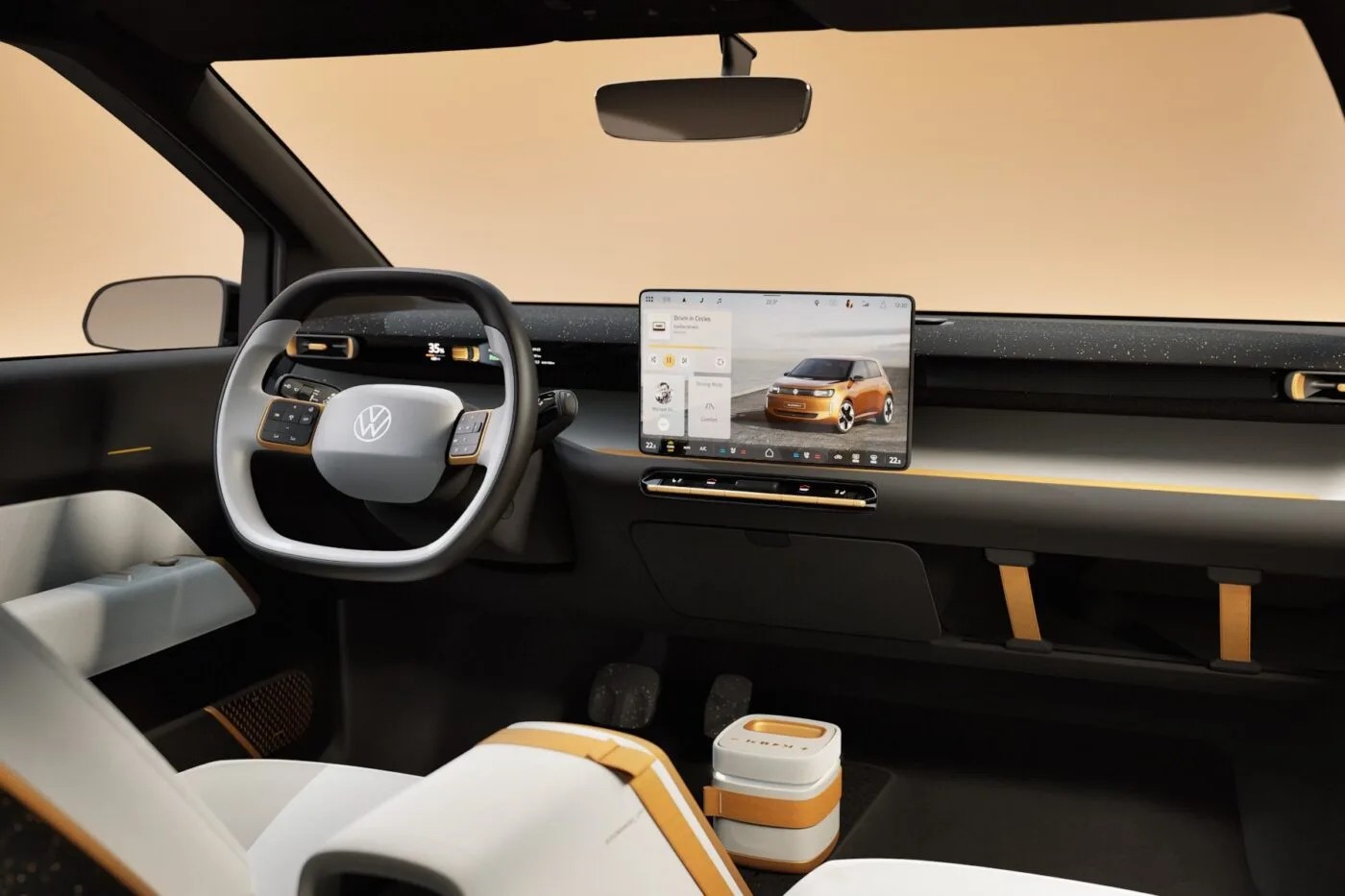
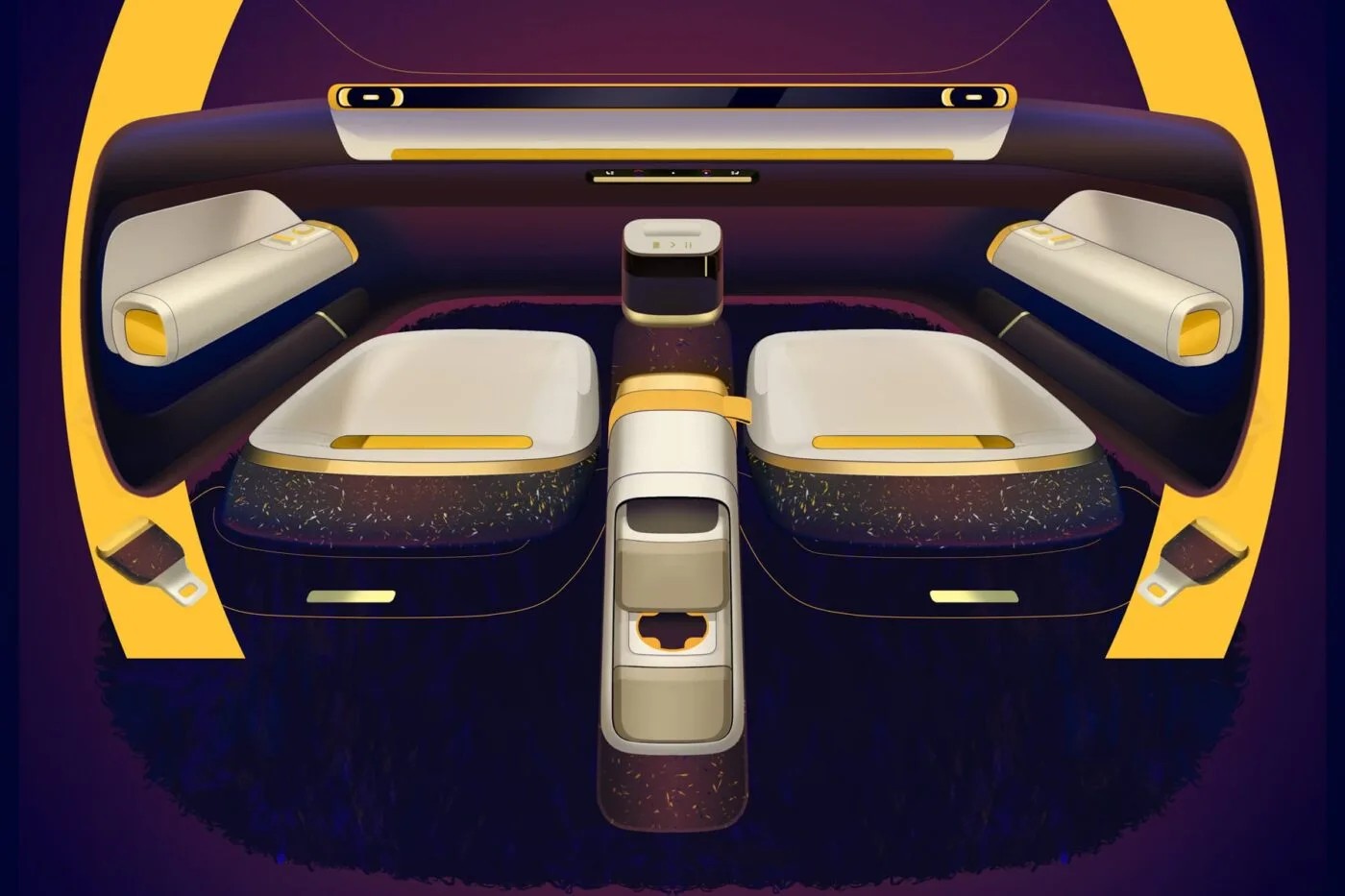
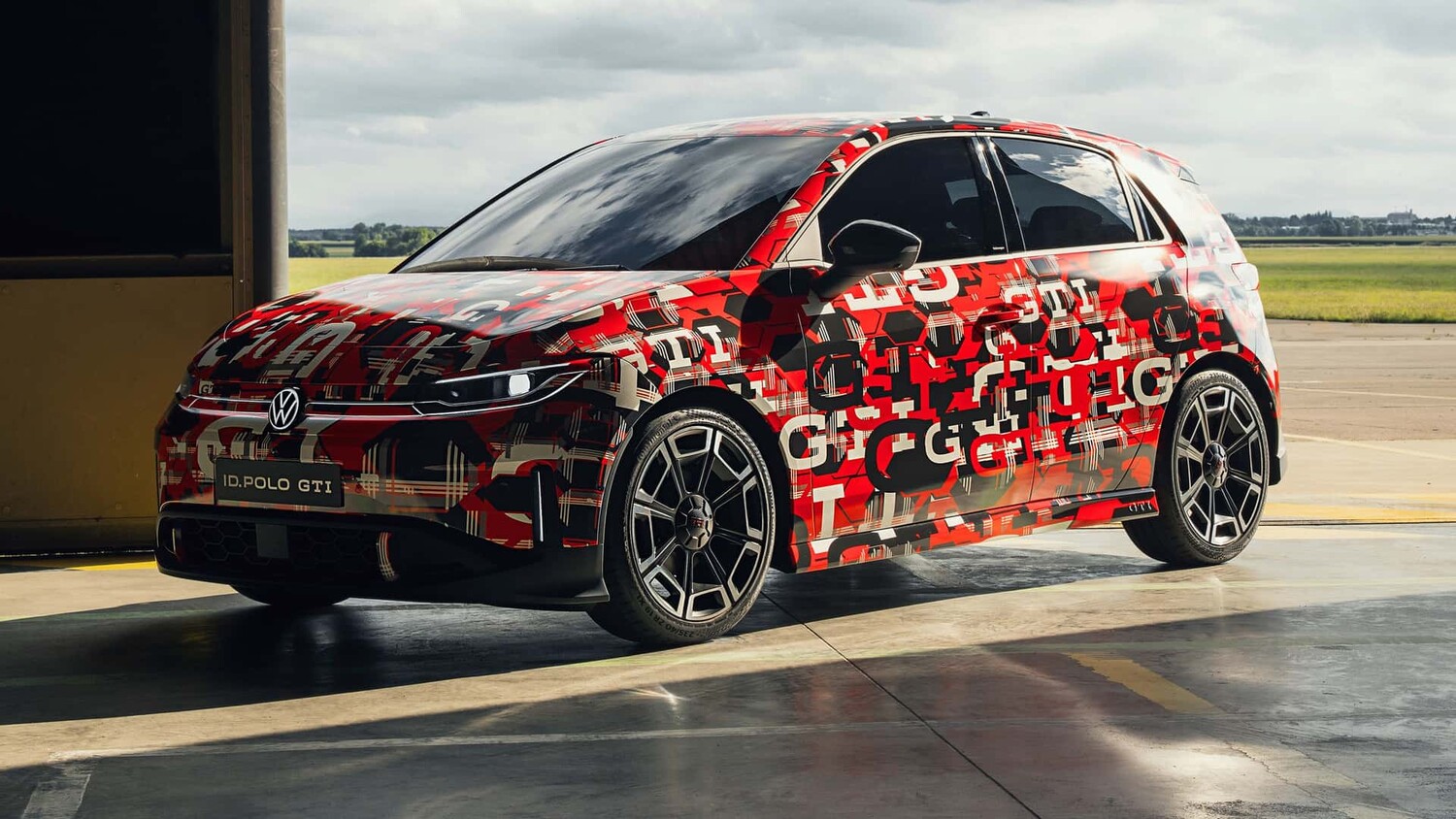
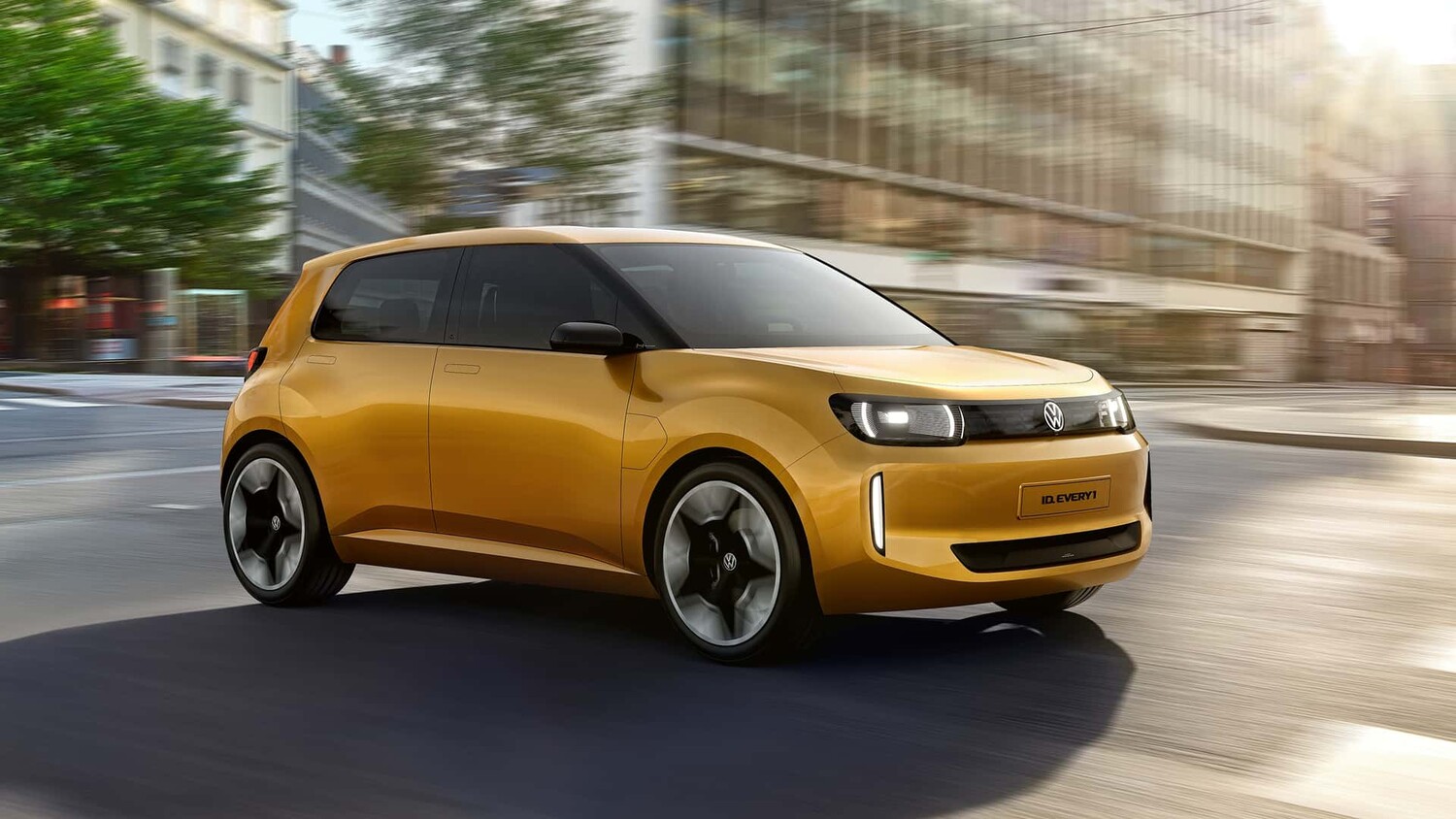
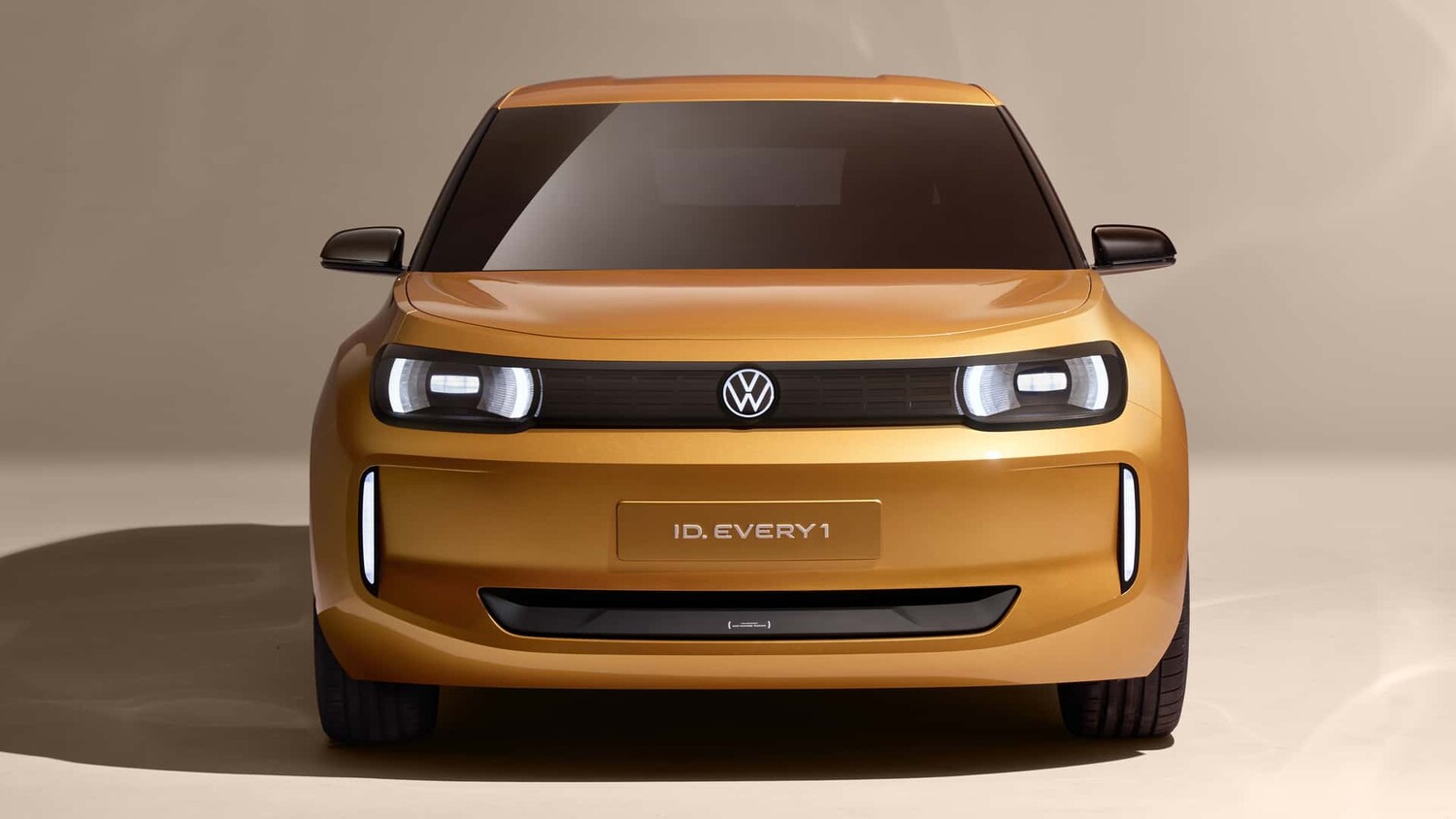
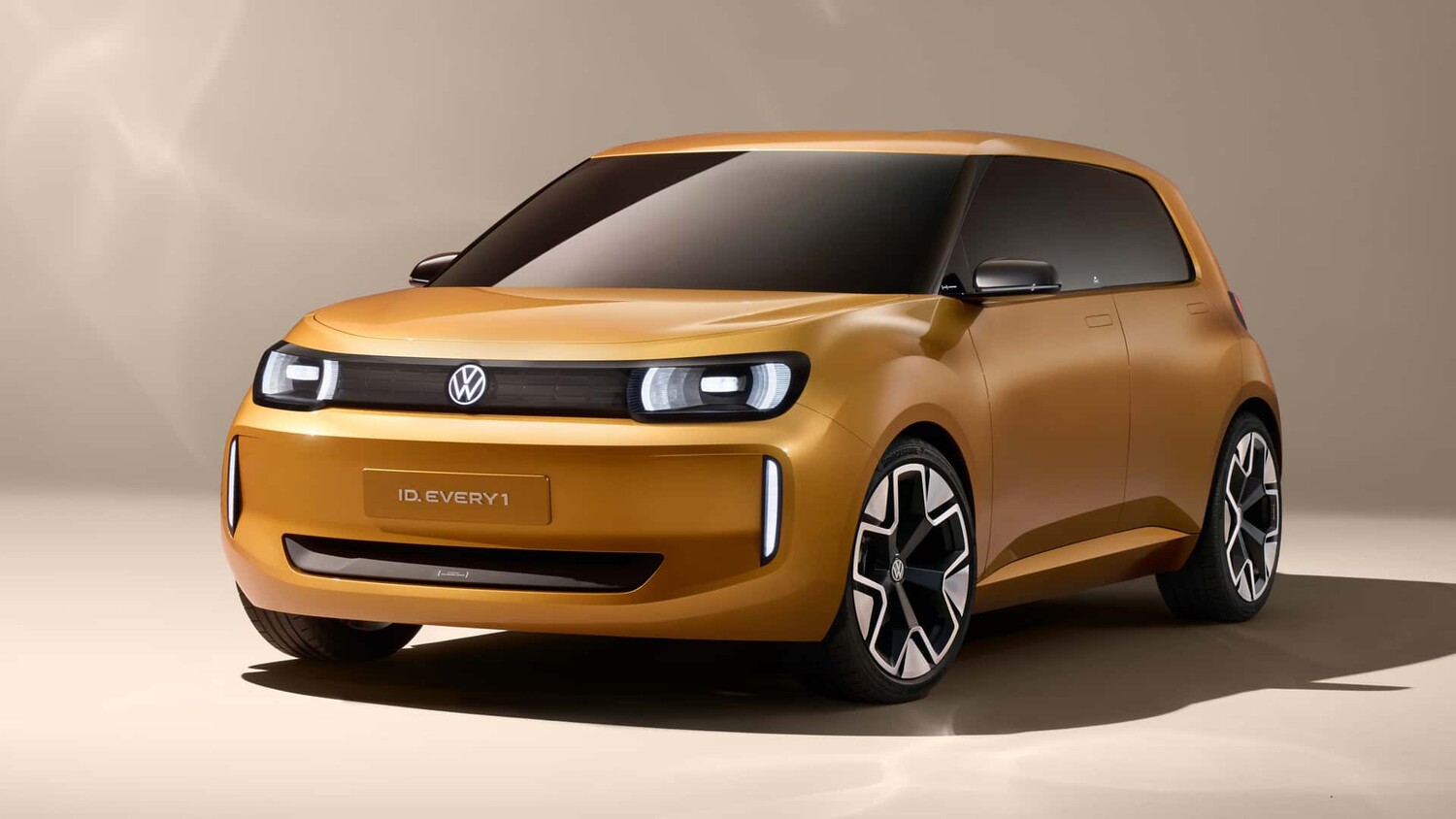
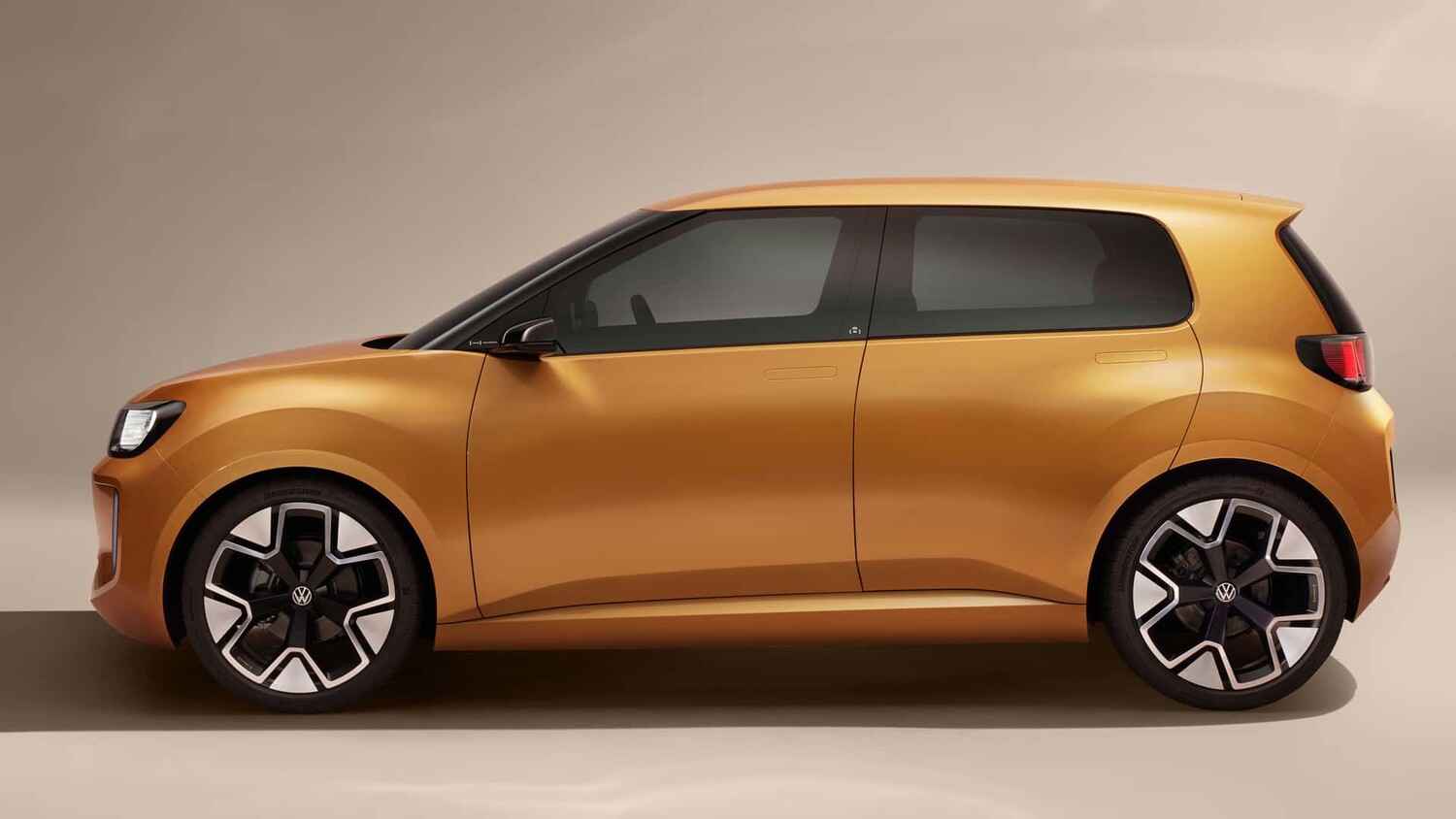
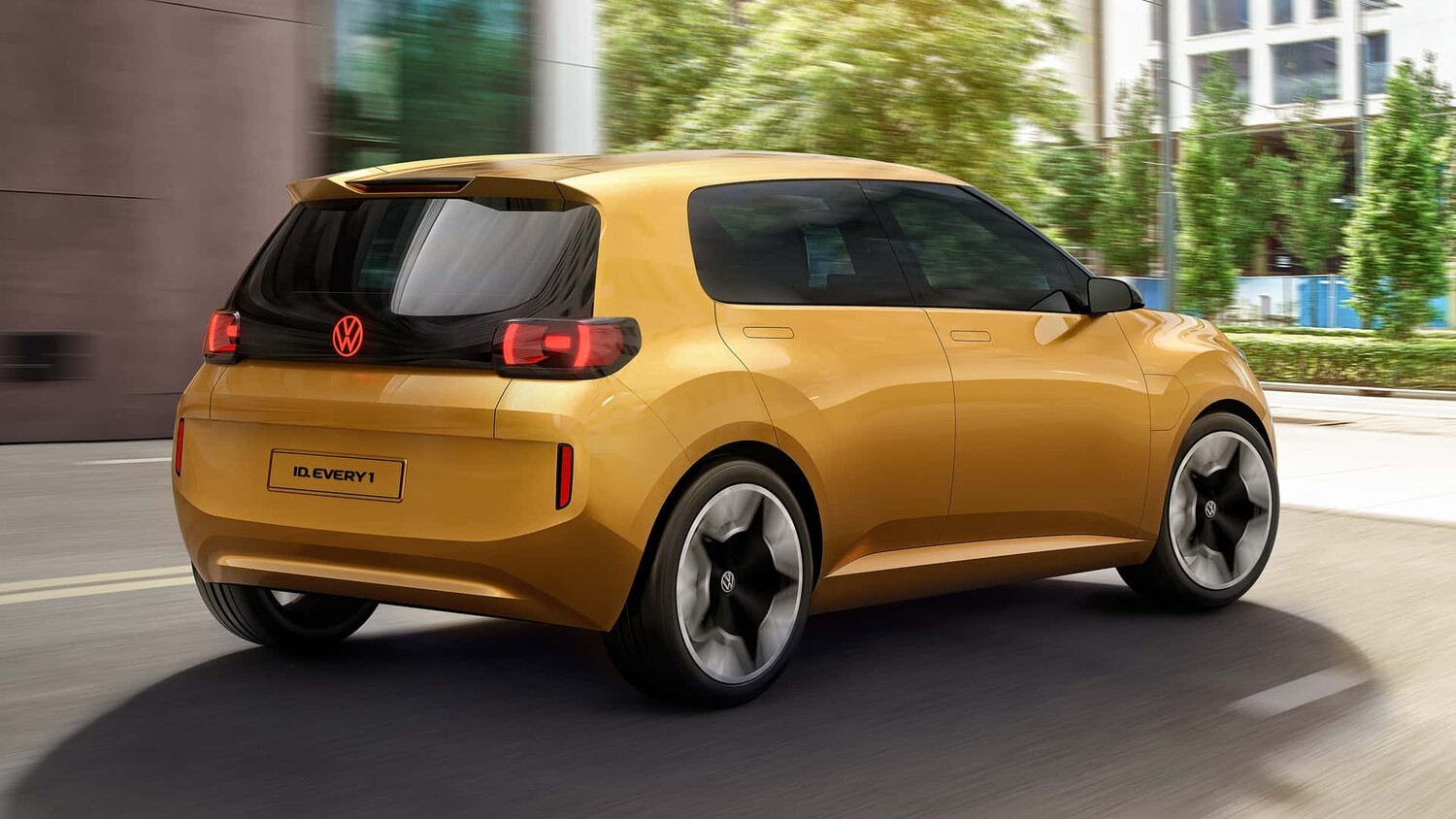
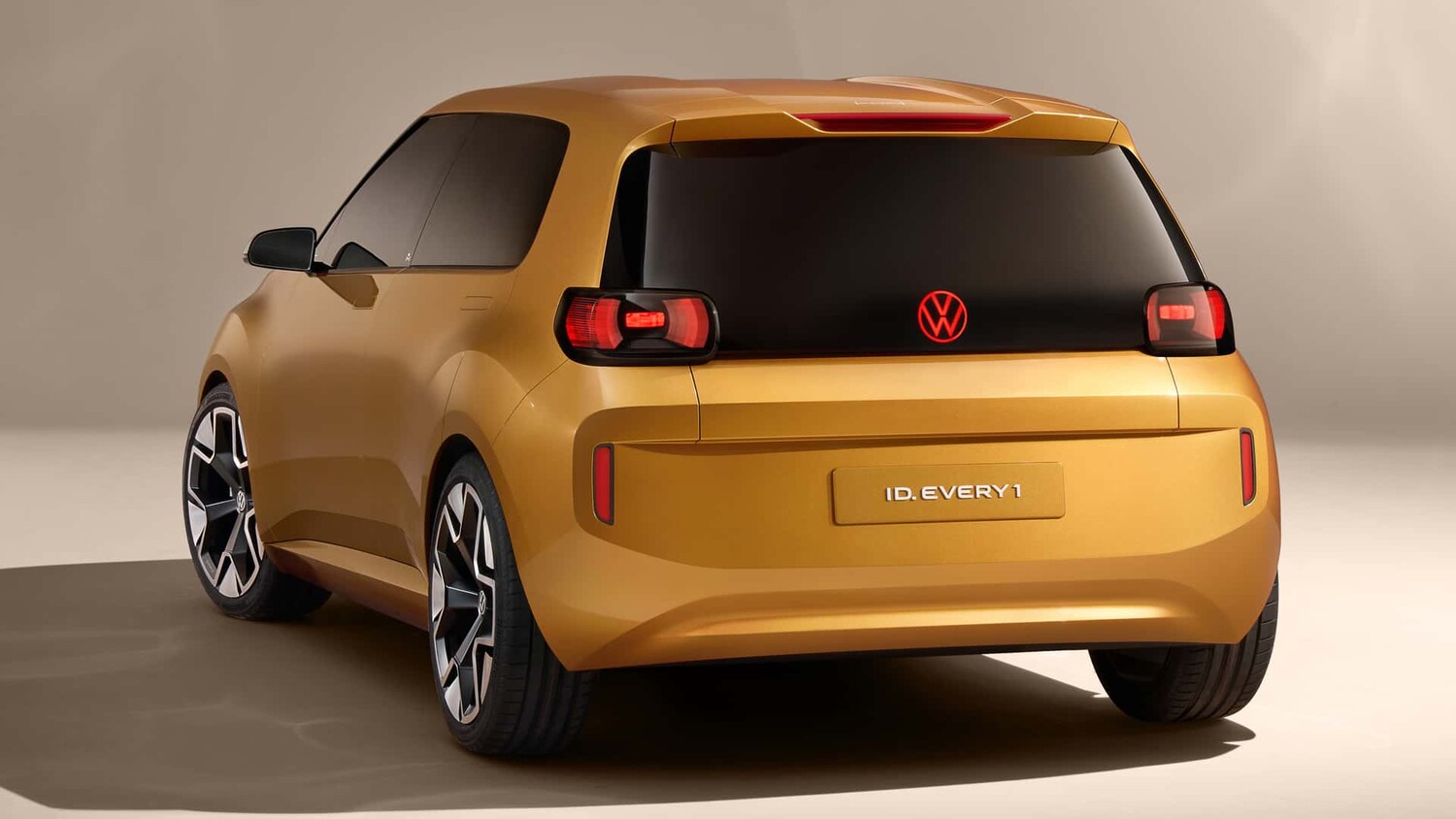
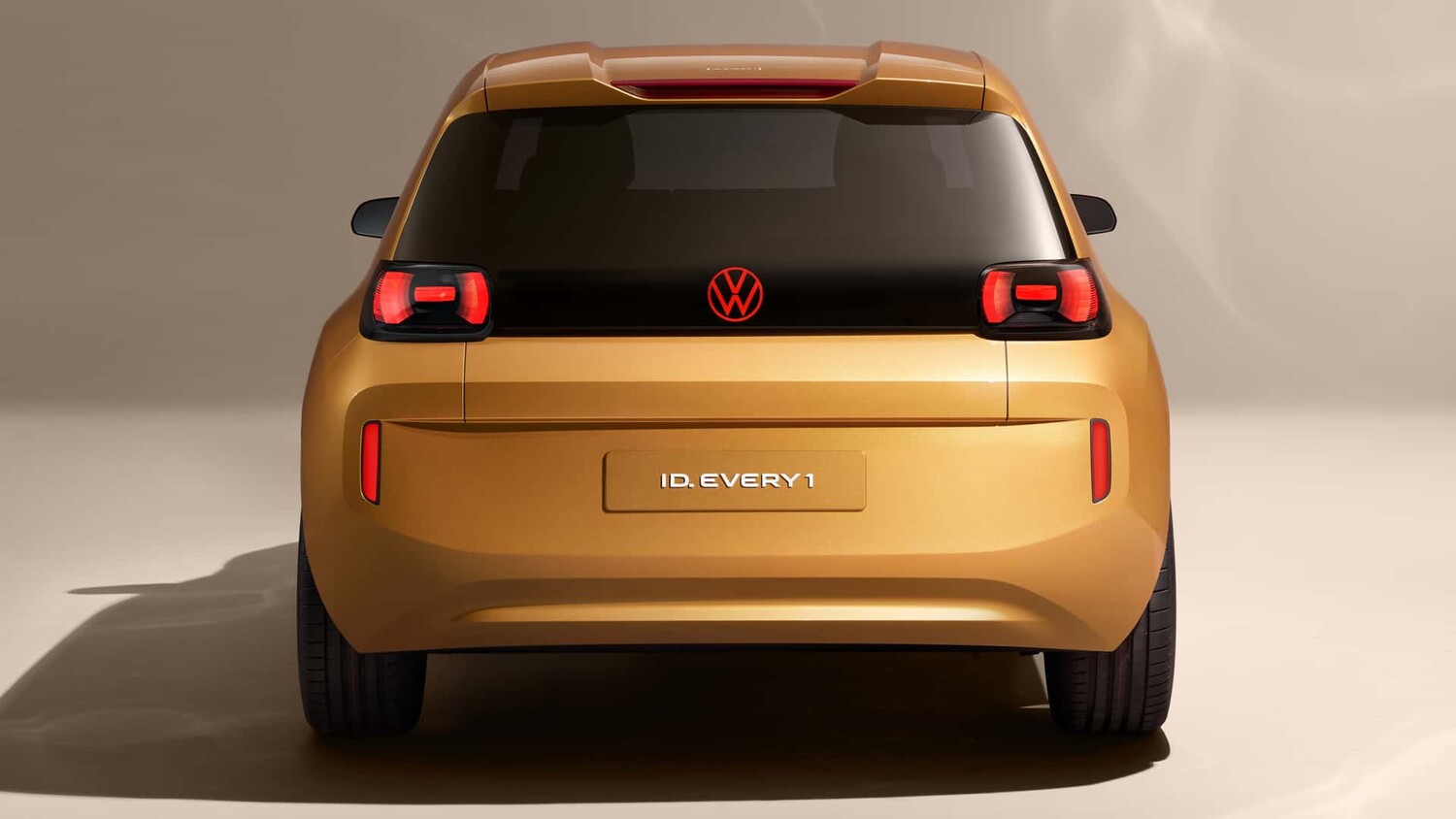
It’s already well-known that VW plans to launch an electric compact car in 2027. First unveiled in spring 2025, the VW ID. EVERY1 concept, provided an initial glimpse of Volkswagen’s intentions. The upcoming production version was long referred to as the ID.1 – analogous to the ID.3, ID.4, ID.5, and ID.7. However, since the debut of the ID. Polo and the ID. Tiguan, it has become clear that VW is returning to traditional model names. The company’s application to secure the trademark for ‘ID. UP‘ with the EUIPO, filed on 22 October 2026, aligns with this shift. Can we therefore assume that VW’s upcoming electric compact car will be called the ID. UP? Most likely, yes – but without a guarantee. From a marketing perspective, the return to familiar model names makes sense. While the name ‘UP’ has a shorter history than, say, ‘Lupo’ – a name also reportedly under consideration at Volkswagen – the ‘UP’ name fits a new electric model far better. Thanks to the e-Up, which was discontinued in 2023, the name already carries electric associations. The small Lupo, available from 1998 to 2005, remains in memory as a pure internal combustion model. According to a report by Portuguese magazine Razão Automóvel, the first pre-series vehicles of the future electric compact car have already rolled off the production line at Volkswagen’s Autoeuropa plant in Palmela. The production run is intended to test new tools, assembly processes, work steps, and cycle times on the production line. The magazine reports that pre-production proceeded without issues and within internal specifications. Regular series production of the car is set to begin in the final quarter of 2027. Volkswagen deliberately chose the Palmela site due to the plant’s high cost efficiency, which is crucial for achieving the planned starting price of under €20,000. In production, the ID. UP will share the assembly line with the T-Roc. This shared line will allow the plant to flexibly adjust production volumes for both models based on demand and fully utilise its capacity of up to 1,000 vehicles per day. ID. EVERY1 concept and ID. Polo serve as technical benchmarks Technically, the ID. UP will be the first series model from the VW Group to use the electronics and software architecture co-developed with US manufacturer Rivian. This architecture requires significantly fewer control units and enables new functions to be added to the vehicle via over-the-air (OTA) updates even after delivery. Visually, the ID. UP is expected to closely resemble the ID. EVERY1 concept. The ID. EVERY1 concept is also likely to provide the key specifications for the production model: at 3.88 metres in length, the future compact car will sit between the previous Up (3.60 metres) and the ID. Polo (4.05 metres). Thanks to the advanced MEB+ platform with front-wheel drive, the four-seater will still offer 305 litres of boot space. The concept is powered by a 70 kW electric motor at the front axle, enabling a top speed of 130 km/h. The range is expected to be at least 250 km under WLTP conditions. Volkswagen has not yet released official figures for battery size or charging times. The most likely candidate is the new 37-kWh LFP battery from the base ID. Polo or a slightly smaller variant to keep the price below €20,000. A smaller battery capacity would also explain the lower range of 250 km – by comparison, the larger ID. Polo is expected to achieve up to 329 km on a 37-kWh battery under WLTP. At a DC fast charger, it charges at up to 90 kW, requiring around 27 minutes to go from 10 to 80 per cent.

 Liked by Nathan Wright, Olivia Leblanc










 Liked by Nathan Wright, Olivia Leblanc