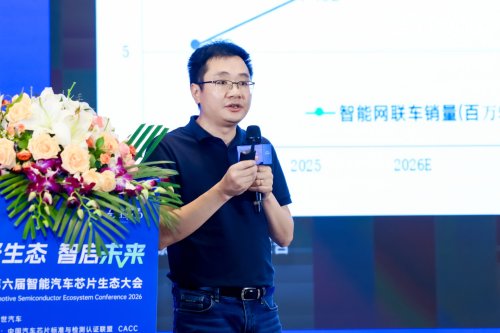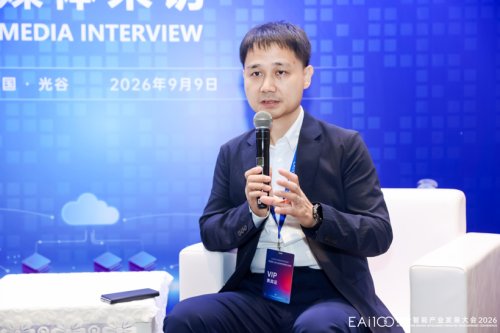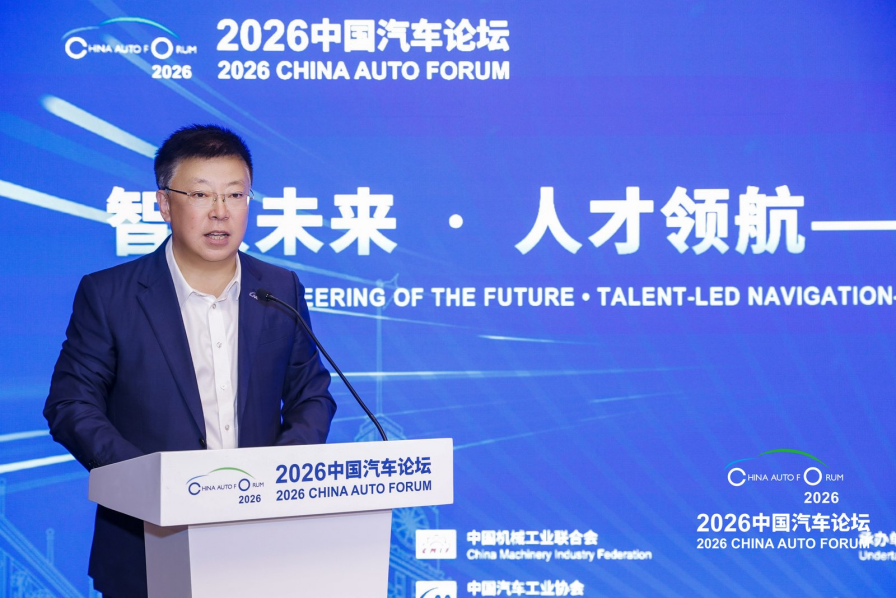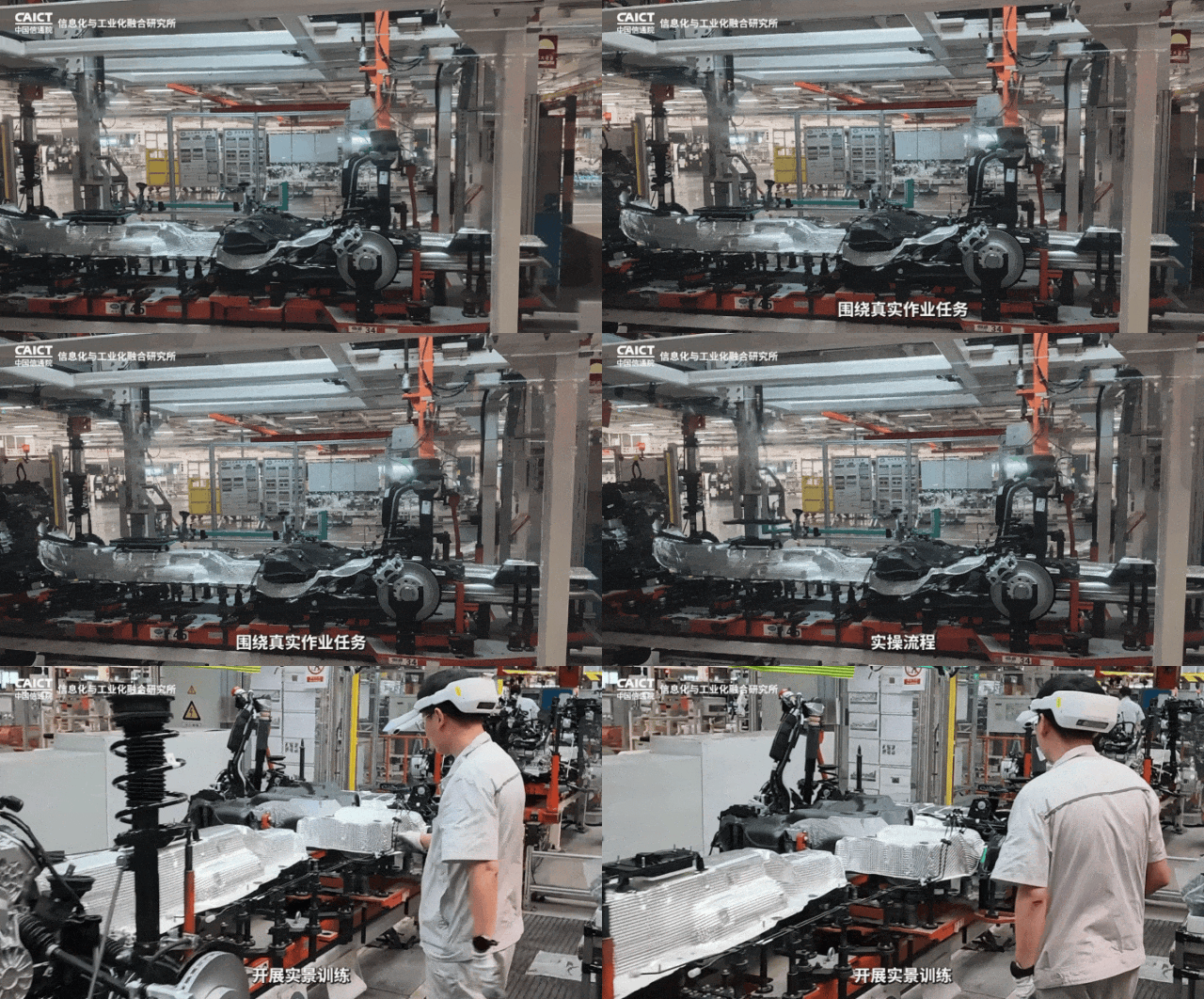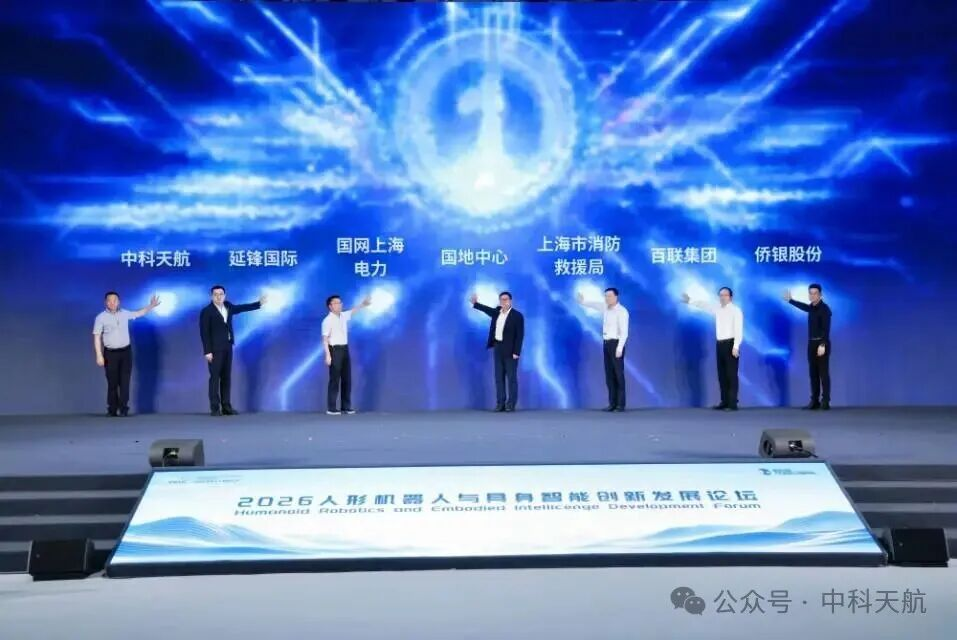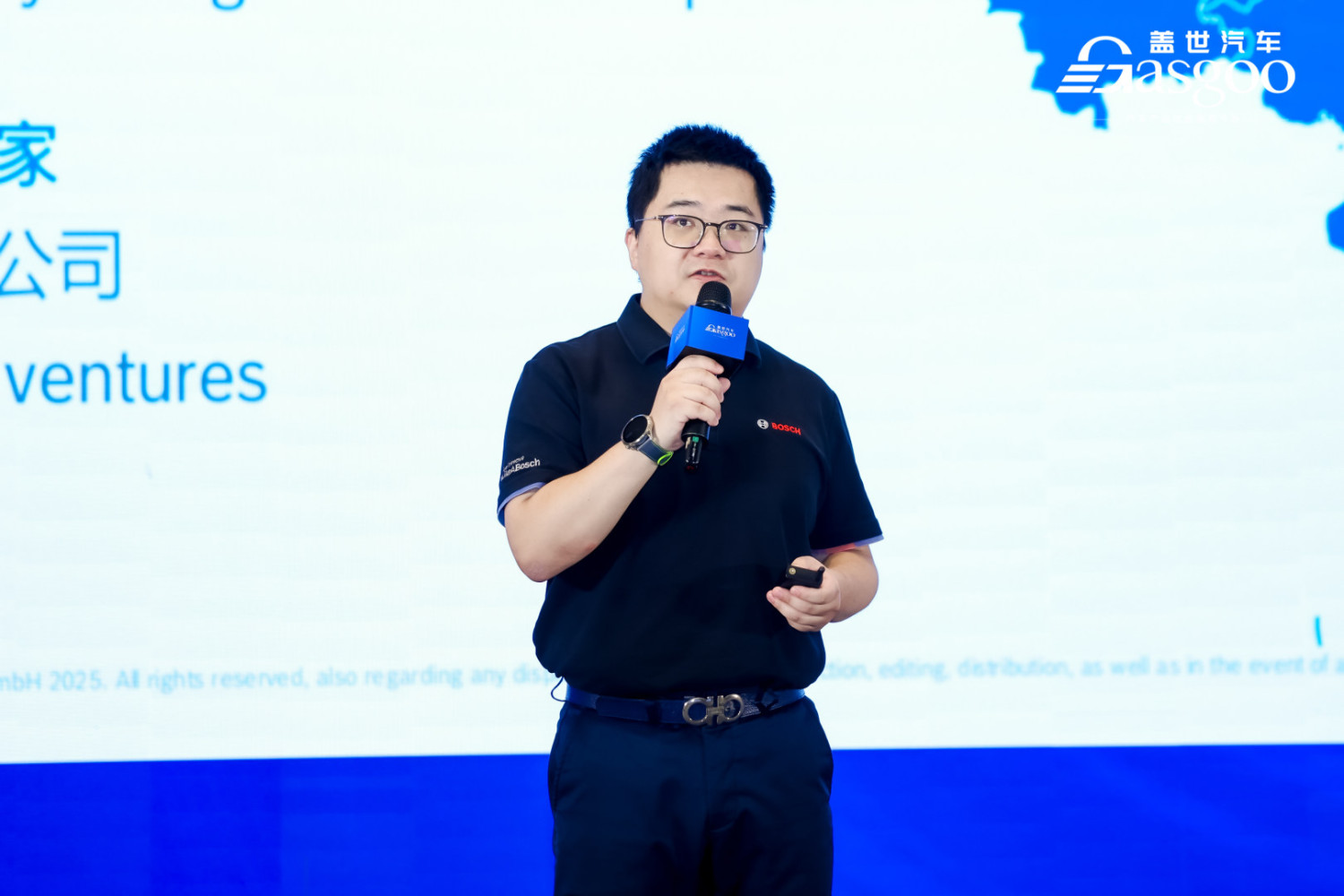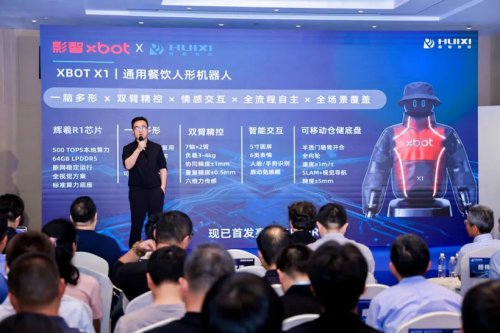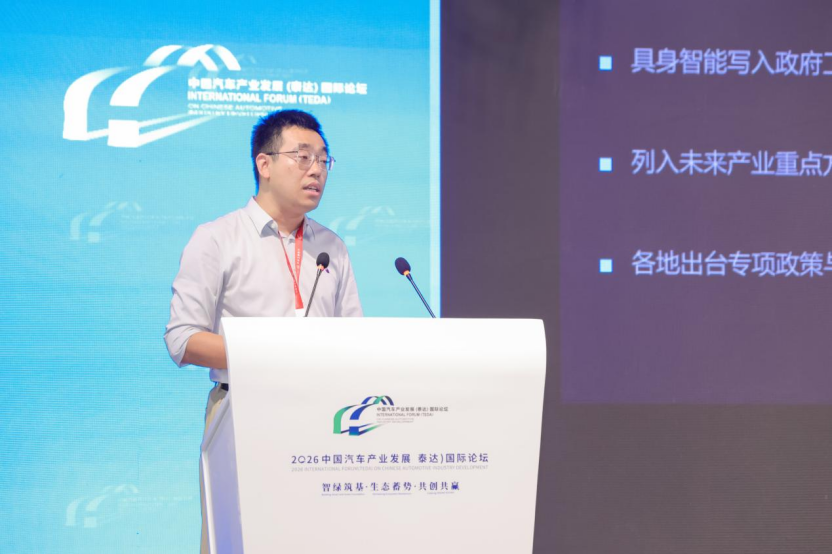



















Gasgoo Munich- On Sept. 18, the 2026 International Forum (TEDA) On Chinese Automotive Industry Development hosted a special session on the "New Track of Embodied Intelligence." Chen Chao, co-founder and chief ecology officer of Suzhou Tsing-standard Automotive Technology Co., Ltd. (Tsing Standard), delivered a keynote address. He argued that the industrialization of embodied intelligence should prioritize industrial roles characterized by simple movements and harsh environments. By borrowing the auto industry's mature verification systems and adopting a "Robot-in-the-Loop" (RIL) model, the sector can bridge the final gap to getting robots onto factory floors.Image Source: 2026 TEDA ForumChen Chao believes that while autonomous driving—a mobile intelligent agent that has already achieved a commercial closed loop—offers transferable lessons for embodied robots, the latter face higher technical hurdles. Robots must engage in physical contact with objects, requiring complex force control. For embodied intelligence to take off right now, three commercial prerequisites must be met: the end-user must have the budget and intent to buy; the robot must keep pace with the production line and meet safety standards; and it must not displace jobs that humans prefer to do. Automotive manufacturing tasks such as power battery DCR high-voltage testing, wire harness taping, and rain strip installation during final assembly are prime candidates. These roles suffer from labor shortages and poor working conditions, making them ideal scenarios for robotic intervention.Drawing on the auto industry's "Hardware-in-the-Loop" (HIL) concept, Chen proposed a Robot-in-the-Loop (RIL) verification framework. Robots cannot remain mere demonstrations; in industrial settings, they must satisfy four key requirements: adaptation to real tasks, controllable operation, traceable faults, and replicable capabilities. Establishing a unified, objective evaluation standard for both suppliers and buyers is essential to eliminate subjective judgment.Tsing Standard positions itself as an industry bridge rather than a manufacturer of robot bodies. The company is building a hybrid verification environment that blends virtual and physical realms—akin to a "vocational school" for robots—to achieve a closed loop of "guaranteed learning, mastery, and placement." "Guaranteed learning" involves algorithm and real-machine training; "guaranteed mastery" uses mixed virtual-physical testing for standardized assessment; and "guaranteed placement" connects robots with specific needs on the factory floor. The company also acts as a translator, converting the vague operational requirements of factories into technical language that robotics companies can understand.In Chen's view, the verification and testing methodologies refined by the automotive industry need not be copied wholesale, but their underlying logic holds immense value for the embodied intelligence sector. Achieving the batch deployment of robots in industrial scenarios will require multi-party collaboration.