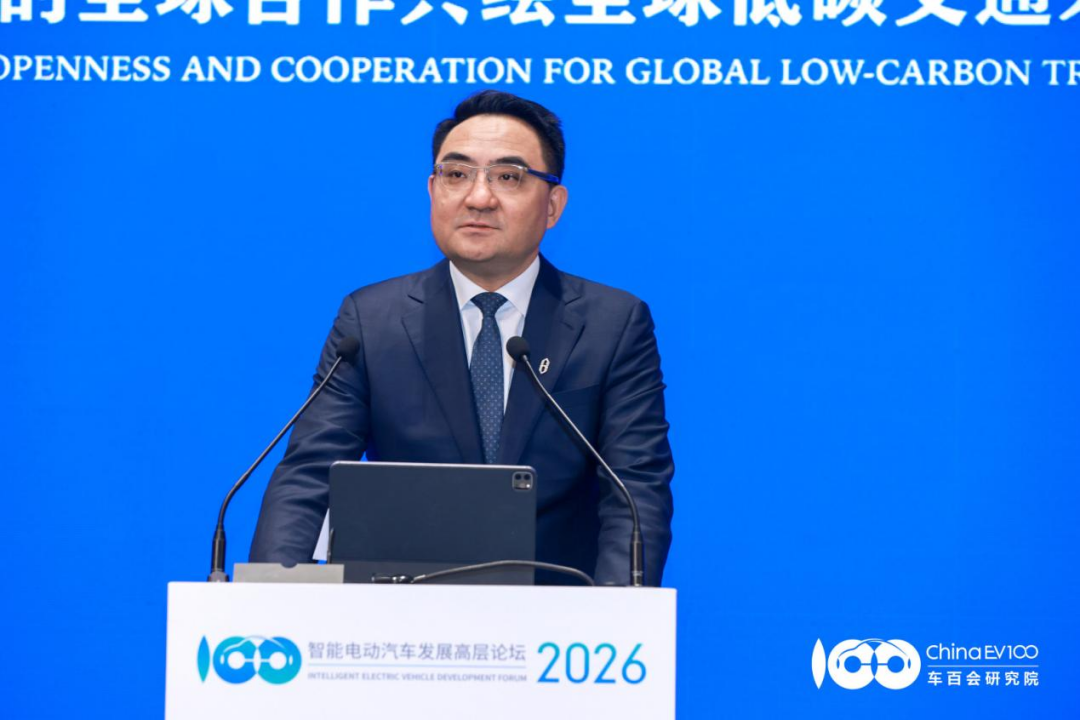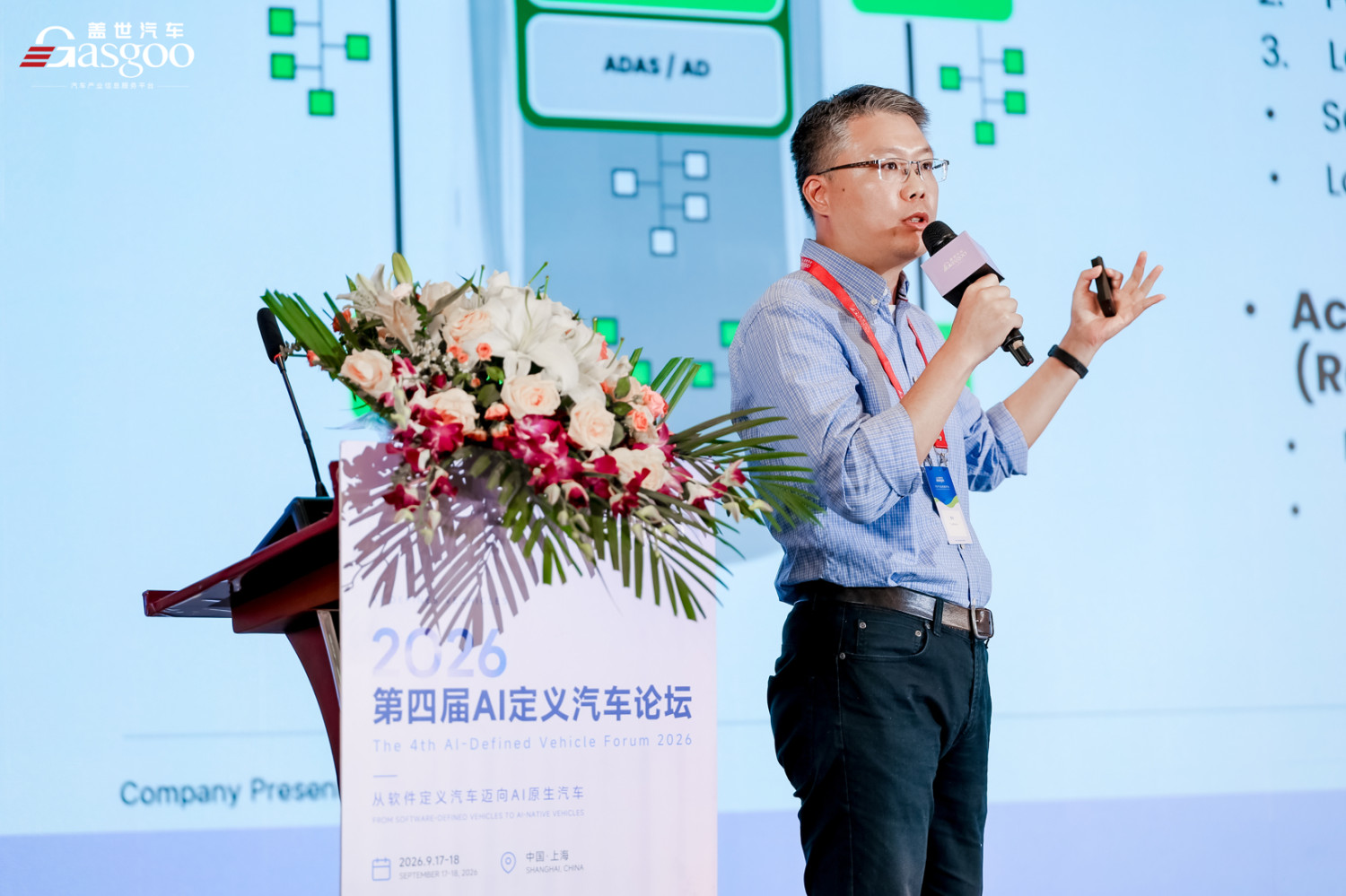






















Gasgoo Munich- "Centralizing software doesn't solve everything; the real challenges are just beginning."Fu Shen, TrustMotion's chief system architect, spoke at the 4th AI-Defined Vehicle Forum on September 17. He stated that the shift from domain-based to centralized computing is driving software-defined vehicles into a deeper phase of architectural reconstruction.Formerly known as TTTech Auto, the company was acquired by NXP in June 2025 and officially rebranded as TrustMotion on April 30, 2026.Fu Shen argues that traditional domain architectures still suffer from tight coupling between software and hardware. When automakers manage multiple platforms, shifting architectures forces them to redeploy software functions and reintegrate systems. This fails to address the core issues that software-defined vehicles (SDV) aim to resolve.A more radical approach concentrates software and control logic into a central computing platform. It "thins out" zone controllers to handle stable tasks like I/O expansion, zoning, and power distribution. This not only boosts hardware and software reuse but also streamlines over-the-air (OTA) updates around the central hub.Yet centralization brings its own set of systemic challenges, Fu Shen warns.On one hand, consolidating control logic once scattered across various ECUs lengthens the link between the central controller and the actuators. This makes it difficult to maintain millisecond-level real-time performance; on the other, running hundreds or thousands of applications on a single platform creates a complex scheduling challenge. Developers must prioritize tasks and prevent resource conflicts. They must also isolate software with different safety ratings. These are problems that a single chip or operating system can no longer solve alone."The real issue is whether the timing behavior of all tasks can be predicted."Instead of endlessly tweaking specific tasks or links late in development, Fu Shen advocates for a more effective method: factoring in task latency, resource needs, and end-to-end links during the system design phase. This allows engineers to use system-level scheduling to verify early on whether the architecture is up to the task.This is the path TrustMotion is pursuing. Its MotionWise platform uses time-aware and time-triggered mechanisms to plan and schedule tasks during the design phase, boosting determinism in complex central computing architectures. Public data shows MotionWise can handle time-triggered, event-driven, and data-driven tasks simultaneously, using global scheduling to span multi-SoC, multi-core, and distributed computing environments.As automotive architecture shifts from distributed to centralized, the competitive landscape is changing too: "Loading software onto a central platform is just step one. The real challenge for centralization is ensuring that software runs stably and predictably."