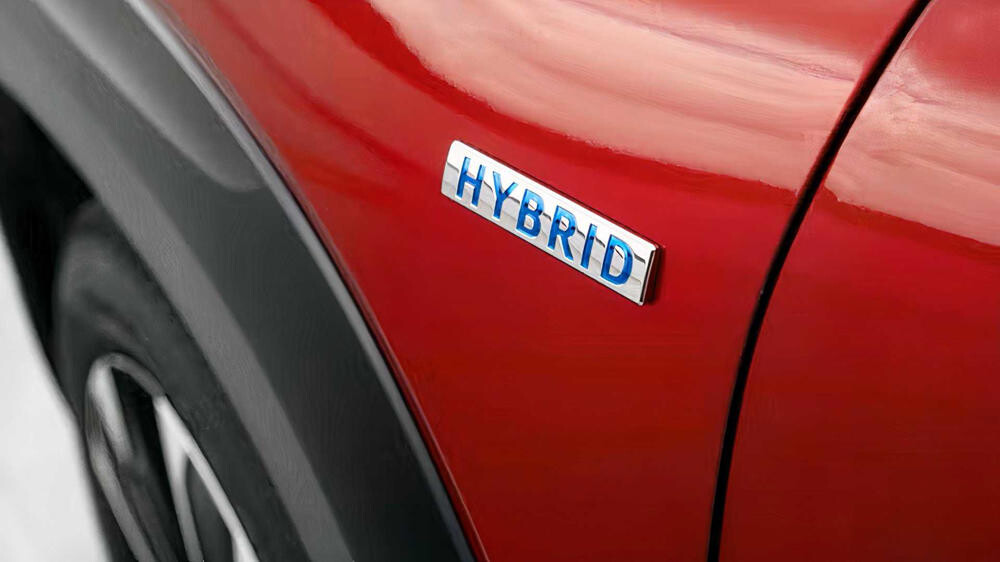
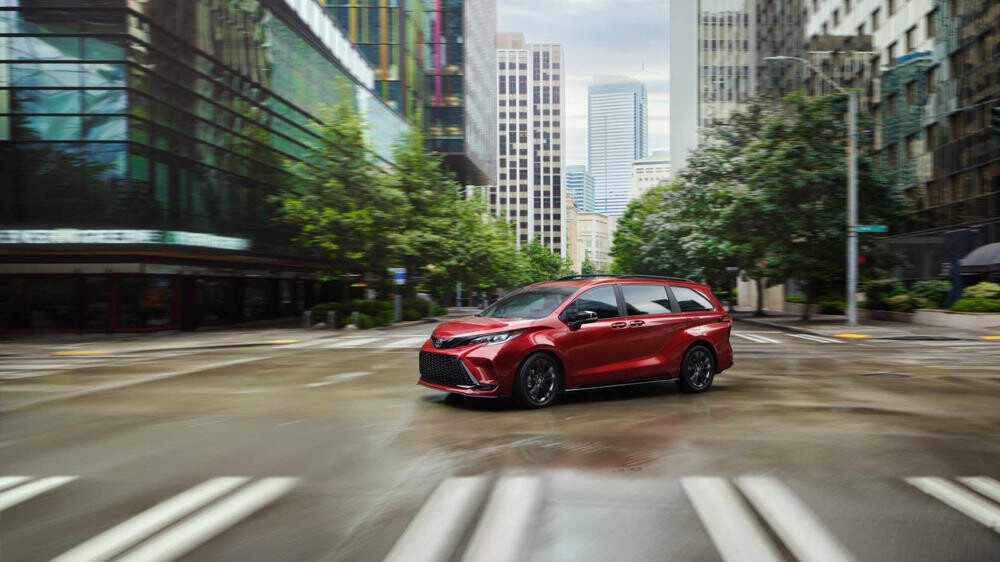
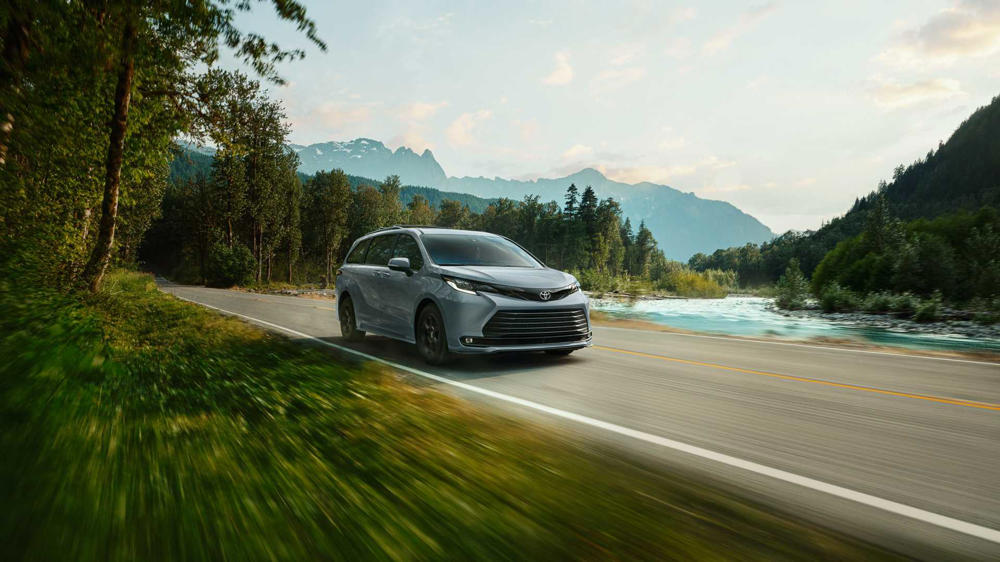
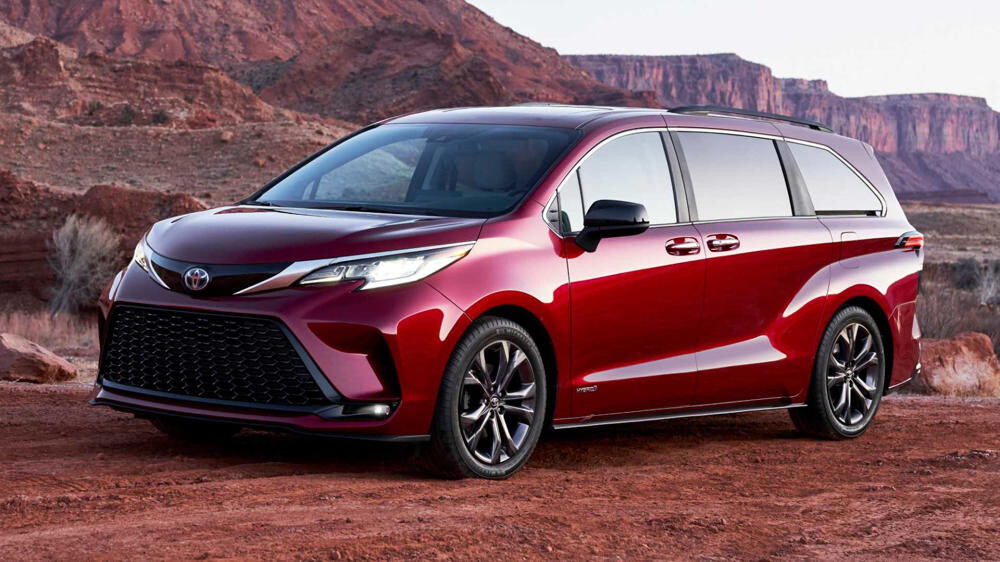
When an automaker briefs us on an updated vehicle, we usually get a presentation from the marketing folks. For the 2027 Toyota Sienna, it was the engineers who did all the talking. None of the changes to Toyota's minivan are flashy or shiny, and most will be invisible to anyone who doesn't drive a 2021–'26 Sienna, but they do address what we think are this van's biggest shortcomings. A day of whizzing around Southeastern Michigan demonstrated that they make the 2027 Toyota Sienna better—and potentially cheaper—to drive. New Hybrid Drivetrain Has Mercy on Your Ears The headline change, for the engineers at least, is that the Sienna is the first Toyota model to get the sixth-generation hybrid drivetrain, which made its debut on the 2026 Lexus ES sedan. (The Sienna has been hybrid-only since 2021.) Although it attaches to the same 2.5-liter engine as last year, the new hybrid system is lighter, more compact, and slightly more powerful than the one it replaces. More important, it gets a lithium-ion (Li-ion) battery in place of the old nickel-metal-hydride (NiMH) unit. Not only are Li-ion batteries smaller, but the hybrid system can draw more power from them, increasing the hybrid system's electrical kick. You can feel the change from behind the wheel, at least if you drive it back to back with the outgoing version of the Sienna, which Toyota made sure we did. When merging onto the expressway in the old Sienna, the engine screams its lungs out. In the new Sienna, there's more thrust and less noise. That's electrically derived torque we're feeling. Toyota The Sienna's noise issues are further improved by a new sound-insulated dashboard pad that reduces noise by 1 decibel. The engine is still working just as hard—one of the trade secrets of Toyota's hybrid systems, new and old, is that they run the engine in a very narrow rpm band where its most efficient—but the quality of the noise is better, with reductions in the higher frequencies that make your eardrums feel like they're under attack. Owners of the 2027 Sienna should also get some relief at the gas pumps. EPA ratings for the 2026 Sienna are 36 mpg combined for the front-wheel-drive version and 35 for the all-wheel-driver, which are good numbers for a box on wheels. But it gets even better for 2027: Toyota expects EPA ratings of 39 (!) mpg city, 35 mpg highway, and 37 mpg combined—and that's for both front- and all-wheel-drive variants. Better Braking, Better Software The second most noticeable change is in the braking. Like most hybrids, the Sienna automatically blends regenerative (electrical) and friction braking. In the last Sienna, it could be difficult to stop smoothly; as the car neared a stop and the regenerative system tagged out, the system compensated with a sudden rush of friction braking. Toyota has fitted a new brake controller to the 2027 Sienna, and the pedal travel is shorter and firmer. At first, the braking action feels sharper and more abrupt—it takes a gentler foot to slow smoothly—but the feel stays consistent as the Sienna comes to a stop, which makes deceleration easier to modulate. Toyota Toyota staffers told us we should be able to feel reduced parking-lot steering effort and flatter cornering due to some chassis tweaks, but driving the new and old Siennas back to back, we didn't notice much of a difference. That's not the worst thing; one of the aspects we most like about the 2021–26 Sienna is the blend of a comfortable ride and responsive emergency handling. Along with the new hybrid system comes a new software back end, and that, too, has several tangible advantages. The Sienna's driver and central dashboard displays both now run Toyota's latest software. All models get the bigger 12.3-inch center display as standard, whereas rental-spec and deep-discount Siennas used to get a smaller 8.0-inch screen. Some functions, such as changing the driver's display, can now be done with a single button-push rather than going through a menu. Those buttons are mounted in a new steering wheel, which is affixed to a new steering column. Sienna's Invisible Co-Pilot The Sienna gets the latest version of Toyota's Safety Sense package of driver aids (advancing from version 2.5 up to 4.0). One of the new features is Proactive Drive Assist, or PDA, which works a bit like cruise control even when cruise control isn't engaged. If you're cruising along with your feet off the pedals and traffic ahead begins to slow down, PDA will start to gently slow the car. Toyota While some might recoil in horror at the idea of a car doing any of its own driving, we found the system to be quite intuitive; it braked right about the time we thought of doing it ourselves. The system isn't designed to bring the car to a full stop (though if the driver doesn't hit the brakes, the collision-avoidance system will, albeit none too gently), but it makes a nice little co-pilot, especially if you're hauling a van full of children; as all parents know, it's easy to become distracted. The new software also brings an improved lane centering system, though this is a mixed blessing. When cruise control and lane keeping assist are engaged, the 2027 Sienna does a better job of keeping itself centered in the lane, whereas the outgoing Sienna can hunt a bit. The new Sienna tracks straight and true, but this is meant to be a hands-on system, and it still doesn't guide the Sienna down the road with as much authority as the Highway Driving Assist system on Kia's competing Carnival minivan. Is This the Sienna That Beats the Odyssey? The Sienna has long held second place in our minivan rankings, behind the Honda Odyssey. If you read the pros and cons in our 2026 Toyota Sienna review, you'll see this update addresses two of our cons: loud engine under part throttle and aging safety technology. Our third con is less power than its rivals, and while the numbers only change a little (the new powertrain delivers 6 more horsepower), the improved midrange punch goes a long way toward fixing that. We'll evaluate the objective improvements when we get a '27 Sienna in for instrumented testing. Toyota Also, the new Sienna's city fuel-economy figure is now more than double that of the Honda Odyssey and the No. 3–ranked Chrysler Pacifica. Two school runs for the price of one? Yeah, we'll take that. The 2027 Sienna has no changes worth mentioning above the floor and aft of the steering wheel, and that's a good thing; we've never had many complaints regarding the Sienna's accommodations or amenities. The marketing folks might have insisted on new quilted-quasi-leather or wireless magnetic shaving outlets (you never know when a kid'll hit puberty on the ride to a soccer game), so we're pleased this update was left to the engineers. All that remains to learn is pricing, which should be announced closer to the end of the year. Toyota tells us it won't change much compared to the current Sienna, however.

 Liked by Victoria Smith, Victoria Hill




 Liked by Victoria Smith, Victoria Hill