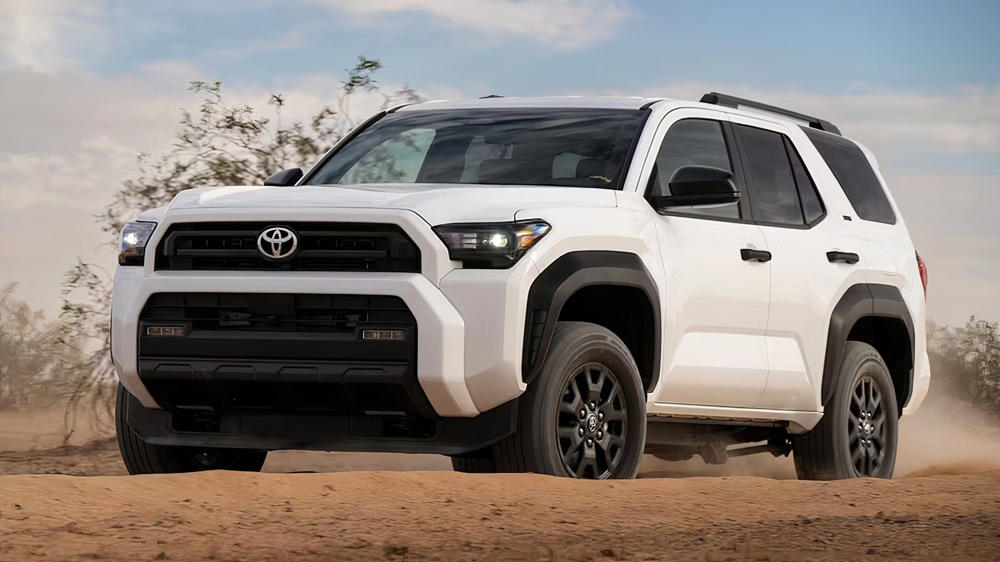
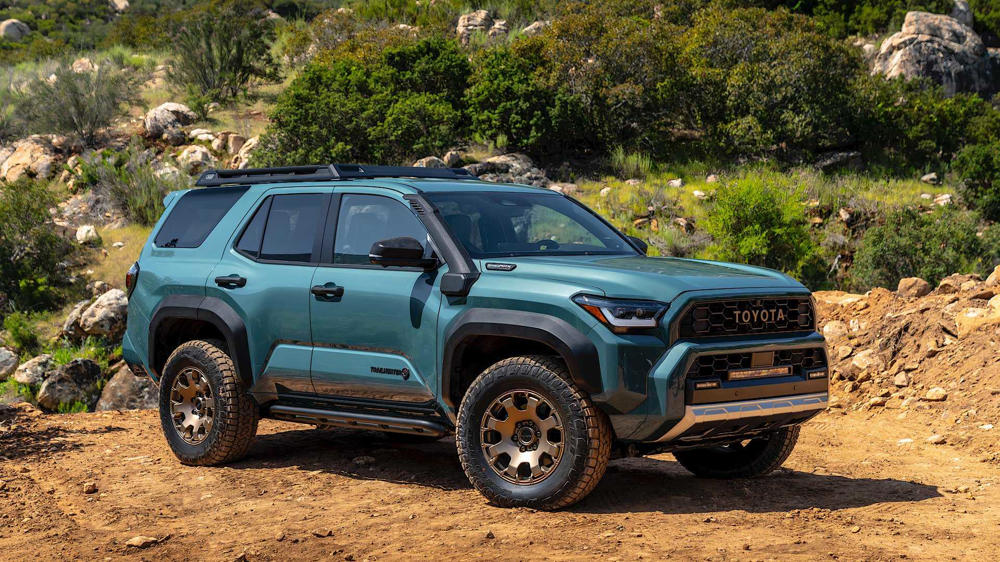
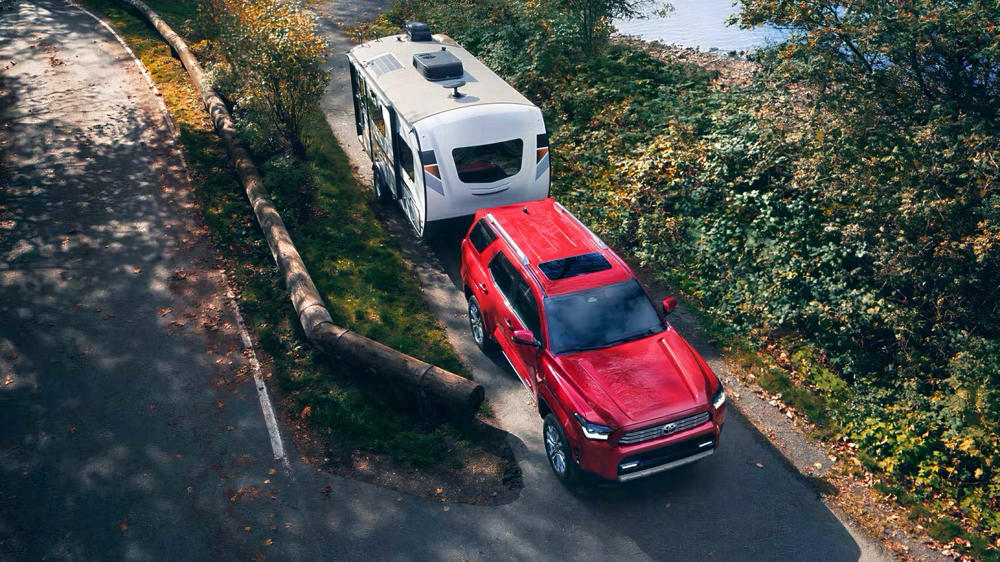
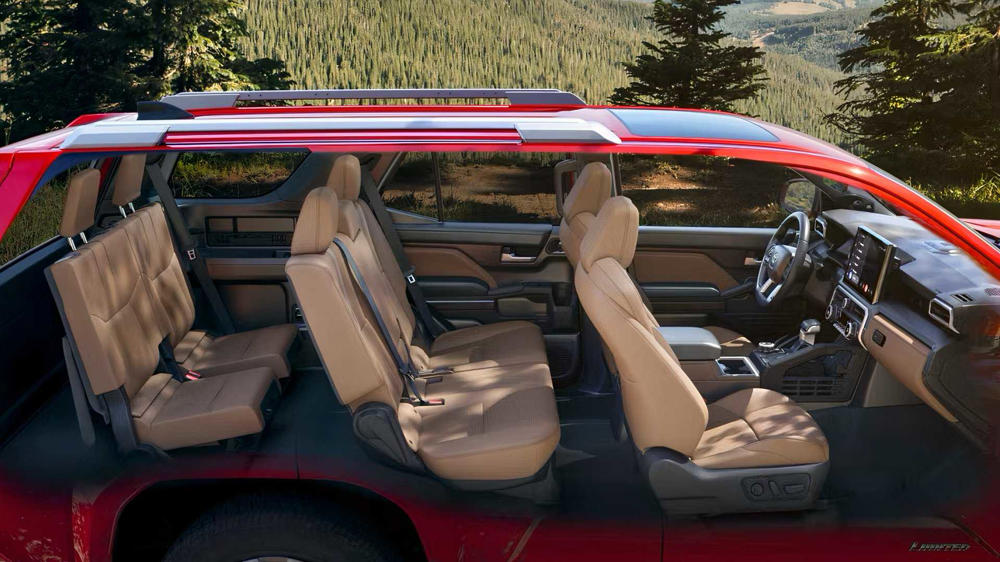
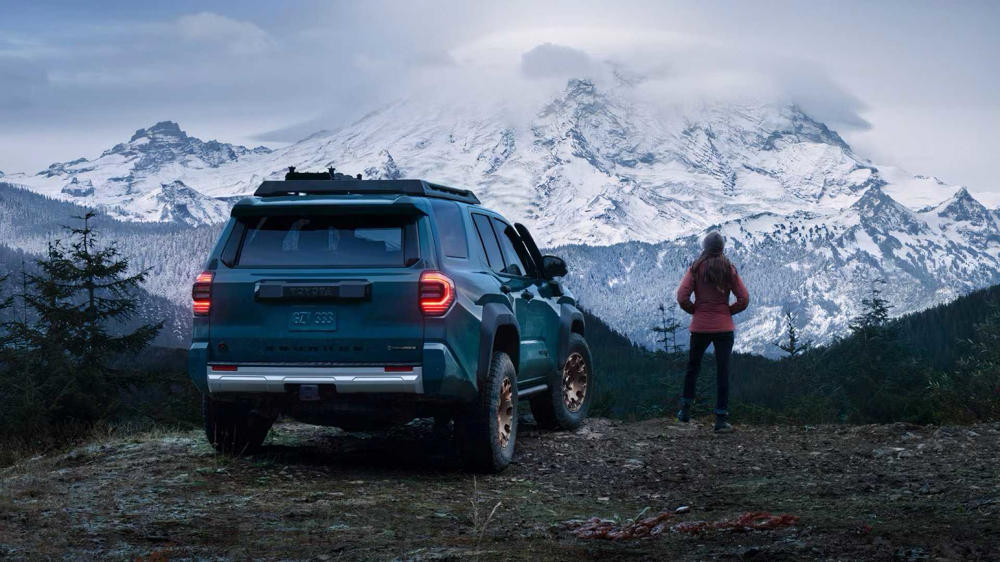
For decades, the 4Runner has relied on large-displacement, naturally aspirated gasoline engines that delivered steady reliability at the expense of moderate performance. The fourth-generation model offered an optional 4.7-liter V8 making 270 horsepower and 278 pound-feet of torque, which was replaced in the fifth-generation by a 4.0-liter V6 matching its predecessor's 270 horsepower. For long-suffering 4Runner enthusiasts who spent 15 years defending that sluggish powertrain against increasingly punchy modern competitors, vindication has finally arrived. With the introduction of the sixth-generation model in 2024, Toyota's cheaper, rugged icon matches the performance figures of its prestige sibling, the Land Cruiser. This collapses a two-decade power hierarchy without requiring buyers to pay the premium badge tax. Toyota is no longer separating its body-on-frame SUVs by horsepower; instead, it's dividing them strictly by lifestyle application, making the 4Runner the smarter, more aggressive choice for serious off-road enthusiasts. Collapsing The Hierarchy: 4Runner Meets The Land Cruiser The Power Parity Strategy By sharing identical output figures across models, Toyota has effectively eliminated the traditional performance gap between its core body-on-frame platform mates. Equipping the 4Runner with the same high-output powertrain found in the Land Cruiser represents a sharp departure from standard automaker segmentation, where flagship nameplates historically retain exclusive, higher-spec engines to protect their status. This is underscored at the entry point for performance, where the TRD Off-Road i-FORCE MAX starts at $54,360, undercutting the base Land Cruiser's $58,180 entry price by nearly $4,000 for the exact same muscle. Lifestyle Segmentation Over Badge Precedence Higher up the range, this parity shifts Toyota's lineup from a rigid power hierarchy to a clear lifestyle distinction. The flagship 4Runner Trailhunter, with an MSRP starting around $68,590, presents a turnkey overlanding value proposition for hardcore off-road enthusiasts. Meanwhile, the mid-tier Land Cruiser, with a starting MSRP of $64,255, targets buyers seeking a daily-driveable, heritage-inspired adventure vehicle, proving that top-tier 4Runner pricing is driven by heavy-duty trail hardware rather than a badge. The Specs Under The Hood: Power, Torque, And Real-World Speed Muscle Over Miles Per Gallon Toyota engineered this performance upgrade primarily for low-end torque and towing capability rather than outright efficiency gains. The hybrid setup delivers a modest fuel economy estimate of 23 mpg city / 24 mpg highway while preserving a strong 6,000-pound maximum towing capacity, though heavier off-road and premium trims like the Trailhunter, TRD Pro, and Platinum drop slightly to 5,800 pounds due to added equipment. Yet beyond raw utility, that low-end electric torque translates directly to real-world speed: the Trailhunter completes the 0-to-60 mph sprint in 6.7 seconds, shaving four tenths of a second off the TRD Pro's 7.1-second time. The i-FORCE MAX Hybrid Engine: 326 HP And Plenty Of Low-End Torque The force behind this transformation is Toyota's flagship i-FORCE MAX hybrid powertrain: a 2.4-liter turbocharged inline-four paired with a 48-horsepower electric motor integrated directly into an eight-speed automatic transmission, backed by a 1.87-kWh nickel-metal hydride battery pack. The combined system stands at 326 horsepower and 465 pound-feet of torque, with maximum torque available as low as 1,700 rpm. Those figures make it the most powerful factory engine ever stuffed into a 4Runner, marking a substantial jump of 48 horsepower and 148 pound-feet over the standard 2.4-liter turbo i-FORCE engine found in the entry and mid-tier trims like the SR5, TRD Sport, and TRD Off-Road. Hardware And Packaging: What You Gain (And What You Sacrifice) High-End Off-Road Hardware Rear 3/4 view of a 2025 Toyota 4Runner Trailhunter parked off-road The i-FORCE MAX system comes standard on the Platinum, Trailhunter, and TRD Pro trims, and is available on select TRD Off-Road, Off-Road Premium, and Limited configurations. On the Trailhunter, that powertrain is paired with serious factory-installed trail gear: 2.5-inch Old Man Emu (OME) forged internal bypass shocks, 33-inch Goodyear Wrangler tires, a high-mount air intake, ARB roof rack, heavy-duty rock sliders, steel rear bumper and full skid plates. This model also features refined software-level upgrades to Multi-Terrain Select (MTS) and CRAWL Control, which make low-speed trail maneuvers significantly quieter and smoother. The Hybrid Packaging Compromise That hybrid muscle comes with structural trade-offs. Because the 1.87-kWh battery pack sits directly beneath the cargo floor, i-FORCE MAX models are strictly limited to a two-row seating configuration. The raised load floor reduces cargo volume to 42.6 cubic feet behind the second row and 82.6 cubic feet with the rear seats folded flat, down from the non-hybrid two-row model's 48.4 cubic feet and 90.2 cubic feet capacities. Market Positioning And Value Proposition The Smart Buyer's Overlanding Alternative For buyers focused on trail capability per dollar, the 4Runner TRD Off-Road i-FORCE MAX starts at roughly $54,360, easily undercutting the entry-level Land Cruiser's $58,180 price tag. Even with an almost $4,000 savings, the 4Runner delivers equal horsepower alongside dedicated off-road hardware. While flagship trims like the Trailhunter and top-tier TRD Pro cross over into premium Land Cruiser territory, they do so by offering dedicated, turnkey equipment rather than just a badge upgrade. Final Verdict On The Sixth-Gen 4Runner's Power-Up For enthusiasts who spent years wishing for a 4Runner that wouldn't hunt for gear on steep mountain passes, the wait was officially over. Choosing the 4Runner Hybrid over its prestige sibling is an easy decision for buyers who prioritize raw trail capability, aggressive hardware, and functional layout over brand-name prestige. By sharing the 326-horsepower i-FORCE MAX hybrid engine across its truck lineup, Toyota has disrupted a decades-old product hierarchy that once reserved top performance strictly for its premium nameplates. Rather than forcing buyers to pay a badge tax for standard-setting muscle, Toyota now lets drivers choose their vehicle based on how they actually intend to use it. Sources: Toyota, Edmunds, Kelley Blue Book