The European Union’s plan to reserve EV subsidies for vehicles built largely in Europe under the proposed Industrial Accelerator Act (IAA) could penalize Toyota and other automakers with global supply chains while doing little to slow Chinese rivals that are already building factories in the region, analysts say.
The debate is significant because the EU is deciding how far to go in favoring locally built vehicles as Chinese brands gain market share. Automakers that have built successful European businesses on global supply chains could lose eligibility for subsidies.
To qualify for EU purchase incentives or state aid under the pending IAA, battery-electric, plug-in hybrid and fuel-cell vehicles would need to source 70 percent of their component value, excluding the battery, from Europe.
ACEA, Europe’s automotive manufacturers association, has warned that while safeguarding European manufacturing is a valid objective, the current framework risks disrupting established supply chains.
Chinese automakers could be winners
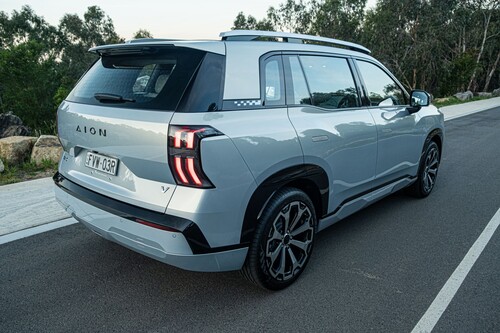
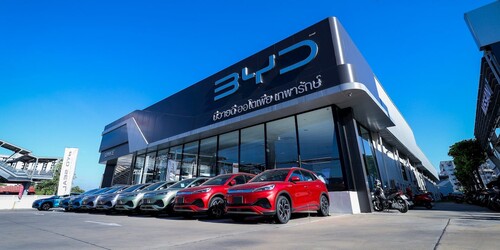
The IAA may be intended to protect European automakers from Chinese competitors, but the proposal overlooks the fact that Chinese automakers are already establishing manufacturing operations in the region, Gartner Vice President of Research Pedro Pacheco told Automotive News Europe. BYD operates a plant in Hungary, while Chery builds vehicles in Spain.
Philipp Seidel, a principal at Arthur D. Little’s Munich office, said the act could increase manufacturing output in Europe, but it does not guarantee that the benefits would flow primarily to non-Chinese automakers.
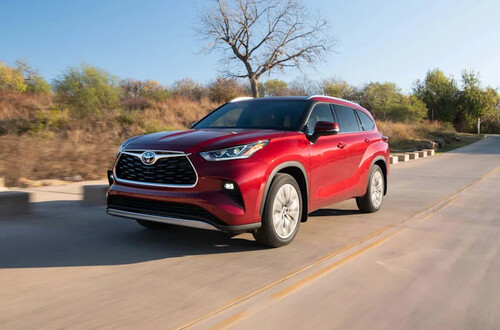
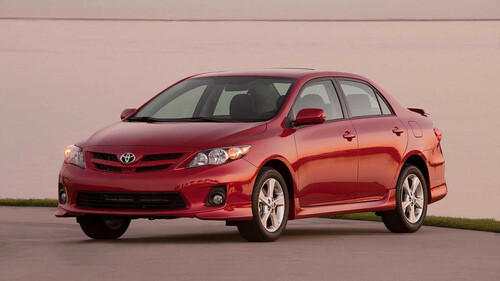
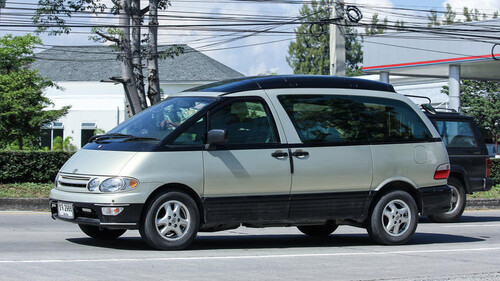
Pacheco said many automakers with strong positions in Europe originate outside the region. Toyota imports all of its European BEVs from Japan, except for the Urban Cruiser, which is sourced from India. In 2025, Toyota imported €6.9 billion worth of vehicles from Japan.
“Toyota is not a guest in Europe,” Toyota Europe CEO Yoshihiro Nakata said on Oct. 15 at a media event in Brussels.
EU should act to keep expertise in Europe, analysts say
Critics say the local-content requirement could raise EV prices. Pacheco said that argument overlooks the fact that some European automakers cannot build affordable EVs on their own and must restructure their EV supply chains.
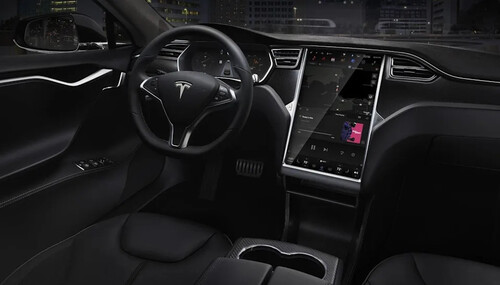
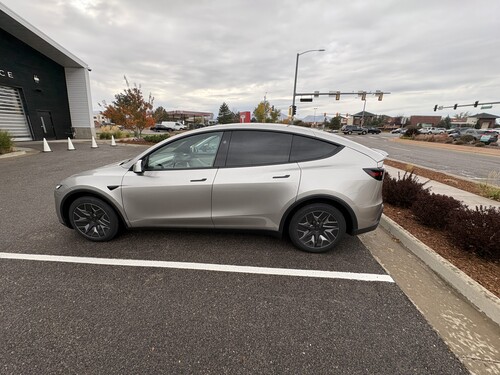
Producing EVs competitively in Europe is possible, Pacheco said. Tesla builds the Model Y, Europe’s best-selling electric vehicle, in Germany. The Model Y led European EV sales in September with 40,971 registrations, up 55 percent from a year earlier, according to market researcher Dataforce.
Even if manufacturing and assembly remain in Europe, there is a risk that research and development, technology development and engineering increasingly shift to China, Seidel said.
“The IAA neglects how automotive value chains work today. It’s easy to say we want a certain percentage of components manufactured in Europe or sourced from European suppliers. But additional political measures and regulatory tools are needed to keep engineering expertise, product development and design in Europe.”