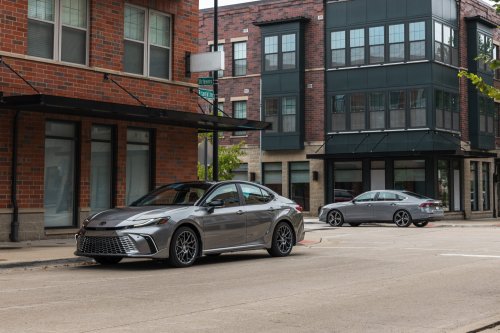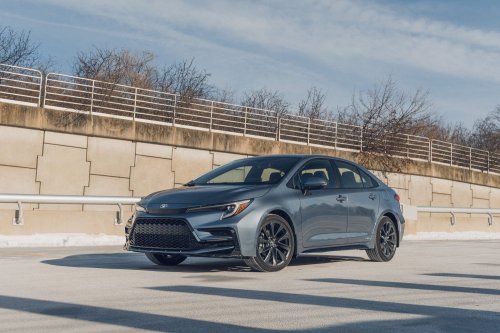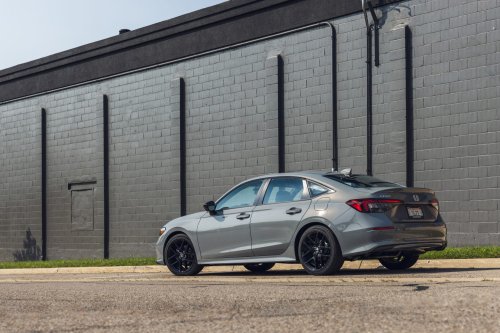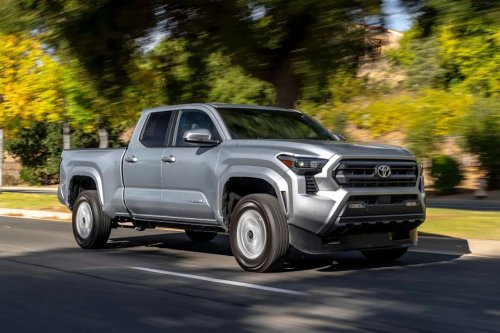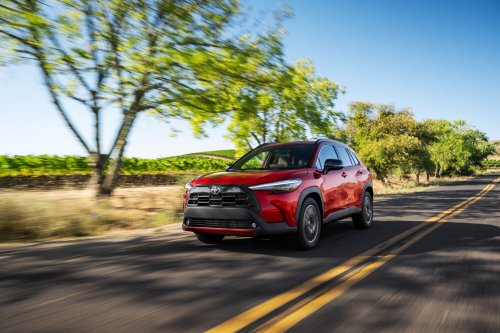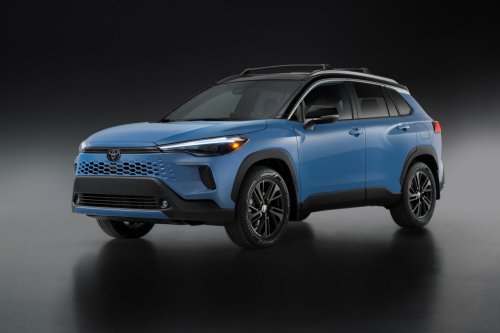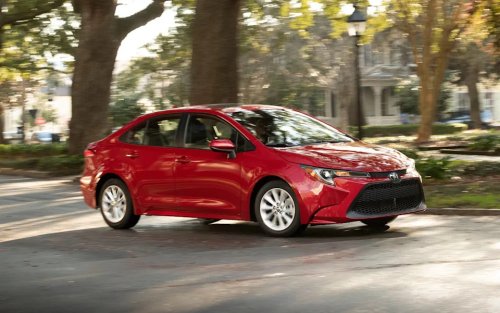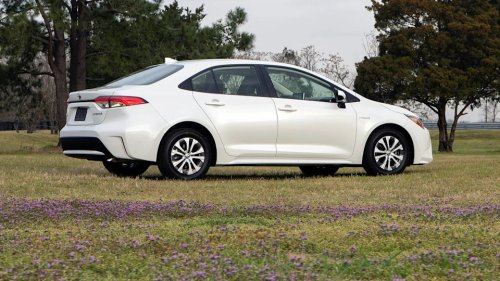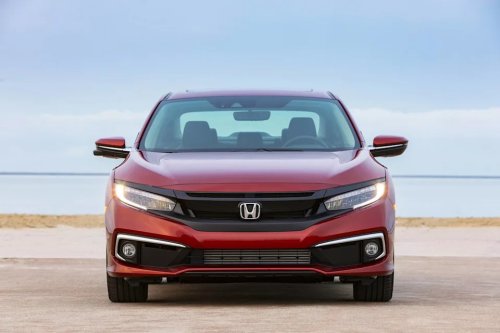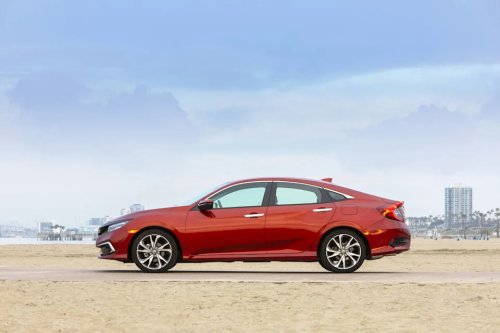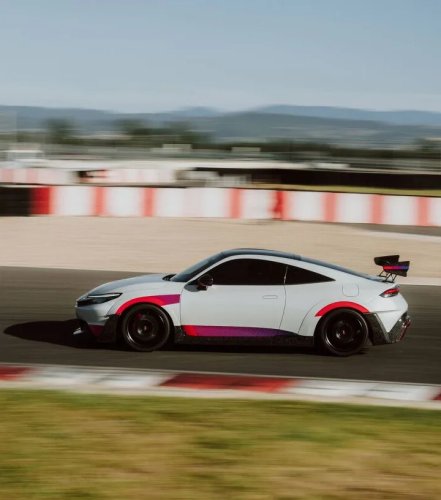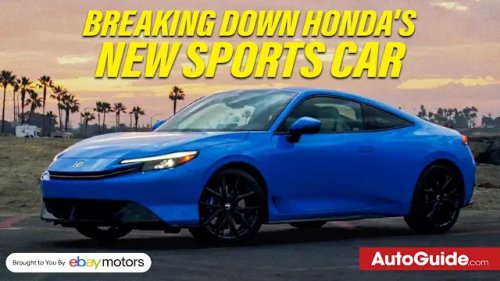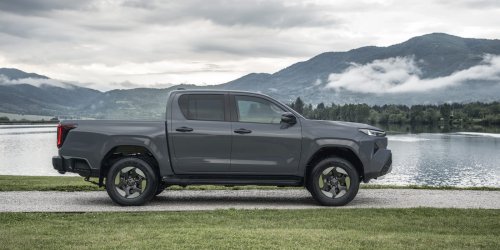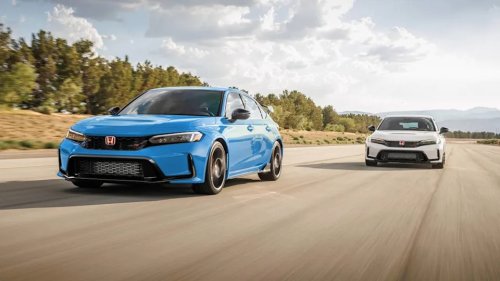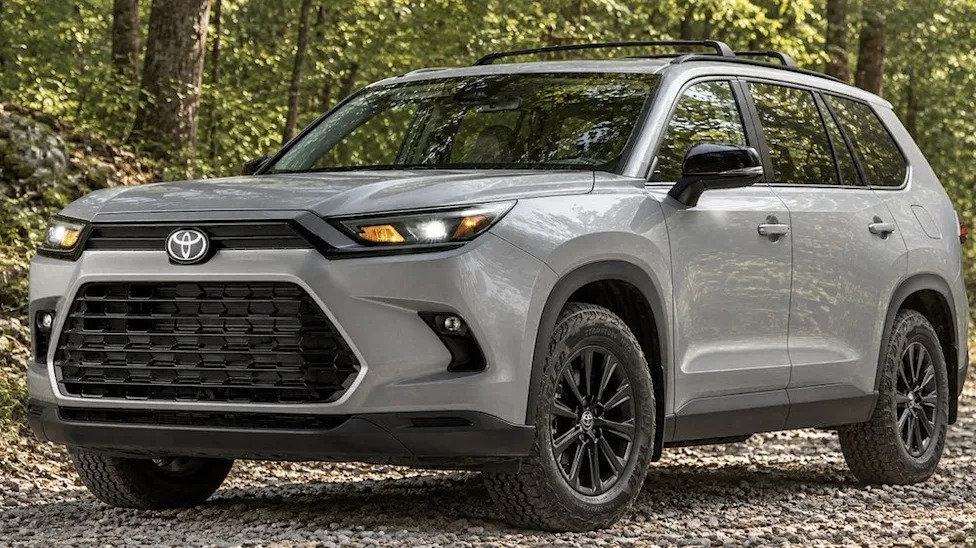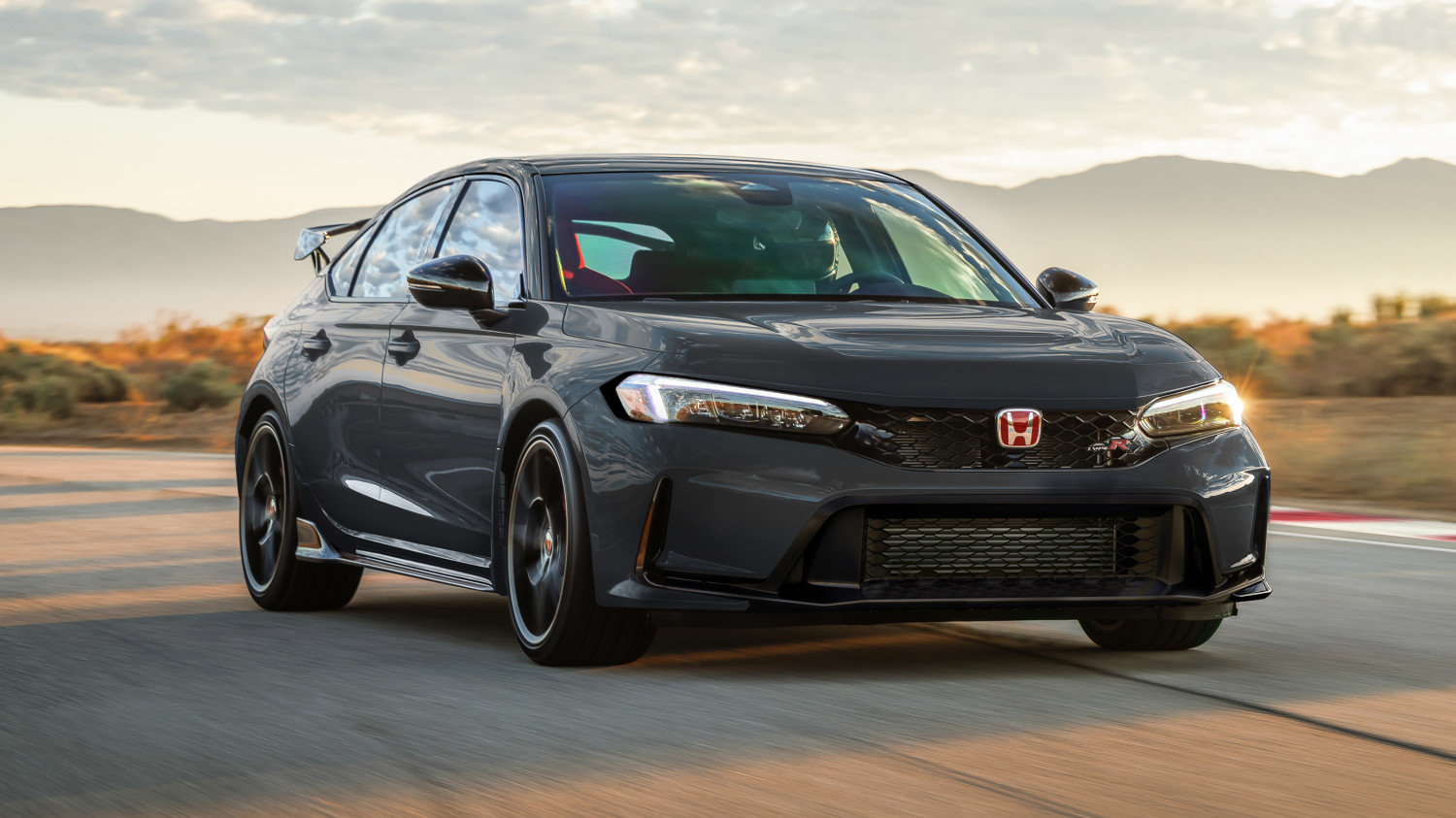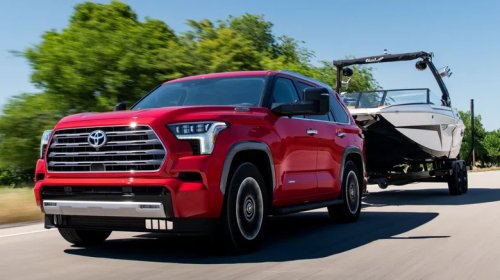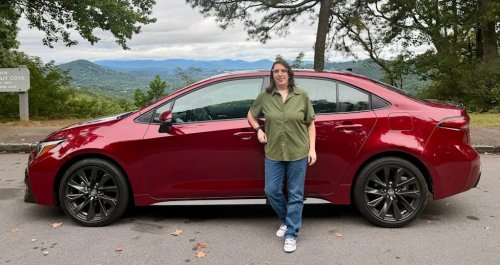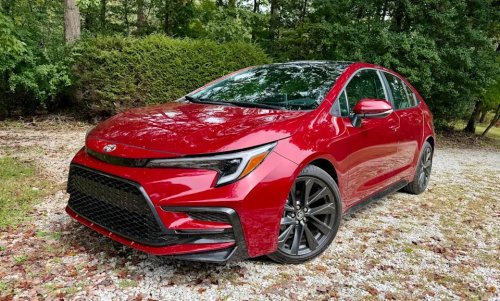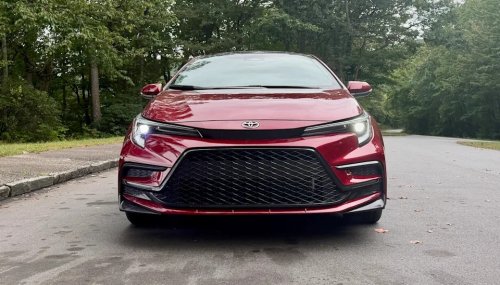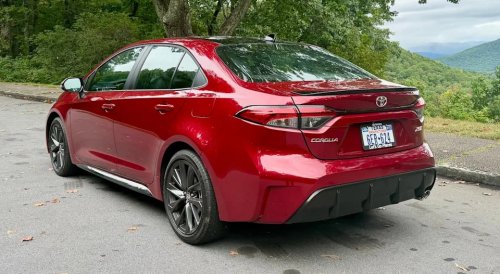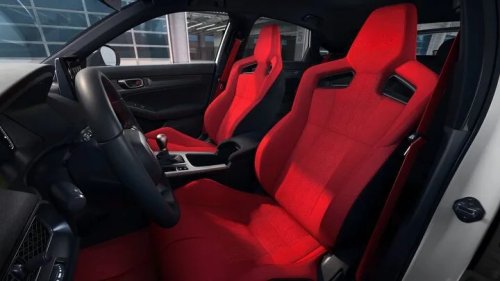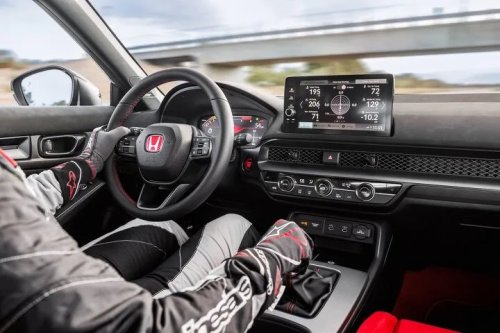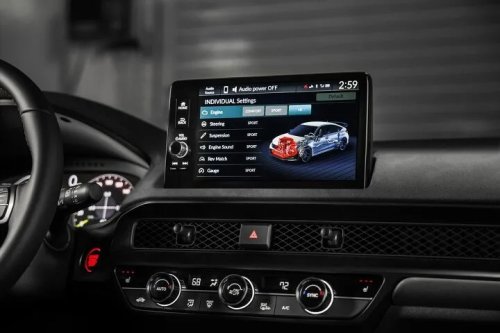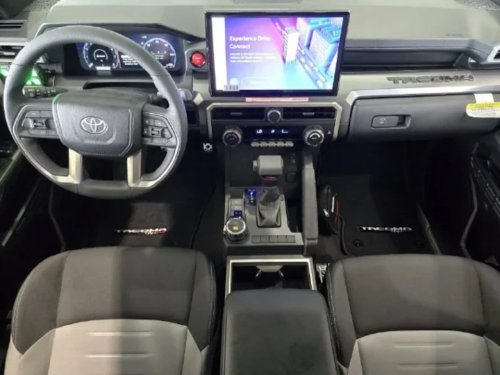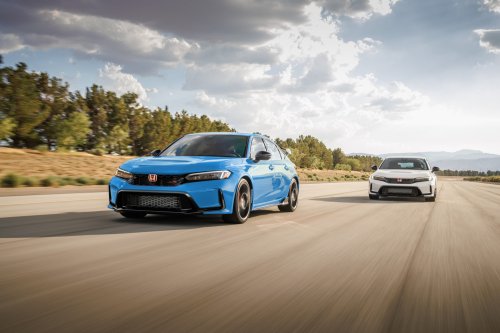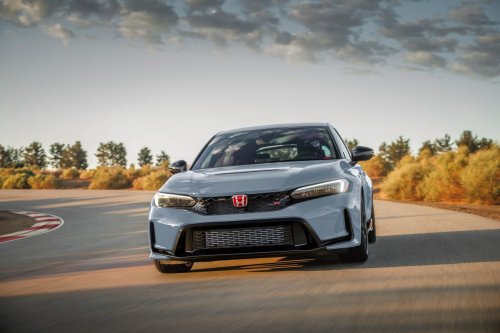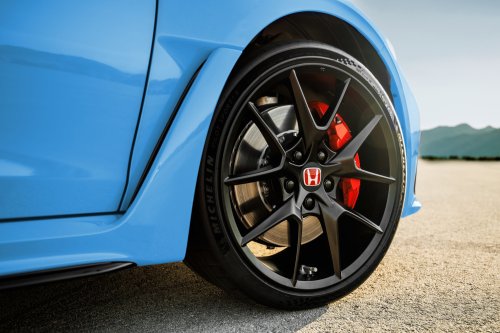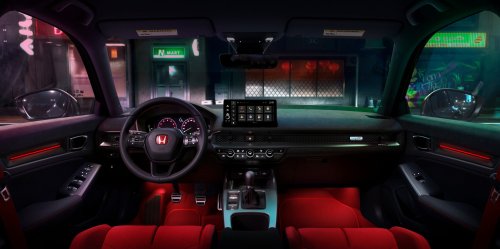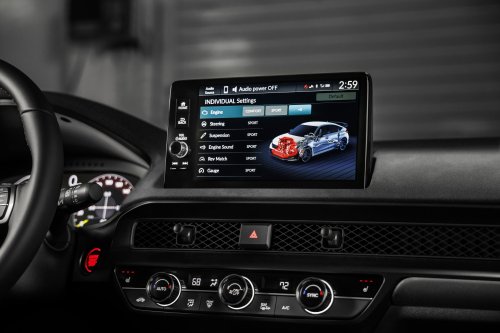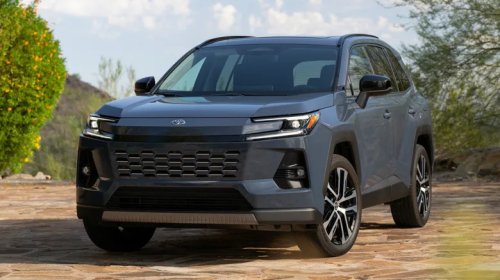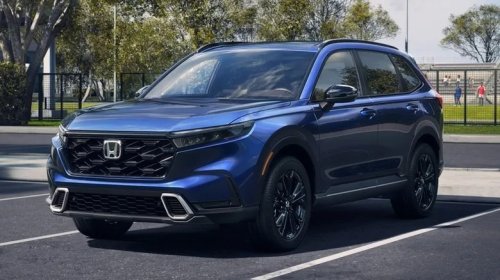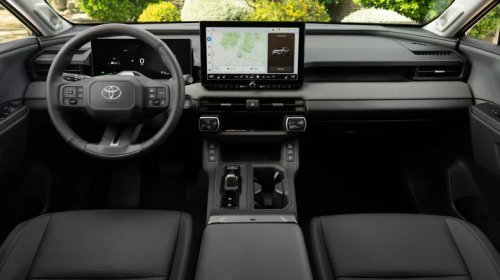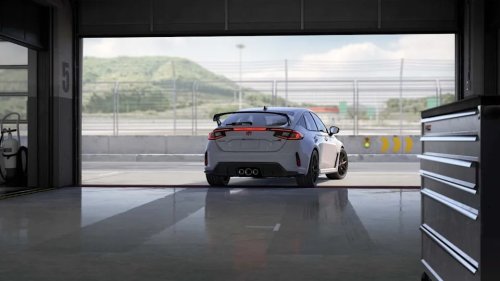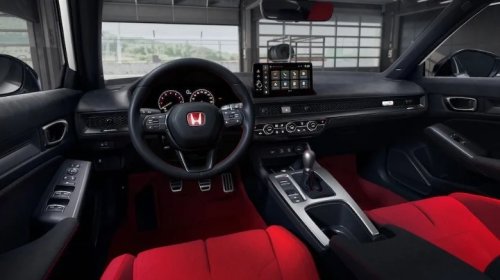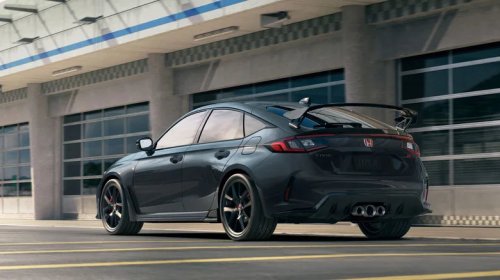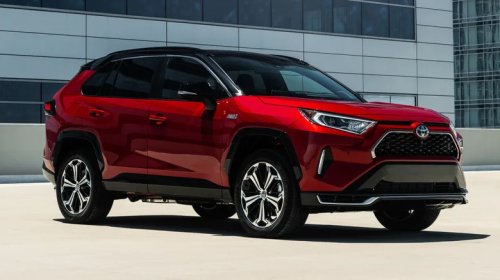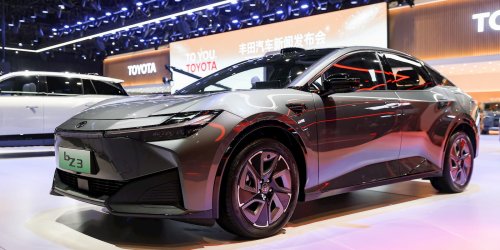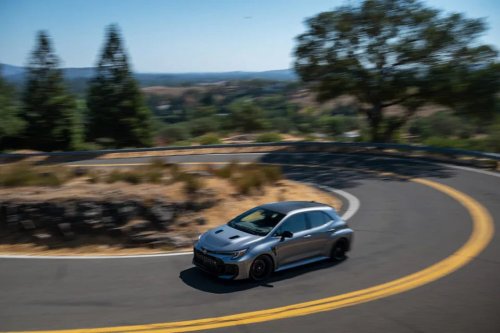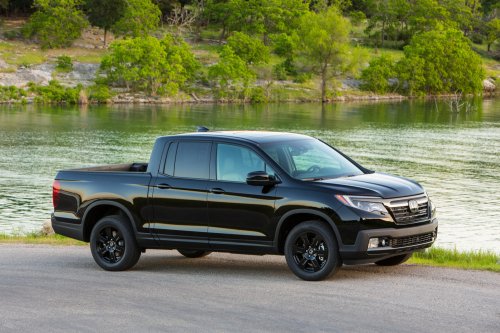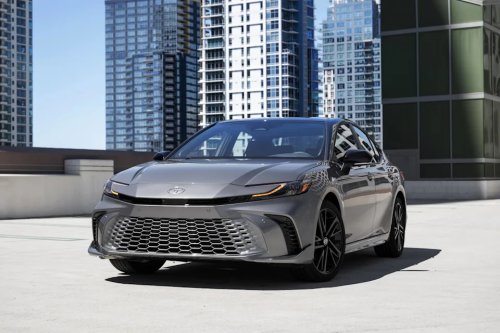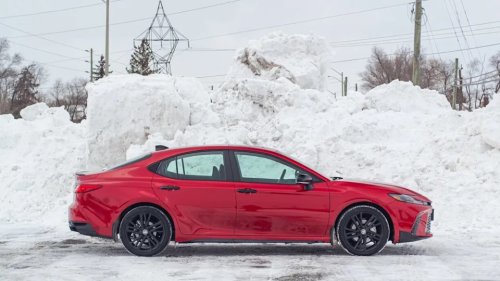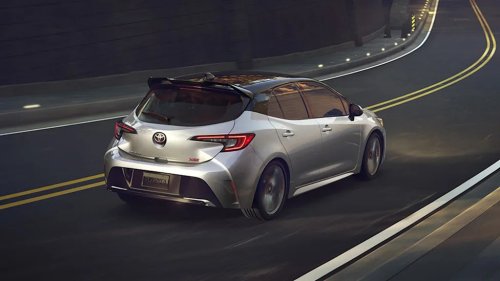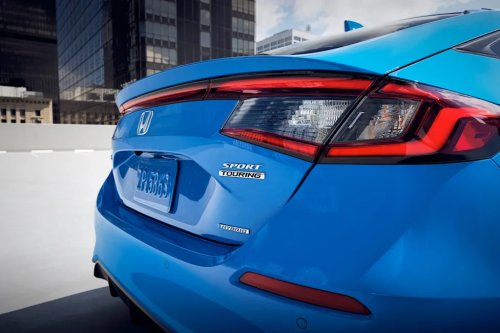
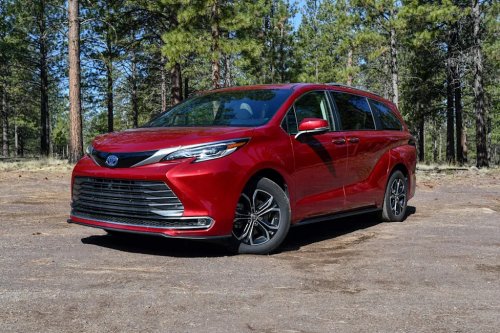
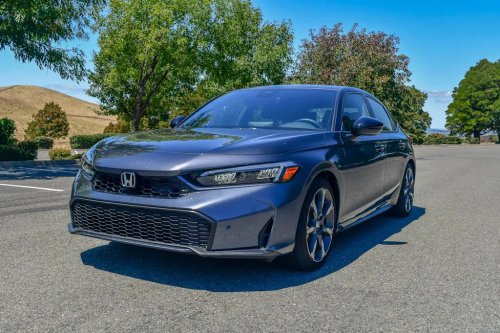
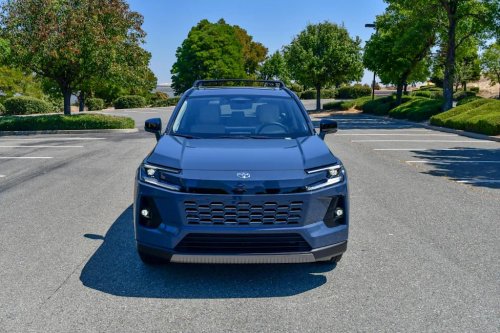
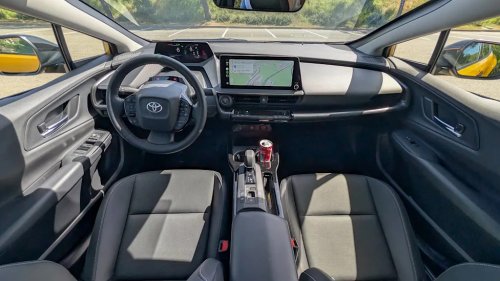
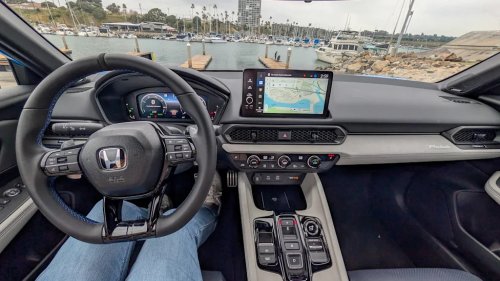
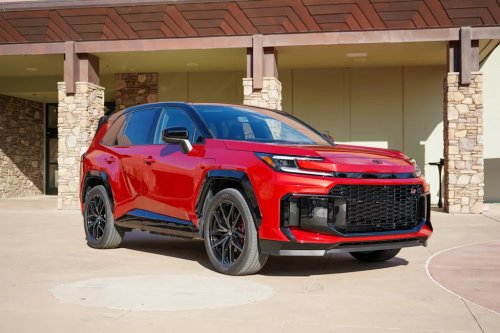
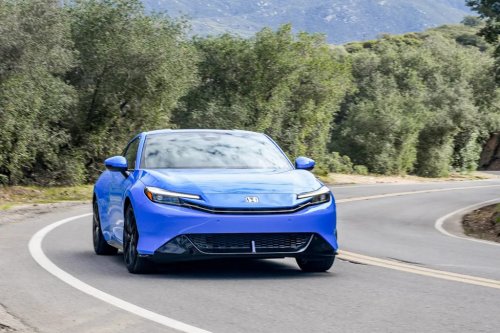
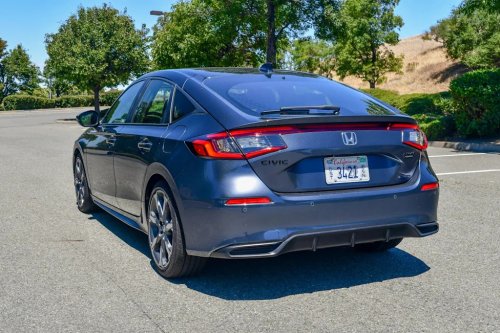
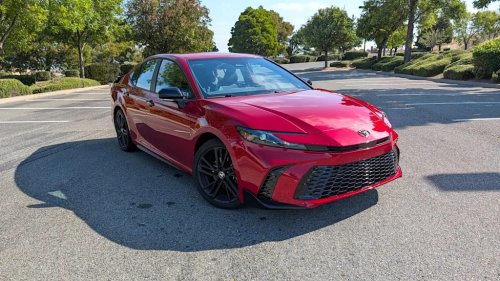
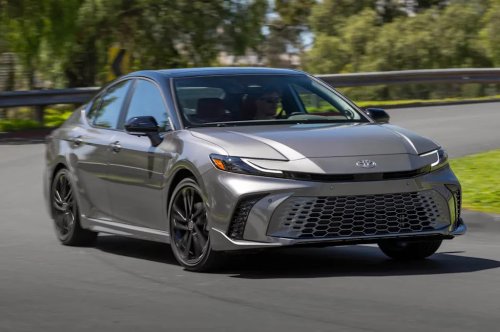



















Autoblog and Yahoo may earn commission from links in this article.Hybrids, as everyone in this industry says, offer the best of both worlds. A small EV battery helps us drive around town at slow speeds without burning gas, but doesn't require being physically plugged in to recharge. Kinetic energy from the brakes (or regenerative braking) helps do that. But when the battery is low, the gas engine chimes in to pick up the slack. It's a perfect symbiotic relationship. Some modern hybrids, after a couple of decades of refinement, can get over 50 miles per gallon, without being all that expensive. There's not a single driver who wouldn't benefit from owning a hybrid.HondaAnd, because we live in a free market, there's plenty of competition compared to the days of old. Hyundai, Kia, Ford, Jeep, and GM all make hybrids that compete against each other. But back in the early 2000s, it was Honda vs. Toyota. Honda brought in the funky, futuristic, but compact Insight in December 1999. It was efficient, but a bit too eclectic for most. Several months later, Toyota brought over the Prius, and it caught on like wildfire—and the two have been up to bat for the best efficient-yet-affordable hybrid title ever since. AdvertisementAdvertisementI've driven quite a few from both manufacturers, and while they both make excellent hybrids, one manufacturer feels like it's more worth the money. Here are my thoughts.Related: Road Ethos Launches: The New Automotive Lifestyle Site You Should ReadFirst, let's talk money: both offer excellent products for competitive pricesBoth brands put up a valiant fight for the sake of value. The most expensive hybrid from Honda is the CR-V Sport Touring, which starts at $42,550, with the Prelude close at its heels with a max price of $42,500, while the most expensive hybrid from Toyota is the Sienna, with an MSRP of $58,210. Well, the Sequoia Capstone is the most expensive, with a starting price of $85,435, but it isn't a traditional, mileage-focused hybrid. It uses the performance-oriented iFORCEMAX system that's meant to prioritize low-end torque for towing and off-roading. Kristen BrownBy contrast, the least expensive hybrid both companies offer is in the form of a compact sedan. On Toyota's end, the Corolla Hybrid LE starts at $24,975. Honda's answer to the Corolla is the pricier Civic Hybrid sedan, which starts at $29,395. The hatchback version is a bit pricier, starting at $30,595. The Corolla doesn't offer a hybrid for the hatchback version. So, we can see that the most expensive Honda is quite a bit less than the most expensive Toyota, and that's because of a thing called options. Toyota is, and will probably always be, the manufacturer with the most hybrids in its lineup. Toyota offers more than 10 hybrids, ranging from hybridized minivans, full-sized 3-row SUVs, mid-sized 2-row SUVs, compact SUVs, full-sized sedans, wagon-esque SUVs, and so on and so forth. For every body style you can think of, Toyota has a hybrid version of it. But remember: Honda gives you 200 horsepower and a premium interior out of the gate, whereas the entry-level Corolla Hybrid is purely a budget efficiency play.Kristen BrownOn the other side of the coin, Honda offers just four. That's it. The sporty Prelude, the Civic and Civic Hatchback, the CR-V, and the Accord. I keep hearing rumors about a Pilot hybrid, which will likely be put into the Passport, Ridgeline, and maybe even the Odyssey, and there are rumors about a hybrid Element revival, but we'll see. Until then, you only have four flavors to choose from. So, Toyota has more to offer for a wider range of tax brackets. Honda's affordable, but there aren't any options for those who want something bigger and a bit more luxurious. At least not yet. Technically, then, they're both winners—just for different demographics.As far as efficiency is concerned, they're fairly matchedThis is where the magic word—options—turned the difficulty level of choosing even harder. Right now, Honda doesn't offer any PHEVs. And the only EV they do offer, the 2026 Prologue, is essentially GM with a Honda badge (it's also not going to be around for the 2027 model year, so… There won't be an EV offered for that model year). So, if you want anything other than a standard hybrid, Honda shrugs its shoulders. Toyota, though, offers PHEV versions of the RAV4 and the Prius, and has three—almost four—EVs you can buy right now: the bZ, bZ Woodland, and the CH-R, with the Highlander EV coming soon.AdvertisementAdvertisementThe hybrids Honda does offer, though, are damn good. The Honda Civic Hatchback Hybrid I reviewed regularly averaged 50.3 mpg in combined driving settings. The Accord hybrid is rated for 47 mpg combined, and the CR-V I tested scored an average of 38 mpg combined with AWD. The FWD version is rated for 40 combined, 43 city, and 36 highway. Not bad for the price at all. Toyota's hybrids regularly score in the high 40s and low 50s, with the Prius PHEV averaging about 48 mpg during my week with it. The AWD Camry I tested a few weeks ago averaged the same, and the AWD RAV4 Limited hybrid also showed an average of 47 mpg in combined driving scenarios, scoring miles ahead of the CR-V.Kristen BrownThe Honda Civic, though, had 200 horsepower, and that's a more than reasonable amount for a compact hatchback hybrid. I enjoyed the pep in its step compared to the Corolla, which made it obvious that mileage was pretty much the only thing it had to offer. I'll get into it later, but that's a recurring theme with Toyota. Related: 10 Strategic, Worthy Alternatives to Toyota's HybridsWhen it comes to interior quality, Honda wins without contestThis is something that's always irked me about Toyotas, and the hybrids in particular. Yes, Toyotas are reliable, affordable (depending on the model, of course), and remarkably efficient. But they have some of the cheapest interiors I've experienced in the industry. The $40k Prius PHEV I reviewed achieved some insane mpg figures, but I felt like I was driving in a bathtub with a low seating position, small windows, thick A and B pillars, and a driver information display that looked like it was rendered with the hardware and software from a PS2. And it was in such a funky position that I could barely see what was actually on the screen without the steering wheel blocking most or all of the data. And so. Much. Creaky. Black. Plastic. On the inside, at least, it looked and felt like one hell of a compromise.Kristen BrownThe Camry Hybrid's interior was a step above, and the Nightshade XSE I tested had a maximum price of just over $35k, and it looked a lot nicer. The seating position was higher, the driver information display was clear, bright, and responsive, and while there was fingerprint-philic piano black plastic dotted throughout and an obnoxious piece of plastic that made the footwell of the passenger's seat feel unnecessarily restrictive, it felt much better. The RAV4's interior is a bit nicer, but it still has so much black plastic, and it was remarkably loud and rattled a lot. The same can be said about the Corolla hybrid. The Sienna Platinum AWD was marginally better, with faux wood and fancy leatherette, but it was hard to see out of. Interiors were never the company's forte, except for the 4Runner and Tacoma.Kristen BrownThe Civic Hatchback Sport Touring Hybrid, on the other hand, costs a little more than $34k MSRP with a few options and add-ons, and the interior felt like one that comes from a much more expensive car. I felt the same way about the CR-V and the Accord. The Prelude, arguably, has the nicest interior of the hybrids, with more colors, varying materials and fancy accent stitching. The only thing I noticed across Honda's hybrids, save for the Accord, is that they're loud. The ride is nice, the mileage is great, and the layout is beautiful, even with cloth. But there's a noticeable lack of sound dampening. I drive nothing but old cars, so it doesn't bother me, but some might be bothered by it.Toyota's exterior designs are improving, though I prefer Honda'sToyota recently changed its design dialect to something more angular and sharp. The company calls it a "hammerhead" design. We see it on the new RAV4, Prius, CH-R, bZ, bZ Woodland, and the upcoming Highlander EV. It's a handsome look, making them look a lot more luxe and posh compared to the 2025 and some 2026 designs. Some complain about the boxiness, but it helps break them apart from the majority that's still stuck on smoother curves and squinty headlights. It's the interior that breaks up the mirage for me, every single time. Cole AttishaAdvertisementAdvertisementHonda's exterior designs, at least in my opinion, are a bit more cohesive and attractive. The automaker cleverly calls the interior design "Simplicity and Something," defined as "a clean, uncluttered, and ergonomic cabin layout with unique, personality-filled details (the 'something') to emotionally connect drivers with their cars." All of the hybrids I tested felt a lot more expensive than they were, which is not something I'd say about Hondas from about 10 years ago.Kristen BrownThis is all relative, though. Some might think the RAV4 is one of the sexiest SUVs on the road, while I'm not moved by it. Some think the Civic looks cheap and unrefined, and I heavily disagree. Which is more attractive depends on the person, and I wouldn't blame anyone for preferring the Toyota over the Honda. Related: Honda Element Is Finally Returning As A Hybrid Bronco Sport RivalBoth are remarkably reliableEven if you don't know anything about cars, you can't argue that both Honda and Toyota are two of the most reliable car brands you can buy. My first car was a 1999 Toyota Corolla LE that I bought for $1,100 from my grandpa. My husband's first car was a 1996 Honda Civic. Both of us can say the same thing about either: it's a great first car because it's efficient, safe, cheap to insure, and insanely reliable. The same rings true for today's models. Toyota, according to Consumer Reports' data for 2025, Toyota was the most reliable brand in the US. Honda ranked fourth. Out of 26 brands listed, that's something Honda should be proud of.Kristen BrownA score of first place can't really be argued with. But if you're like me and just can't get past the unenthusiastic driving dynamic, drab interior, or sometimes inflated prices, Honda's reliability scores come insanely close. They're just behind Subaru and Lexus. Honda doesn't throw convenience features into packagesOne thing Toyota does that drives me insane is split everything up into packages. You want a nice JBL sound system? That'll be an additional $800. Do you want a 360-degree camera for parking? That's going to be another $600. Oh, a sunroof? A heated steering wheel? Low-speed parking sensors that brake for you? That's all extra, too. Honda doesn't do that. If you go for the top-tier trim for the CR-V, Accord, or Civic, that's all included in the MSRP. You don't have to add an extra package or extras to get those goodies. So, Toyota advertises a fairly low MSRP, but that's for the base vehicle. Once you add on a nicer sound system or the technology package that adds more convenience and safety features, before you know it, the $35k RAV4 is closer to $40k.Kristen BrownI can appreciate Honda's no-nonsense business model when it comes to vehicle pricing. No surprises. What you see is what you get. The Sport Touring comes with all the available convenience, technology, and safety features. It comes with the premium Bose sound system. It comes with heated front seats, a heated steering wheel, a wireless phone charger, and more at the base MSRP.AdvertisementAdvertisementRelated: Toyota Camry Hybrid Vs. Honda Accord Hybrid: One Clearly Wins on ValueFinal thoughts: They're both winners for different buyersBoth of them offer similar products at similar prices with similar offerings. The main difference is what each automaker values more, based on their typical buyer's preferences. Toyota's spent decades perfecting its hybrid systems. So, it shouldn't surprise you at all that Mazda borrowed the RAV4's hybrid system, or that Subaru's hybrid system was closely developed alongside Toyota's engineers. They're the champions of hybrids. Honda might give Toyota a closer run for their money if they hadn't constantly juggled their compact car strategy—swapping the Civic Hybrid for the Insight, killing the Insight, and finally bringing the Civic Hybrid back. Meanwhile, Toyota kept its foot on the battery the entire time.EdmundsView the 2 images of this gallery on the original articleBut the differences come down to what their buyers value more. Toyota's buyers clearly value mileage and the company's reputation for being reliable. They want something that will get the job done. My father-in-law bought a 2025 RAV4 Limited hybrid simply because of the mileage and how reliable the company is known to be. He admitted he doesn't care for the looks. He just wants to save on gas. Honda buyers care more about cost and interior design. So, which is best for the money comes down to what you care about most. If you prefer high mpgs for a relatively low cost and don't care about literally anything else, Toyota's your best bet. Especially since they have a lot more options. Honda's hybrids are excellent options because they're efficient, affordable, and beautifully styled. I can't wait to see how Honda's upcoming hybrids fare. I bet I'll love them, too.AdvertisementAdvertisementThis story was originally published by Autoblog on Jul 4, 2026, where it first appeared in the Features section. Add Autoblog as a Preferred Source by clicking here.