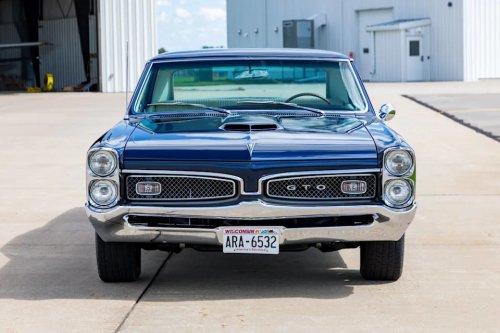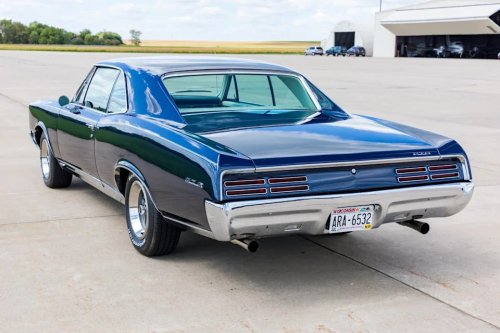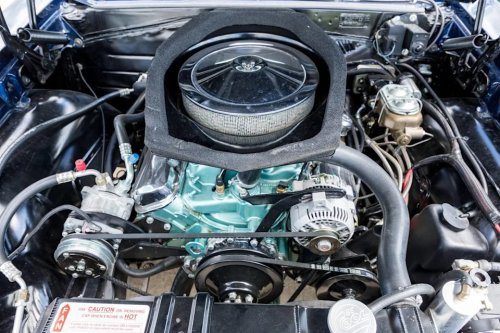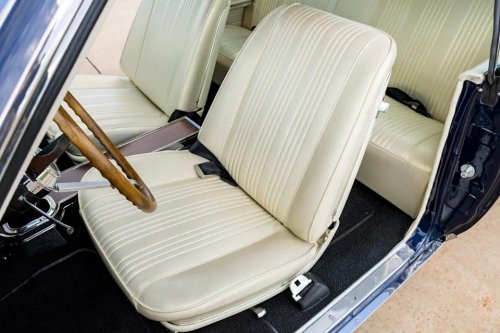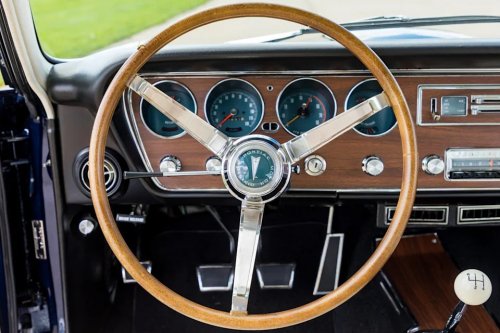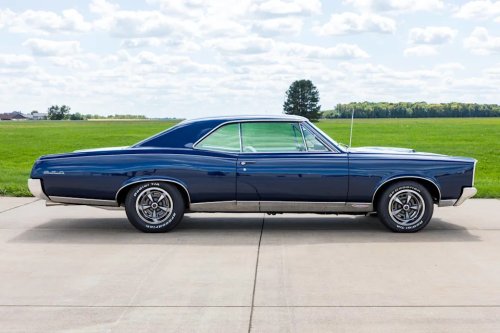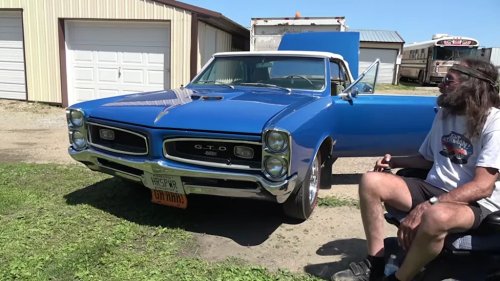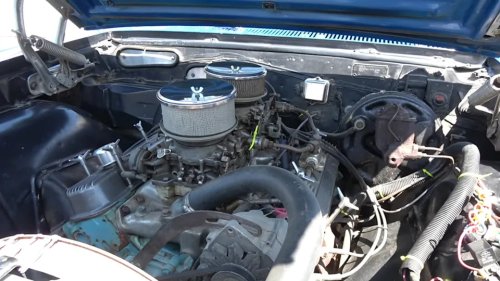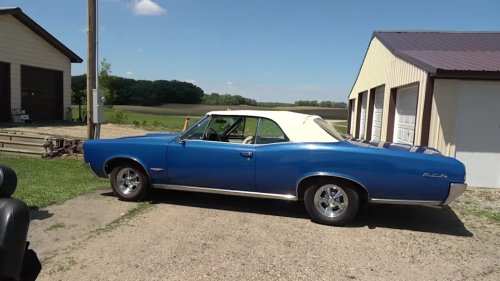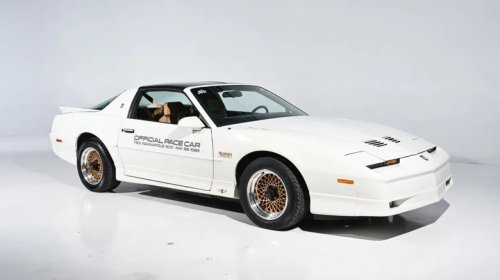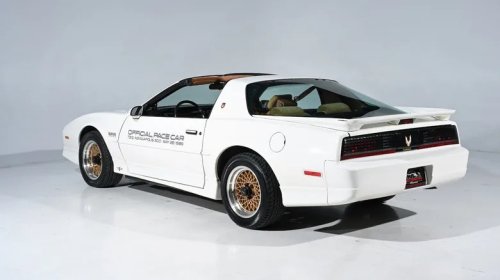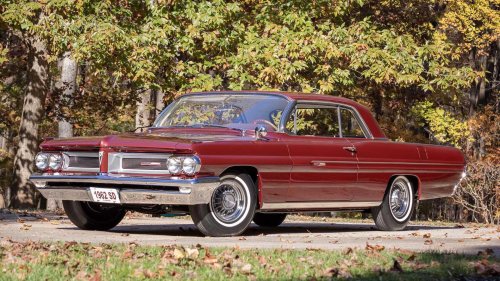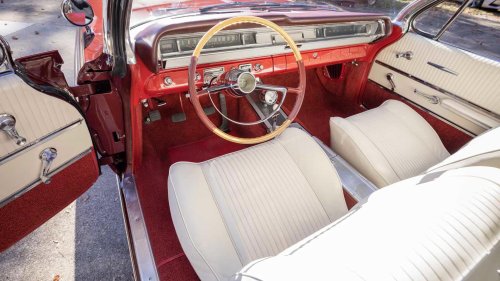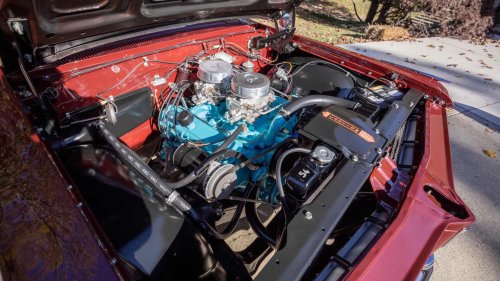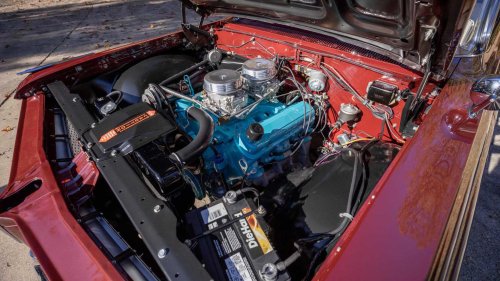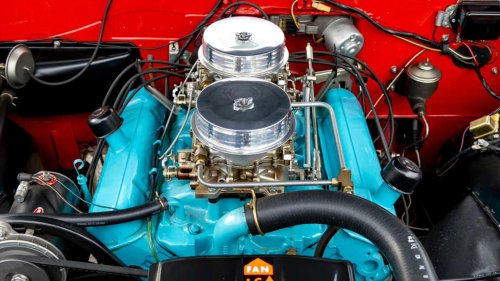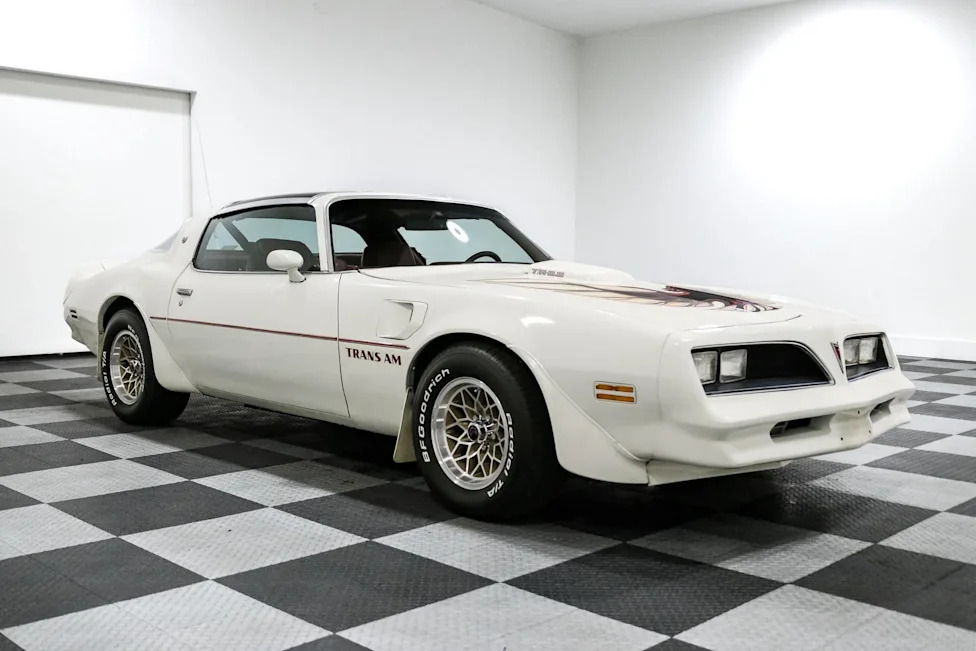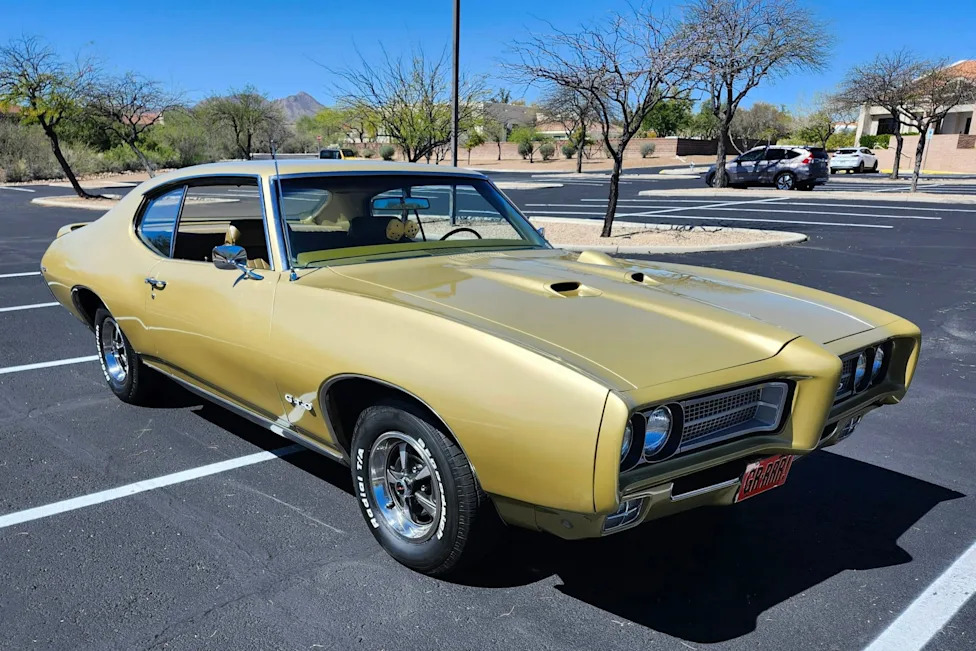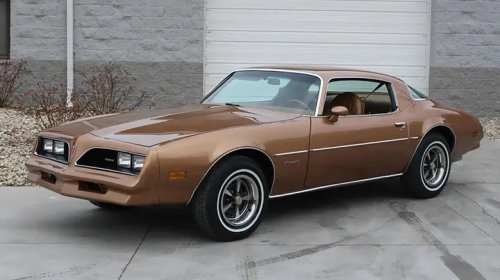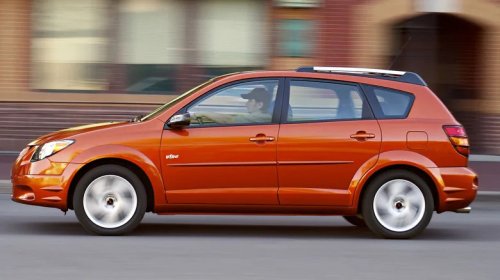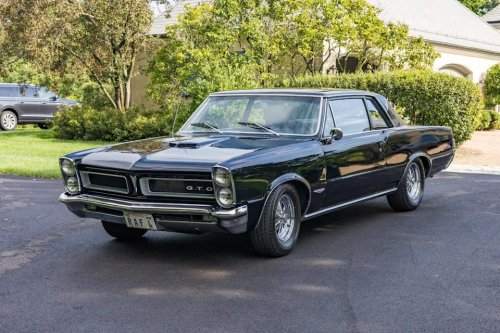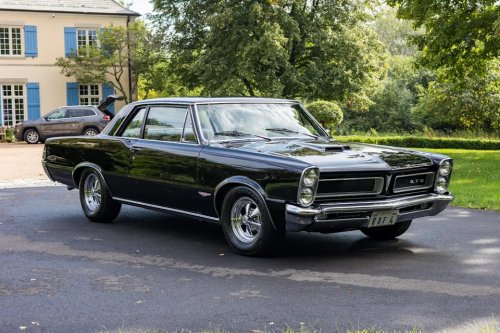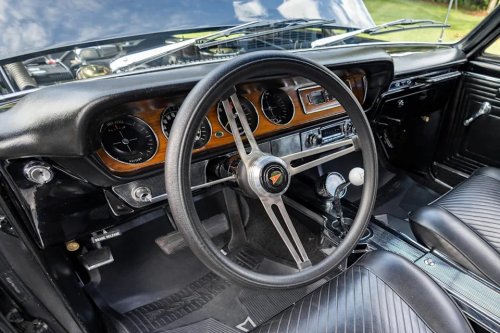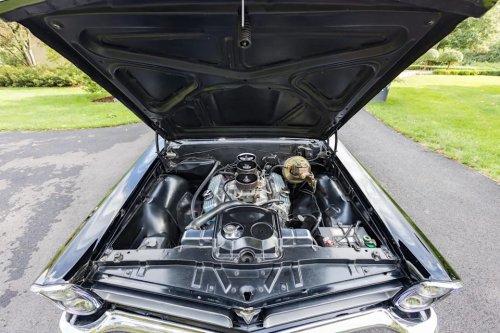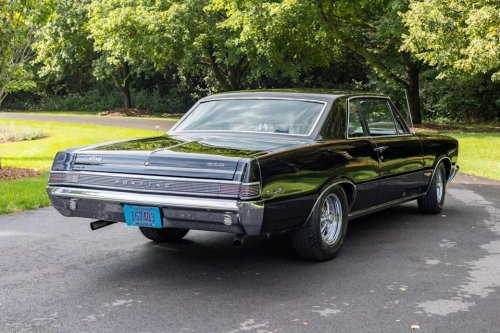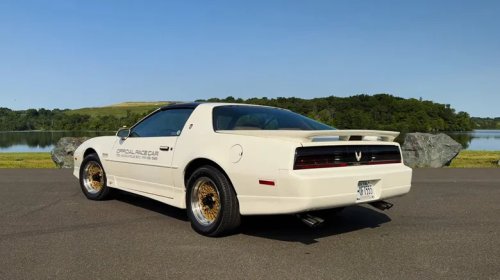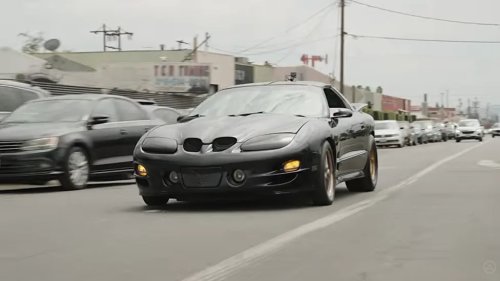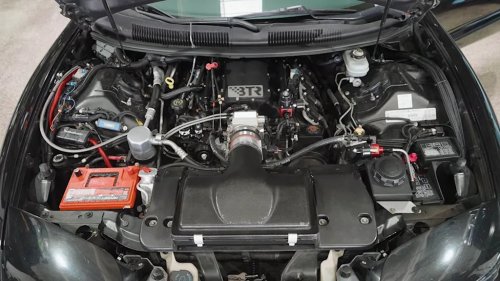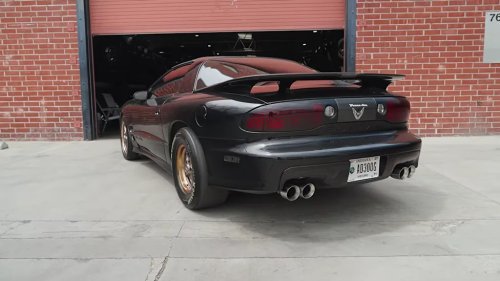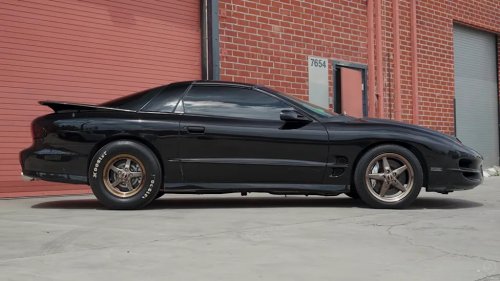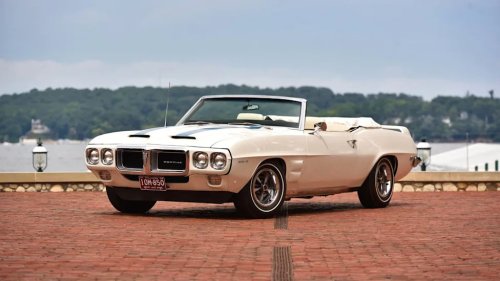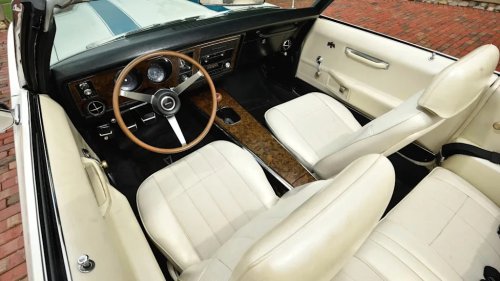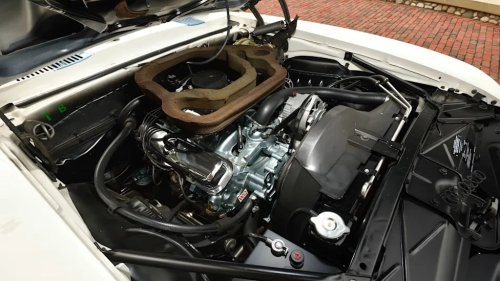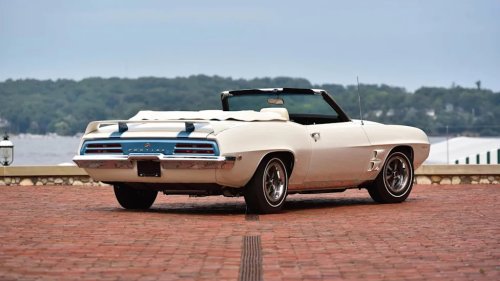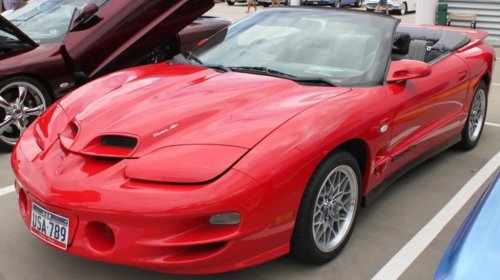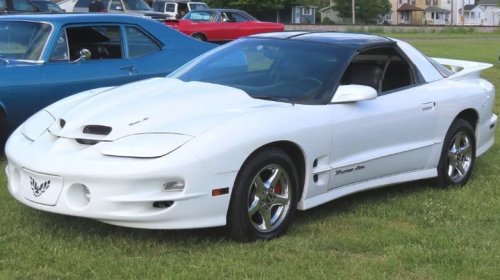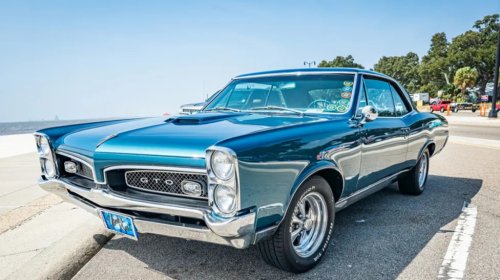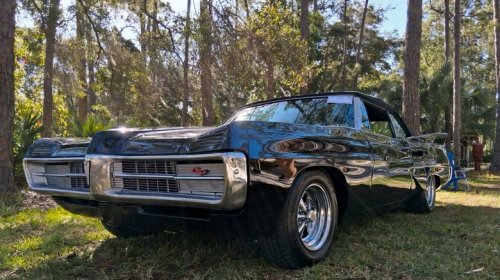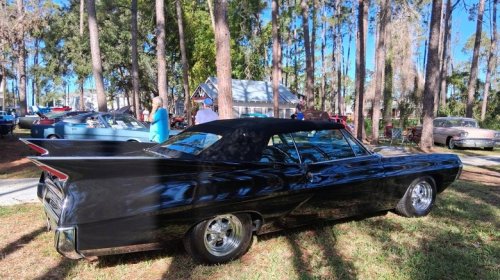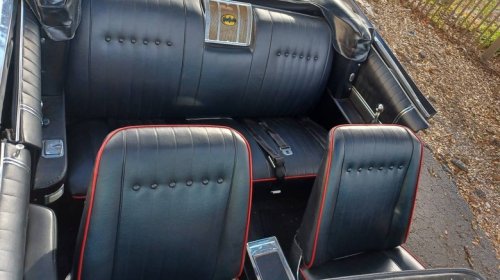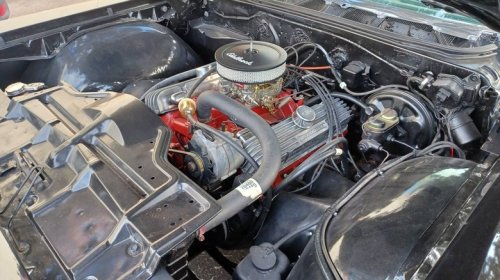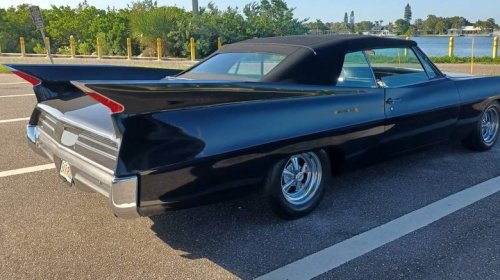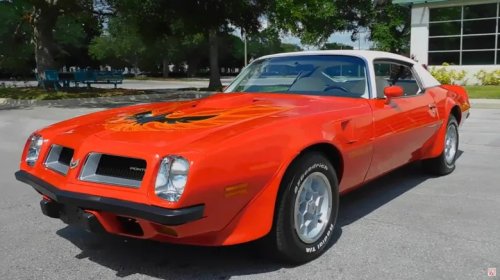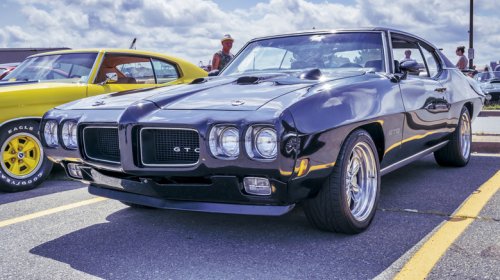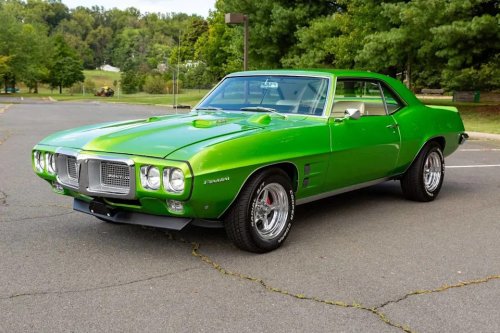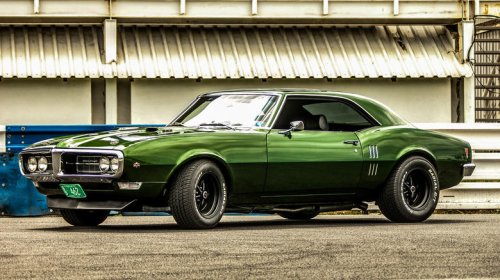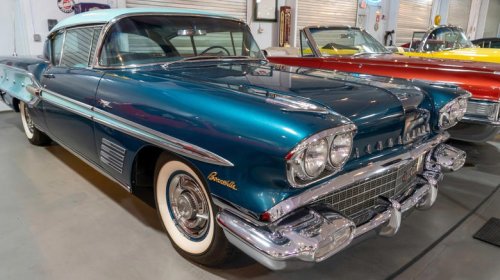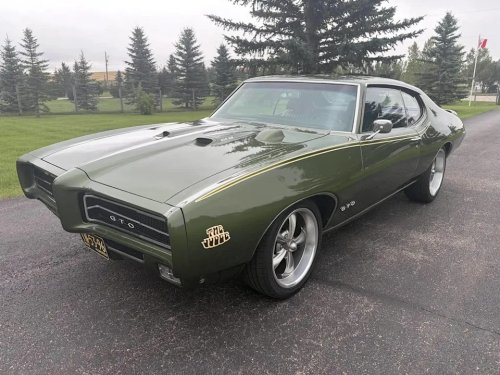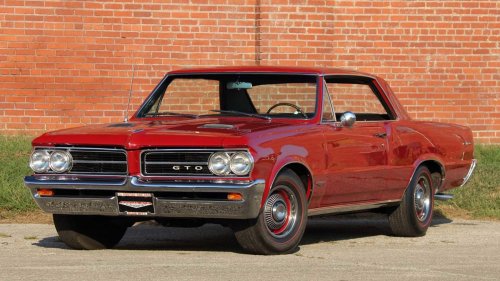
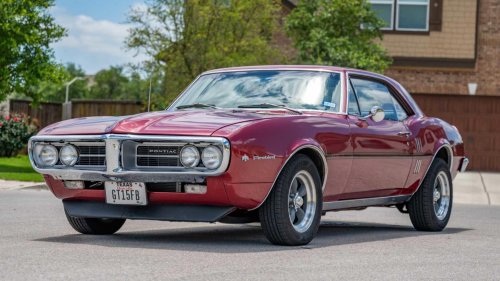
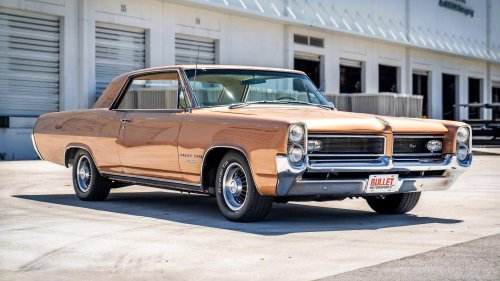
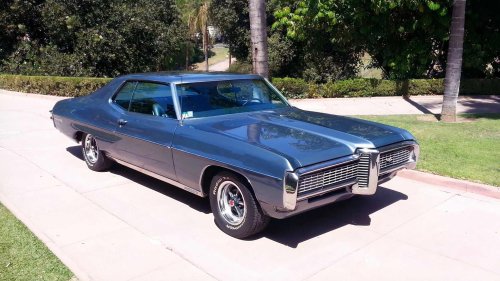
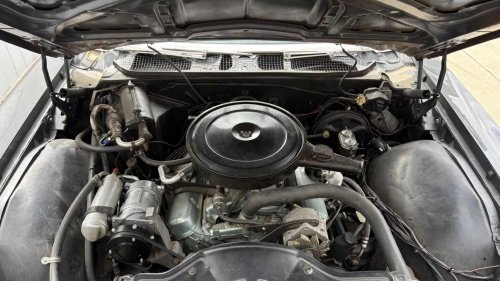
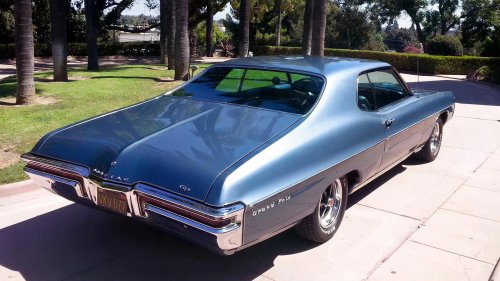
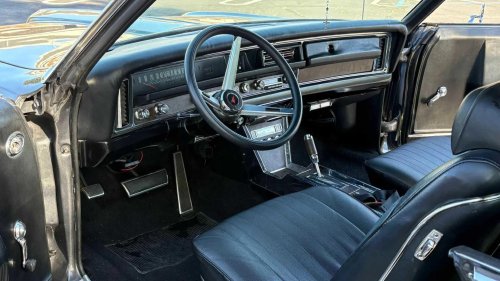
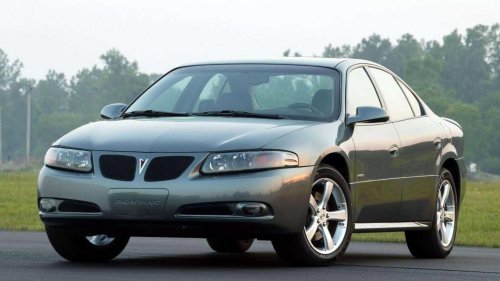



















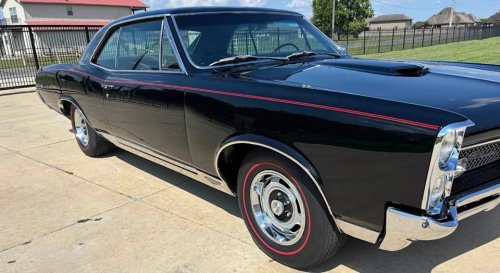
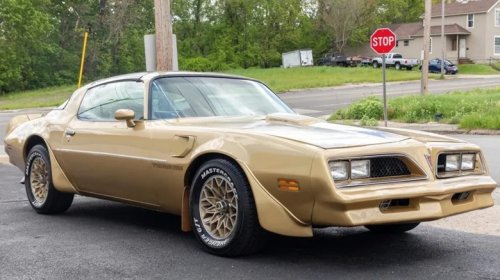
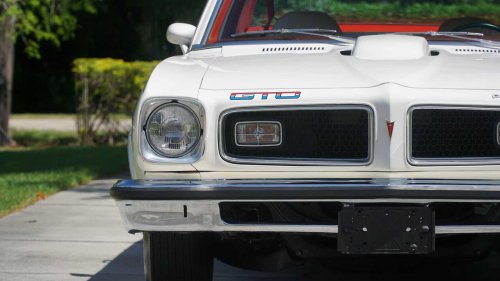
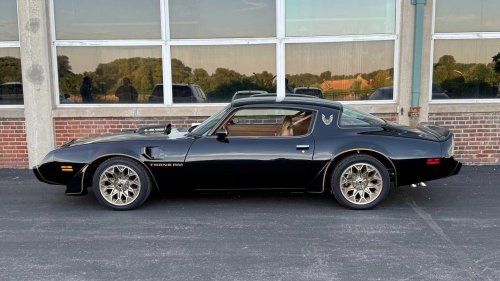
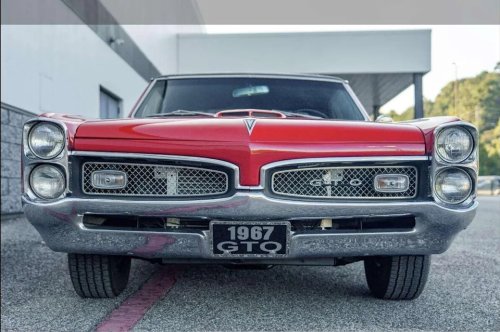


Pontiac was a company that could apparently do no wrong in the '60s. The muscle car pioneer summed up the period perfectly, with a rebellious style, a youthful image, and a rock and roll personality, all blended into one all-American carmaker. From the "Wide-Track" styling to the irreverent badging, Pontiac was a four-wheeled zeitgeist, and the public loved it. But one model showed that the company could lose its way with drastic results — was this a sign of things to come? With the Pontiac badge now well and truly retired, perhaps the warnings were there... Pontiac Was In The Driving Seat In The '60s Mecum Pontiac's entire future would change one Saturday morning over coffee. Young hotshot engineers John DeLorean, Russ Gee, and Bill Collins were called in to make Pontiac cooler and more youthful, and would meet early on the weekends at the Milford Proving Grounds to brainstorm ideas. Lifting a 1964 LeMans coupe on a lift to look at the mechanicals one morning, Collins apparently turned to DeLorean and said: “You know, John, it would take about 20 minutes to stick a 389 in here.” They did exactly that, and the car that was created was badged the GTO (borrowing from the exotic Ferrari GTO of the time). This would be seen by many as the first true muscle car. Pontiac, at this moment, was arguably the most important American carmaker in history. Pontiac Was All About Performance Bring a Trailer Pontiac spent a lot of the mid '60s building its performance image. Two years into its first generation, the Pontiac GTO became its own model in 1966 (having previously been an option package on the Tempest LeMans). The 1966 Pontiac GTO featured novel options such as the rare XS-Code 389, the first-ever fresh-air intake that would eventually turn into Ram Air. Then there was the new-for-1967 Pontiac Firebird, a close cousin of the Camaro, which could be optioned with a tire-shredding four-barrel 400 rated at 325 hp. Models like the GTO and the Firebird would see Pontiac through to the 2000s, in one form or the other, maintaining the company's image as a maker of exciting performance cars. The Grand Prix Was A Flagship Pontiac Bring A Trailer While the GTO grabbed all the headlines for Pontiac, it's worth remembering that there was another Pontiac model that shared a similar (albeit slightly lower compression) 389 V8. Essentially a Catalina coupe, the Grand Prix was built on GM’s perimeter-frame B-body platform and had a deluxe interior with a sporty feel. Buyers could also spec a 320-hp 421 four-barrel and even a 405-hp 421 Super Duty engine, although this was installed in just 16 Grand Prixs, says Hemmings. For anyone wanting a personal luxury coupe with all the trimmings and a stylish exterior, the Grand Prix ticked all the right boxes. But it wasn't all going Pontiac's way. By 1968, The Grand Prix Had Skidded Off The Circuit Bring A Trailer The original Grand Prix soldiered on through much of the '60s, but like some of the washed-up crooners of the '50s and early '60s, it was settling into a bloated midlife crisis. The grille now stretched across the car, with a kind of beak in the middle that looked like a pedestrian's worst nightmare. Rear fender skirts were standard, and the whole appearance was of a car that was collapsing under its own weight and importance.Thin horizontal taillights didn't help the impression of heft, and while the design was probably supposed to look streamlined, the relatively small wheels looked like casters under a tipped-over wardrobe. Vinyl roofs sat atop the car like bad toupees. At 216.3 inches long and 79.8 inches wide, with a curb weight of around 4,000 lbs, the 1968 Grand Prix was also the largest in the line, despite buyers warming to smaller cars. Even The Engine Lineup Couldn't Hide The Grand Prix's Slide Into Obscurity Bring A TrailerEven if the sporty looks were long gone, the engines still had a lot going for them in the Grand Prix. The base 400 ci V8 had 265 to 350 horsepower, and the 428 ci V8s went up to 375hp and 390hp for the 1968 428 HO. But the mighty motors couldn't make up for the fact that people had lost interest in the GP. In 1963, Pontiac had shifted 72,959 units of the Grand Prix, but by 1968, sales dropped to just 31,711 examples. It probably felt like Pontiac had misread the market with the ever-growing GP, a sign that it wasn't immune to mistakes. The Grand Prix Was Powered By Advertising Alone Bring A Trailer The writing was on the wall for the Grand Prix as early as 1967. Jim Wangers, Pontiac’s chief marketing manager of the time, has been quoted as saying that the company was running out of ways to sell the car, leading to questions about how it should be redesigned. The Grand Prix was a style-based machine that was sold on image more than anything else, which meant the marketing department was doing a lot of heavy lifting. Or as Wangers is reported as saying: “It was propped up by some very good advertising and marketing…It really didn’t have anything else going for it.” Pontiac Was Forced Into Action Bring A Trailer It was clear that full-sized coupes were losing their appeal, and Pontiac had to act fast. John DeLorean decided to switch the Grand Prix to the smaller A-body sedan chassis. The new car was smaller and lighter, but the fact that it had the longest hood in production car history meant that it was both striking in a 1930s way, and more sporty looking.The two-door coupe was back into its sporty stride too, with extras that included racy bucket seats, sculpted door handles, and an aircraft-inspired wrap-around cockpit. The wheelbase was now 118 inches, and the GP weighed around 800 pounds less than its chunky predecessor. Sales went through the roof, with Pontiac shifting 112,486 of these new slimline GPs for the 1969 model year alone. How The Grand Prix Was The First Chink In Pontiac's Armor General Motors The fact that the first GP became a louche lounge lizard instead of a muscle-adjacent flagship could be seen as the first crack in Pontiac's foundation. Did this set a precedent for the brand prioritizing generic personal luxury over genuine performance, which ultimately doomed the badge decades later? In the '80s and '90s, Pontiac tried to go from being a youthful brand to a push upmarket into the more prestigious tech and luxury sedan sector. Meanwhile, the LeMans was now a rebadged Korean hatchback.The Firebird soldiered on throughout the '90s, culminating in the punchy and well-resolved WS6. But then there was the Aztec — a strange SUV that hovers between sales flop and cult icon. Ultimately, Pontiac often deviated from the hard-fought performance positioning that had made its name starting that Saturday morning over coffee. By 2010, the company was no more — and its fast, stylish models are sadly missed today.Sources: Hagerty.com, Hemmings.com