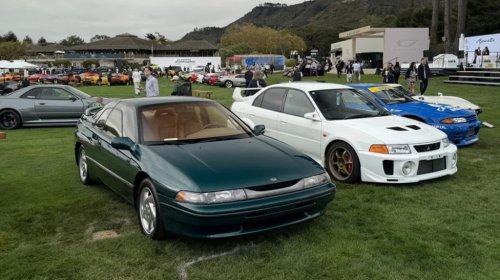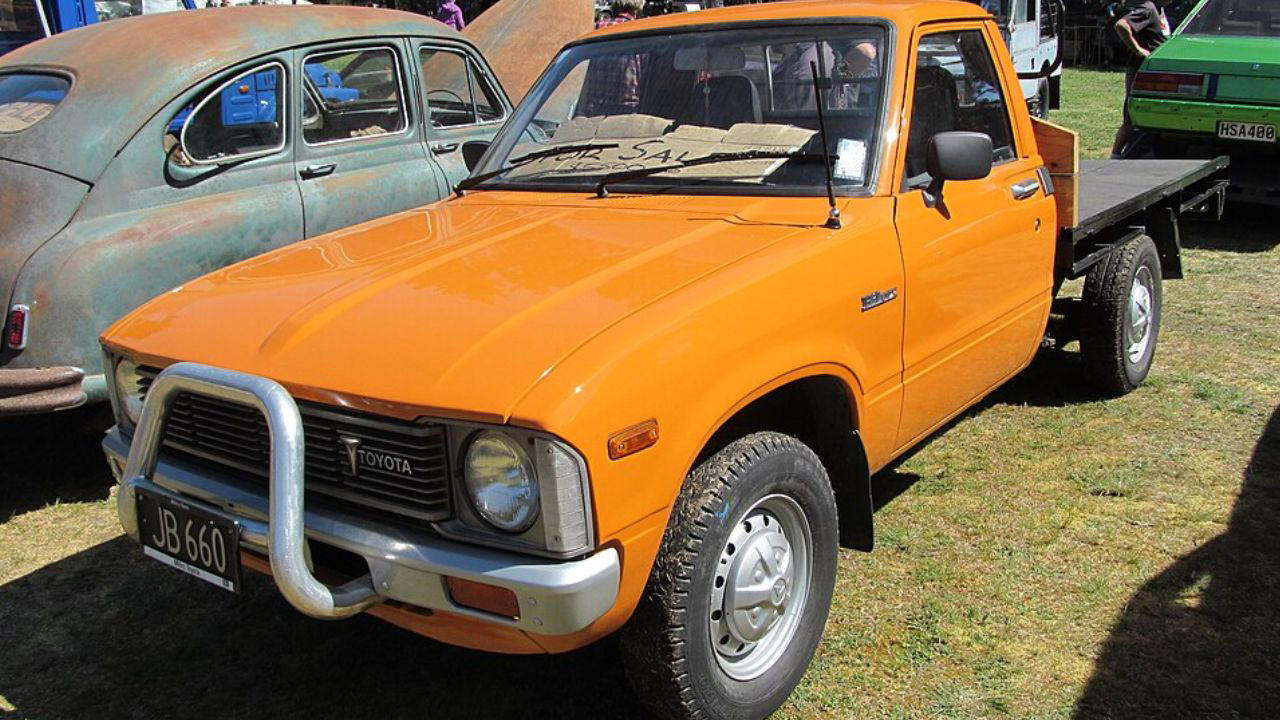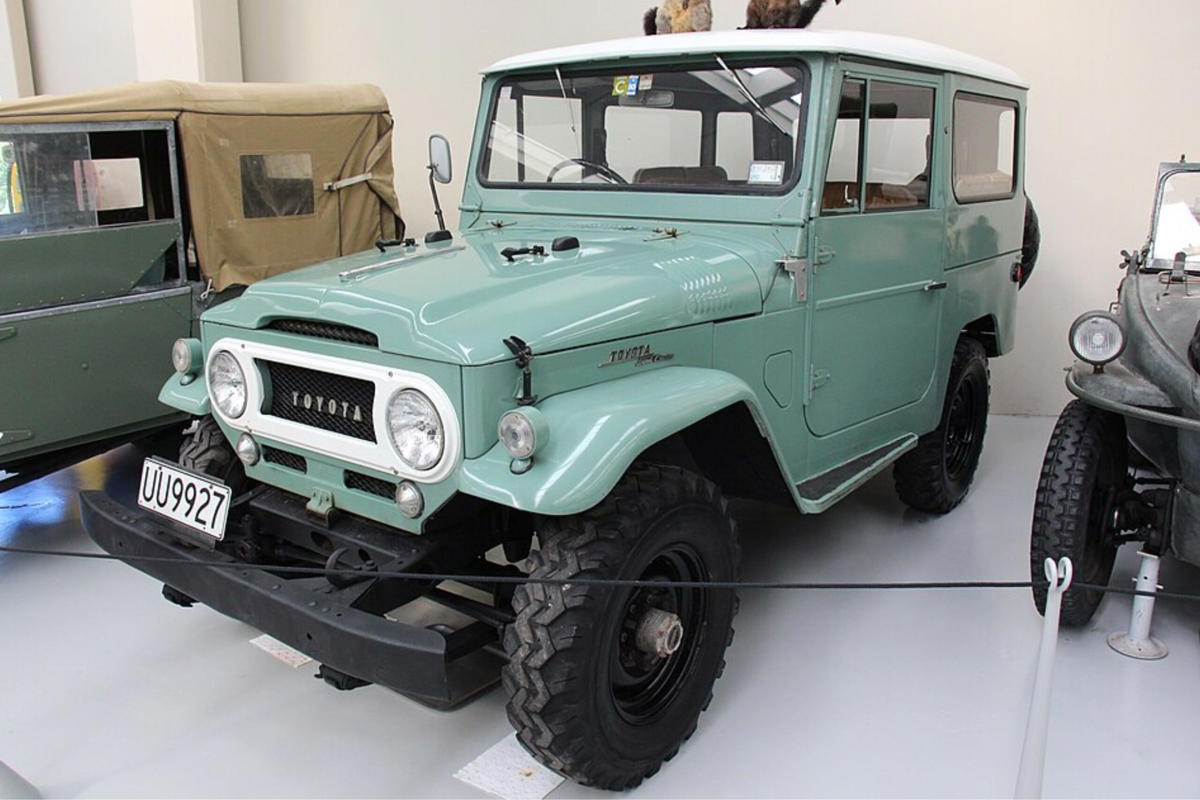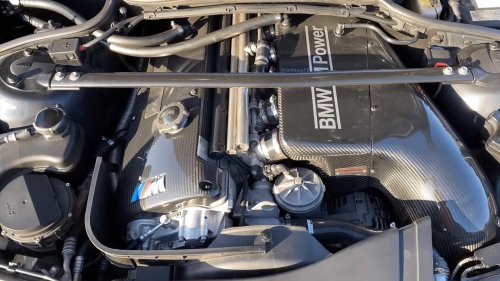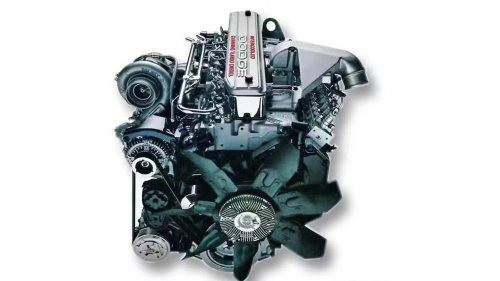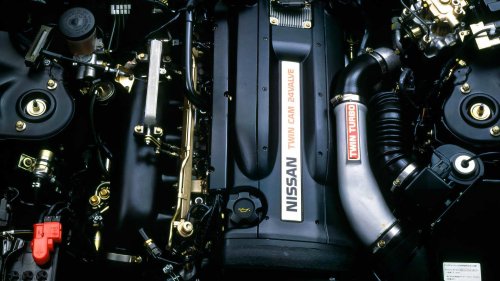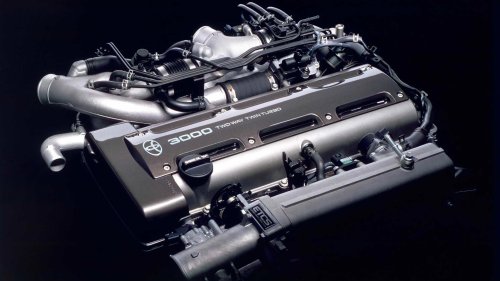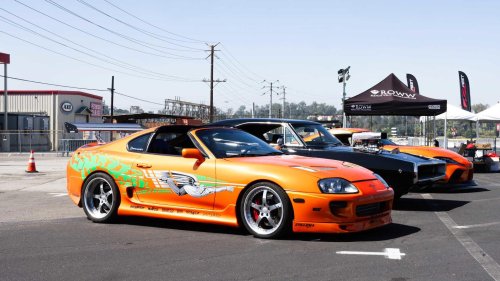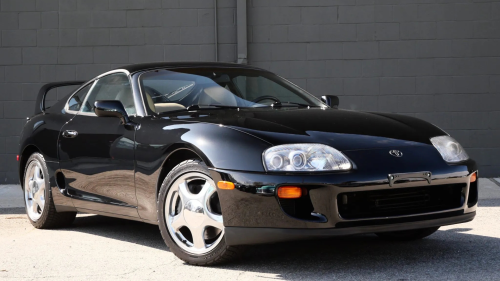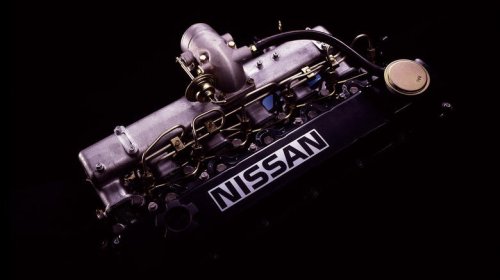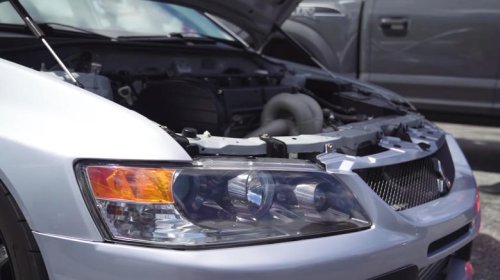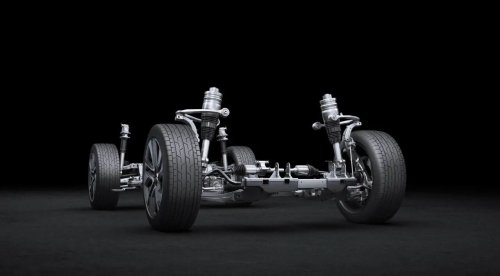
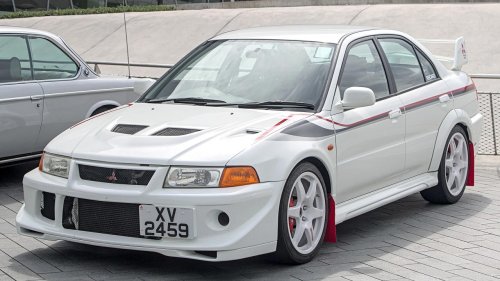
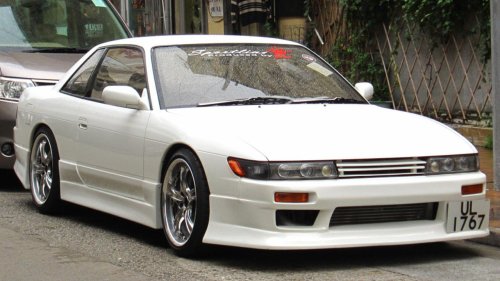
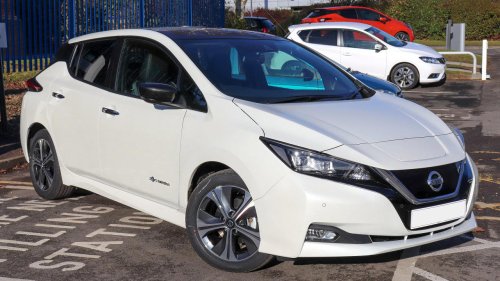



















Japanese Domestic Market (JDM) imports have become a global phenomenon, captivating car enthusiasts and influencing automotive trends worldwide. These vehicles have transcended their origins, impacting car culture, industry practices, and consumer preferences on a global scale. The Rise of JDM Popularity Image Credit: Calreyn88, via Wikimedia Commons, CC BY-SA 4.0 The initial wave of JDM imports in the 1980s and 1990s marked a significant turning point in the automotive world. Iconic models like the Nissan Skyline and Toyota Supra captured the imagination of car enthusiasts, offering performance and design that were often unavailable in domestic markets. These vehicles, initially intended for the Japanese market, found a new life overseas, driven by their unique engineering and the allure of exclusivity. Media and pop culture have played a crucial role in amplifying the appeal of JDM cars. Movies like “The Fast and the Furious” franchise and video games such as “Gran Turismo” have showcased these vehicles, embedding them into the fabric of popular culture. Online communities and forums have further fueled this interest, providing platforms for enthusiasts to share their passion and knowledge about JDM cars. Enthusiast communities and car shows dedicated to JDM vehicles have fostered a passionate, global fanbase. Events like the Tokyo Auto Salon and local car meets around the world celebrate these imports, allowing owners and fans to connect over their shared appreciation for Japanese automotive craftsmanship. These gatherings not only highlight the vehicles themselves but also the vibrant culture that surrounds them. Impact on Global Automotive Markets Image Credit: Alexander-93, via Wikimedia Commons, CC BY-SA 4.0 JDM vehicles have significantly influenced car manufacturing and design worldwide. Their emphasis on performance, reliability, and innovative engineering has inspired global automotive trends. Manufacturers outside Japan have adopted design elements and technologies pioneered by JDM models, integrating them into their own vehicles to meet evolving consumer demands. The economic implications of JDM imports are substantial, affecting local markets and the broader automotive sector. Import businesses have emerged to meet the growing demand for these vehicles, navigating complex trade regulations to bring them to international buyers. This trade has not only boosted local economies but also introduced new challenges, such as ensuring compliance with varying safety and emissions standards. Consumer preferences have shifted as a result of JDM imports, with buyers increasingly seeking cars that offer performance, reliability, and unique styling. This shift has prompted manufacturers to diversify their offerings, incorporating elements that appeal to enthusiasts of Japanese automotive culture. The demand for JDM-inspired features has become a driving force in the global automotive market. Cultural Exchange and Integration Image Credit: Rutger van der Maar, via Wikimedia Commons, CC BY 2.0 The importation of JDM vehicles has facilitated a rich cultural exchange between Japan and other countries. Collaborations in motorsports and automotive design have emerged, blending Japanese innovation with international expertise. This cross-cultural influence has enriched the automotive landscape, fostering a spirit of collaboration and mutual appreciation. JDM imports have also played a role in preserving and celebrating automotive heritage. Enthusiasts and collectors value these vehicles not only for their performance but also for their historical significance. By maintaining and restoring classic JDM models, they contribute to the preservation of automotive history and innovation, ensuring that these vehicles remain a vital part of car culture. However, the JDM import scene is not without its challenges and controversies. Legal restrictions in some countries limit the importation of certain models, while the proliferation of counterfeit parts poses risks to both safety and authenticity. Additionally, the cultural appropriation of Japanese automotive culture raises questions about respect and representation in the global car community. Future of JDM Imports Image Credit: Vauxford, via Wikimedia Commons, CC BY-SA 4.0 The future of JDM imports is poised for continued evolution, with emerging markets and technological advancements shaping the landscape. As interest in these vehicles grows, new markets are opening up, offering opportunities for expansion and innovation. Technological advancements, particularly in electric vehicles, present both challenges and opportunities for the JDM scene. Sustainability and environmental considerations are increasingly important in the context of JDM imports. As the global automotive industry shifts towards electric vehicles, the role of traditional JDM cars is being re-evaluated. Enthusiasts and manufacturers alike are exploring ways to integrate sustainable practices while preserving the essence of JDM culture. Prospective challenges in the JDM import landscape include regulatory changes and the impact of global economic shifts. Navigating these challenges will require adaptability and innovation from both importers and enthusiasts. Despite these hurdles, the passion for JDM vehicles continues to drive interest and investment, ensuring their place in the future of the automotive world. Like Fast Lane Only’s content? Be sure to follow us. Here’s more from us: Unboxing the WWII Jeep in a Crate The Fastest Farm Truck Ever Built *Created with AI assistance and editor review.