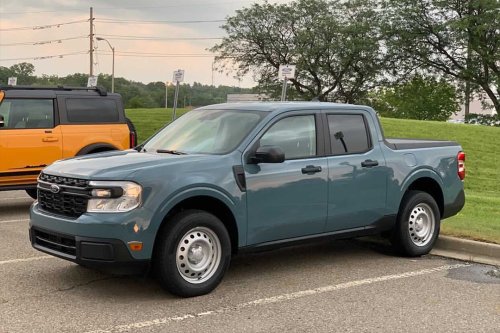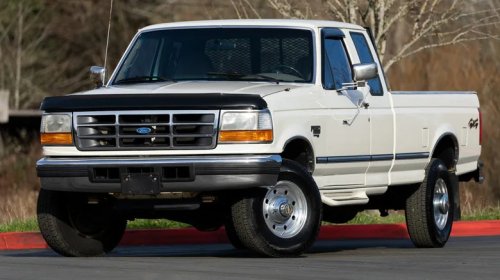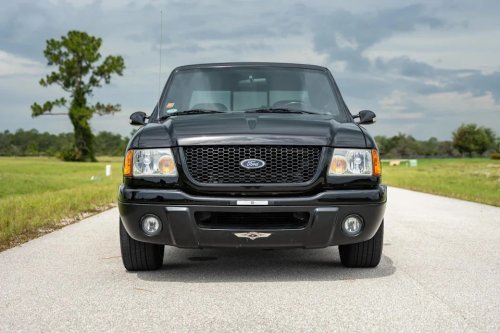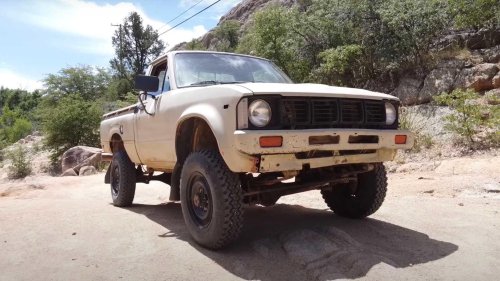
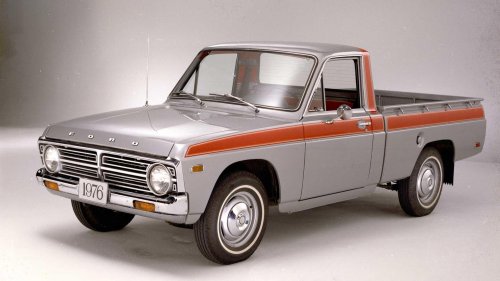
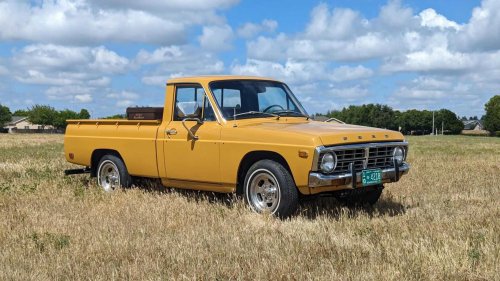
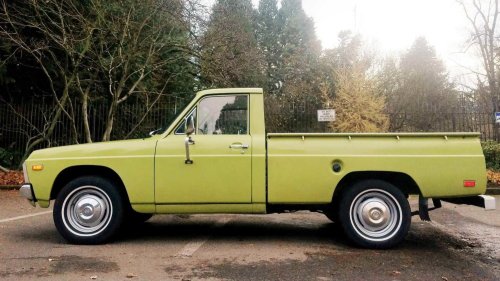



















When it comes to Ford trucks, two historic flagship models typically come to mind. The Ford F-150 and Ford Ranger have been an iconic duo like Batman and Robin for years. But the Ranger actually owes its success to a forgotten Ford pickup. There was another compact truck that paved the way for the Ranger’s success as the Ford F-150’s younger brother. The truck that came before the Ranger was built to fill a gap in the lineup for those who didn’t need something as big, powerful, and expensive as the F-100. The compact truck was actually pretty popular too. It survived in other countries for years before being replaced by the modern Ranger.Coincidentally, this historic truck that ended up making waves has something in common with the Ford Maverick. This early 1970s compact truck borrowed its name, and the Maverick truck took its title from a muscle car. Both of the compact trucks quickly became extremely popular as well. Ford Was Behind In The Compact Truck Segment High Mileage Reviews Via: YouTubeIn the late 1960s and early 1970s, Ford was falling a bit behind its rivals in the tiny truck segment. Young drivers were flocking to imported Japanese mini-trucks that served as affordable, practical work trucks. They were durable and fuel-efficient, which proved a massive benefit during the fuel crisis as gas prices skyrocketed.In order to catch up with competitors like the Toyota Hilux, Ford decided that it would be best to import a light truck instead of taking the time to build a new truck. Building a brand-new platform would take months to years. Plus, Ford thought the compact truck phase might just be a passing trend. So, by importing a light frame to rebadge, it was protecting itself from financial risk. Ford also had a way to get around the 25% chicken tax placed on imported vehicles. By importing the truck as an incomplete “cab chassis” or without the cargo box, and attaching the beds later, it was only subject to a 4% tariff. It’s almost like history is repeating itself as the Maverick is assembled in Mexico and faces rising tariff costs. The Ford Courier Went Beyond The Ford Ranchero FordThe Ford Courier arrived in 1972 as a rebadged Mazda B-Series truck. It had modest styling updates to give it a unique flavor. For example, the Courier features a grille designed by Ford and a different tailgate. But the trucks used the same chassis, engine, body, and compact attitude. It was available for those who needed a truck, but didn’t need as much truck as the massive half-ton F-100 had to offer with its available 6 ½ and 8-foot beds.From 1972 to 1976, the Courier was available with a 1.8-liter inline-four engine with 74 hp and 92 lb-ft of torque. Then from 1977 to 1982, it was available with a 2.3-liter inline-four engine with 88 hp and 119 LB-FT of torque. The available 2.0-liter inline-four engine cranks out 88 hp and 119 lb-ft of torque. Also, it can tow up to 1,433 lbs with its convenient 104-inch wheelbase.The Ford Courier served as an affordable, rugged work truck that was better equipped for towing, hauling, and off-roading than the Ford Ranchero. While the Courier was a tough truck with a body-on-frame build, the Ranchero was a luxury two-door sedan with a truck bed for light hauling duties. The Ford Courier Was Successful Worldwide Bring A TrailerOnce the Ford Courier arrived, it was an instant success due to its affordable price, solid fuel economy, and capability among thrifty drivers. Plus, because it was styled to match the larger Ford 100, it appealed to ‘real’ truck enthusiasts over the Econoline cab-over truck and Ranchero sedan. When the compact truck launched in America, it sold 27,000 models during its first year. This was during a shortened year and partial launch in select markets. During its peak, the truck was selling about 50,000 to 60,000 models annually. Ford was consistently getting part of the import market pie thanks to this compact pickup.In America, the Courier was discontinued in 1982. This is when it was replaced by the American-built Ford Ranger. After the Courier proved that compact trucks were here to stay, the Ranger was built to directly compete against imported rivals. The Ranger provided more engine options and higher payload capacities. Plus, the Ranger had a more efficient, aerodynamic design.As a global compact truck, the Courier survived for many decades in international markets. The Courier survived as a rebadged Mazda B-Series truck in places like Australia and New Zealand until it was replaced by the Ford Ranger in 2006. The Courier name still survives in Europe today. However, the modern Transit Courier is currently a cargo van instead of a truck. The Ford Courier Is An Affordable Vintage Truck Bring A TrailerCollectors are eager to find the Ford Courier at online auctions because of its historic lore as a durable mini-truck. Plus, it’s easy to drive and fuel efficient. Another important aspect is its retro styling and unique F-150-like look that encapsulates the popularity of small trucks in the late 1970s and early 1980s era. These are affordable trucks that can be found for between $5,000 to over $15,000 depending on quality and condition. Because this was an affordable work truck, many models were subjected to harsh conditions and were run into the ground. It’s believed that only a few hundred to a couple of thousand American Courier trucks still survive today.Pristine examples with a low number of miles fetch higher prices. Because it’s a rebadged Mazda B-Series truck, it’s notoriously difficult yet straightforward to work on. But luckily, this truck was popular. So replacement parts are widely available and are typically easy to find. Harder parts to find include the body panels.Source: Car’s Guide, Hemmings, Bring A Trailer