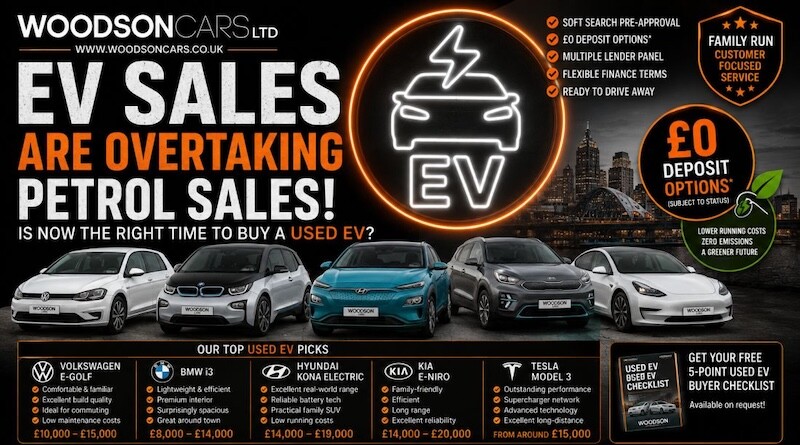
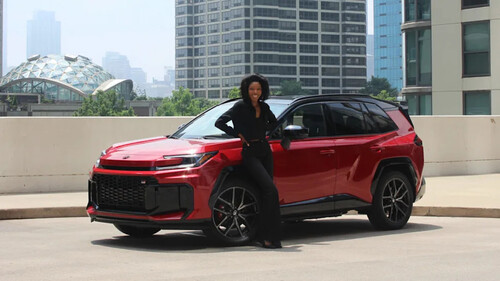
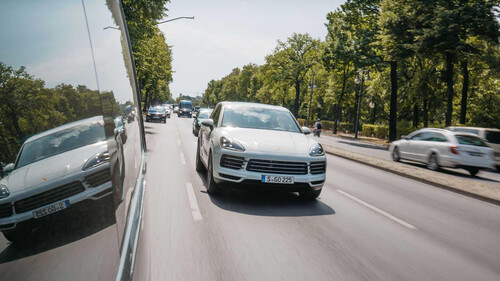
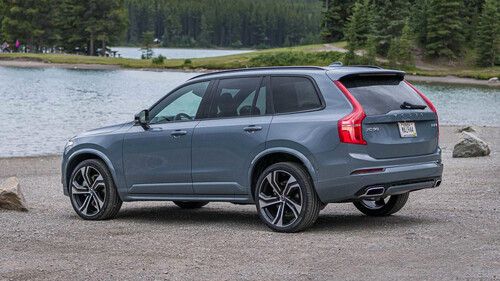
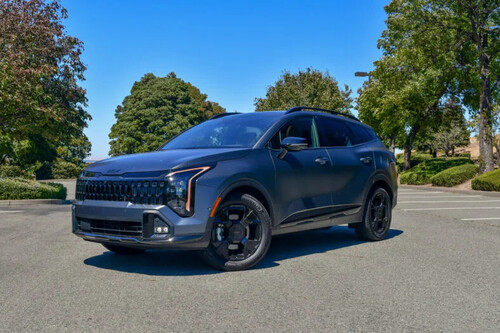
The case for buying a used EV was once a simple one. Just like any conventional car, a pre-owned EV is more affordable than its new counterpart. However, that’s not the end of the story. A new study indicates that used EVs hold a clear advantage over gas-powered vehicles in terms of reliability, with the electric advantage growing as the miles add up. Used EVs And The Affordability Factor The affordability factor already plays an outsized role in the US market, for example, where used car sales of any sort routinely overwhelm new car sales. About 75% of drivers in the US buy their cars in a pre-owned state. Given those figures, a healthy market for used EVs can help accelerate the vehicle electrification movement by making zero emission rides more affordable for more members of the driving public. The hard part is convincing used car buyers that a pre-owned EV is just as reliable, if not more so, than any other used car. EV-curious buyers need to be assured that their up-front savings won’t drip away as repair bills mount. The leading UK automotive organization BVRLA (British Vehicle Rental and Leasing Association) has an answer for that. Last week BVRLA released a study of vehicle test certificates administered through the Driver and Vehicle Standards Agency. The “MOT” test, as it is commonly known, was first established in 1960’s as a basic measurement of road safety including brakes, tires, suspension, steering and lights. Conspicuously absent from that list are battery health and remaining battery capacity. Nevertheless, the MOT data shows that EVs pass at a higher rate than other cars. “One of the oldest rules of buying a used car could be becoming obsolete in the electric age, after analysis of 47.4 million MOT tests found high-mileage electric cars are significantly less likely to fail than petrol equivalents,” BVRLA summarizes. Used EV Reliability The “oldest rule” that BVRLA refers to a long-held belief that higher-mileage used cars are more likely to need repairs after about 60,000 miles, which they do. In contrast, the MOT data indicates that EVs maintain a steady rate of reliability long past the 60,000 mile mark. BVRLA commissioned the firm New AutoMotive to conduct the study. At a relatively low mileage scenario of 20,000 to 40,000 miles, New AutoMotive reported a nearly equal MOT failure rate of 12% for battery EVs and 11.7% for petrol cars. That equivalency soon fades, though. The failure rate for gas and diesel vehicles keeps on rising after the 60,000 mark. In contrast, EVs hit the 16% mark and stayed there, well into the triple digits. “Among cars aged three to eight with between 90,000 and 120,000 miles on the clock, 16.5% of EVs failed their MOT compared with 22.1% of petrol cars, making the electric cars around 25% less likely to fail,” BVRLA explains. “Above 120,000 miles, the gap grows further, with a 16.0% failure rate for EVs compared with 23.5% for petrol,” BVRLA adds. Additionally, the MOT data indicates that older EVs stay on the road for longer periods of time than their petrol counterparts. Specifically, the study found that 94.6% of EVs returned for their next MOT at age 15 years of age, compared to 88.1% of petrol cars. The Caveats The takeaway from the MOT data is that car buyers don’t have to take a hard pass on a used EV based on high mileage alone. “What this data shows is that mileage alone should not put consumers off. A well-maintained, higher-mileage electric car can be an extremely durable used vehicle,” BVRLA emphasizes. New AutoMotive chief executive Ben Nelmes also makes the case for used EV reliability. “High mileage isn’t a proxy for poor condition in the way buyers have traditionally assumed,” he said in a press statement. “The data suggests the mechanical simplicity of an electric drivetrain starts to become increasingly valuable as cars accumulate miles.” There being no such thing as a free lunch, the MOT study does underscore areas where EV buyers need to do their homework. As indicated by other studies, for example, the MOT data show that tire defects appear more frequently in EVs, with older EVs built on ICE platforms being particularly problematic. Brake defects can also vary. “High-mileage EVs experienced substantially fewer brake defects, but older, low-mileage electric cars showed increased friction-brake defects, which the researchers attribute to corrosion associated with the physical brakes being used less frequently,” BVRLA summarizes. Crossing The Used EV Divide As BVRLA notes, used car buyers don’t necessarily have to cross high-mileage EVs off their lists, but they do need to consider other key elements including the car’s history and condition along with battery health. A quick trip through the Intertubes reveals that some used car dealers have integrated those lessons into their used EV sales pitch. The UK dealer Woodson Cars, for example, recommends checking battery health percentage along with charging history, warranty, and any fault codes that may pop up. They also advise that buyers skip the manufacturer’s battery range claims and consider real-world variables including their daily driving habits, home charging availability, and seasonal impacts on range. Additionally, drivers should check for compatibility with public charging ports. Rounding out the checklist is the car’s overall condition and accident history, and its routine maintenance schedule including software updates as well as brakes, tires, and the like. Woodson also advises buyers that it flags used EVs with excessive battery degradation, a sketchy repair history, or issues with the charging port. Meanwhile, Over Here In The USA… Meanwhile, advocates for the vehicle electrification movement over here in the US are bemoaning the crash in EV sales that followed the premature elimination of the federal $7,500 EV tax credit last year. Still, it could have been worse. A fresh wave of off-lease EVs surged into the market earlier this year to help keep EV sales afloat, and US President Donald Trump’s war in Iran has also sparked a fresh wave of interest in EVs. All else being equal, a new study by Harvard economists indicates that EVs of any sort will account for 38% of new car sales in the US by 2030. That’s a rather ambitious model, considering that the same team estimated EV penetration at only 8% in 2025. Still, the price of gas has nowhere to go but up, while the case for buying a used EV grows stronger. Adding to the mix is the forthcoming Ford Fathom electric pickup truck and other soon-to-be produced EVs that skew towards the more budget-conscious members of the driving public. Image: Car dealers in the UK can add high-mileage reliability to their sales pitch for used EVs, as supported by a new study of standard road safety tests comparing electric cars with gas-powered cars (cropped; courtesy of Woodson Cars).