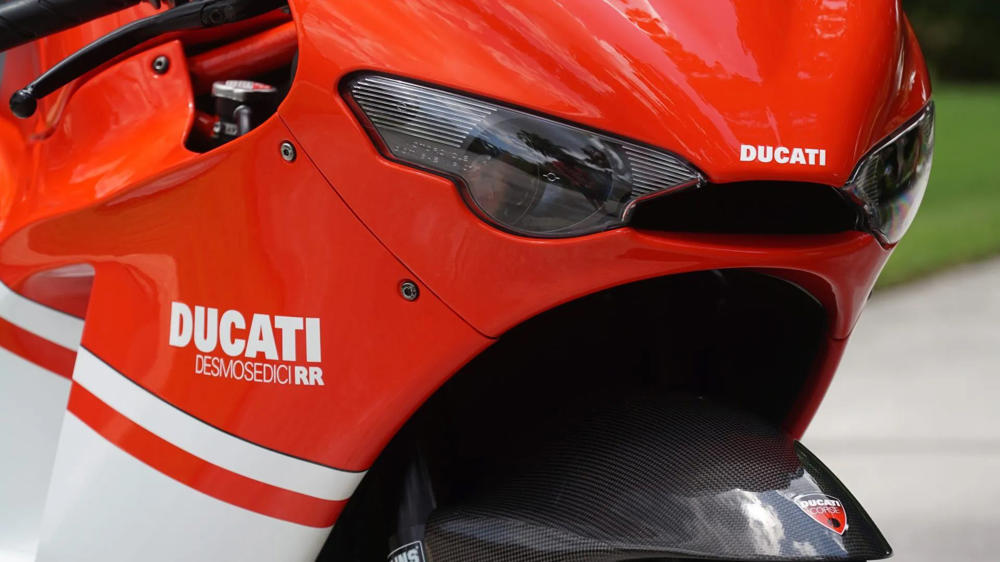
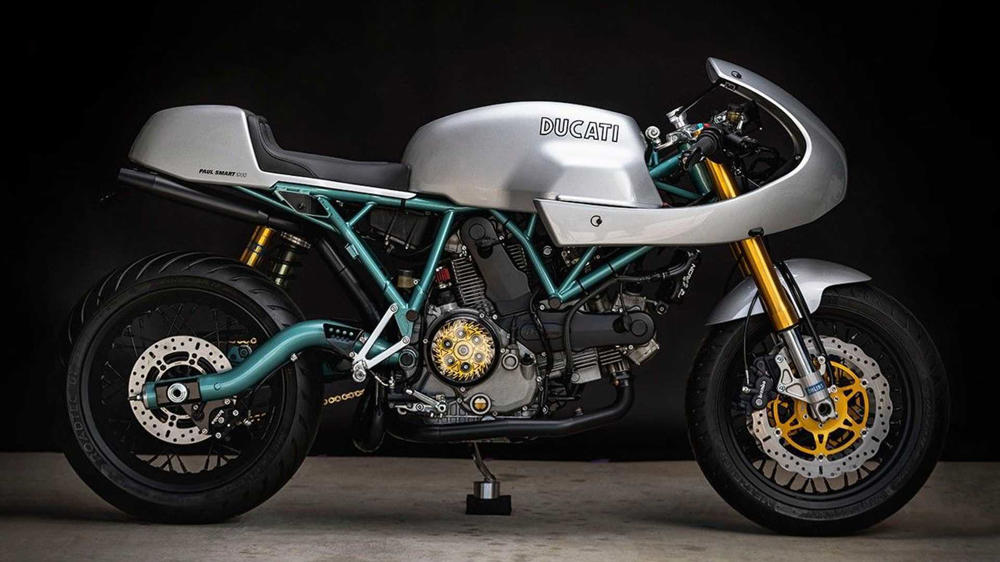
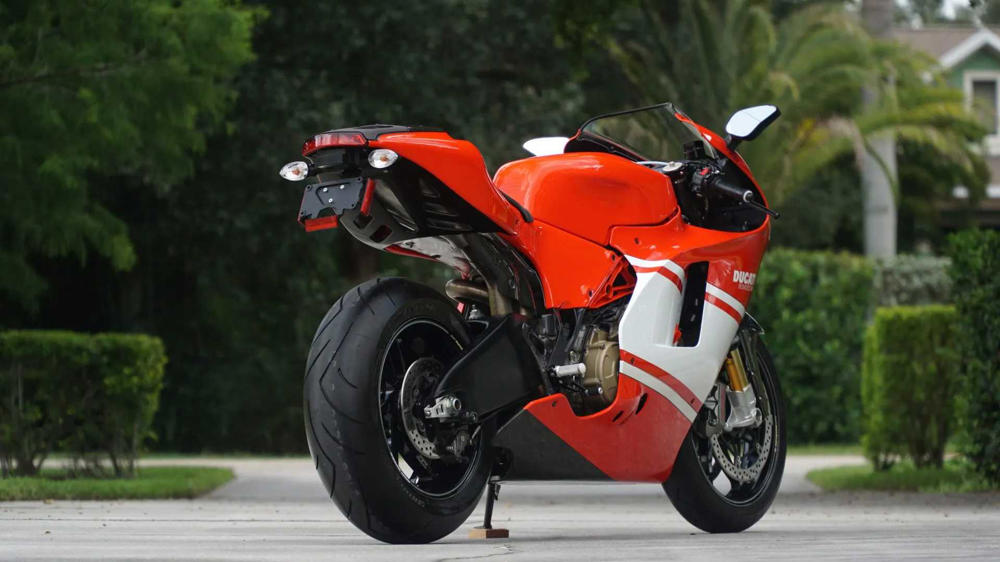
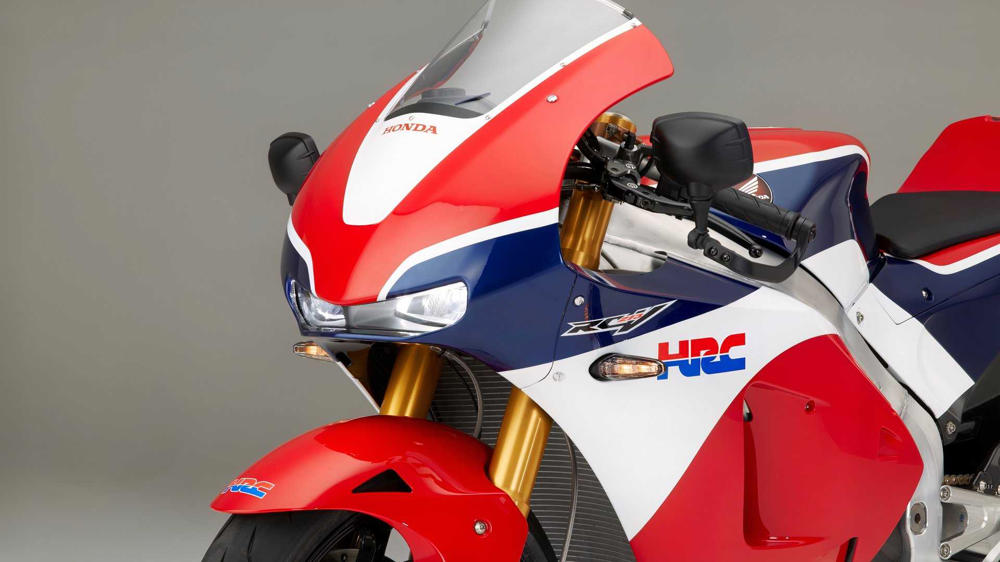
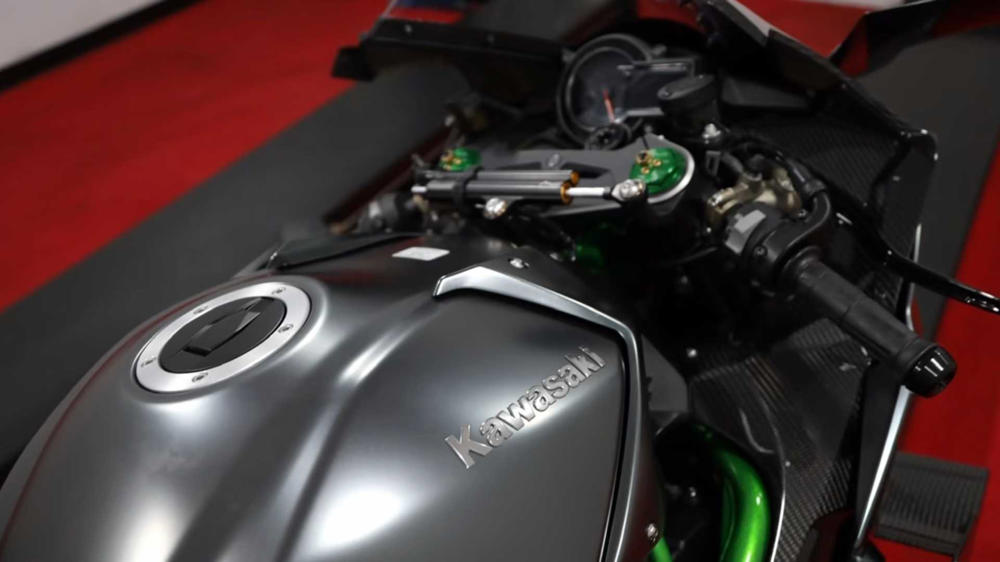
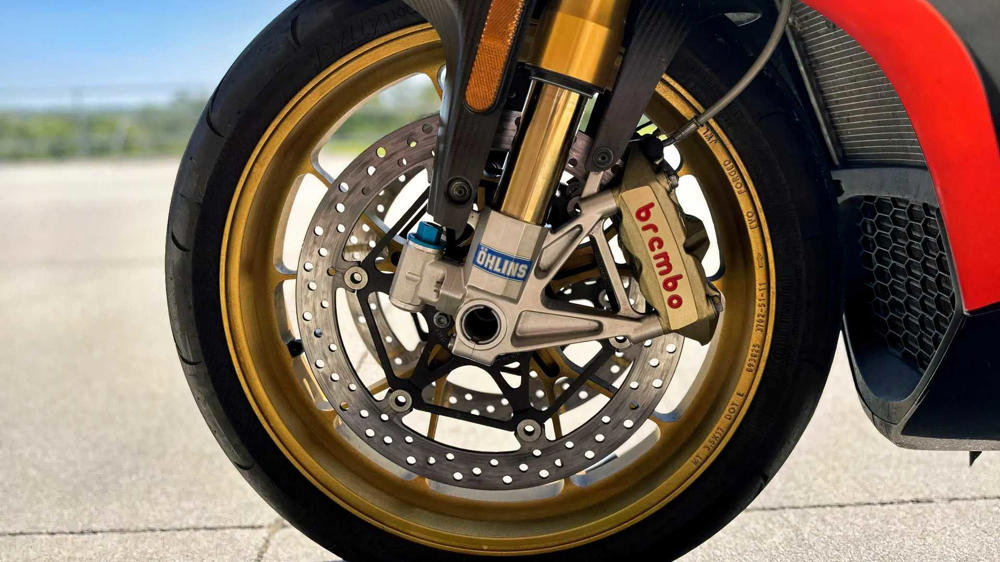
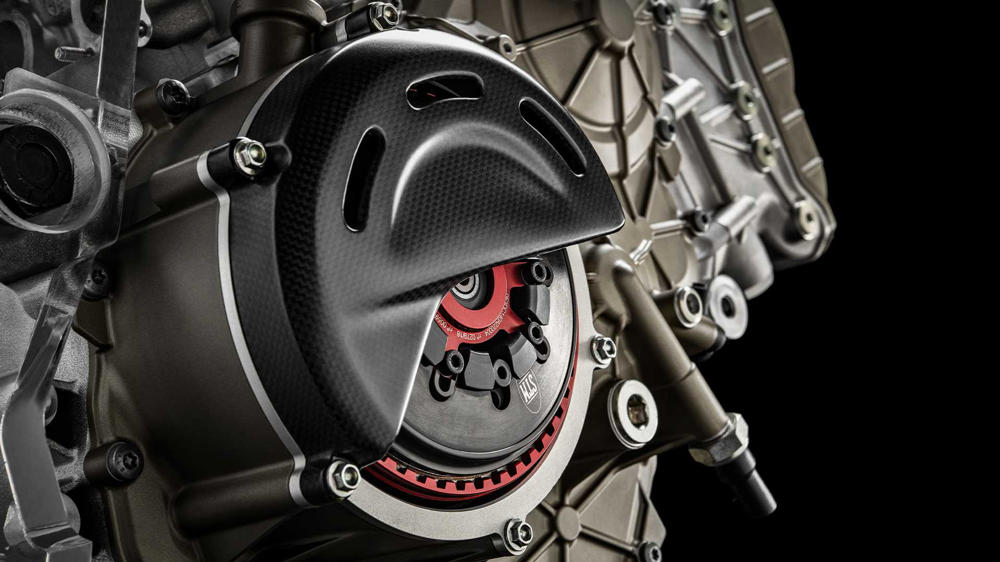
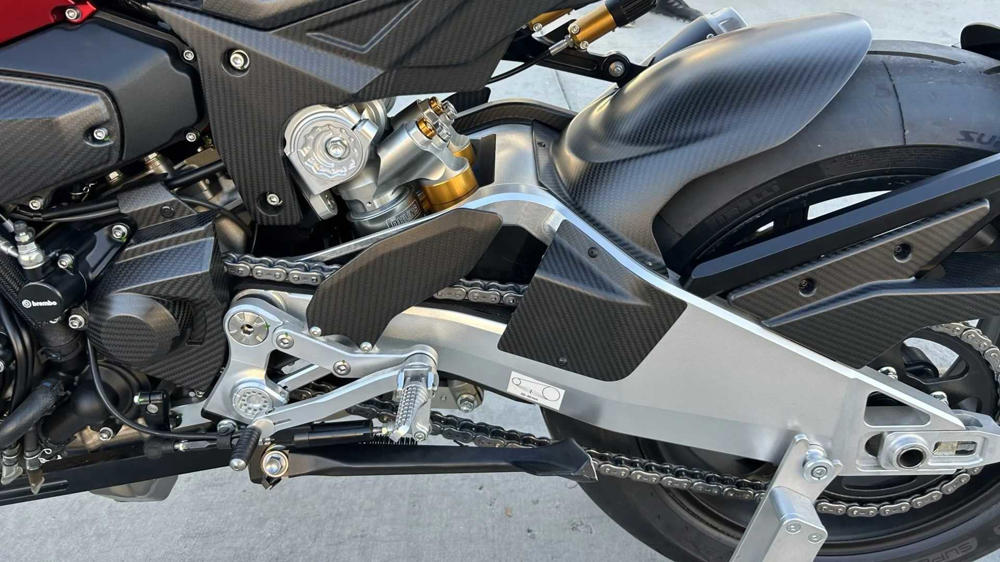
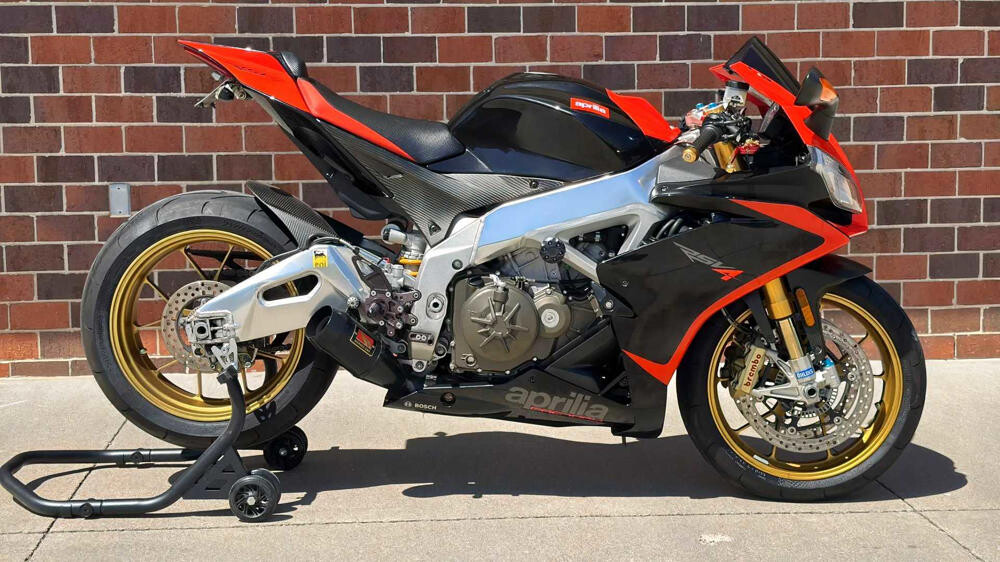
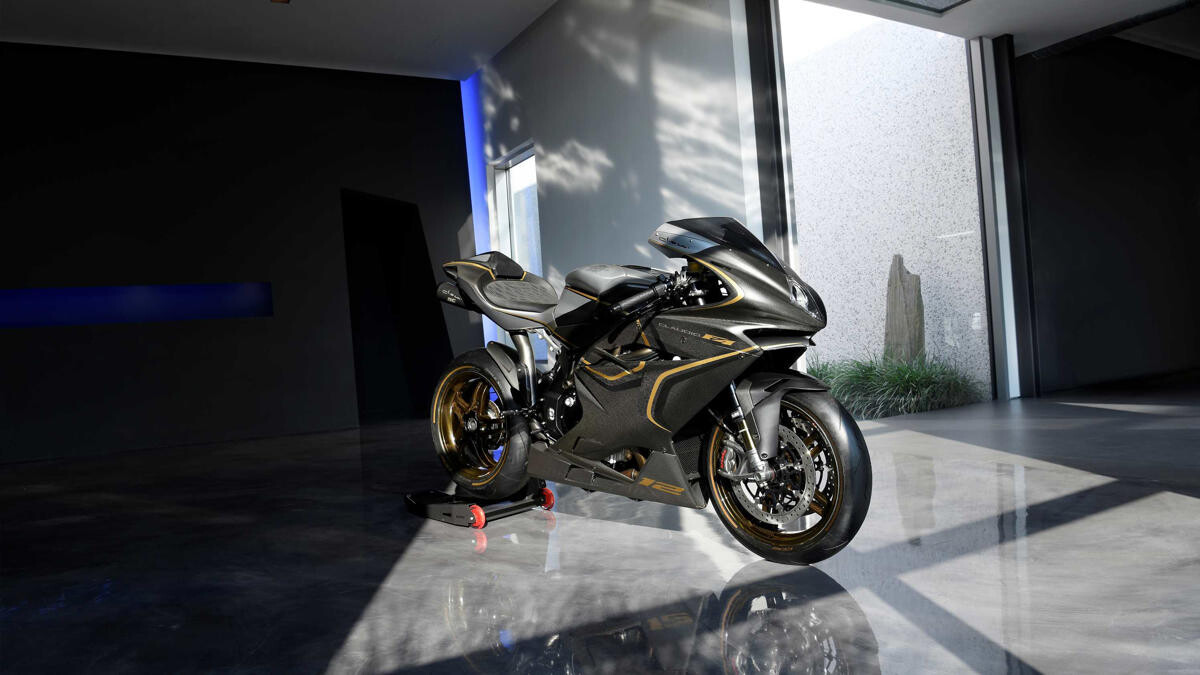
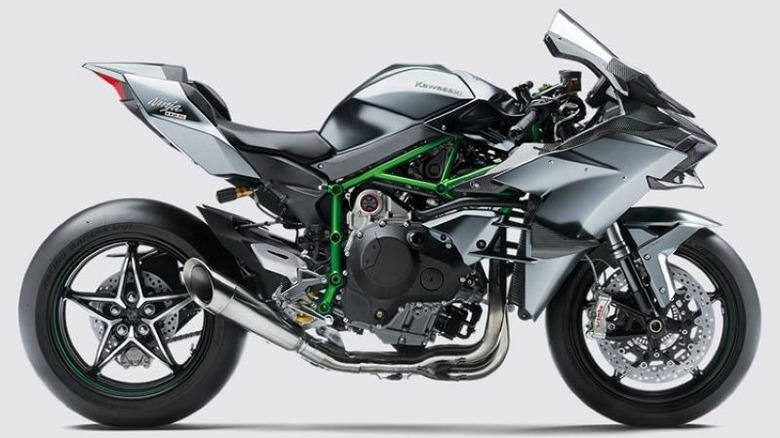
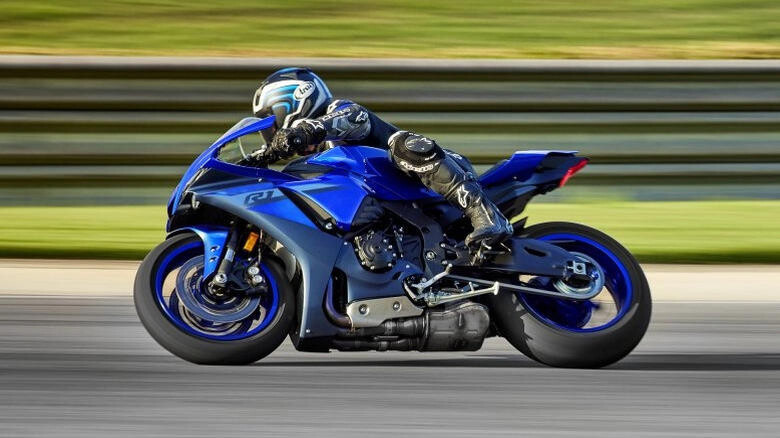
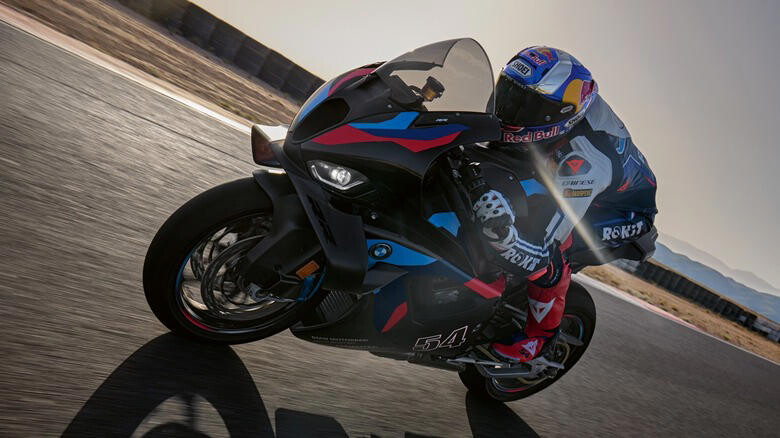
Some motorcycles do more than break speed records or turn heads – they become legends, and collectors often pay serious money to own a piece of that history. Limited production, racing heritage, unusual engineering, and timeless designs can turn an expensive machine into a prized collectible. However, rarity alone doesn't guarantee rising values – the strongest candidates offer something that newer motorcycles cannot easily replace. Ducati Paul Smart 1000LE Production Years: 2006 The Ducati Paul Smart 1000LE proves that motorcycles don't need outrageous horsepower to become collectible. Ducati built just 2,000 examples to celebrate Paul Smart's famous victory at the 1972 Imola 200. Its silver bodywork, sea-green trellis frame, and rounded fairing capture the spirit of classic Ducati racers. Meanwhile, the 992cc air-cooled L-twin produces around 90 horsepower. Unlike many retro motorcycles, the Paul Smart 1000LE offers premium Öhlins suspension and genuinely engaging handling. Its aggressive riding position isn't particularly comfortable, but collectors aren't buying these machines for daily commuting. The limited production run, racing connection, and unmistakable styling make original, well-preserved examples especially desirable. MV Agusta F4 CC Production Years: 2007 The MV Agusta F4 CC represents Italian motorcycle extravagance at its finest. Named after Claudio Castiglioni, the businessman who revived MV Agusta, this exclusive superbike features a 1,078cc inline-four producing up to 200 horsepower with its racing exhaust. Carbon-fiber bodywork, premium components, and stunning craftsmanship helped justify its original $120,000 price. MV Agusta produced just 100 examples worldwide, making the F4 CC exceptionally rare. Each motorcycle originally included a matching Girard-Perregaux watch and a Trussardi leather jacket. Those accessories could become important to future collectors seeking complete examples. Its connection to Castiglioni and the legendary F4 design gives it historical significance beyond its impressive specifications. Ducati Desmosedici RR Production Years: 2007–2008 The Ducati Desmosedici RR brought genuine MotoGP-inspired engineering to public roads. Its 989cc V4 engine produces approximately 200 horsepower with the racing exhaust, while its desmodromic valve system connects it directly to Ducati's racing philosophy. Only 1,500 examples left the factory, making this one of the most exclusive road-legal Ducatis of its time. Its arrival also coincided with Casey Stoner's 2007 MotoGP championship, adding another chapter to its racing story. Unlike conventional superbikes dressed in racing colors, the Desmosedici RR offers an unusually authentic Grand Prix experience. Specialized maintenance can be expensive, but its distinctive engine, limited production, and championship-era connection strengthen its collectible appeal. Honda RC213V-S Production Years: 2015–2016 Honda rarely builds motorcycles as extreme as the RC213V-S. Developed from the company's MotoGP technology, this road-legal machine features a 999cc V4 engine, gear-driven camshafts, and advanced racing components. Its original U.S. price reached $184,000, reflecting Honda's extraordinary engineering ambitions. The standard European specification produced 159 metric horsepower, while the optional closed-course Sports Kit increased output beyond 215 metric horsepower. The American version had different restrictions, making specifications particularly important to collectors. Its connection to Honda's championship-winning MotoGP program gives the RC213V-S a special place in motorcycle history. Few production motorcycles offer such a direct link to Grand Prix engineering. Kawasaki Ninja H2R Production Years: 2015–Present The Kawasaki Ninja H2R takes horsepower figures to ridiculous heights. Its supercharged 998cc inline-four produces 310 metric horsepower, increasing to 326 with ram-air assistance. Kawasaki developed this track-only motorcycle without the compromises required for road use, resulting in aggressive aerodynamics, extraordinary acceleration, and a distinctive supercharger whistle. Unlike numbered limited editions, the H2R remains in Kawasaki's lineup, so its long-term rarity remains uncertain. However, its supercharged engine and extreme performance make it an important engineering landmark. Early, unmodified examples with low mileage could eventually attract particular attention. After all, motorcycles with this much power don't exactly grow on trees. Yamaha YZF-R1M Production Years: 2015–Present The Yamaha YZF-R1M brought advanced racing electronics to a broader audience when it debuted in 2015. Its 998cc crossplane inline-four produces around 200 metric horsepower, while electronically controlled Öhlins suspension and carbon-fiber bodywork distinguish it from the standard R1. A sophisticated six-axis inertial measurement unit helps manage its electronic riding aids. The crossplane engine also gives the R1M a distinctive sound and character connected to Yamaha's MotoGP development philosophy. Although Yamaha continues producing the model, original 2015 examples could become desirable as the first generation of this advanced superbike. Finding an untouched example might prove difficult, considering how many owners put these machines through demanding track sessions. BMW HP4 Race Production Years: 2017–2018 The BMW HP4 Race demonstrates what happens when engineers prioritize performance over practicality. Limited to 750 numbered examples, this track-only superbike features a carbon-fiber frame, carbon wheels, and a 999cc inline-four producing 215 horsepower. Its claimed dry weight of just 322 pounds gives it an exceptional power-to-weight ratio. Its carbon-fiber construction makes the HP4 Race particularly significant in motorcycle engineering history. However, the competition-focused engine requires demanding maintenance, including major attention after roughly 3,100 miles of racing use. Collectors should prioritize examples with complete service records and undamaged carbon components. Its technical ambition and limited production make it a compelling future collectible. Aprilia RSV4 X Production Years: 2019 Aprilia built just ten examples of the RSV4 X to celebrate the tenth anniversary of its RSV4 superbike. Developed by Aprilia Racing, this track-only machine features a 1,078cc V4 producing 225 metric horsepower. Carbon-fiber bodywork, a titanium Akrapovič exhaust, and lightweight components help keep dry weight around 364 pounds. One particularly interesting feature is its Aprilia No Neutral transmission arrangement, which places neutral below first gear to prevent accidental shifts into neutral between first and second. This racing-focused detail highlights the motorcycle's specialized engineering. With only ten examples worldwide, the RSV4 X combines extraordinary rarity with genuine competition technology. That combination should keep serious Aprilia collectors interested. Ducati Superleggera V4 Production Years: 2020 The Ducati Superleggera V4 takes lightweight construction to extraordinary levels. Limited to 500 numbered examples, it uses carbon fiber for its frame, swingarm, wheels, and other major components. Its 998cc V4 produces 224 horsepower in European road specification, rising to 234 with the optional racing exhaust. Ducati also equipped the Superleggera with aerodynamic winglets, premium suspension, and advanced electronics. Its claimed dry weight drops to approximately 336 pounds with the racing kit. The motorcycle's sophisticated manufacturing processes and numbered identity strengthen its collectible credentials. Future superbikes may become faster, but few will replicate this particular combination of engineering ambition, exclusivity, and road-legal performance. Bimota Tesi H2 Production Years: 2020–Present The Bimota Tesi H2 looks like something from a science-fiction movie. Its unusual hub-center steering system replaces conventional front forks with an elaborate arrangement that separates steering from much of the suspension movement. Behind that unconventional chassis sits Kawasaki's supercharged 998cc inline-four, producing approximately 231 metric horsepower. The Tesi H2 also represents an important chapter in Bimota's history following Kawasaki's investment in the Italian manufacturer. Kawasaki has cited production of just 250 examples of the original project, supporting its exclusivity. Its complicated engineering could make maintenance challenging, but that same unusual construction gives it a distinctive identity. For collectors who value motorcycles that dare to be different, the Tesi H2 stands out from the crowd. Source: Ducati, MV Agusta, Honda, Kawasaki, Yamaha, BMW, Aprilia, Bimota

 Liked by Justin Harris, Carter King
 Liked by Justin Harris, Carter King