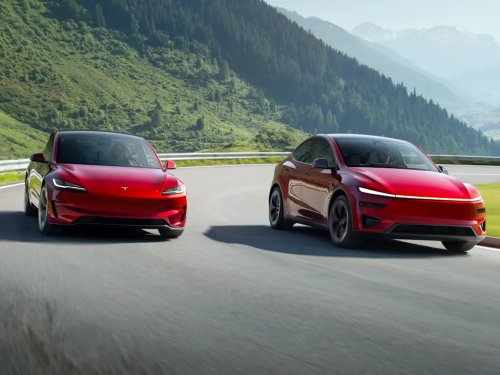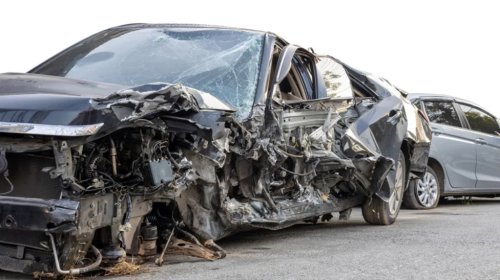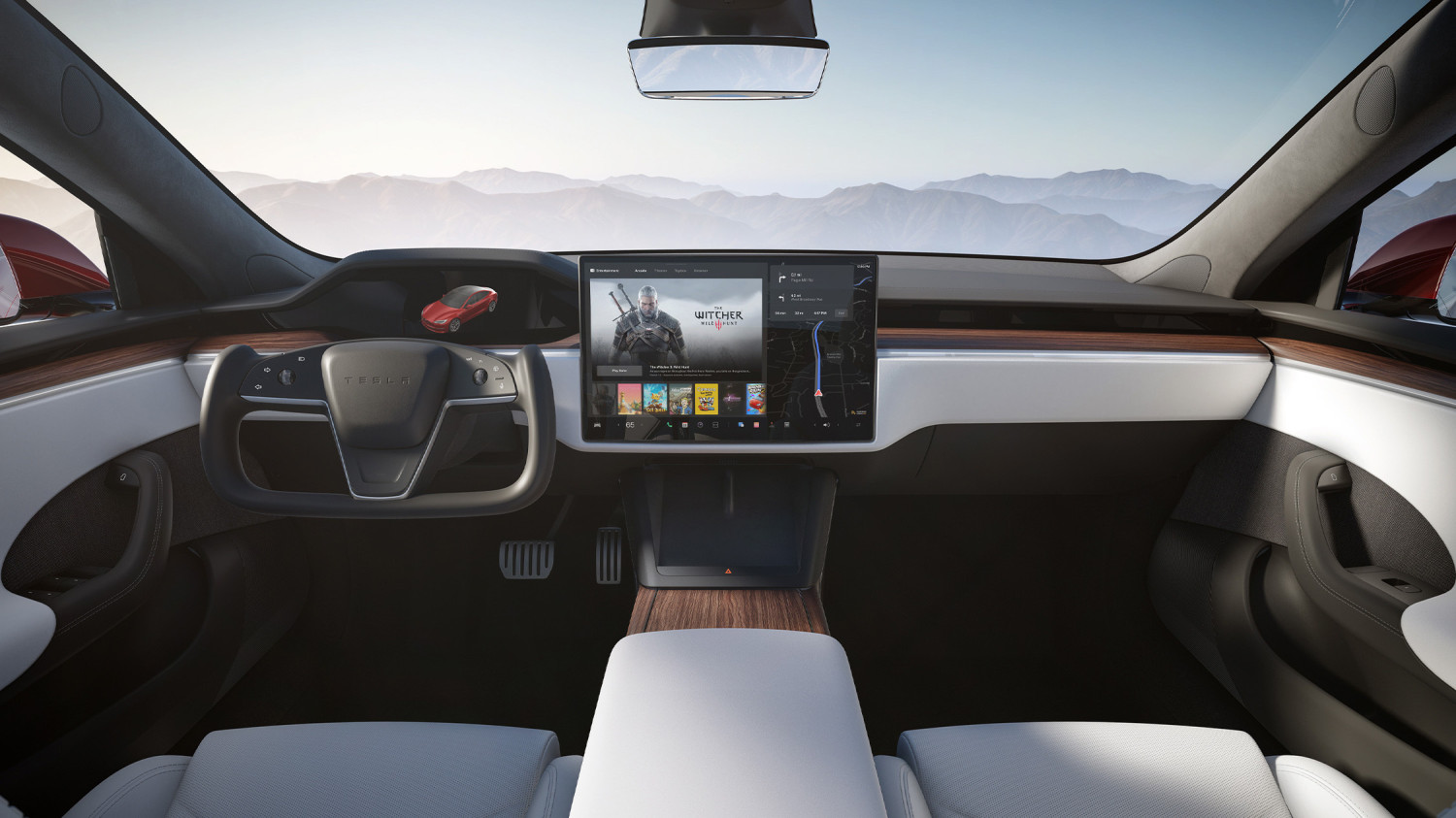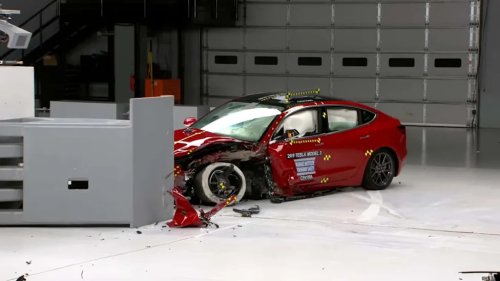
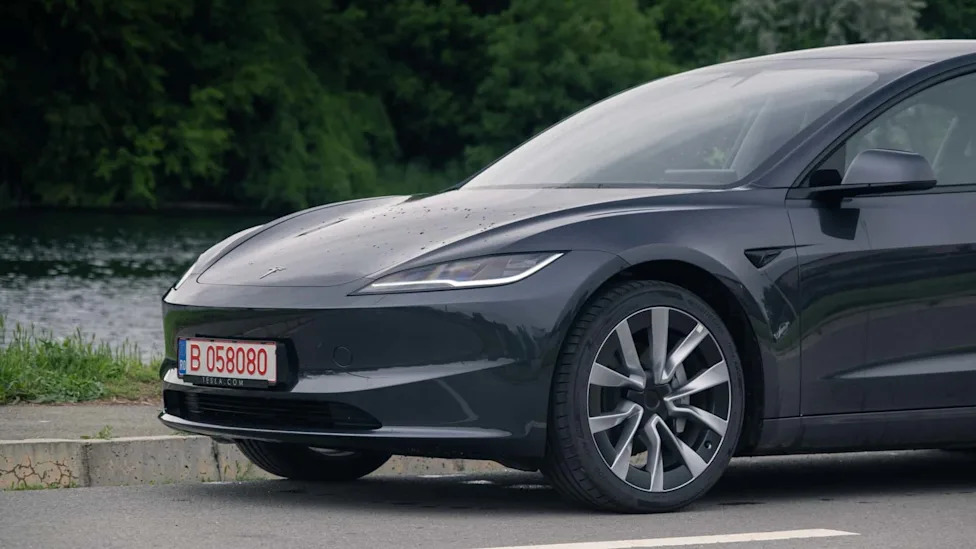
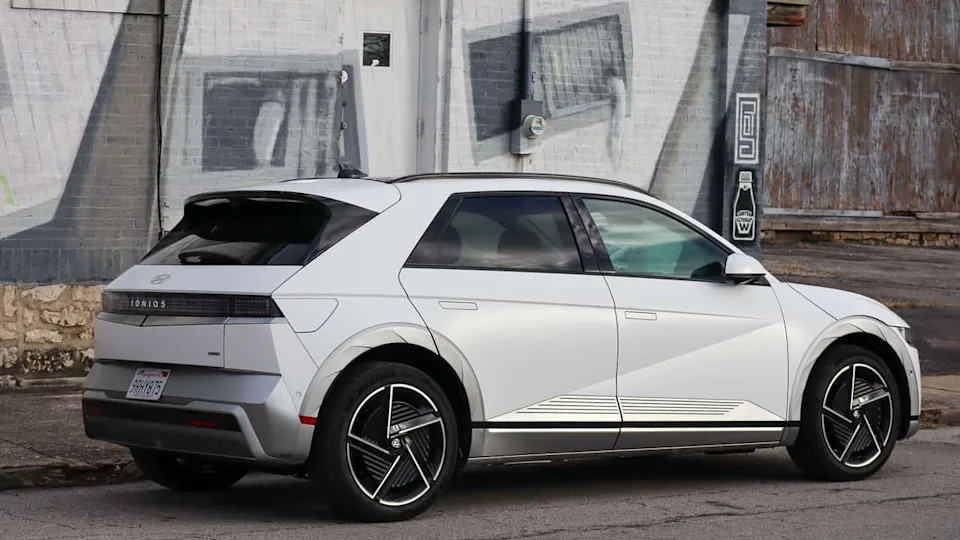



















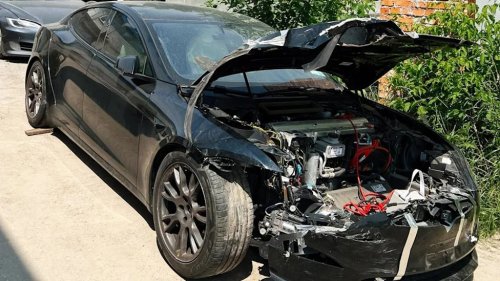
Teslas Are Way More Likely To Have Salvage Titles: ReportInsideEVs[email protected] (Kevin Williams)Tue, September 22, 2026 at 9:24 PM UTCAdd us on GoogleTesla Model 3 Long RangeNearly 20% of auctioned Teslas come with salvage titles, EpicVIN says. That's over twice as bad as the industry average.EpicVIN surveyed 273 million cars across 338 different models that went through auctions or sales listings. On average, 13.7% of all cars queried had salvage titles, but Tesla models average around 19%.Tesla's average fleet age is only 5.2 years, yet its salvage title rates sit at 19%. EpicVIN says the salvage title rates for fleets 5-8 years is 7.5%.This doesn't trend for other EVs. The Nissan Leaf and Hyundai Ioniq 5 have rates of 9.5% and 2.4%, respectively.It's no secret that Tesla is the biggest player in America's EV industry, with nearly 50% market share. But the company doesn't just make America's most popular EVs; it also makes the ones that are most likely to end up totaled. According to data from EpicVIN, Tesla models are far more likely to have salvage titles than other same-age cars that make their way through auction houses. Nearly a fifth of all Teslas that it analyzed had salvage titles.To generate this data, EpicVIN looked at 273 million VINs across 338 different models. These VINs are sourced from auction or sale listings, not state registrations. When it analyzed the data for August 2026, 13.7% of the vehicles in the study had salvage titles, but Tesla's models hovered around 18-19%.AdvertisementAdvertisementThat number is worse than it may seem at first. The average age of Teslas in the sample is only 5.2 years old. By comparison, EpicVIN says the average salvage title rate for cars that are 5–8 years old is 7.5%. To find a brand with higher rate of salvage titles, you have to look at Saturn, Mercury, or Pontiac. All three brands have been dead for at least a over a decade, and their average fleet ages are all above 20 years.GMC, the second-worst performer among brands that still exist, had a salvage rate of just 8.3%, less than half that of Tesla's.For those not in the know, a salvage vehicle is one that has been declared a total loss by an insurer. This happens when the estimated repair costs for an accident exceed a certain percentage of the vehicle's value, making it simpler for the insurer to write the car off rather than repair it properly. Thus, generally older cars tend to have higher rates of salvage titles since depreciation drives their values down. Even relatively minor accidents may total an older car, since the cost of repair can easily surpass the car's value.EpicVIN's report says that Tesla is the exception here. The average age of vehicles it studied was only 5.2 years, yet it still sat at just under 20%. By comparison, Saturn's salvage title rate was 24.4%, but the average age was 22.8 years. The Tesla Model 3 takes the crown for the largest number of salvage title vehicles in the EV realm, with 341,078 cars having a salvage-branded total, representing 19% of all Model 3s sampled. The Tesla Model Y's 19.1% rate is higher, but there aren't as many cars in the study.AdvertisementAdvertisementThe high loss rate is not even a general EV thing, either. The Nissan Leaf only has a 9.5% salvage title rate. The Hyundai Ioniq 5 is only 2.4%.Although it can be easy to jump to conclusions about Tesla drivers, this doesn't necessarily mean that Tesla drivers are bad or that the cars are unreliable, per se. Remember, when an insurance company deems a car a total loss, it's purely a function of cost to repair compared to the vehicle's value.Tesla cars have a few things working against them there. EV residuals in general aren't so strong, and Teslas have faced steep depreciation over the last few years. Also, in an SUV-crazed world, sedan models tend to transact lower, driving down values. Add in the higher repair costs of Teslas and it's not hard to see why these cars—particularly the Tesla Model 3—so often come with salvage titles. Some of these complaints aren't new news, either. Hertz liquidated much of its Tesla fleet because of how frustrating they were to maintain, and the shrinking residual values. Tesla resale values seem to have leveled off somewhat, but every mainstream car will continue to depreciate as it ages.Right now, many popular non-Tesla EV models are relatively new on the market. The Tesla Model 3 and Model Y were released in 2017 and 2019, respectively. The Ioniq 5 wasn't released until 2021. As cars like the Ioniq 5 age and their value inevitably goes down, expect the rate of salvage title events to increase.2025 Hyundai Ioniq 5Now, it's not necessarily the end of the world. Salvage title vehicles can often be repaired, but that takes work and often involves an inspection to ensure safety and roadworthiness. When that happens, the title status shifts from salvage to rebuilt. Rebuilt title cars are often hit or miss, and I can't recommend anyone intentionally buy one without a very in-depth inspection and understanding exactly what could go wrong.AdvertisementAdvertisementThankfully, most won't rebuild these cars, though. EpicVIN found that only about 1.5% of the cars it searched had a rebuilt title. So, the odds that you'll encounter a salvage or rebuilt title car at a dealership without a clear disclosure are lower than you'd think. And you don't have to settlef for one. There are plenty of other non-rebuilt title EVs to choose from. If you're unsure if the used car you're considering is a salvage title, a vehicle history report should tell you if the vehicle was ever deemed a total loss.Related ArticlesUsed Tesla Model S Prices Have Fallen Dramatically. But Their Batteries Are Holding Up GreatWhat To Know About California's $3,500 EV Rebate—And Which Teslas QualifyThe Used EV Market Just Got WeirderUsed EV Values Are Actually Rising. Why That's Good And Bad News.