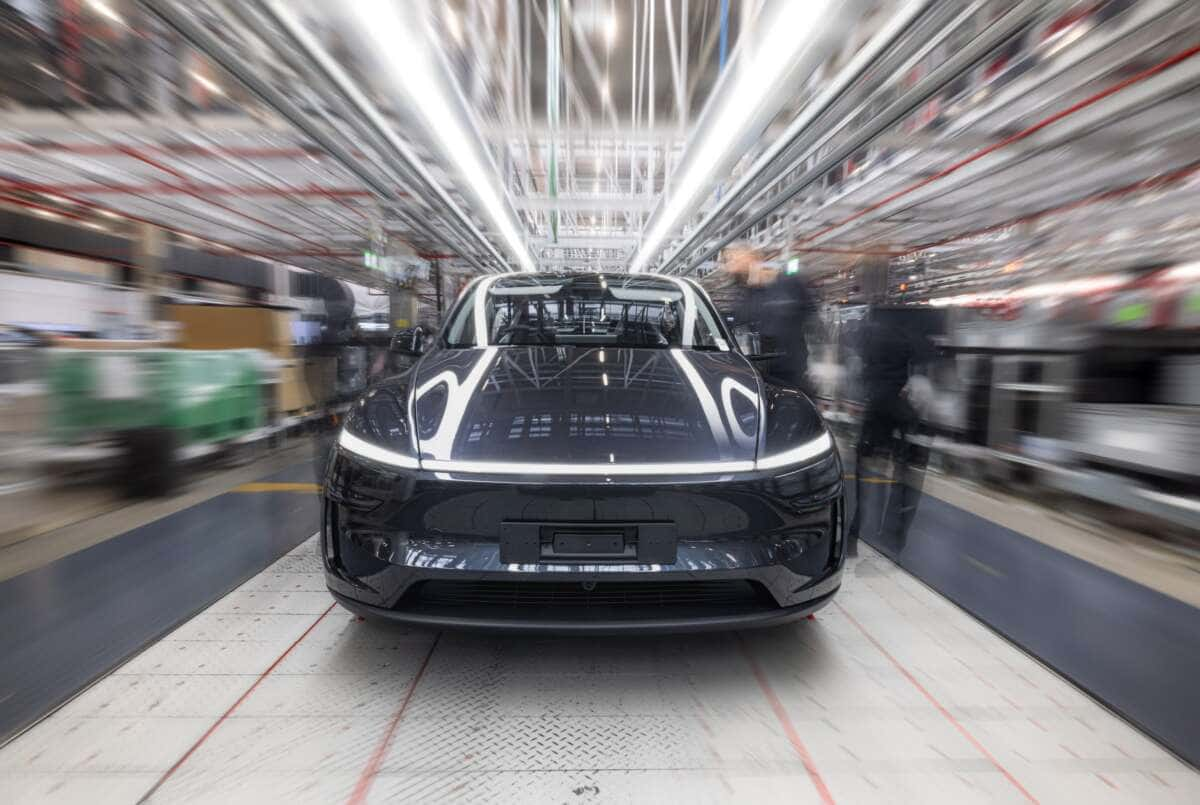
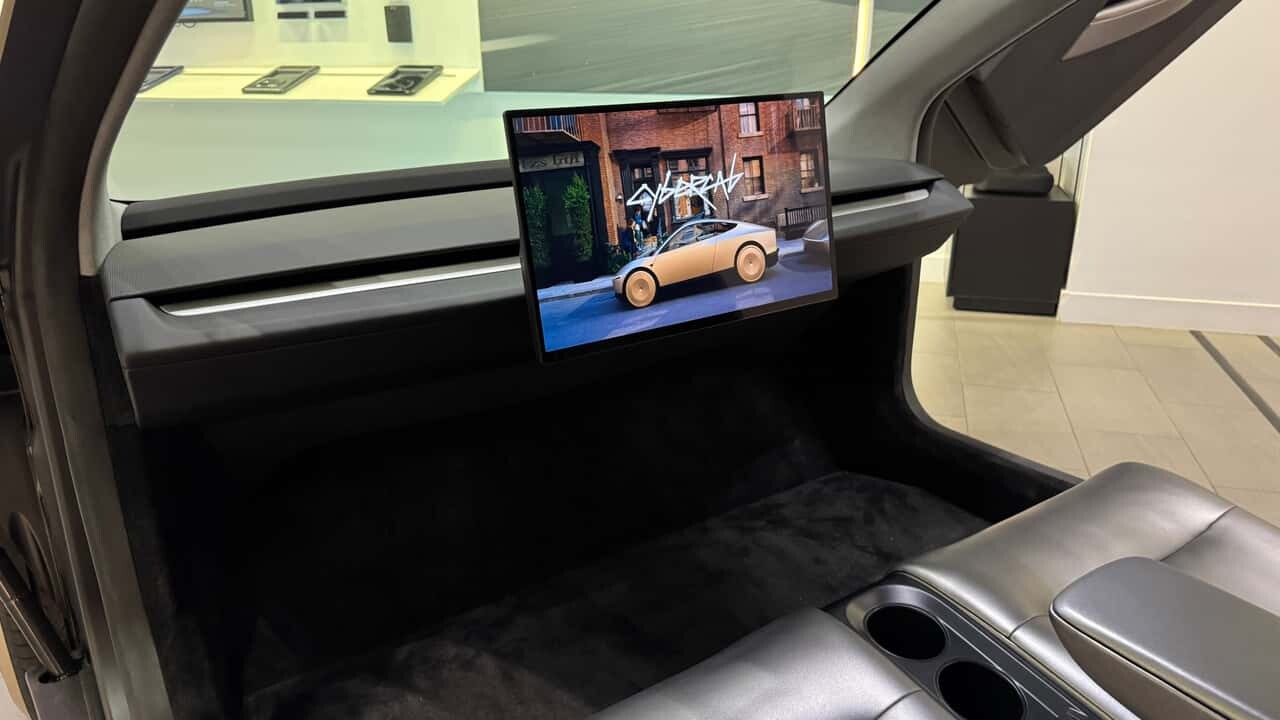
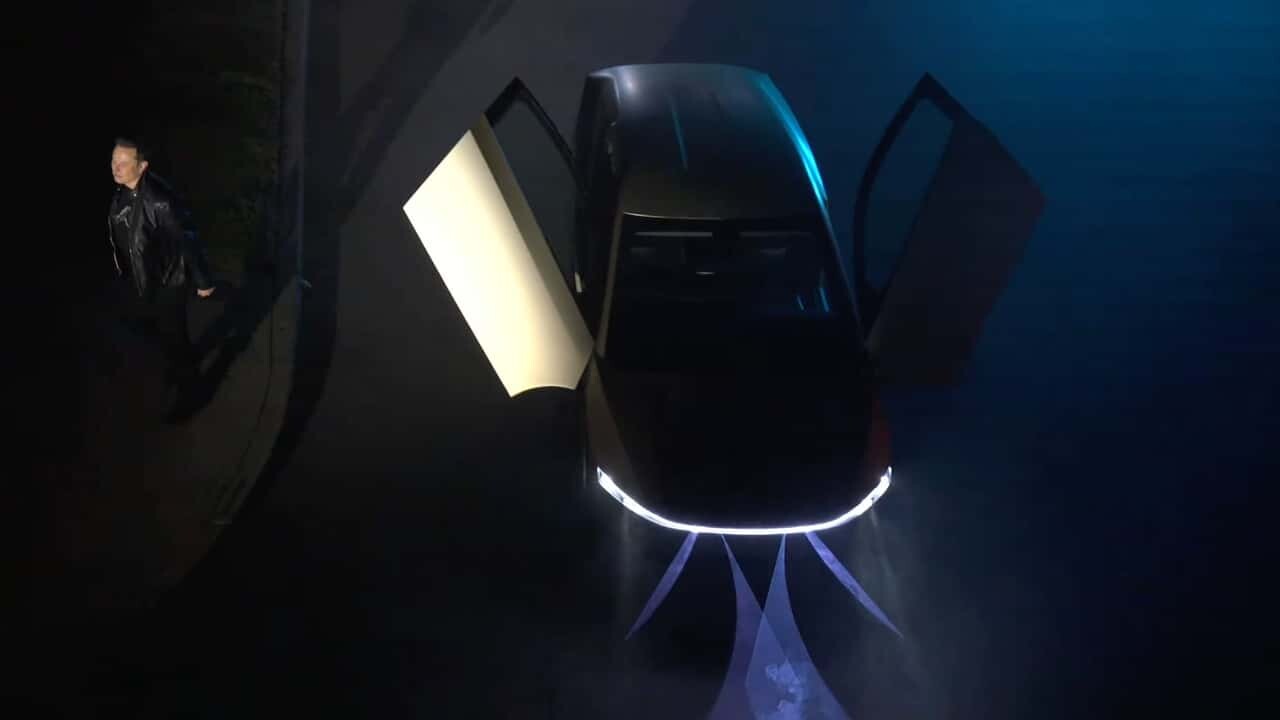
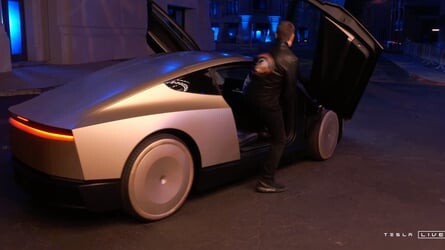
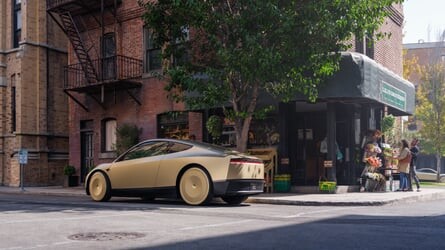
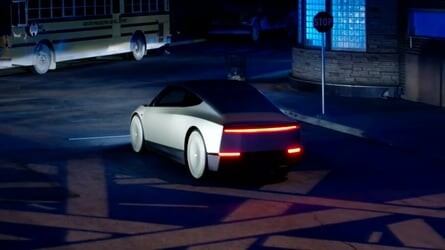
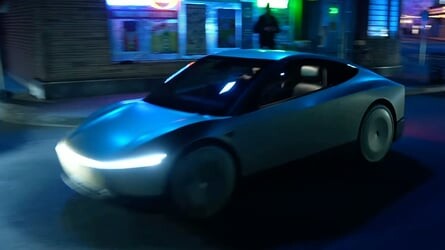
Elon Musk once promised the fully autonomous, steering-wheel- and pedal-free Tesla Cybercab would arrive before the year 2027, and start at less than $30,000. Prominent tech influencer Marques Brownlee promised back in 2024 to shave his head if Tesla delivered on that cost and timeline. It appears that the automaker, very technically, has done so, as Tesla announced on X on Friday evening that “select customers” can now purchase a Cybercab through an early-access, limited-release program.
Cybercab pricing starts at $29,990, a price that includes the first month of the autonomy subscription required to operate the vehicle; every subsequent month, however, users will need to pay $299 for that subscription. Customers can reserve a Cybercab with a non-refundable $1000 deposit. Deliveries in Austin, Texas will begin in December 2026.
But, as the saying goes, there’s a catch. The first one here is that owners can only operate the Tesla Cybercab in areas where it has been approved for use. According to Tesla’s website, that currently includes major cities in two states: Austin, San Antonio, Dallas-Fort Worth, and Houston in Texas, and Tampa Bay, Orlando, and Miami in Florida. Tesla’s website lists Las Vegas, Phoenix, and Jacksonville as “coming soon.”
Another restriction is that Tesla is not selling the Cybercab to fleet operators—the most obvious customer—just yet. Customers in this initial batch may purchase one Cybercab, and only for personal use. However, Tesla does have an interest form that potential fleet operators can fill out on its website.
The Cybercab and autonomous driving in general represent potentially game-changing technology—a major reason automakers and major tech companies have invested heavily and worked on it for more than a decade. In theory, Tesla and third-party operators could offer incredibly low ride-sharing prices, with no driver who needs to be compensated with humane wages. Prices would be low enough not just to undercut rideshare providers such as Uber and Lyft, but potentially to undermine personal vehicle ownership itself.
But achieving that Tesla-driven utopia may be a far-off prospect. To change the game, the technology must work. As Jeremy Clarkson and others have noted, Tesla’s Cybercab ride-sharing service still has several kinks to work out. Broad regulatory approval remains a relatively distant prospect. And even if the technology works and meets safety standards, customers still have to buy in.