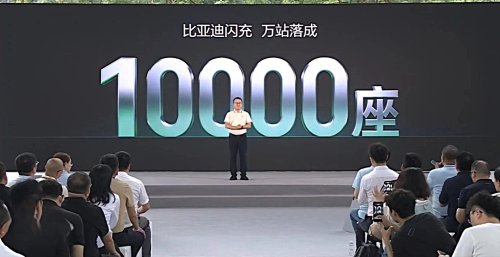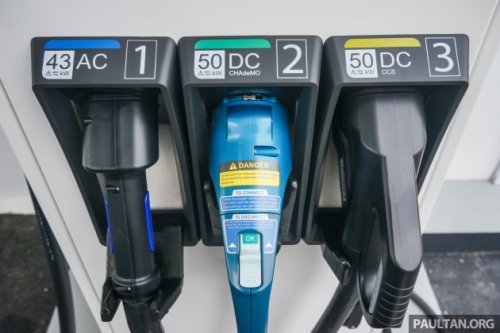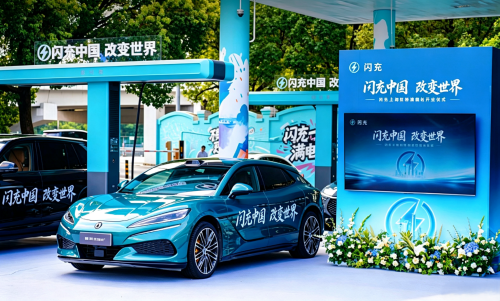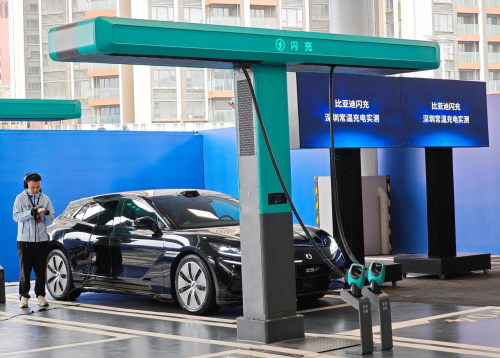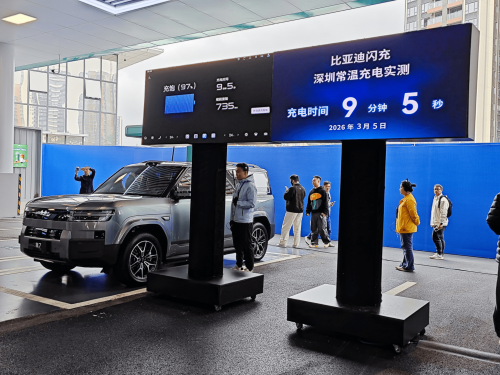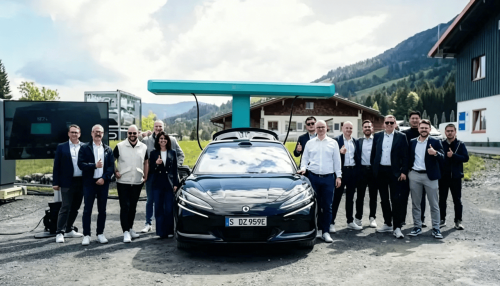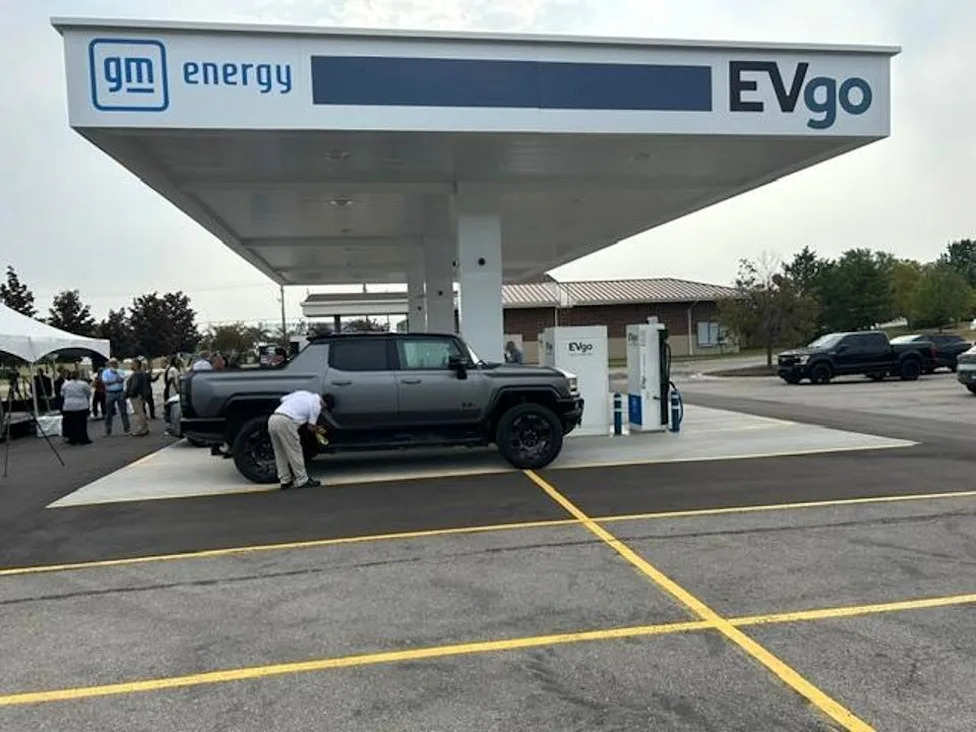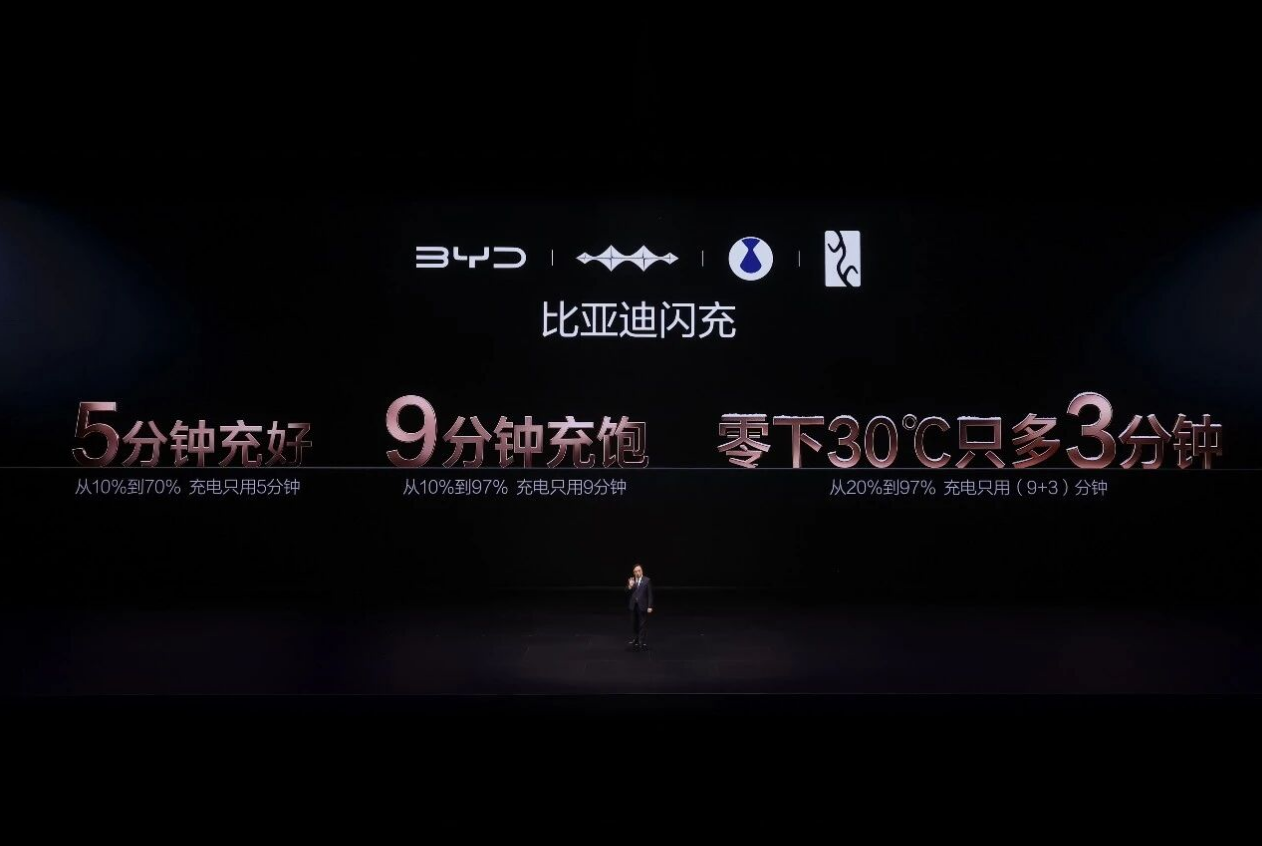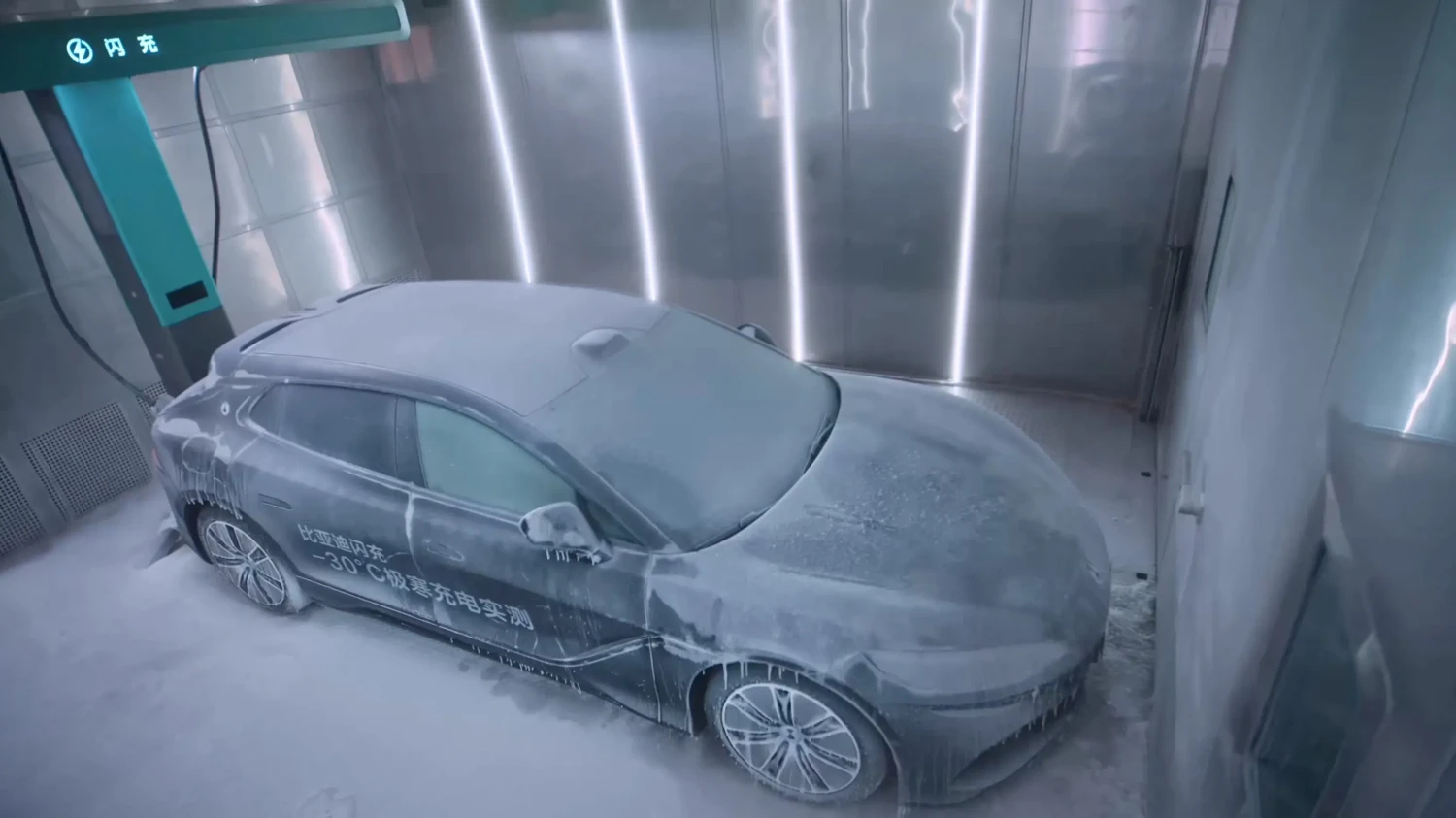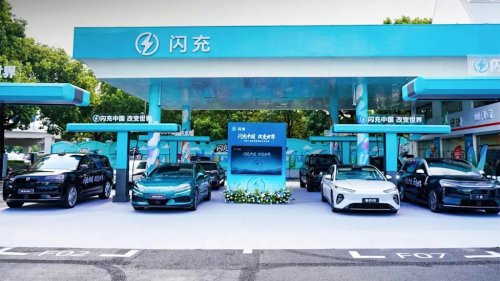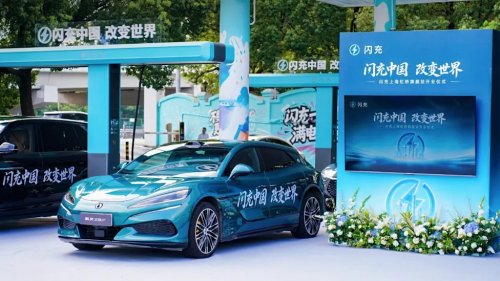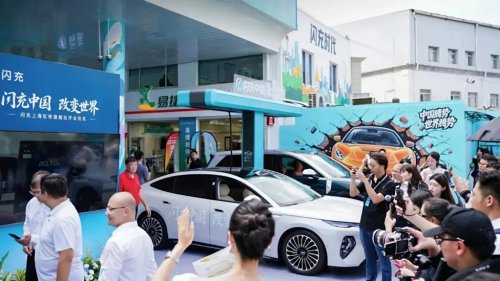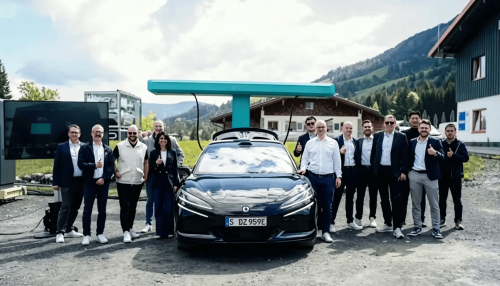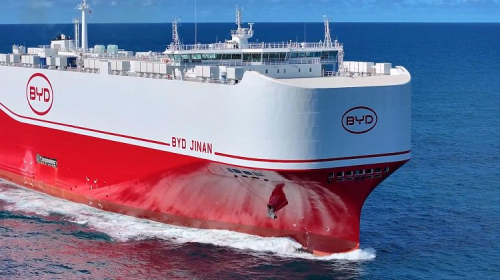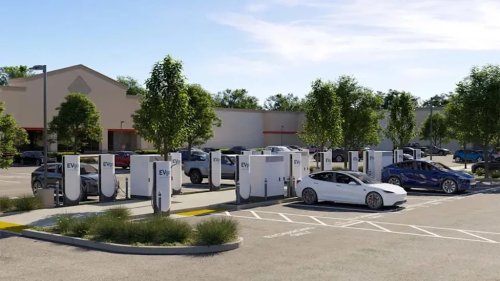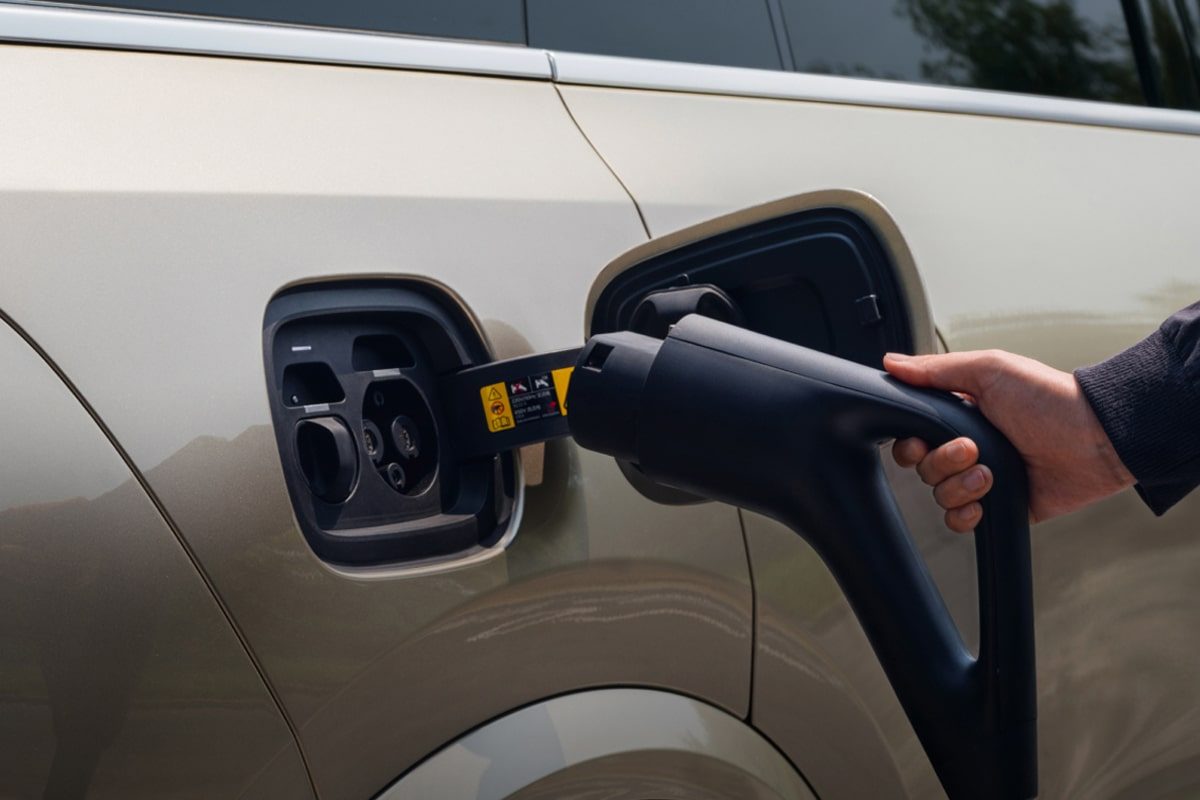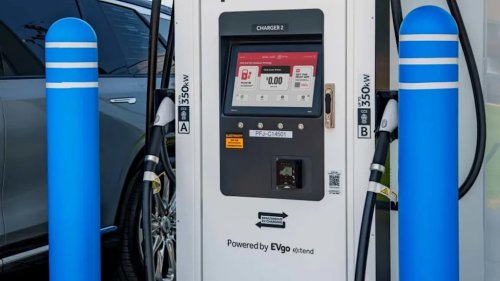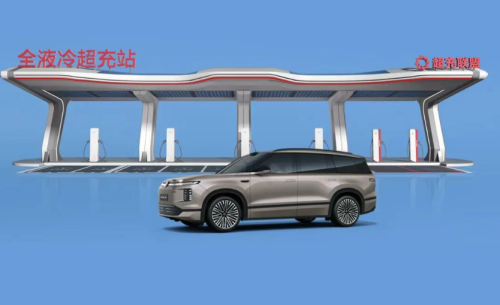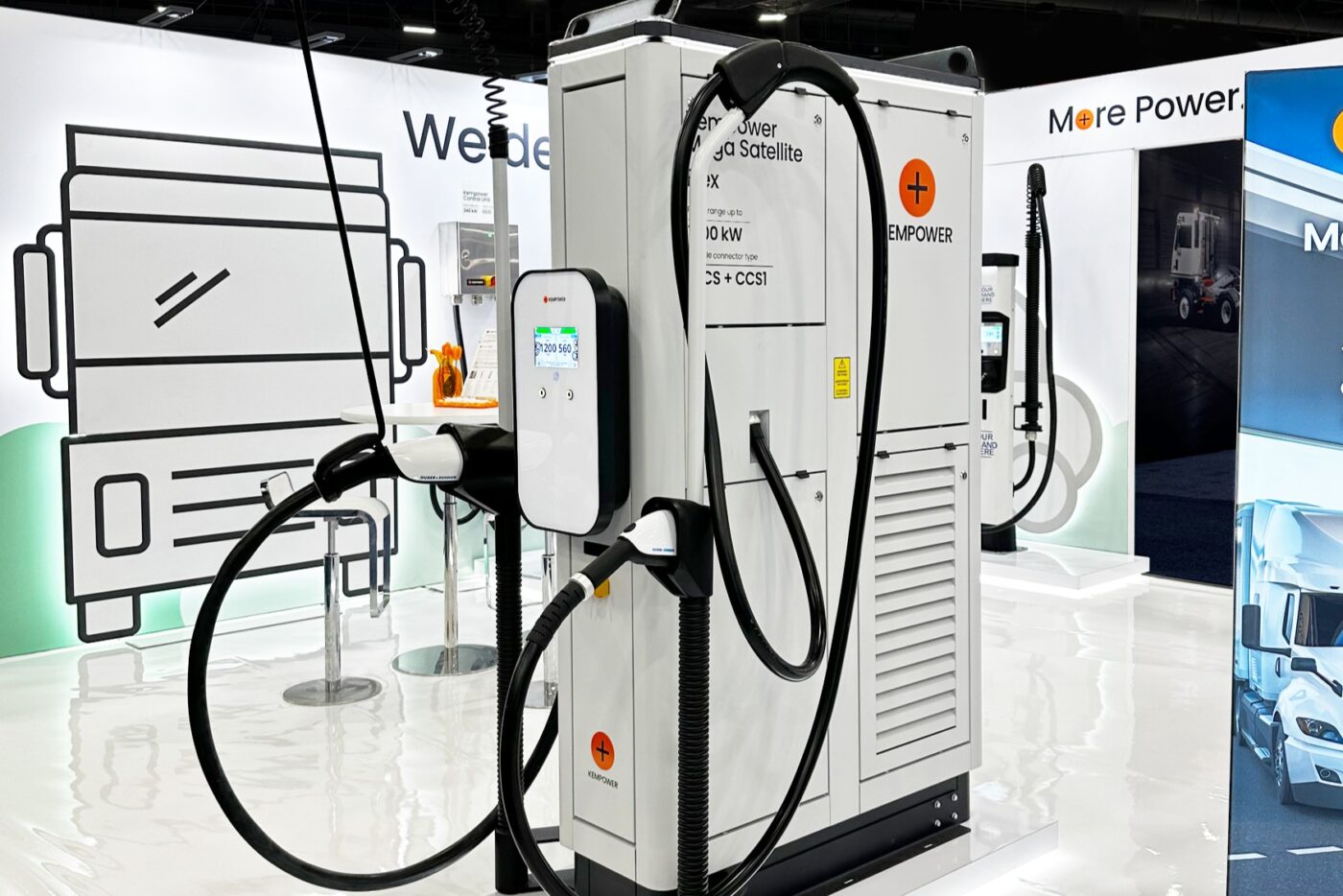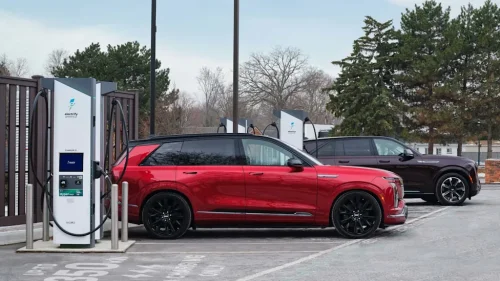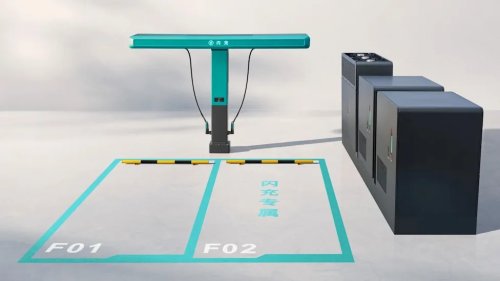
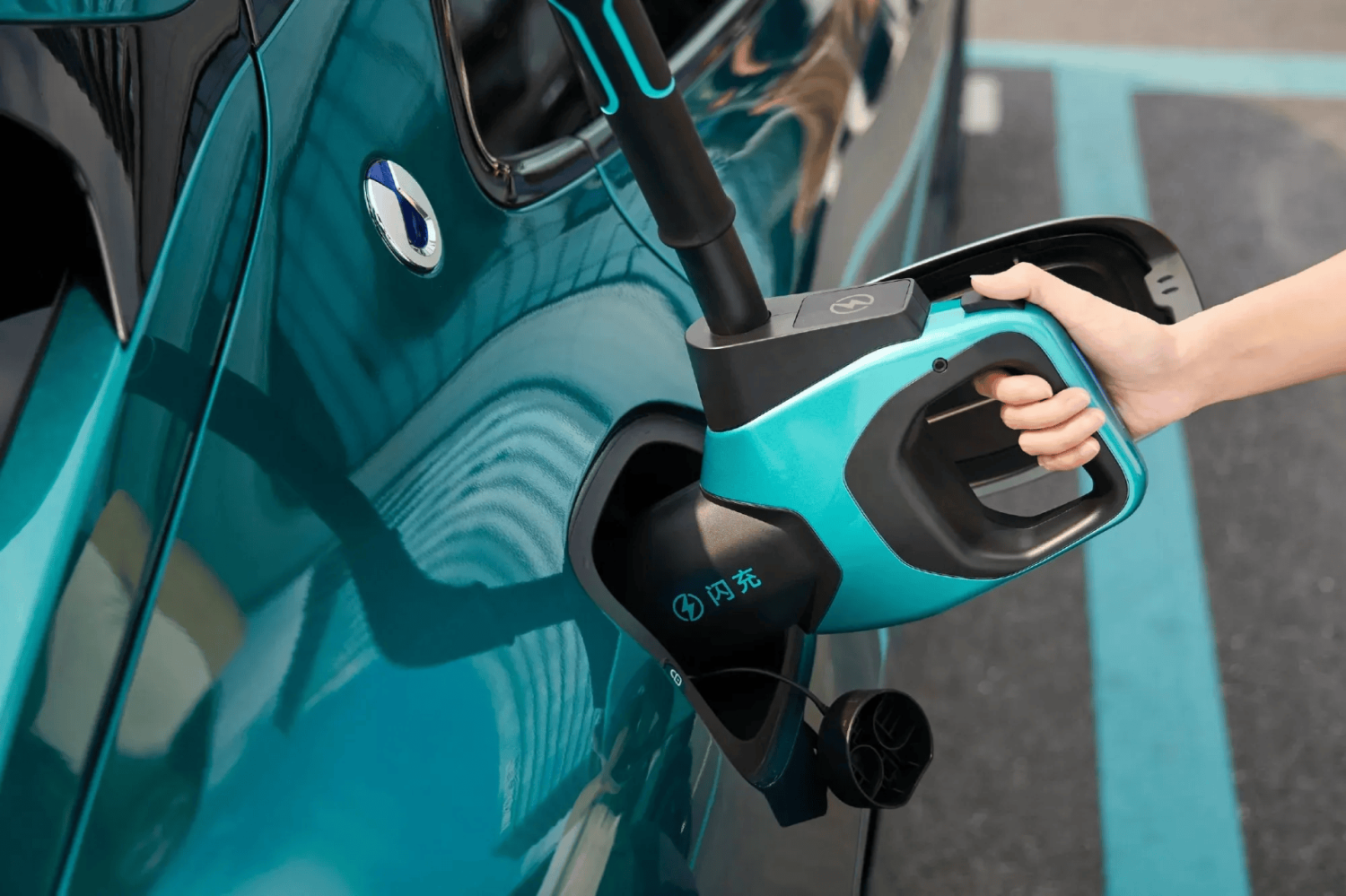
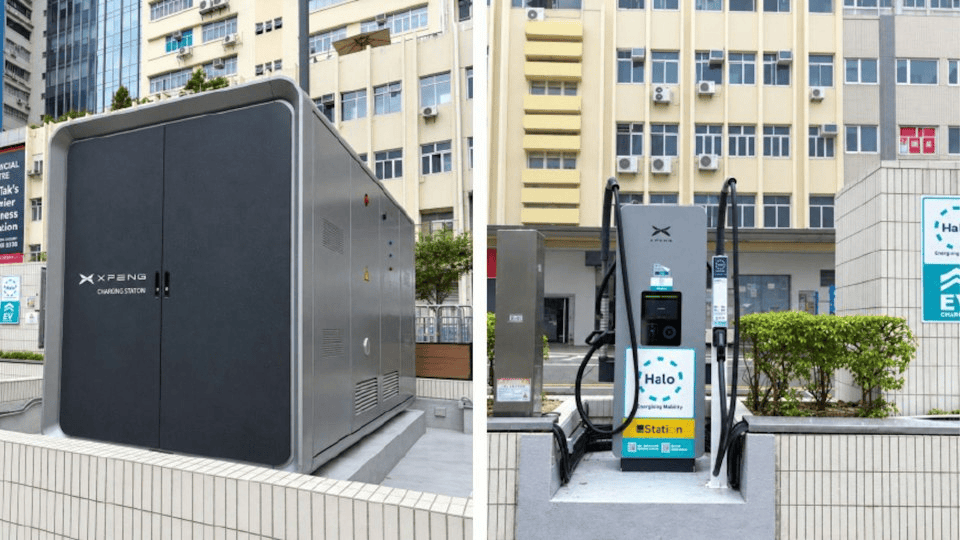



















Sunwoda unveiled its “All-in-One, Boundless” photovoltaic-storage-flash-charging open ecosystem platform at the 2026 New Energy Battery Industry Development Conference. The company also announced its infrastructure target of deploying 10,000 megawatt flash-charging stations by the end of 2027. The system integrates photovoltaics, energy storage, high-power liquid-cooled flash charging and AI-based energy management. Sunwoda unveils its target of deploying 10,000 MW-level flash-charging stations by the end of 2027. It has a maximum output of 2.1 MW per charging gun and compatibility with vehicles from multiple brands. The platform is designed for joint development at highway charging sites and existing charging stations undergoing upgrades. It is also paired with 268Ah energy-storage cells supporting a 4C charge-discharge rate and a cycle life of up to 5,000 cycles. According to Sunwoda, vehicles equipped with ultra-high-rate power batteries can gain more than 100 km of driving range from one minute of charging. Charging from 20% to 97% takes about 12 minutes, while charging to 95% takes 15 minutes at temperatures as low as minus 20°C. BYD’s flash charging connector Rather than focusing solely on selling charging equipment, Sunwoda is pursuing a more open infrastructure development model. The company has outlined four cooperation models: equipment procurement, turnkey solution delivery, joint development of flash-charging networks, and joint investment and operation. It also plans to open up its highway and existing-station upgrade projects to co-development with partners. Megawatt-level flash charging is now entering a phase of large-scale deployment in China. On Aug. 28, BYD completed its 10,000th flash-charging station in Shenzhen and plans to have 20,000 stations in operation by the end of 2026. XPeng’s first X-Energy megawatt-level flash-charging station in Hong Kong On Sept. 15, XPeng’s first X-Energy megawatt-level flash-charging station worldwide began operations in Hong Kong, with the facility also open to vehicles from other brands. Policy support is also driving the expansion of charging infrastructure. In Oct. 2025, China introduced a three-year action plan to double the service capacity of electric-vehicle charging infrastructure. The plan calls for the nationwide charging infrastructure network to reach 28 million facilities by the end of 2027. Its public charging capacity will surpass 300 million kW, sufficient to serve the charging demands of over 80 million electric vehicles.