The NEV market share reached 73.2% in the first half of November in China, totaling 447,000 units (retail sales) as the industry entered a “survival” phase. It is the record high in 2026 as ICE sales continue to shrink, the secretary-general of the China Passenger Car Association (CPCA), Cui Dongshu, shared.
According to CPCA data, wholesale sales of passenger cars manufactured in China reached 722,000 units in the first half of November, 23% down Year-Over-Year. At the same time, retail sales reached 611,000 cars for the same period, down 25% Y-O-Y. Interestingly, wholesale sales of new energy vehicles (BEV+PHEV+EREV) were 592,000 units (3% down Y-O-Y), while the retail sales totaled 447,000 cars (13% down Year-Over-Year).
There is an obvious drop in ICE sales, which is caused by high oil prices. Despite a short-term dip, the prices remain high on average. As a result, the market share of ICE cars shrank. According to the secretary-general, the industry entered a “survival of the fittest” phase. Only BEVs and PHEVs with strong appeal are successfully capturing customers.
Interestingly, according to the China Automobile Dealers Association (CADA), customer traffic declined by 14.5% M-O-M in the first half of November. New orders fell by 36.6%, despite the “Double 11” period (most automakers launch discounts on November 11).
Cui Dongshu characterized the retail sales in the first half of November as “policy-driven support, a weak recovery, and structural divergence.” The overall retail performance remained weak. However, there is a chance that the demand will be boosted after the Guangzhou Auto Show 2026 that will start on November 27.
The CPCA official concluded that there is a need for long-term policies to stimulate demand and drive economic growth. Potential measures include personal income tax relief for car buyers, initiatives to promote the adoption of NEVs in rural areas, enhanced purchase tax incentives for BEVs with a range of under 200 km, etc. It is also worth noting that next year China will lower the export VAT rebate rate from 13% to 9%, applying pressure on export profits. So, 2027 will likely become a tough year for a lot of Chinese car makers.
CADA officials remain more positive with a short-term forecast, saying that the “Double 11” promotions, new cars launched at the Guangzhou Auto Show, and the approaching elimination of certain subsidies will boost retail performance in the second half of November.
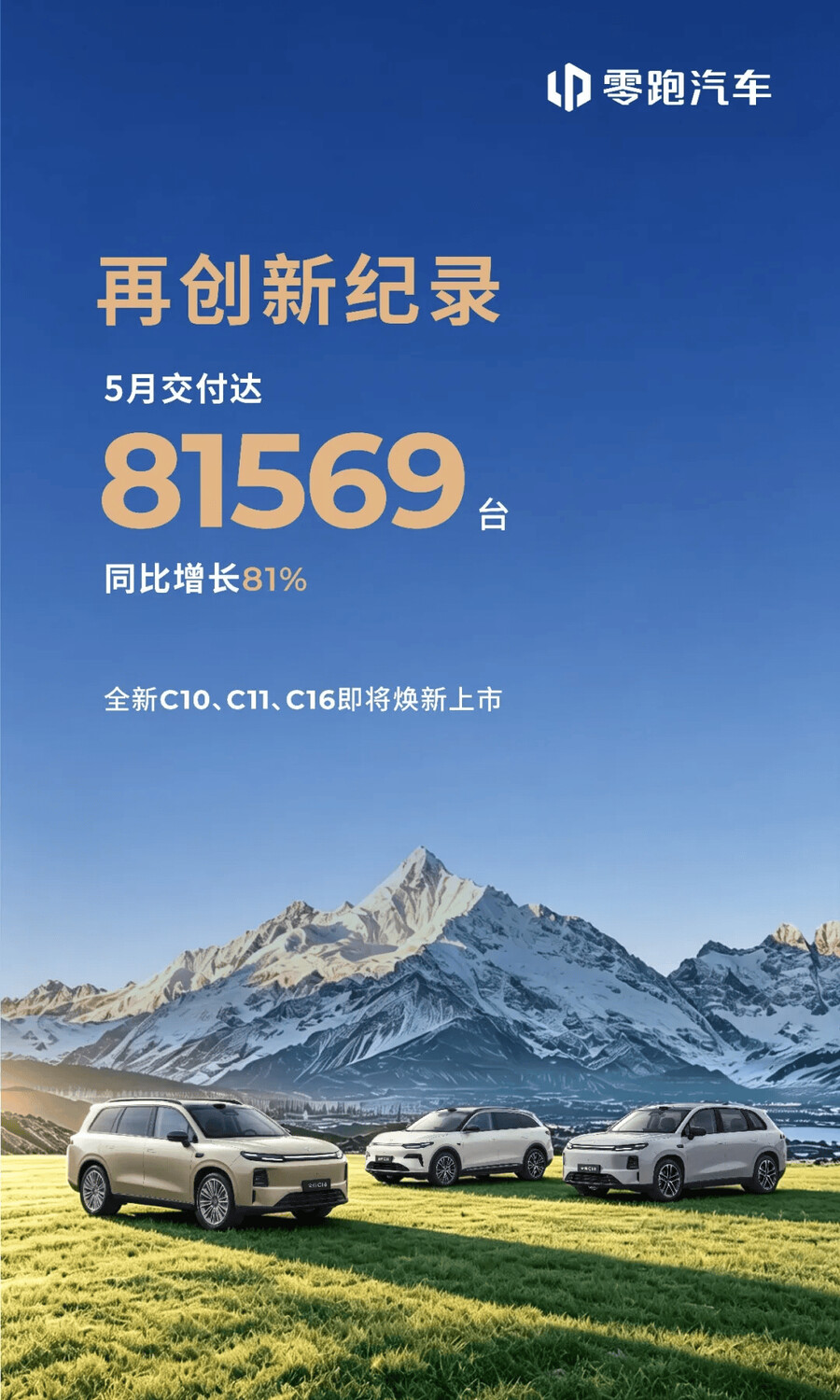
According to the recently published data, BYD‘s (Dynasty & Ocean series) registrations in the 45th and 46th weeks of 2026 (November 2 – 15) reached 136,200 units. Registrations of the Geely Galaxy totaled 46,050 units. Leapmotor‘s registrations reached 38,050 vehicles. And Xiaomi‘s registrations were 20,550 cars.